


Seventeenth Century Oak Stool
These seventeenth century oak stool examples are solid timber seating designed for domestic utility, offering genuine period character for a traditional interior.
Seventeenth Century Oak Stool
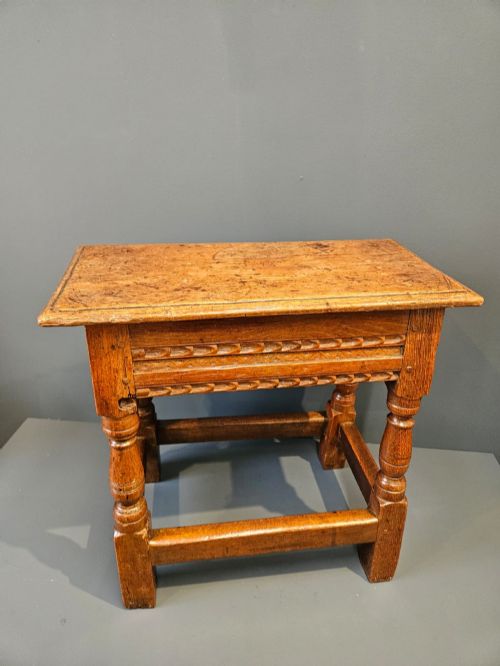
A seventeenth century oak stool is a sturdy seating form designed for domestic use, encompassing simple joint stools alongside rarer joined back stools and close stools. When you search for a seventeenth century oak stool, you encounter genuine seventeenth-century survivals alongside later revivals from the Victorian period and the nineteen-twenties.
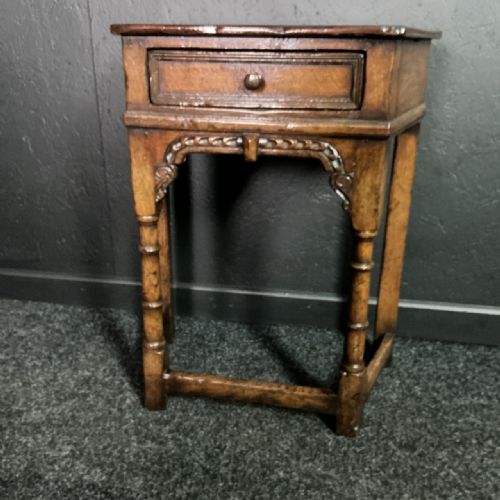
The authentic period pieces show heavy timber construction and pegged joints, often reflecting regional English workmanship from centres such as Yorkshire. Alongside the low seating forms, the evidence includes related functional pieces like side tables and commodes sharing the same heavy timber vocabulary.
Materials and construction
Makers utilised native oak for its strength and abundance, constructing frames with pegged mortise and tenon joints that relied on mechanical interlocking rather than metal fixings. Surfaces were finished by hand, leaving tool marks that record the work of the carpenter's adze and chisel.
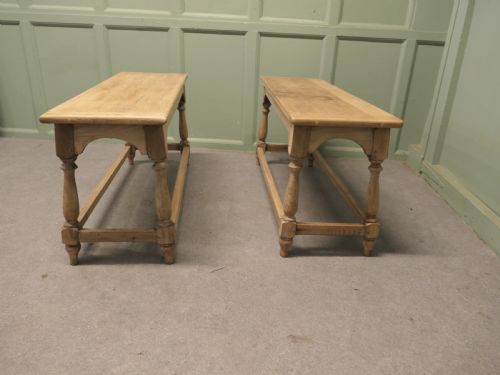
Some examples incorporate subsidiary materials such as iron for hardware or tapestry upholstery for padding on back stools and close stools. Later revival pieces from the nineteenth and twentieth centuries adapted these traditional joinery methods to recreate historic styles using bleached oak or traditional timber.
Miniature doll and teddy bear joint stools appear among the full-scale seating, proving that early makers also catered to childhood play.
Judging quality and proportion
Quality rests in the integrity of the original construction and the degree of survival in the timber frame. Pieces retaining their original pegged joints and uncompromised structural height stand apart from those altered or rebuilt over centuries of domestic service.
Proportion and surface patination further define the hierarchy, with untouched surfaces displaying deep colour gained through long exposure. The presence of regional turning detail or sophisticated moulding distinguishes superior vernacular workshop production from simpler utility items.
The Seventeenth Century Oak Stool Glossary
- Joint stool
- A sturdy wooden stool constructed with pegged joints rather than turned legs glued into sockets. These pieces served multiple domestic purposes in early households.
- Back stool
- An early form of chair featuring a wooden backrest fitted to a stool base. They provide upright seating without upholstered arms.
- Close stool
- An enclosed piece of furniture designed to conceal a chamber pot beneath a hinged seat. They represent more specialised domestic accommodation in the seventeenth century.
- Jacobean
- The style of English art and architecture prevailing during the reign of James the First. It heavily influences the carved decoration and rectilinear forms found on these oak pieces.
- Patination
- The surface sheen and colour developed by timber over long periods of handling and exposure. It acts as a primary indicator of age and genuine use.
Seventeenth Century Oak Stool: Frequently Asked Questions
How were these stools used?
Seventeenth century oak stool forms served primarily as flexible seating around the communal table or beside the hearth. Their robust construction allowed them to double as small occasional tables or mounting steps when required.
Specialised variants like close stools fulfilled private sanitation needs within the bedchamber. Their dual-purpose nature made them indispensable items in modest and substantial households alike.
How do I tell an original from a revival?
Distinguishing period pieces relies on examining timber shrinkage, tool marks, and the nature of the pegging in the joints. Seventeenth-century examples display natural wear patterns and construction methods specific to early hand-tool carpentry.
Revival pieces from the Victorian era or the early twentieth century often employ machine-sawn timber or imitate older wear artificially. Comparing the patination across the entire frame reveals whether components share the same age.
What is a joined back stool?
A joined back stool is an early form of seating that adds a wooden backrest to the standard joint stool frame. This provides additional support while maintaining the rigid, pegged construction of early carpentry.
They bridge the gap between simple stools and fully developed chairs. Surviving examples remain uncommon compared to their non-backed counterparts.
How do I care for antique oak?
Maintaining antique oak requires stable environmental conditions away from direct heat sources and sudden humidity changes. Extreme fluctuations cause the historic timber to split and loosen its traditional pegged joints.
Applying occasional natural wax helps nourish the dry wood surface and preserve its historic patination. Avoid modern silicone polishes that can penetrate the grain and alter the finish permanently.