
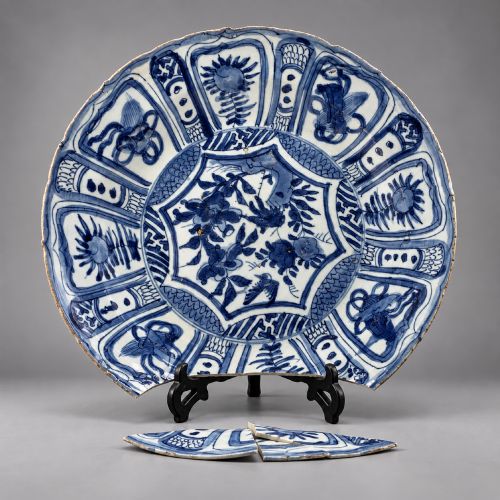


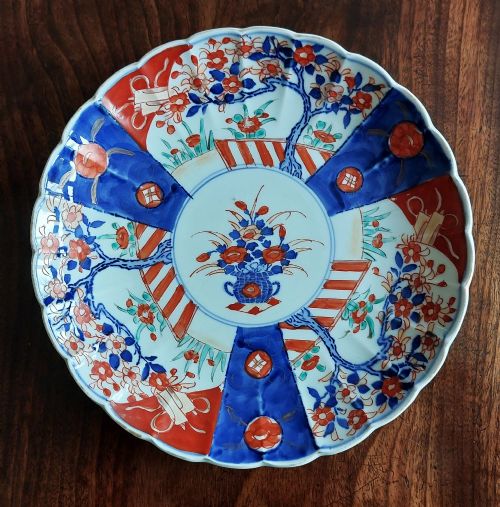
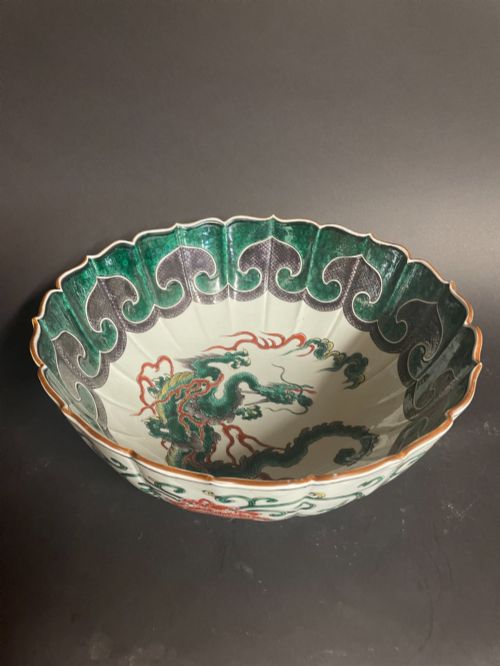
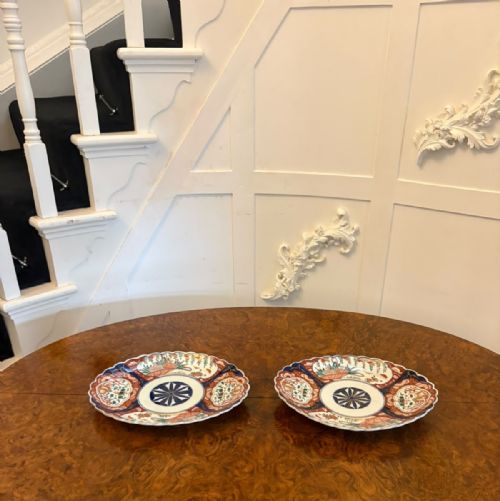


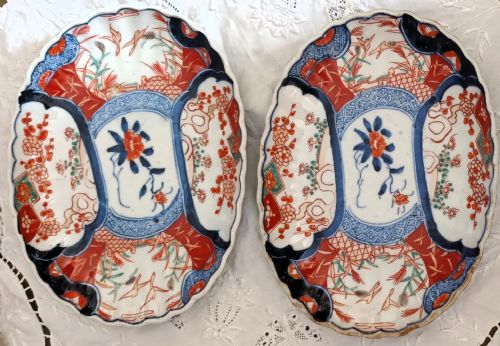
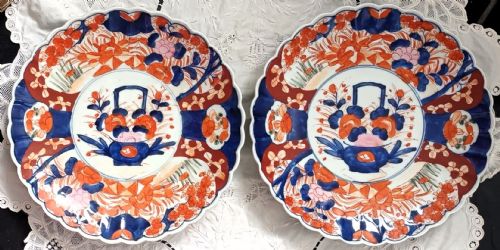
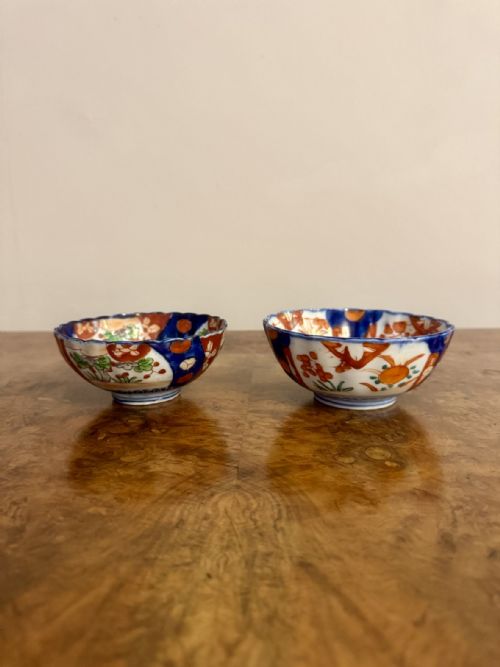
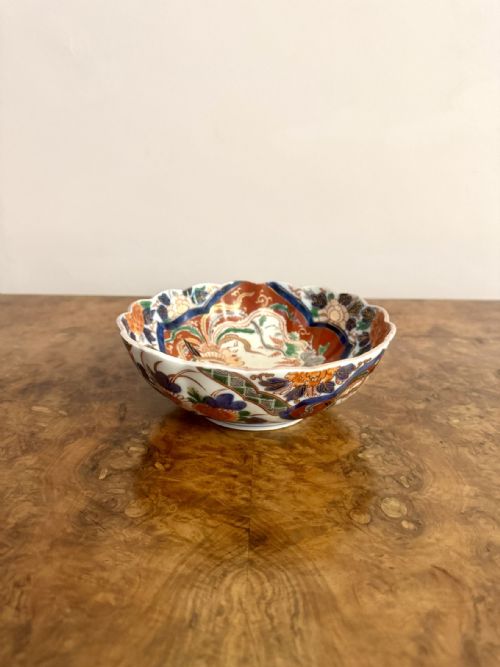
Scalloped Japanese Ceramic Dish
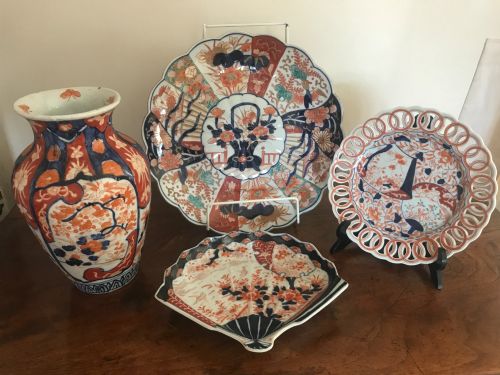
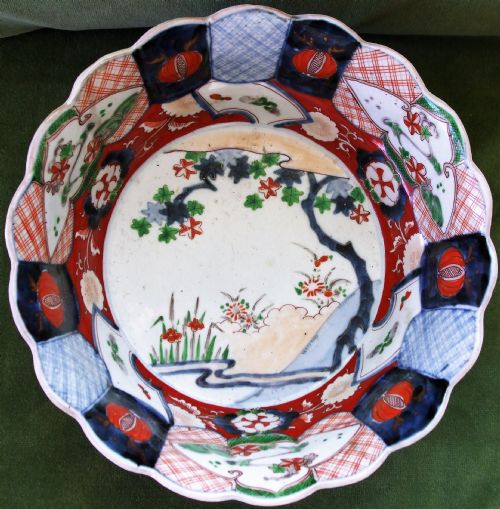
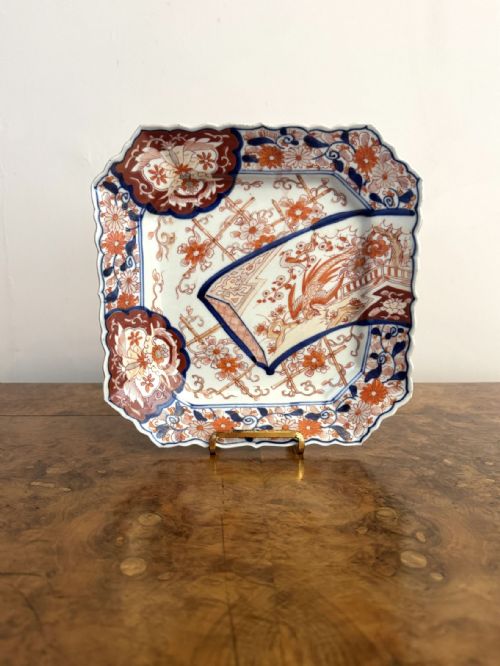
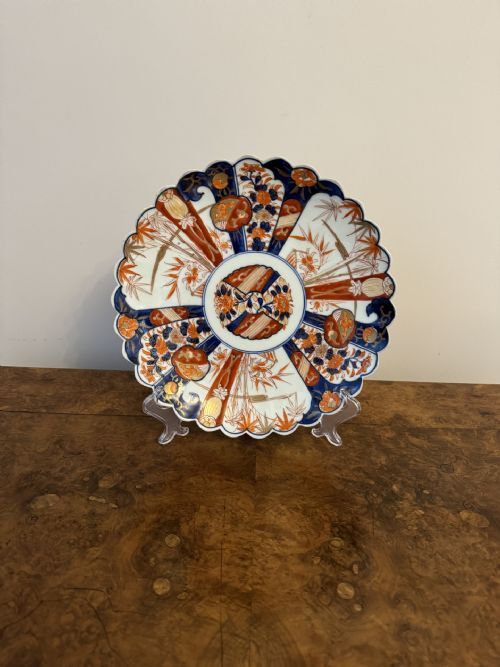
A scalloped japanese ceramic dish brings intricate Meiji period palettes and painted floral bird designs straight into your interior.
Scalloped Japanese Ceramic Dish
A scalloped japanese ceramic dish gathers objects defined by undulating rims, porcelain bodies, and traditional decorative motifs. When searching this phrase, a buyer most frequently encounters porcelain plates, bowls, and chargers originating from the nineteenth century, Victorian era, and Edwardian period.
The selections span individual dishes, matched pairs, and larger collections featuring characteristic Imari styles. Forms range from round and oval profiles to square and shell shaped edges designed for decorative display.
Materials and Methods
Potters utilised fine porcelain shaped into distinct scalloped and lobed edges, building the foundation for each decorative dish. Cobalt underglaze provided deep blue linework across the ceramic surface.
Makers applied enamel paints alongside gold leaf and gilt highlights to enrich the floral, bird, and figural designs. Firing fixed the complex polychrome schemes characteristic of Japanese Imari production.
Materials recorded across the inventory include porcelain, enamel, gold leaf, glaze, gilt, and cobalt underglaze.
Assessing Quality
Quality rests upon the precision of the hand painting and the complexity of the composition, particularly in depictions of exotic birds, floral arrangements, or deities such as the Seven Lucky Gods. Crisp cobalt underglaze work combined with controlled application of enamel and gold leaf distinguishes finer pieces.
The crispness of the moulded scalloped edge and the balance of the porcelain form also contribute to the distinction between standard decorative items and exceptional examples.
The Scalloped Japanese Ceramic Dish Glossary
- Imari
- A traditional style of Japanese porcelain featuring a distinct palette of cobalt blue and iron red, often augmented with gold leaf. It originated in the Hizen province and was heavily exported during the Edo and Meiji periods.
- Meiji Period
- The era in Japanese history spanning from 1868 to 1912, associated with intense artistic production and widespread export of ceramics to Western markets.
- Charger
- A large decorative plate intended primarily for display rather than for serving food at the table.
- Cobalt Underglaze
- A blue pigment applied directly to the raw ceramic body before glazing and firing, producing durable line work that resists fading.
Scalloped Japanese Ceramic Dish: Frequently Asked Questions
How do I display a charger safely?
Large chargers require sturdy wall mounts or dedicated display stands designed to support heavier porcelain weights securely.
Position them away from high traffic areas to prevent accidental knocks.
Are these dishes safe for food?
Antique ceramic pieces featuring enamel and gold leaf are generally intended for decorative display rather than daily culinary use.
Hand washing gently preserves the historic surface decoration from modern detergents.
What defines the Imari style?
Imari wares combine deep cobalt blue underglaze with iron red enamel and gold leaf accents across porcelain surfaces.
Motifs frequently include floral arrangements, exotic birds, and traditional narrative scenes.
How are periods identified?
Dating relies on stylistic markers, manufacturing techniques, and historical export records associated with the Meiji period and Victorian era.
Porcelain weight and glaze characteristics provide further clues to age.