


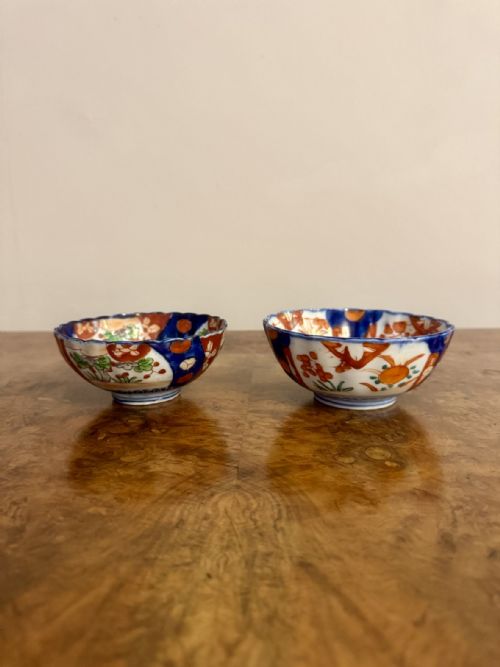
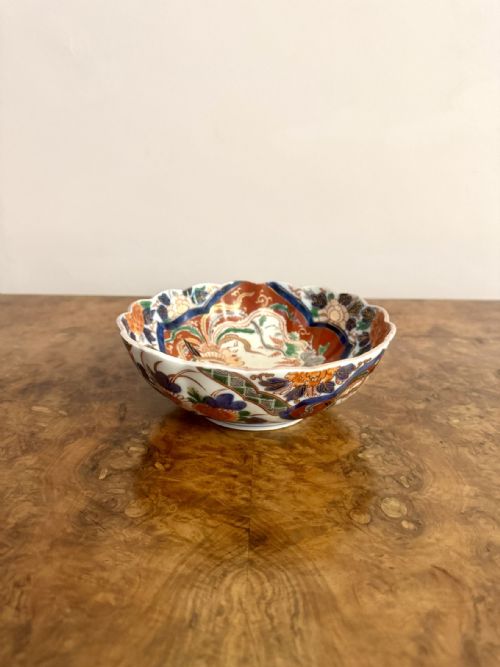

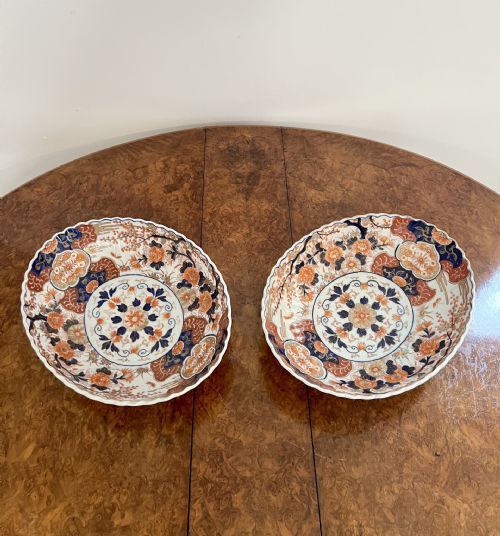


Imari Floral Porcelain Bowl
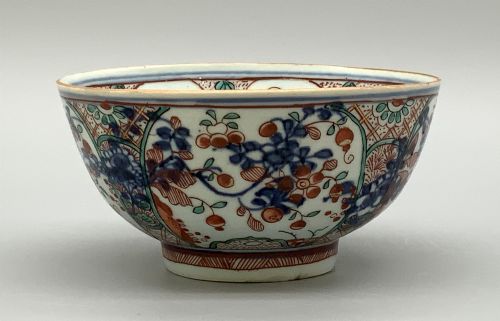
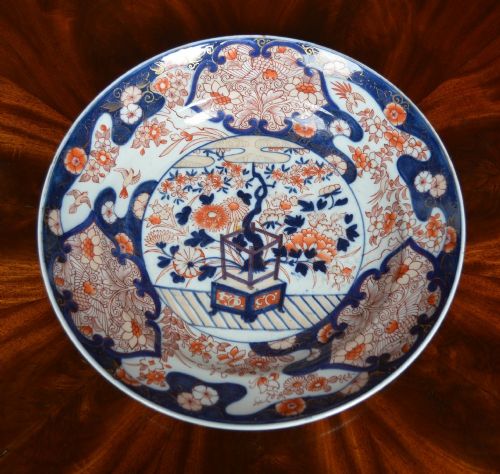
An imari floral porcelain bowl brings vibrant iron-red, cobalt blue, and gilt decoration to the table, uniting centuries of ceramic artistry across Japanese and Chinese traditions.
Imari Floral Porcelain Bowl
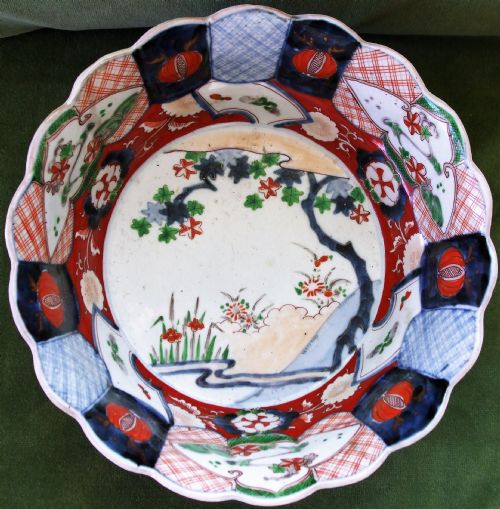
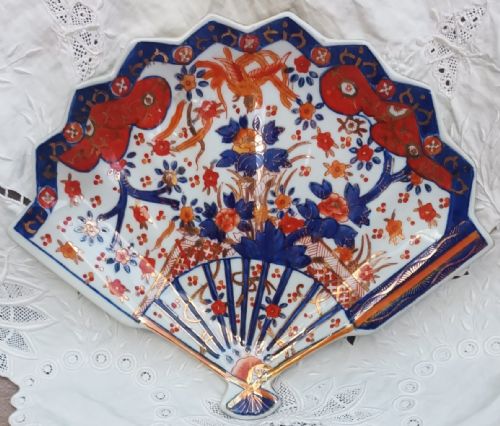
When you search for an imari floral porcelain bowl, you encounter pieces spanning from the eighteenth century through the Meiji period and into the early twentieth century. These vessels range from large scalloped centrepieces and hexagonal shapes to soup bowls, jardinieres, and smaller domestic bowls.
The most common examples on this page hail from nineteenth-century Japan and the year 1900, reflecting both traditional Japanese Arita production and wider Victorian interpretations. Alongside these, Chinese Kangxi period examples and English ironstone variations demonstrate how the aesthetic travelled across kilns and continents.
Buyers will find items varying from single display vessels to matched pairs and larger collections. Whether formed with fluted edges or resting on tripod mounts, each object serves as a tangible link to historical trade and domestic display.
How They Were Made
Potters shaped porcelain, ceramic, and ironstone clay bodies on the wheel or pressed them into moulds to create deep bowls, scalloped edges, and plates. Once formed, the pieces received initial underglaze cobalt blue painting before firing.
Artisans applied vibrant enamel colours and gold leaf or gilding over the glaze in intricate floral and geometric patterns. A secondary low-temperature firing fixed these surface pigments and gold elements permanently to the ceramic body.
Some nineteenth-century makers evidently enjoyed a challenge, turning humble soup vessels and shaving bowls into miniature canvases of exploding gold flowers.
What Varies in Quality
The distinction between standard domestic wares and top-tier examples rests in the precision of the hand painting and the richness of the enamel and gold leaf application. Finer pieces display crisp cobalt definition alongside heavily built-up floral enamel and extensive gilding that catches the light.
Structural complexity also dictates the tier of a piece, separating simple round vessels from challenging forms such as deep scalloped edges, fluted walls, tripod bases, and large hexagonal centrepieces. The crispness of the porcelain paste and the balance of the decorative layout determine the ultimate presence of the bowl.
Richard Ginori·Mason S Ironstone·Coalbrookdale
The Imari Floral Porcelain Bowl Glossary
- Imari
- A style of Japanese porcelain originating in Arita and shipped from the port of Imari, traditionally characterised by a palette of underglaze blue, iron red, and gold. This decorative scheme proved immensely popular throughout Europe and Asia.
- Meiji Period
- The era in Japanese history spanning from 1868 to 1912, noted for opening trade with the West and producing highly detailed decorative arts. Pieces from this time often feature meticulous hand-painted floral motifs.
- Kangxi Period
- The reign of the Kangxi Emperor in China from 1662 to 1722, famous for high-purity porcelain and fine potting. Chinese kilns during this era produced wares that directly influenced Japanese designs.
- Ironstone
- A type of durable heavy earthenware developed in nineteenth-century England as a robust alternative to true porcelain. Masons produced notable examples decorated in the imari palette.
- Gilding
- The application of gold leaf or powdered gold to the surface of ceramics to highlight patterns and edges. This metallic embellishment adds warmth and contrast to the cobalt and red pigments.
Imari Floral Porcelain Bowl: Frequently Asked Questions
How do I date an imari bowl?
Dating relies on combining stylistic clues with the characteristics of the ceramic body and glaze. Eighteenth-century pieces often show different potting weights compared to Meiji period or 1900 production.
Examining the foot ring, the vibrancy of the enamels, and any historical attribution notes helps narrow down the decade of creation.
Were these bowls used daily?
Many bowls served functional roles in dining and household service, including soup consumption, broth serving, and general food presentation. Others were intended primarily for decorative display on tables and mantelpieces.
Heavier ironstone and sturdy porcelain bodies coped well with regular handling during their working lives.
How do I care for antique porcelain?
Gentle hand washing in lukewarm water with mild soap preserves the delicate enamel and gold leaf decorations. Avoid soaking the pieces or using abrasive scrubbers that might damage the glaze.
Display them away from direct sunlight and sudden temperature shifts to protect the historical surface.
What is the difference between Japanese and Chinese imari?
Chinese imari was manufactured for export during the Qing dynasty, often mimicking Japanese stylistic conventions while utilising different potting clays. Japanese imari originated in the Arita kilns and generally employs a distinct palette and porcelain texture.
Both traditions influenced European ceramic factories throughout the eighteenth and nineteenth centuries.