



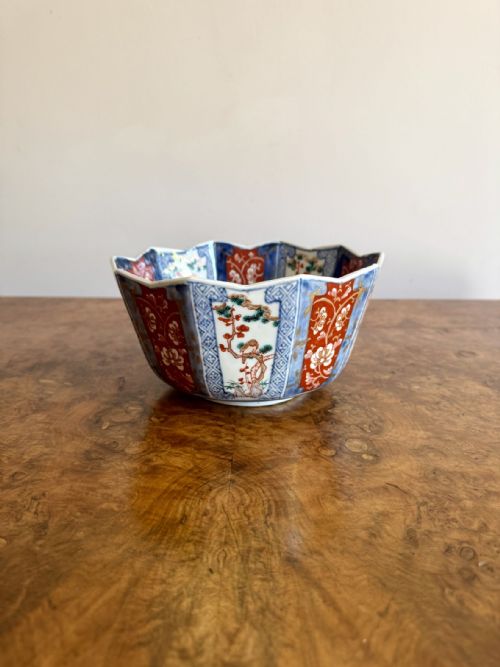

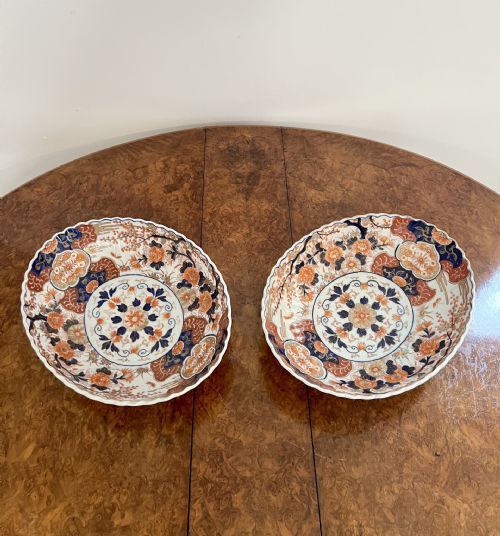


Scalloped Ceramic Bowl
A scalloped ceramic bowl offers shaped edges and painted surfaces that anchor a table setting or display cabinet.
Scalloped Ceramic Bowl
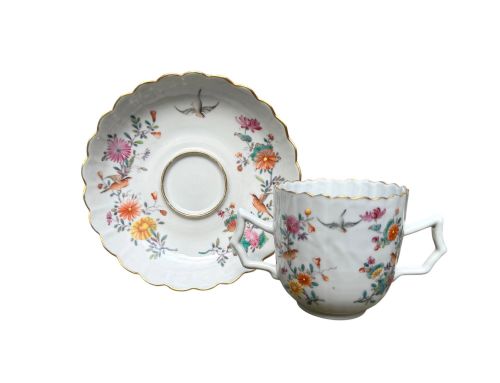
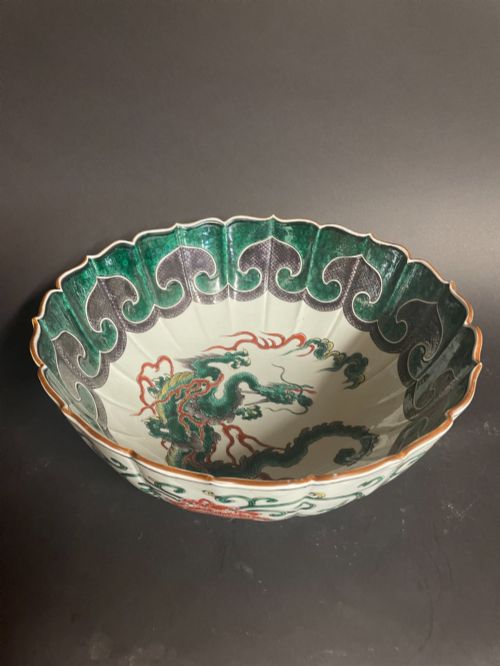
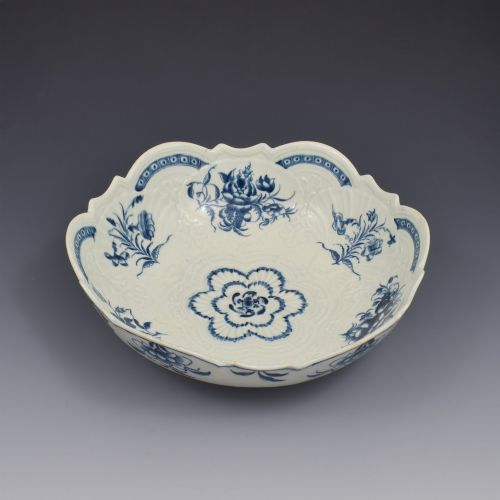
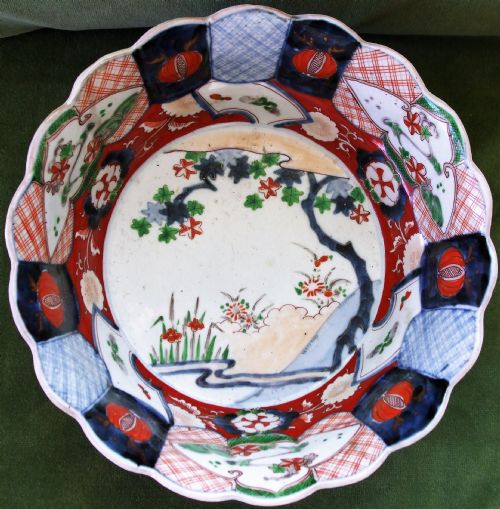
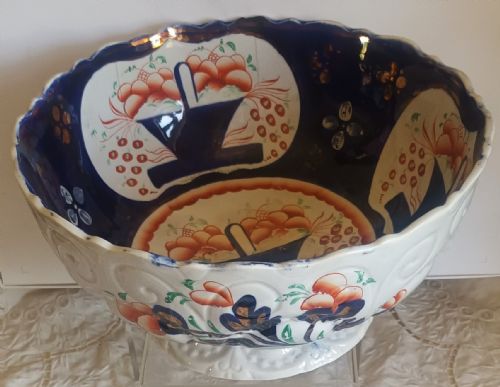
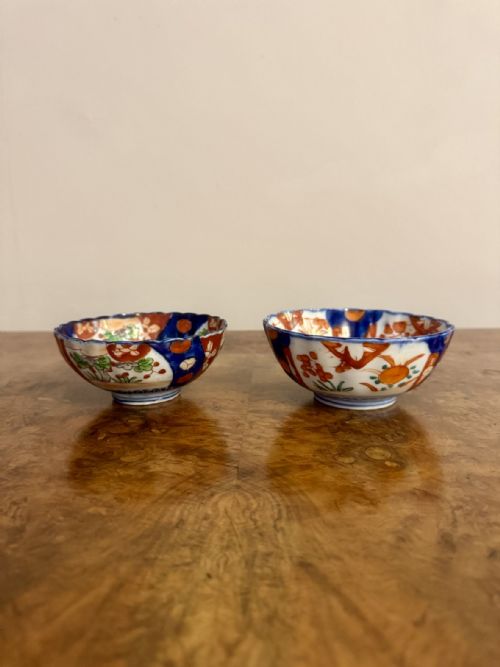
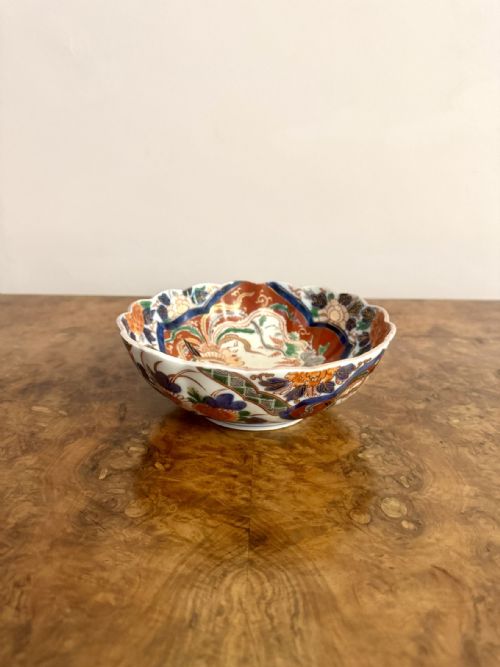
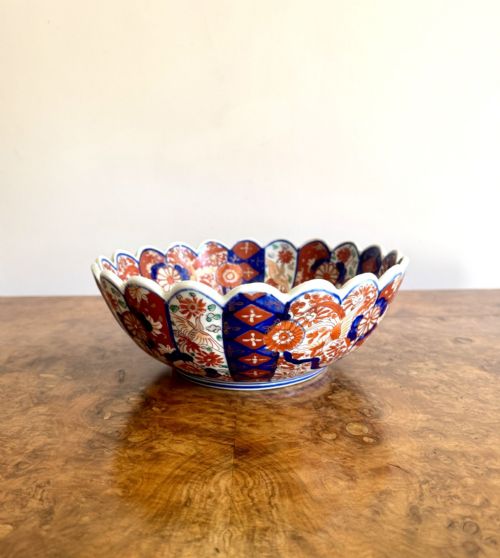
A scalloped ceramic bowl draws the eye through moulded or lobed rims that depart from standard circular geometry. When searching for a scalloped ceramic bowl, buyers frequently encounter Japanese Imari porcelain pieces from around nineteen hundred alongside earlier European earthenwares and porcelains.
The selection spans centuries, touching on eighteenth-century Chinese export wares, nineteenth-century Victorian pottery, and early twentieth-century decorative vessels. Forms range from deep footed basins and jardinières to shallower display dishes and plates with fluted borders.
Origins stretch across British, European, and East Asian traditions, reflecting varied kiln technologies and aesthetic priorities. Japanese Imari wares dominate the current selection, bringing distinct iron-red and cobalt-blue palettes to the table.
Materials and Construction
Potters shaped these vessels using hard-paste porcelain, soft-paste porcelain, and earthenware bodies, depending on the manufacturing centre and period. The clay was thrown or moulded to create the characteristic lobed profiles before undergoing initial firing.
Glazes provided a vitreous surface, often enriched with underglaze cobalt blue, enamel colours, and occasional applications of gold leaf or gilding. Enamels were fixed in subsequent lower-temperature kiln firings to bond the decorative pigments permanently to the glazed surface.
Listings feature Japanese Imari porcelain alongside British earthenware from the Victorian period and Chinese export porcelain.
Markers of Quality
Quality rests in the crispness of the moulded rim and the precision of the hand-painted details. Superior pieces display deliberate brushwork and vibrant, stable enamels that sit evenly across the ceramic body.
The balance of the form and the clarity of the underlying paste distinguish finer examples from standard utilitarian wares. Makers who controlled kiln temperatures with greater precision achieved more consistent glazes and crisper cobalt tones.
Hododa Yokohama·Doulton Burslem·Chamberlain Worcester·Dr Wall Worcester·Meissen
The Scalloped Ceramic Bowl Glossary
- Imari
- A style of Japanese porcelain featuring a palette of underglaze cobalt blue, iron-red, and gilt highlights. These wares were heavily exported to Europe from the seventeenth century onward.
- Soft-paste porcelain
- A ceramic composition containing glass frit or white clay that vitrifies at lower temperatures than true hard-paste porcelain. It often exhibits a warmer tone and a softer glaze surface.
- Junket dish
- A shallow vessel traditionally used for serving curdled milk desserts or cream dishes. They frequently feature moulded or fluted borders suited to formal table service.
- Toleware
- Painted or enamelled sheet metalware shaped into decorative household objects. While not ceramic, similar shaped bowls appear in comparable nineteenth-century settings.
- Famille rose
- A palette of opaque enamel colours dominated by pink or rose shades, introduced to Chinese porcelain production during the Qing dynasty.
Scalloped Ceramic Bowl: Frequently Asked Questions
How are antique scalloped bowls best displayed?
These bowls sit well on wooden sideboards or inside glass-fronted cabinets where their shaped rims catch the light. Deeper basins function effectively as centrepieces for holding dried florals or decorative items.
Shallow dishes and plates with fluted edges can also be mounted on wire display stands for wall or shelf presentation.
What defines Japanese Imari style?
Japanese Imari relies on a distinct combination of underglaze cobalt blue and iron-red enamel, frequently accented with gold leaf. The designs often incorporate floral panels and brocade motifs.
This aesthetic was widely produced in Japan for both domestic use and export to Western markets throughout the Meiji period and earlier.
How do I date an 18th-century porcelain bowl?
Dating relies on examining the characteristics of the paste, glaze pooling, and painting style typical of specific kiln periods. Eighteenth-century pieces often display unglazed foot rims showing the raw body material and hand-mixed pigments.
Factory marks, where present, help narrow down the decade of production, though many export wares remained unmarked.
Can these antique bowls be used for food?
Most antique ceramic bowls are intended primarily for display rather than modern culinary service. Enamels and gilding applied over the glaze can be sensitive to acidic foods and frequent washing.
Gentle hand washing in lukewarm water without abrasive detergents preserves the painted surfaces of older porcelain and pottery.