
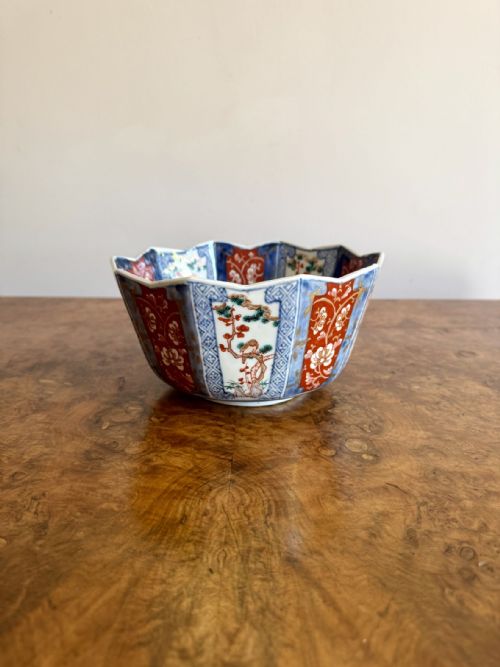


Asian Art Bowl
These pieces known as an asian art bowl span centuries of diverse craftsmanship from China and Japan, offering tangible history and refined decoration for any collector.
Asian Art Bowl
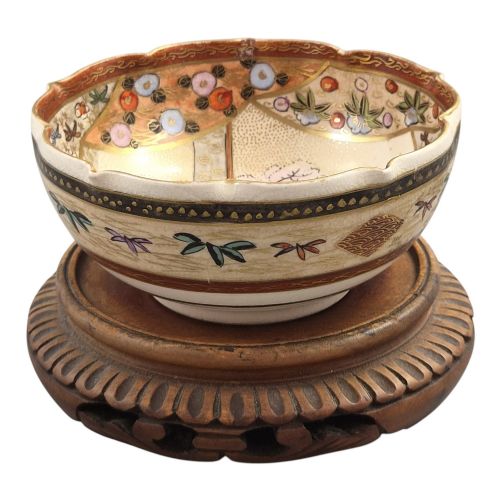
When you search for an asian art bowl, you encounter a varied assortment of decorative vessels originating from Chinese and Japanese traditions across multiple centuries. These objects range from robust Ming dynasty punch bowls to delicate Satsuma wares produced during the Meiji and Edwardian periods.
The selections on this page lean heavily towards nineteenth-century production, alongside earlier seventeenth-century porcelain and eighteenth-century bronze examples. Forms include shallow dishes, scholar's brush washers, and large decorative bowls intended for display.
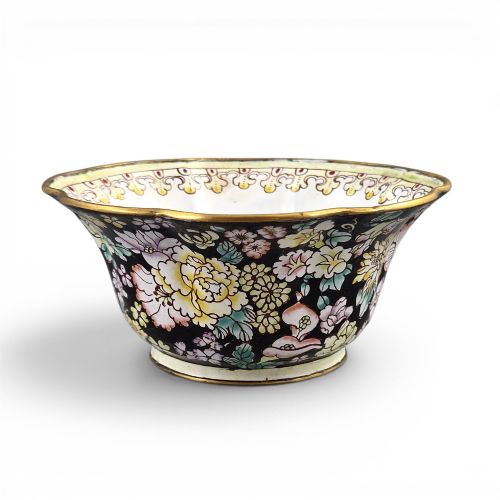
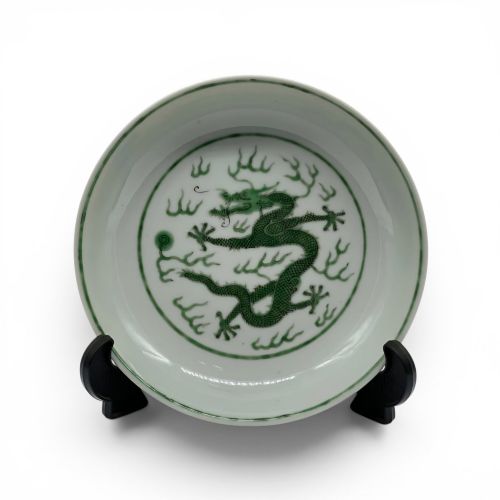
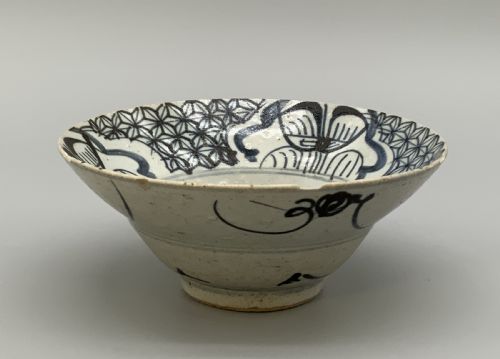
Chinese and Japanese workshops dominate the offerings, utilising distinctive regional styles such as Japanese Imari, Chinese Canton painted enamel, and classical Qing dynasty doucai decoration. Each piece reflects the aesthetic priorities of its specific period of origin.
How they were made
Makers shaped these objects from porcelain, earthenware, copper, buffalo horn, and bronze, applying surface finishes like enamel, cobalt blue glaze, and gold leaf. Copper serves as the foundation for painted enamels, while porcelain forms the basis for substantial Ming and Qing dynasty vessels.
Techniques involve intricate hand-painting, cloisonne wirework, carving in hardwood and horn, and the application of gilt highlights. Artisans in Kyoto and Yokohama utilised specialised kilns and metalworking methods to achieve precise coloration and surface detail.
Buffalo horn doubles as high art when carved into a scholar's brush washer for late Qing literati.
What varies in quality
Quality rests upon the precision of the hand-painting, the complexity of the glaze or enamel work, and the integrity of the material structure. Finer examples display disciplined brushwork, controlled firing temperatures, and sophisticated integration of motifs such as dragons and peonies.
The presence of artist signatures, distinct period marks, and superior mounting or stands elevates certain pieces above standard decorative wares. Material selection, such as heavy-gauge copper for enamels or resonant bronze for archaic vessels, dictates the overall execution.
Hododa·Kinkozan
The Asian Art Bowl Glossary
- Imari
- A type of Japanese porcelain decorated in underglaze blue, iron red, and gold, highly popular for export. It provides strong visual contrast on large decorative bowls.
- Satsuma
- A style of Japanese earthenware featuring a fine ivory crackle glaze decorated with polychrome enamels and gilt. Kyoto and Yokohama workshops produced notable examples.
- Doucai
- A Chinese porcelain technique where outlines are painted in underglaze blue, filled in with overglaze enamels, and fired a second time. This method creates vibrant contrasting patterns.
- Cloisonne
- Enamelling work where metal strips form compartments to hold coloured glass paste before firing. This technique produces durable patterned surfaces on metal vessels.
- Scholar's object
- Scholar objects are implements and desk items used by traditional East Asian intellectuals and literati. Examples include carved brush washers made from horn.
Asian Art Bowl: Frequently Asked Questions
How do I date an asian art bowl?
Dating relies on identifying stylistic markers, reign marks, material composition, and manufacturing techniques characteristic of periods like the Meiji era or Ming dynasty.
Examining the base, glaze consistency, and application of pigments helps distinguish between seventeenth-century examples and late nineteenth-century productions.
Were these bowls used daily?
Many bowls served practical purposes in domestic or scholarly settings, such as holding water for calligraphy brushes or serving punch at table.
Others functioned purely as decorative display items within elite interiors, reflecting the high status of their owners.
How should I care for an asian art bowl?
Preserve these objects by dusting gently with a soft, dry cloth and avoiding harsh chemical cleaners or abrasive materials that damage fragile enamels and gilt.
Display them away from direct sunlight and rapid temperature fluctuations to protect organic elements like horn and delicate glaze surfaces.