



Satsuma Earthenware Pottery
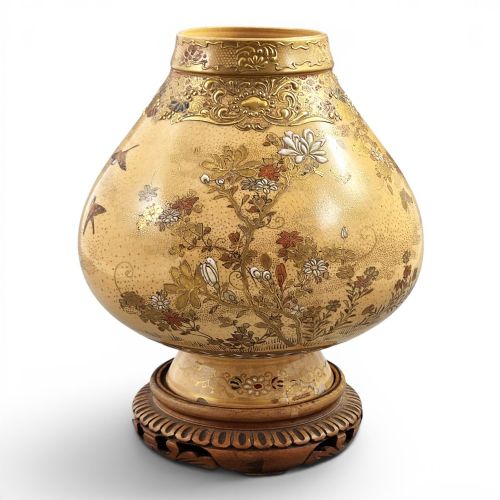
Satsuma earthenware pottery offers intricate hand-painted narratives and gilded surfaces that bring traditional Japanese artistry into any room.
Satsuma Earthenware Pottery
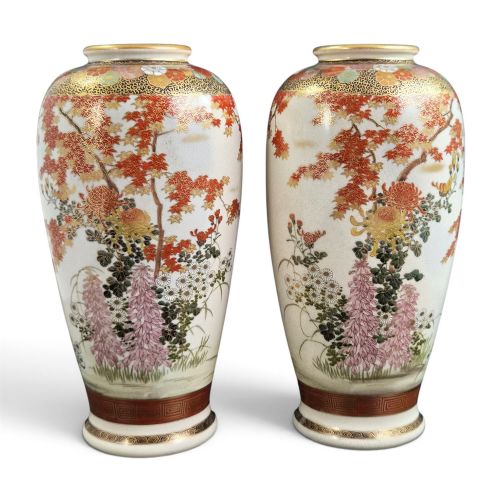
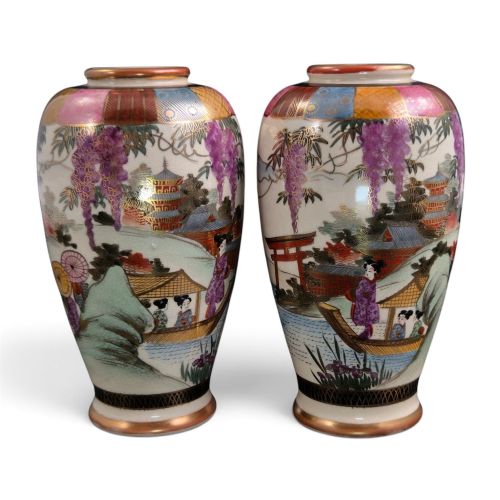
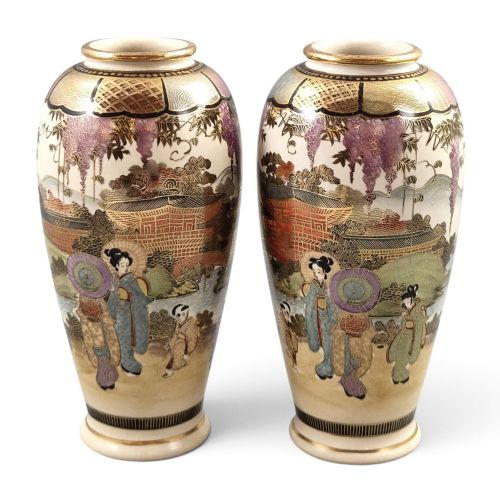
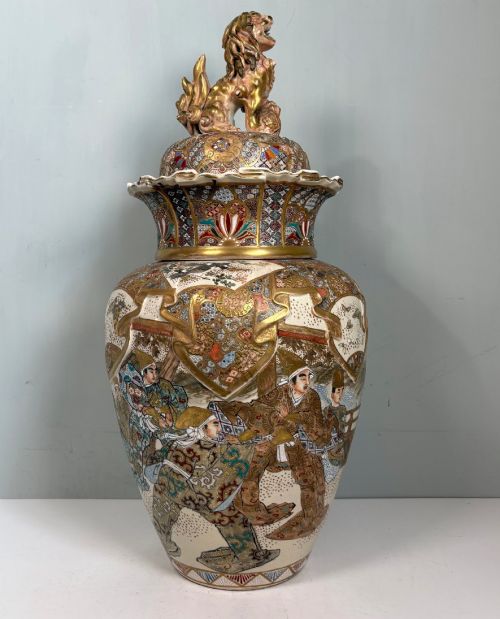
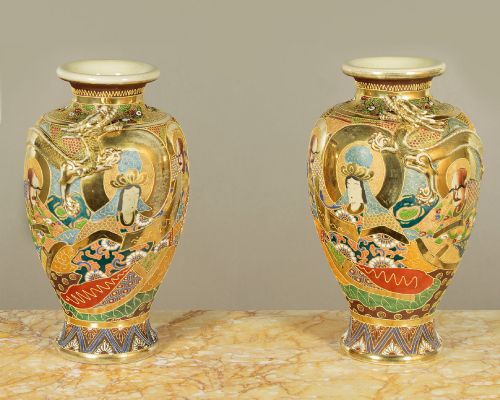
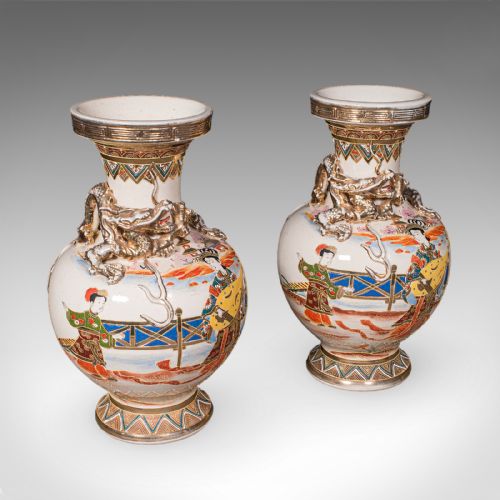
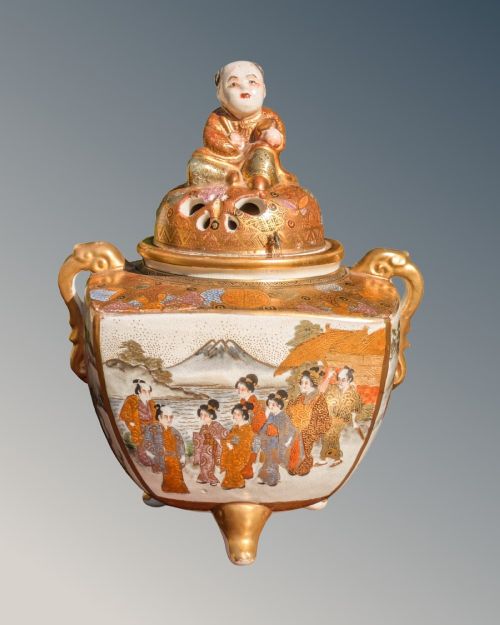
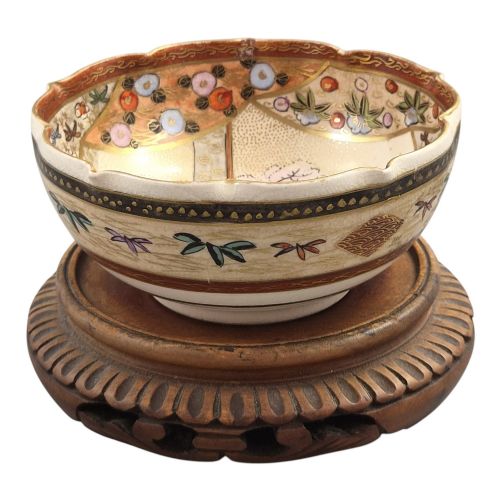
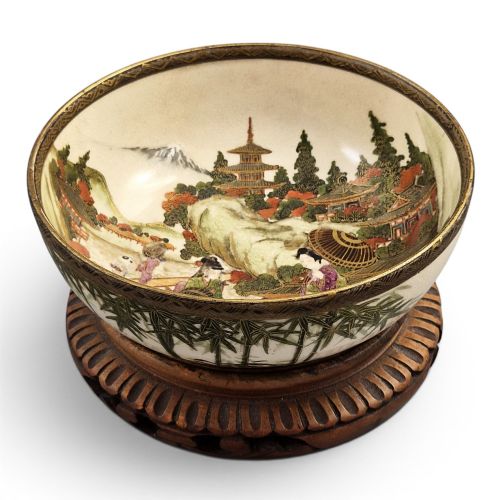
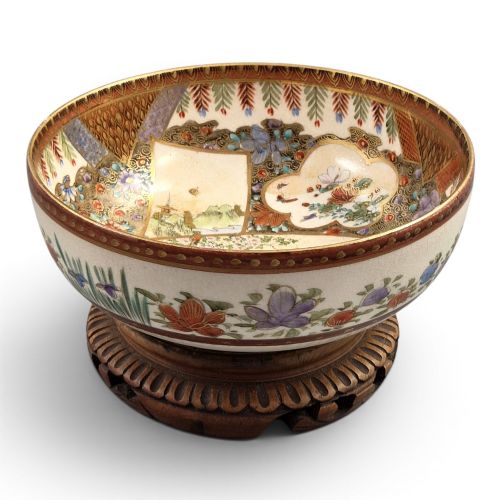
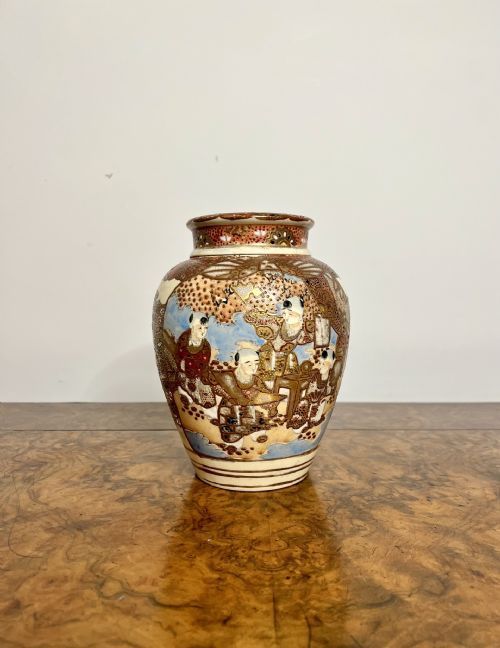
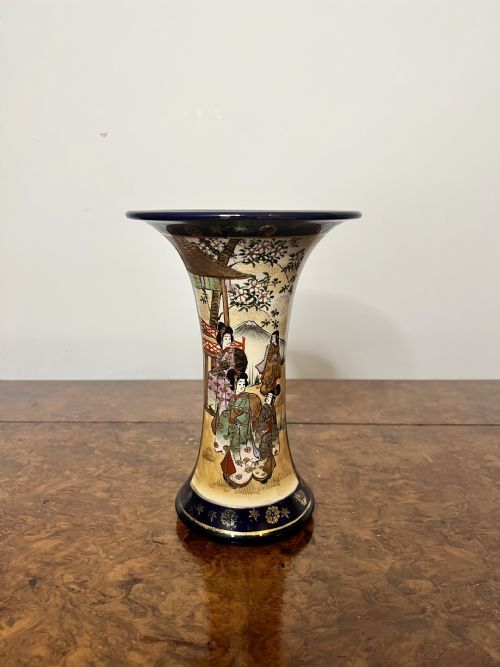
When you search for satsuma earthenware pottery, you encounter a distinct category of Japanese ceramic art primarily originating from the Meiji period through to the Taisho and Showa periods. These objects span a variety of domestic and decorative vessel forms, including vases, ginger jars, teacups, small bowls, and incense burners.
The pieces you are most likely to meet on this page date from the late nineteenth century to the early twentieth century. They showcase traditional motifs such as court figures, landscapes, flora, and fauna rendered in rich detail.
Makers from historic pottery centres like Kyoto produced many of the finest surviving examples. These ranged from miniature vases to monumental vessels designed for both export and domestic appreciation.
Materials and Technique
The foundation of satsuma earthenware pottery is a porous, cream-coloured clay body covered with a finely crackled transparent glaze. Artisans then applied detailed enamel painting over this glazed surface to create rich figurative and botanical scenes.
Makers integrated generous amounts of gold leaf, gilding, and raised enamel work known as moriage to highlight key elements of the design. This combination of ceramic body, enamel, and gold creates the signature textured finish characteristic of the style.
Listings feature items from the 19th Century, Edwardian era, and the Meiji, Taisho, and Showa periods.
Assessing Quality and Execution
Quality in satsuma earthenware pottery rests on the precision and fineness of the brushwork and the complexity of the composition. Pieces created by notable workshops and signed by master artists demonstrate superior control over minute details, facial expressions, and narrative depth.
The application of the gilding and enamels further distinguishes the range, with superior items maintaining crisp lines and a balanced interplay between the metallic highlights and the painted background. The fineness of the underlying earthenware body and the evenness of the crackle glaze also contribute to the distinction between standard production items and masterwork pieces.
Kinkozan Workshop·Koshida·Shozan·Kizan·Kozan·Hotoda·Kinzan·Ryuzan·Chosei·Nanzan
The Satsuma Earthenware Pottery Glossary
- Earthenware
- Porous ceramic pottery fired at lower temperatures, forming the base body for satsuma wares before glazing and decoration.
- Koro
- A traditional Japanese incense burner, often featuring three legs and a pierced cover, frequently rendered in satsuma ceramic.
- Moriage
- A decorative technique using piped clay to create raised relief patterns on pottery before enamelling and gilding.
- Natsume
- A small tea caddy used in Japanese tea ceremonies, often cylindrical or rounded in form.
- Gilding
- The application of gold leaf or gold paint to highlight specific decorative elements on the ceramic surface.
Satsuma Earthenware Pottery: Frequently Asked Questions
What is satsuma earthenware pottery?
Satsuma earthenware pottery is a traditional Japanese ceramic ware distinguished by its ivory-coloured, crackle-glazed body and elaborate polychrome enamel decorations enriched with gold.
Originating in the Satsuma Province, the style evolved significantly during the Meiji period when Kyoto workshops perfected the intricate miniature painting techniques seen on most antique pieces today.
How were these ceramic vessels used?
These vessels served both decorative and functional purposes in traditional Japanese settings and international export markets. Items such as koro functioned as incense burners, while tea caddies and bowls were integrated into daily rituals and formal gatherings.
Larger vases and decorative plates were primarily intended to display artistic mastery and status within affluent homes, showcasing elaborate narratives of court life and mythology.
How can I identify Meiji period pieces?
Meiji period pieces often feature artist signatures or workshop marks on the base alongside dense, highly detailed figural or botanical scenes. The combination of fine crackle glaze, cobalt blue grounds, and raised gold moriage work is characteristic of this era of production.
Comparing the fineness of the brushwork and the weight of the ceramic helps distinguish these late nineteenth-century items from later twentieth-century decorative reproductions.