



Satsuma Ceramic Urn
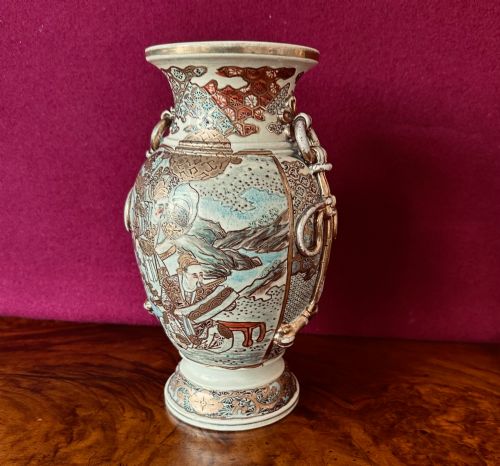
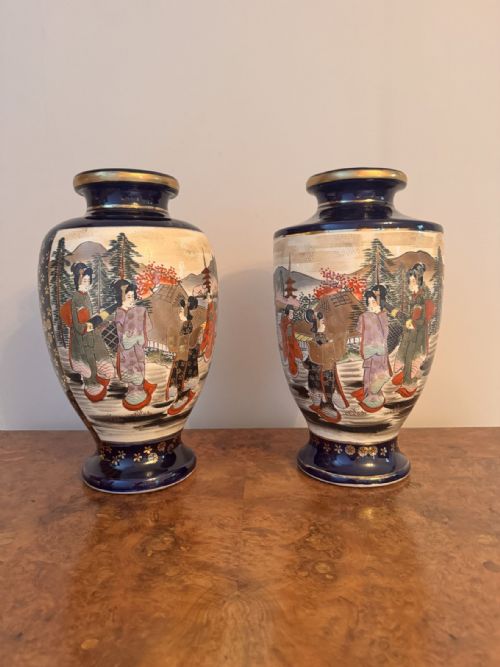
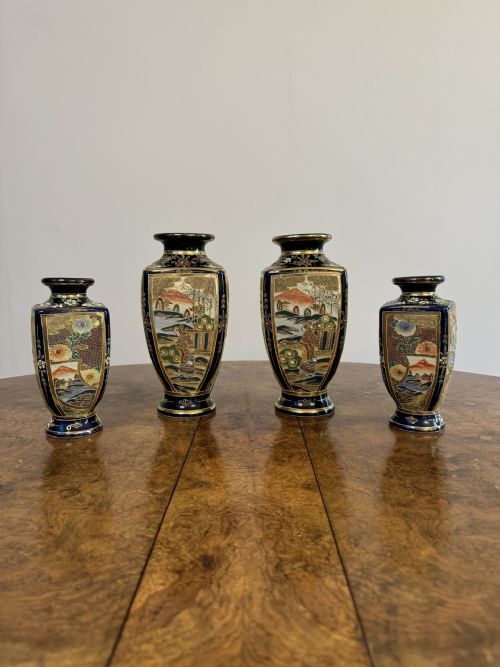
These pieces are a satsuma ceramic urn, bringing intricate hand-painted narratives and golden detail into rooms that lean toward traditional or eclectic design.
Satsuma Ceramic Urn
A satsuma ceramic urn typically takes the form of a baluster vase, ginger jar, or incense burner made in Japan across the late nineteenth and early twentieth centuries. These vessels emerge during the Meiji, Taisho, and Showa periods, reflecting both traditional motifs and the tastes of Western export markets during the Victorian and Edwardian eras.
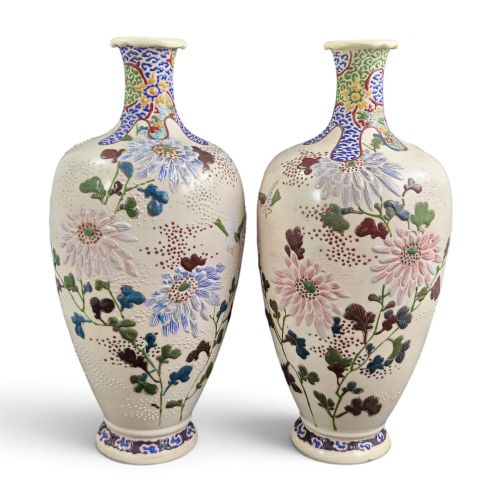
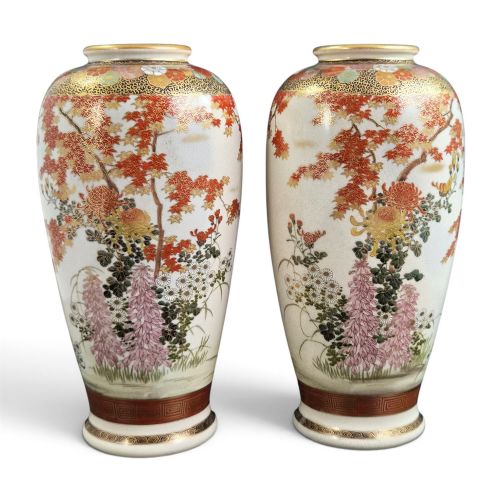
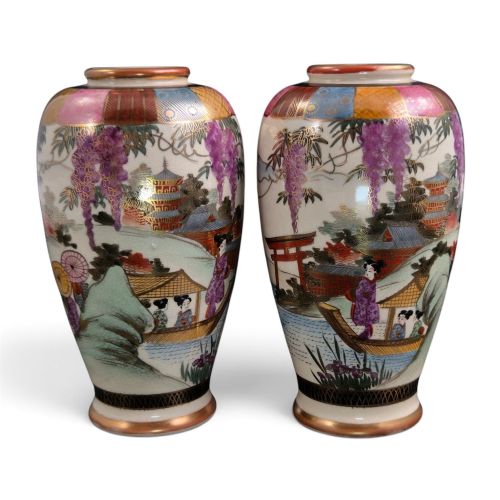
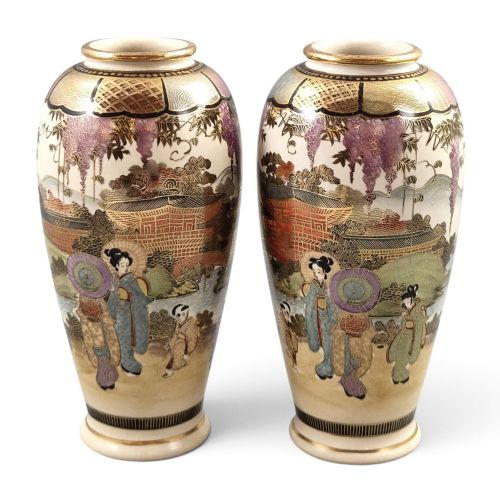
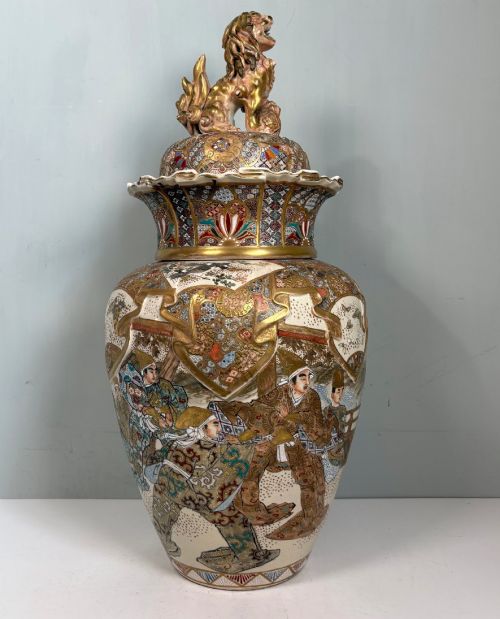
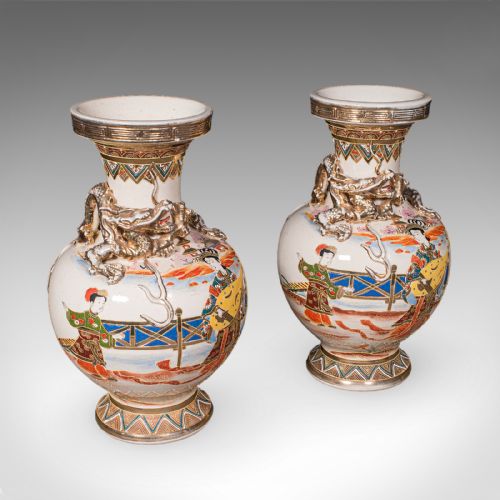
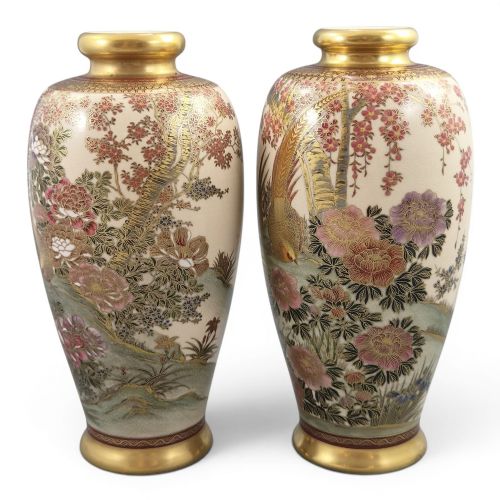
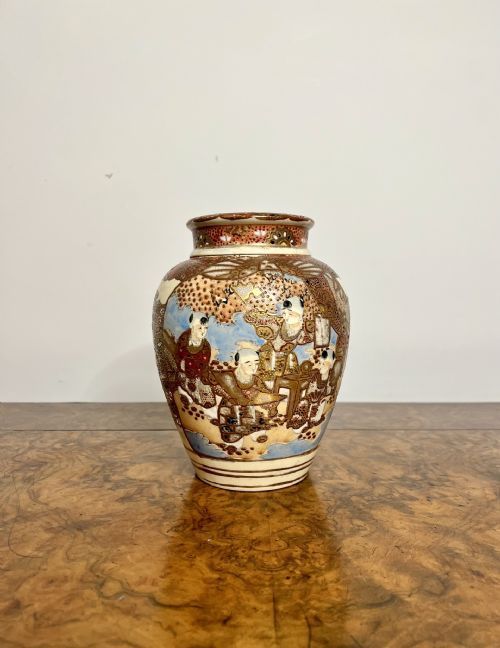
Makers shaped these items using earthenware clay before applying a signature crackle-glaze finish that forms the canvas for elaborate pictorial scenes. The most common examples encountered on this page are pairs of decorative vases and lidded jars depicting court figures, landscapes, or thousand butterflies.
Beyond standard display vases, the selection includes converted table lamps and smaller miniature vessels created for close appreciation. Each piece bridges Japanese ceramic traditions with the decorative ambitions of the late nineteenth and early twentieth centuries.
How they were made
Potters formed the body from cream-coloured earthenware, covering it with a transparent glaze that developed a fine network of cracks during cooling. Artisans then painted intricate designs using mineral pigments alongside heavy applications of gold leaf and gilt.
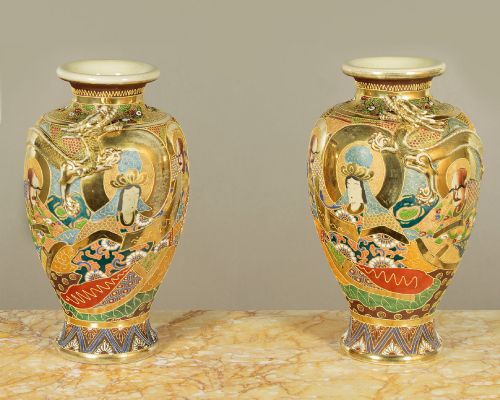
Relief work known as moriage built up raised dots and lines of slip to give robes, dragons, and floral details a tactile dimension. Workshops in Kyoto and Kobe employed specialised painters to execute densely populated figural scenes and precise botanical borders.
The inventory spans diverse forms including ginger jars, incense burners, and table lamps bearing the Shimazu crest.
What varies in quality
The precision of the brushwork and the density of the gilding set superior examples apart from standard production pieces. Master workshops employed finer lines and more subtle facial expressions on court figures and arhats.
The clarity of the crackle-glaze and the complexity of the moriage relief work indicate the skill of the makers. Monumental scale combined with signed panels by prominent Kyoto houses demonstrates the highest tier of production.
Kinkozan·Maruni Kobe·Shozan·Manpei·Hotoda·Chosei·Nanzan·Seiko-en Chokei·Yamashu·Kizan·Hakusan·Tagawa·Tashiro
The Satsuma Ceramic Urn Glossary
- Moriage
- A decorative technique using raised slip to create tactile, bead-like patterns on ceramics. It adds texture to robes, foliage, and borders.
- Meiji Period
- The era in Japanese history spanning from 1868 to 1912. It produced the most celebrated and intricately painted export ceramics.
- Koro
- A traditional Japanese incense burner fitted with a pierced cover. These tripod vessels often feature temple dog finials.
- Shimazu Mon
- The family crest of the Shimazu clan featuring a cross within a circle. It frequently appears on the base of Satsuma wares.
- Baluster
- A vase shape with a rounded body that tapers towards the base and neck. This classic silhouette supports elaborate figural panels.
Satsuma Ceramic Urn: Frequently Asked Questions
How do I care for satsuma ceramic urns?
Dust these vessels gently with a dry, soft cloth to protect the delicate gilding and raised enamel work from abrasion.
Keep them away from direct sunlight and moisture to preserve the stability of the earthenware body and the fine crackle-glaze surface.
What do the figural scenes represent?
The painted panels frequently depict historical court figures, family gatherings, landscapes, and legendary arhats surrounded by dragons.
Other common motifs include wisteria gardens and thousands of butterflies symbolising longevity and joy.
How do I distinguish Meiji pieces from later ones?
Meiji period vessels generally feature denser hand-painted detail, finer moriage work, and signature artist marks from Kyoto or Kobe workshops.
Later Taisho and Showa examples often display broader brushstrokes and simplified decorative borders.