


Fine Japanese Ceramics
Fine japanese ceramics bring exceptional artistry to a room through intricate porcelain, earthenware and cloisonné enamel created across centuries.
Fine Japanese Ceramics
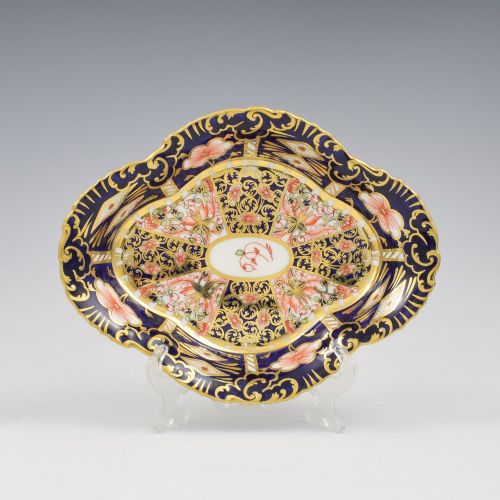
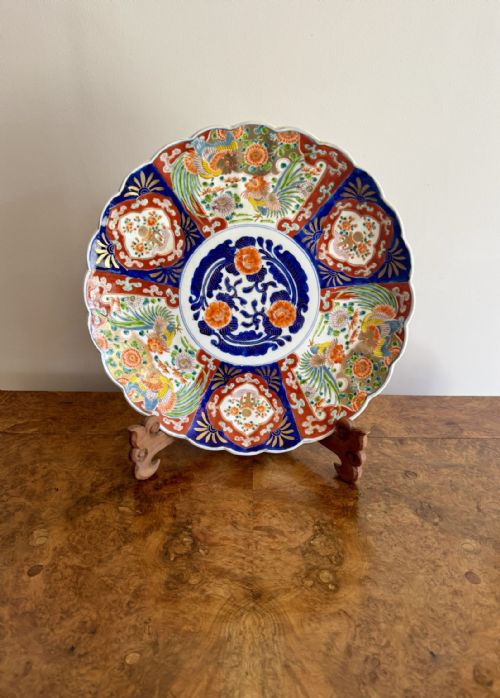
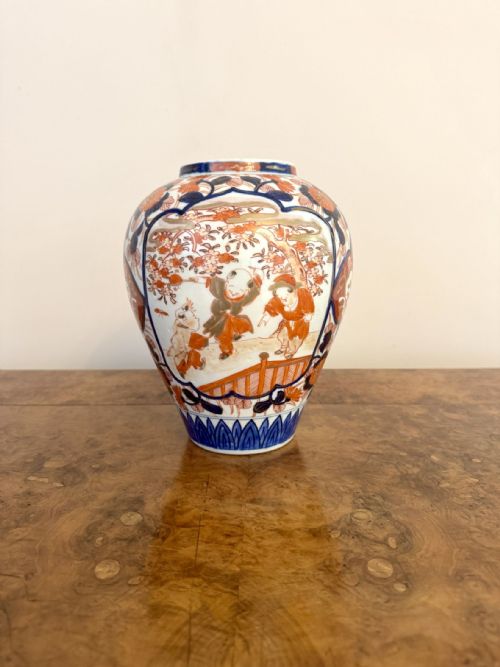
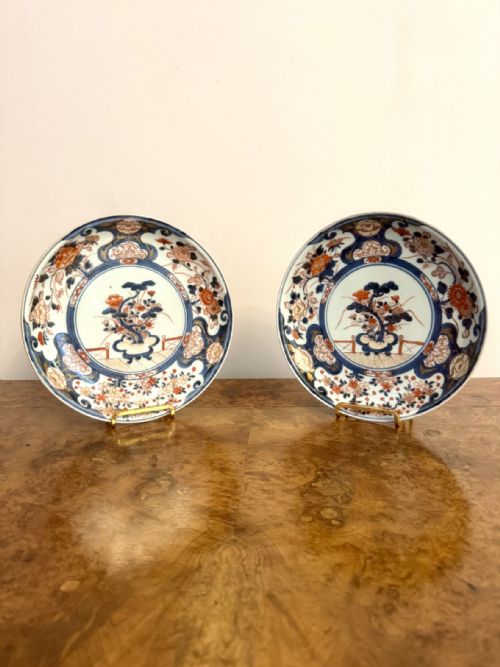
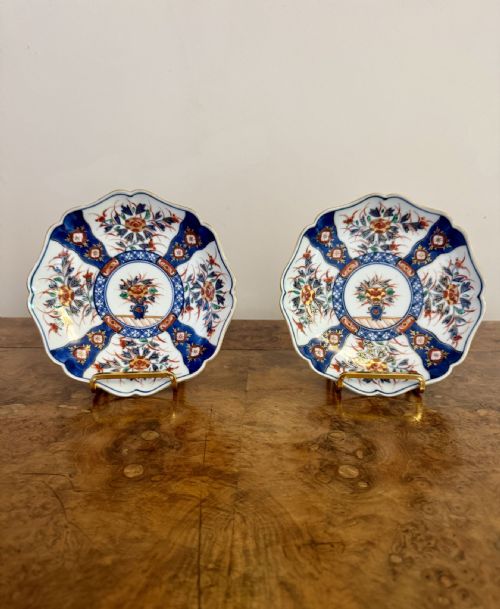
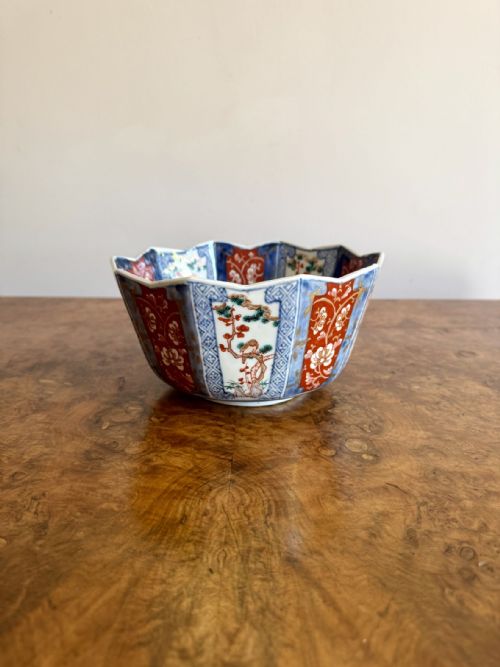
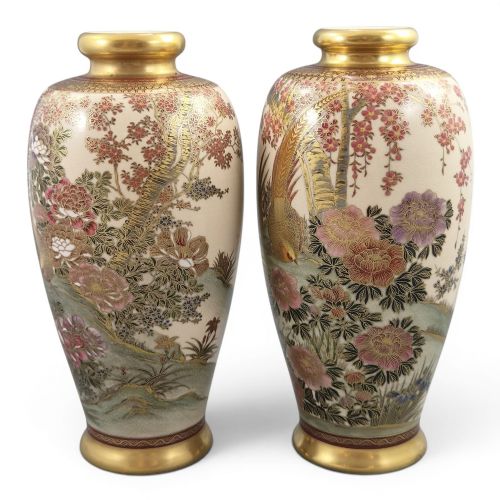
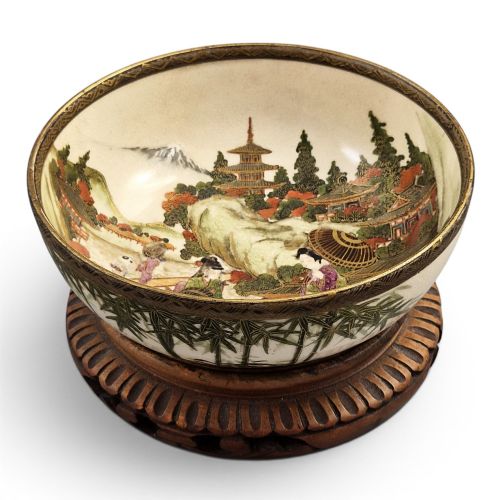
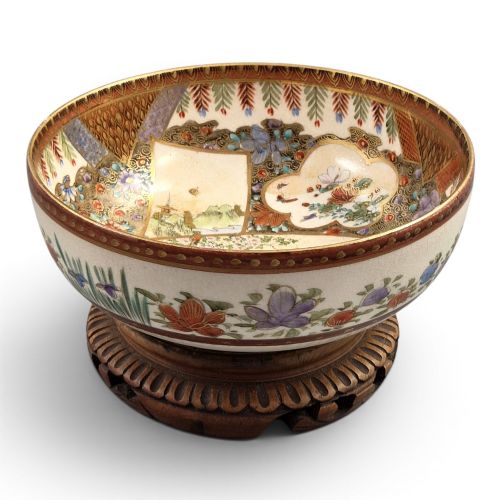
Fine japanese ceramics encompass a rich variety of decorative vessels, plates, bowls and planters produced across the nineteenth and twentieth centuries. Buyers seeking these works encounter distinct aesthetic traditions ranging from vibrant Imari porcelain to finely painted Satsuma earthenware.
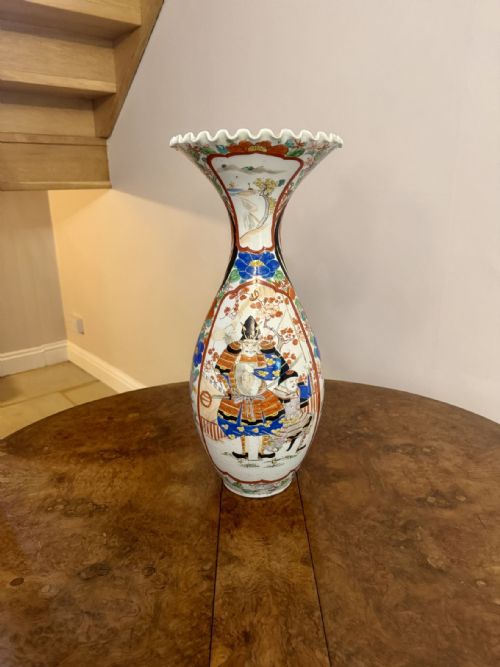
The selection frequently highlights pieces from the Meiji period alongside earlier Ming Dynasty examples and later Showa period creations. Vases, dishes and Jardinieres dominate the forms, reflecting the diverse utility and ornamental appeal prized by collectors.
How they were made
Potters and artisans utilised porcelain and earthenware as foundational bases, shaping vessels by hand or wheel before applying detailed decoration. Enamel, gold leaf, and gilt provide rich surface textures and metallic accents across the bodies of the objects.
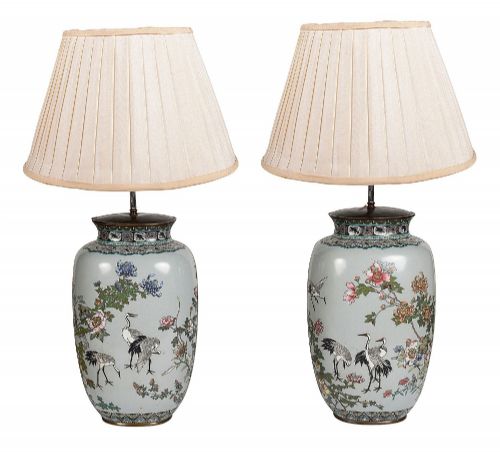
Cloisonné enamel pieces incorporate fine metal wires to partition areas filled with coloured paste, creating complex geometric and pictorial designs. Specialised techniques in cobalt painting and moriage relief further define the surface execution of these works.
One determined Shishi ceramic lion stands ready to ward off evil spirits from any bookshelf lucky enough to host it.
What varies in quality
Quality rests in the precision of the brushwork and the complexity of the decorative motifs executed across the surface. Pieces featuring refined signatures from notable workshops command attention for their superior compositional balance and control.
The application of gold leaf, enamel richness, and the crispness of moulded or thrown forms dictate the standing of an individual piece. Superior examples display harmonious integration between the ceramic body and its intricate surface ornamentation.
Manpei Kobe·Kozan·Kinzan·Kinkozan Circle·Chosei Kyoto·Nanzan·Yamashu·Shuzan for Yasuda·Hayakawa·Fukagawa
The Fine Japanese Ceramics Glossary
- Imari
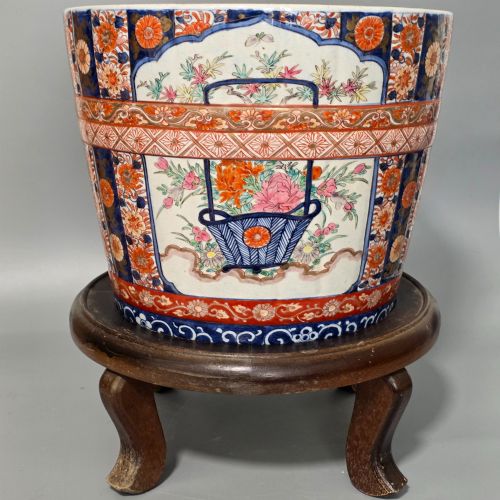
- A style of Japanese porcelain decorated in underglaze blue and overglaze red, gold, and green. These wares were widely exported and celebrated for their bold palettes.
- Satsuma
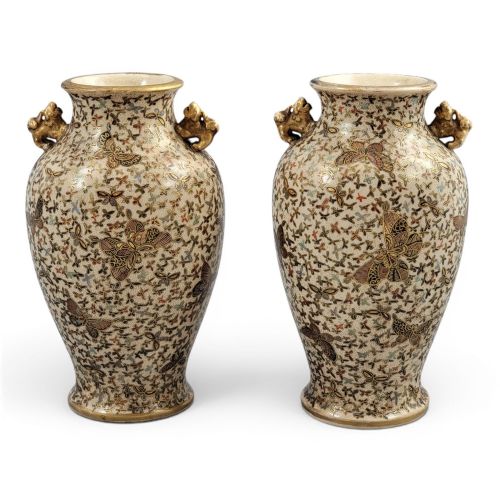
- An earthenware pottery type with a pale, ivory-crackled glaze, typically decorated with polychrome enamels and gilt. It originated in Satsuma Province and flourished during the Meiji period.
- Cloisonne
- A technique where metal wires are soldered to a metal or ceramic base to create compartments for enamel paste. These are then fired and polished to a smooth finish.
- Moriage
- A decorative ceramic technique using raised slips or enamels to create textured, bead-like patterns on the surface. It adds tactile depth to vases and bowls.
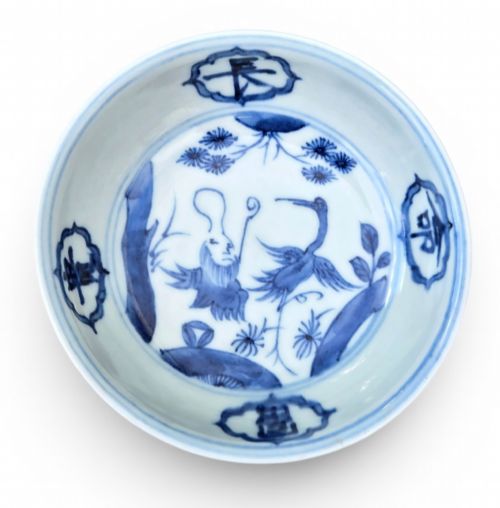
- Ming Dynasty
- A historical Chinese imperial period known for producing exceptional blue and white porcelain. Pieces from this era represent early milestones in fine ceramic craftsmanship.
Fine Japanese Ceramics: Frequently Asked Questions
How do I identify Satsuma ware?
Satsuma ware is typically recognised by its distinctive ivory-coloured earthenware body covered in a fine network of crackled glaze. The surfaces are then richly decorated with detailed figural scenes, flowers, and abundant gilt work.
Many pieces bear artist signatures or workshop marks on the base, helping to trace their origin to specific Meiji period studios in Kyoto or Satsuma Province.
Where were Imari plates displayed?
Imari plates and vases were traditionally placed in prominent reception rooms to showcase wealth and an appreciation for international craft. Their striking blue and red palettes made them ideal for mounting on walls or displaying on cabinets.
During the nineteenth century, these ceramics became central to the European taste for Japonisme, influencing interior decoration schemes across homes.
Can I use these planters for plants?
Antique jardinieres and planters were originally designed to house potted plants within domestic interiors. However, due to the delicate nature of historical enamel and earthenware bodies, direct planting is rarely advised.
Instead, place a separate inner container or liner inside the ceramic vessel to protect the antique surface from moisture and soil damage.
What defines Meiji period ceramics?
Meiji period ceramics reflect an era of intense artistic output driven by international exhibitions and opening trade relations. Artisans pushed technical boundaries, producing highly intricate Satsuma and cloisonné pieces with microscopic detail.
This era is characterised by a shift towards ornate decorative arts that balanced traditional Japanese themes with Western aesthetic preferences.