

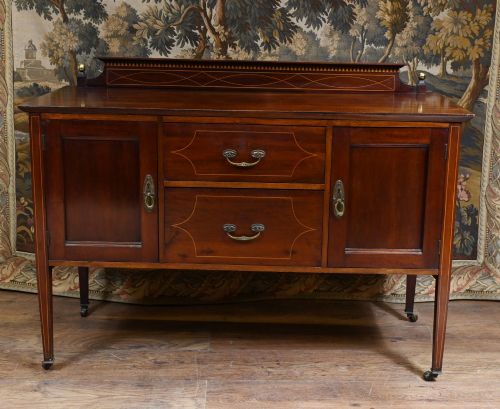


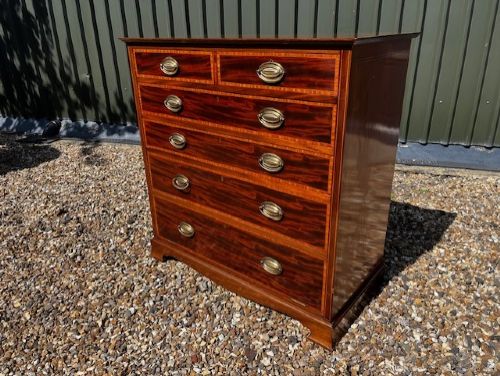


Satinwood Inlaid Drawers
Satinwood inlaid drawers bring pale timbers and crisp stringing into a room, offering both storage and a bright surface.
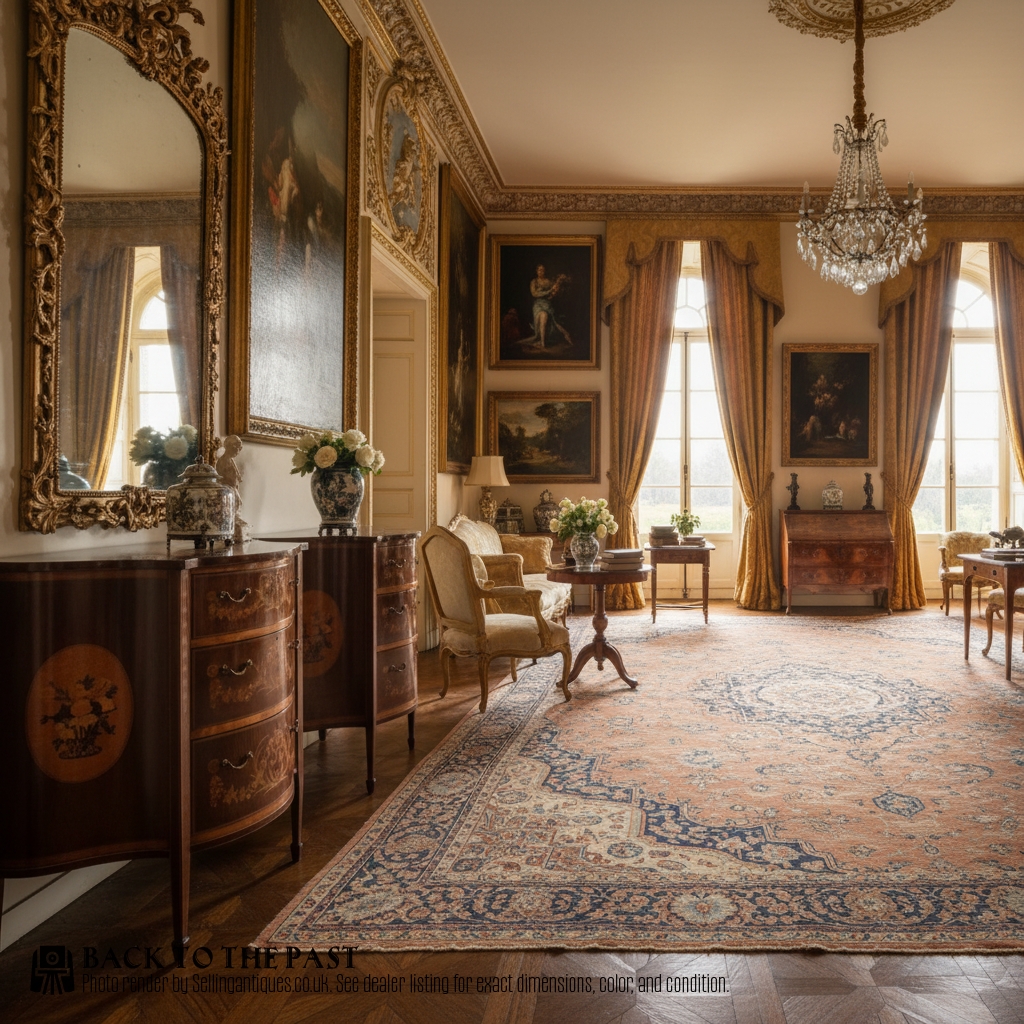
Satinwood Inlaid Drawers
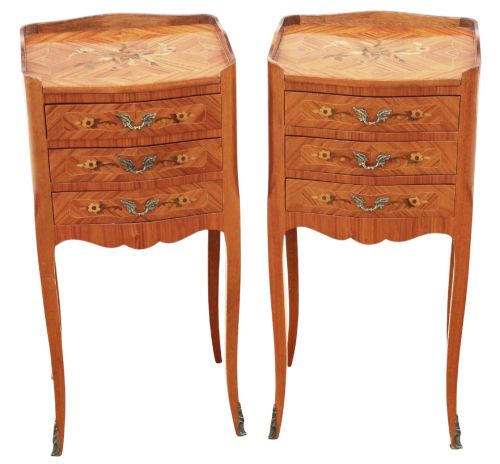
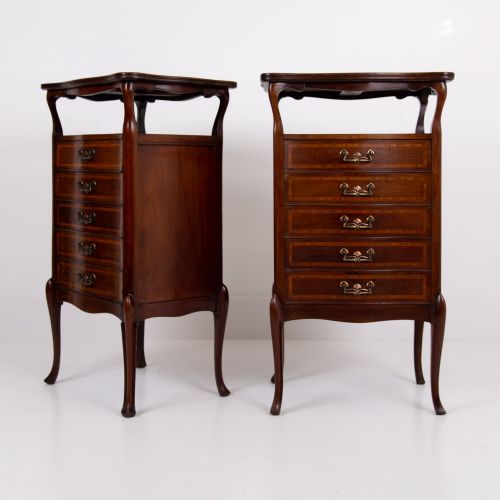
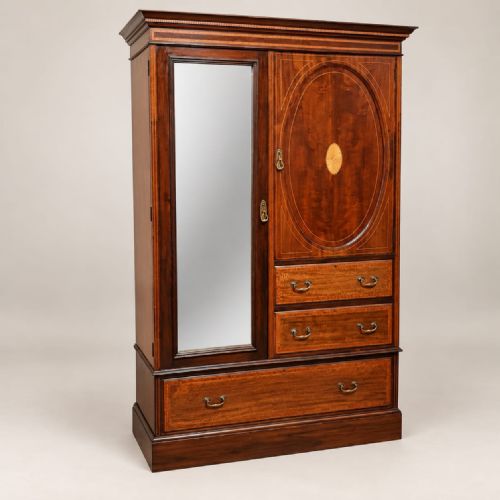
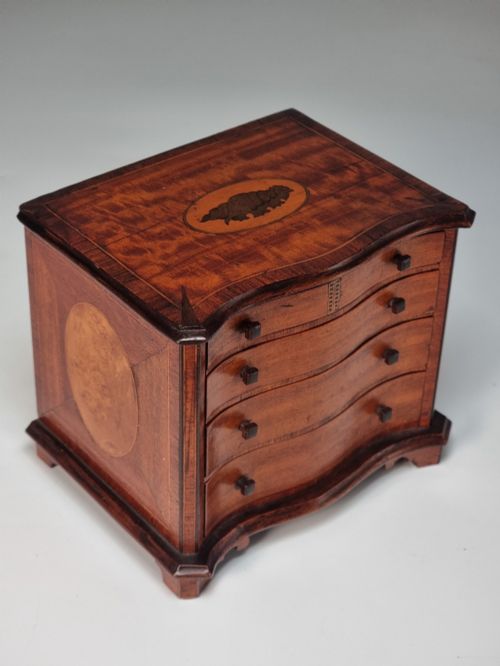
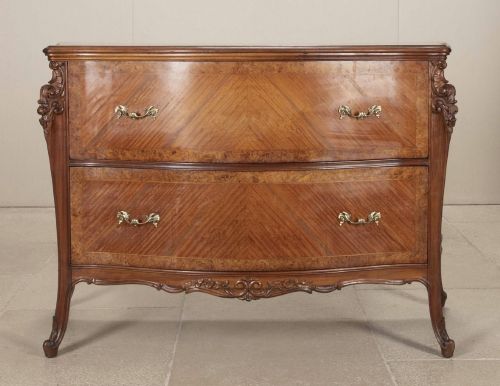
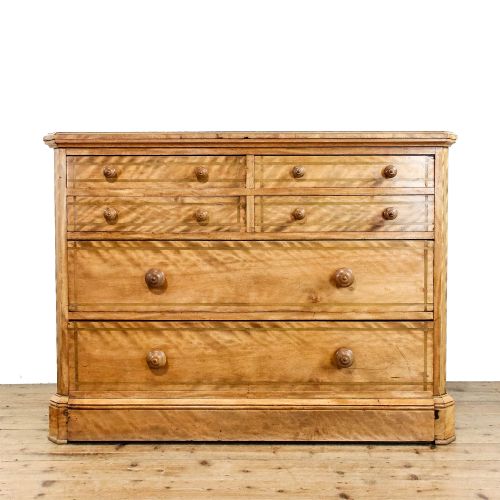
When you search for satinwood inlaid drawers, you encounter storage furniture ranging from Georgian chests to Edwardian bedside cabinets and tallboys. These pieces rely on light wood veneers and contrasting dark stringing to define their drawer fronts and surfaces.
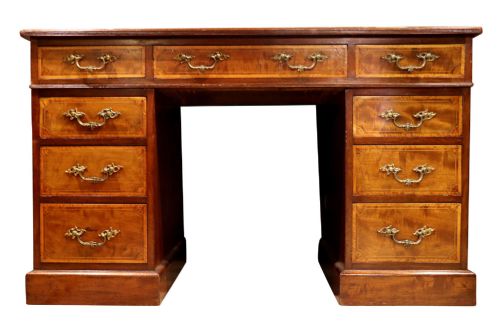
The most common form met on this page is the chest of drawers from the Victorian and Edwardian periods, often shaped with a bow-front or serpentine outline. Alongside these stand compact desks, writing tables, and occasional pieces that incorporate multiple drawers.
Originating largely from British workshops across the eighteenth, nineteenth, and early twentieth centuries, these items combine structural carcasses of mahogany or walnut with decorative satinwood panels.
How they were made
Cabinet makers utilised dense primary timbers such as mahogany and walnut for the main carcass, applying smooth satinwood veneers to the visible exterior faces. Oak frequently lines the interior of the drawers, while brass provides handles and escutcheons.
Decoration relied on fine stringing and crossbanding, embedding contrasting wood strips into shallow channels to frame the drawer fronts and tabletops. Marquetry and parquetry patterns occasionally appear alongside these geometric inlays, requiring precise hand-cutting of diverse wood species.
The documented forms span chests of drawers, pedestal desks, writing tables, and bedside cabinets.
What varies in quality
The degree of refinement in the timber selection and inlay work separates standard utility items from exceptional commissions. Crisp, tight joints around the satinwood bandings and symmetrical grain matching on the drawer fronts indicate superior cabinet making.
The presence of original brass hardware and secondary woods like oak within the drawer construction distinguishes well-preserved examples. Greater handling skill is evident where serpentine or bow-front curves maintain smooth, unwarped drawer movement over time.
Edwards & Roberts·A. F. Lloyd·Maple & Co.·S & H Jewells·Donald Ross
The Satinwood Inlaid Drawers Glossary
- Satinwood
- A hard, durable tropical timber known for its pale yellow colour and natural sheen. It provides a luminous contrast when used for banding and drawer panels.
- Crossbanding
- A decorative border technique where veneer strips run perpendicular to the main grain of the drawer front. This frames the central panel and adds visual depth.
- Serpentine
- A front profile characterised by a convex centre flanked by concave curves. It demands advanced woodworking skill to shape accurately.
- Stringing
- Thin lines of contrasting wood inlaid into grooves on the surface of furniture. It creates delicate linear borders around drawers and tabletops.
- Commode
- A low cabinet or chest of drawers designed for domestic storage. The term often describes decorative 19th-century pieces with substantial inlay.
Satinwood Inlaid Drawers: Frequently Asked Questions
How do I clean satinwood furniture?
Dust surfaces regularly with a soft, dry cloth to prevent accumulation. Avoid modern silicone sprays or excessive moisture which can damage fragile veneer.
Apply a microcrystalline wax sparingly once or twice a year to nourish the timber and protect the finish. Buff gently with a clean cloth to maintain the natural sheen.
Are these drawers suitable for daily use?
Most pieces function well for standard clothing or desk storage when handled with reasonable care. Oak-lined drawers and solid carcasses offer sturdy everyday utility.
Antique drawer runners can wear down over decades, so avoid overloading them with heavy items. Pull drawers evenly from the centre rather than one side to prevent binding.
How do I date an inlaid chest?
Examine the secondary timbers inside the drawers, such as oak or pine, alongside the overall construction style. Georgian pieces typically feature hand-cut dovetails and simpler carcase framing.
Edwardian and Victorian examples often incorporate machine-sawn components and brighter mahogany frames. Maker stamps or labels inside the top drawers also provide definitive chronological markers.
What causes veneer to lift?
Fluctuations in room humidity and temperature cause underlying woods to expand and contract at different rates. This movement stresses the animal glues used historically, leading to loose veneer edges.
Keep pieces away from direct heat sources and radiators to stabilise the surrounding environment. Professional conservation is recommended to secure any lifting satinwood before loss occurs.