

Pair of Small Chests
A pair of small chests delivers matched storage at either side of a bed or within a compact room, bringing symmetry and period timber into domestic spaces.

Pair of Small Chests
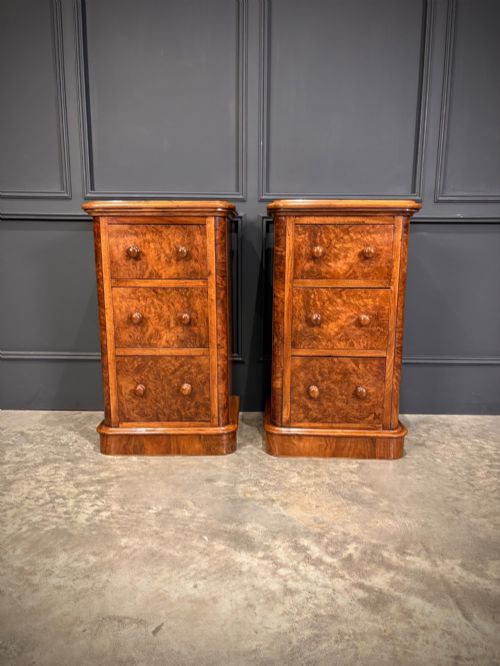
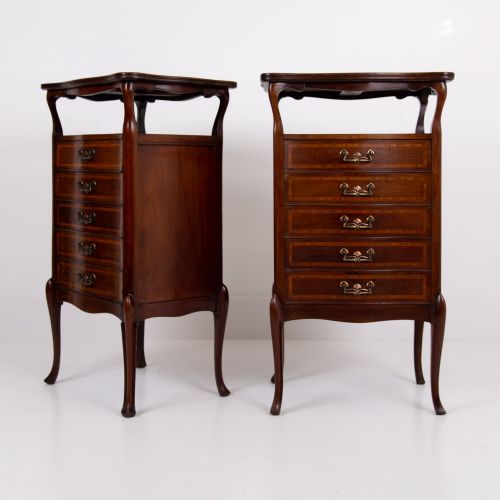
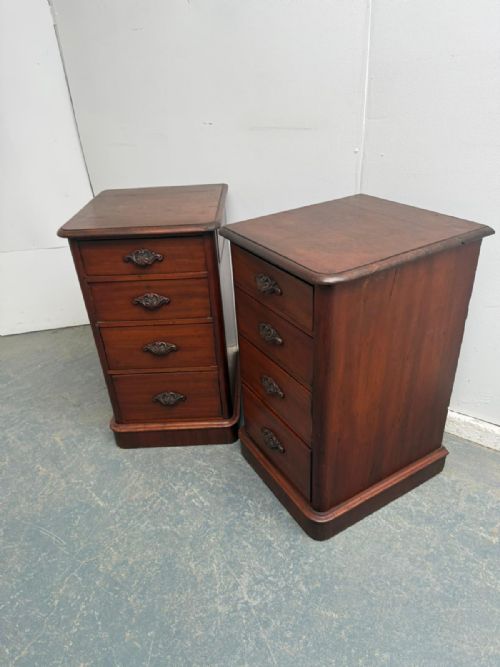
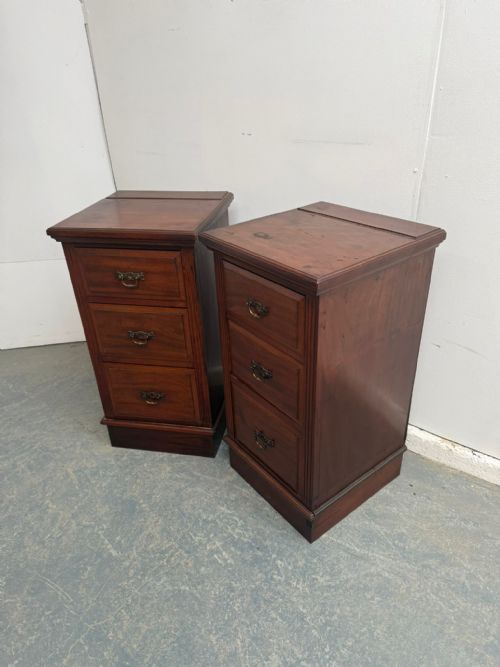
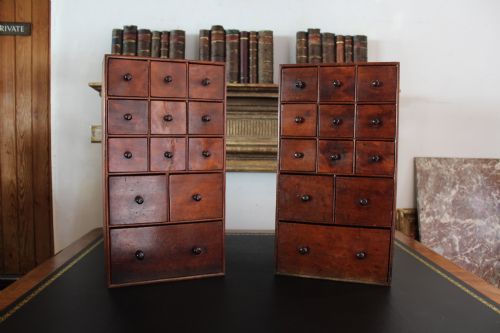
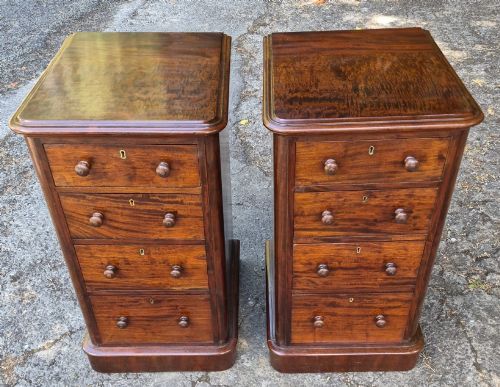
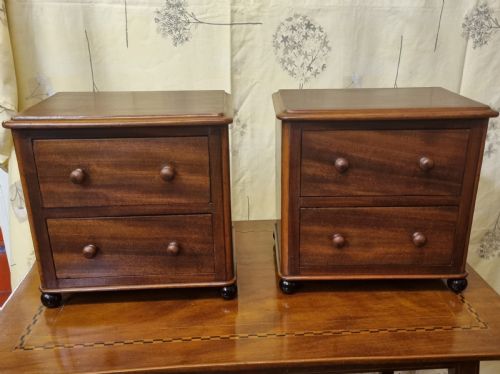
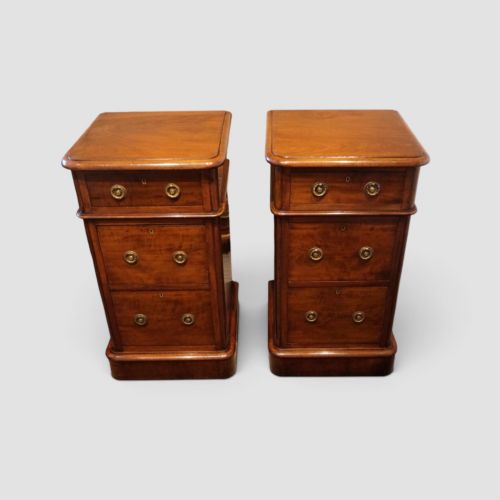
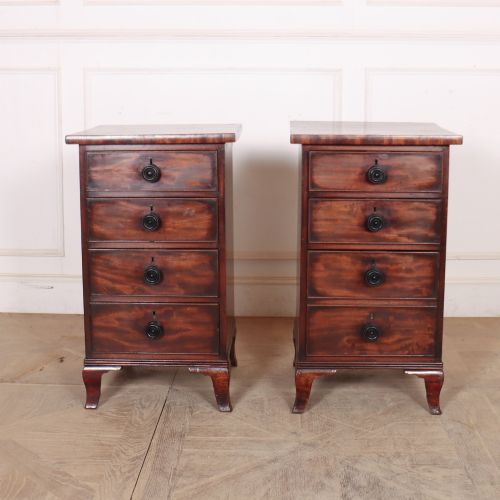
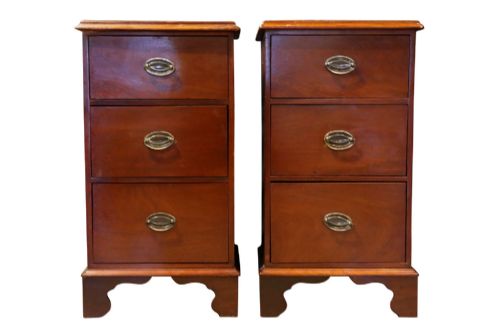
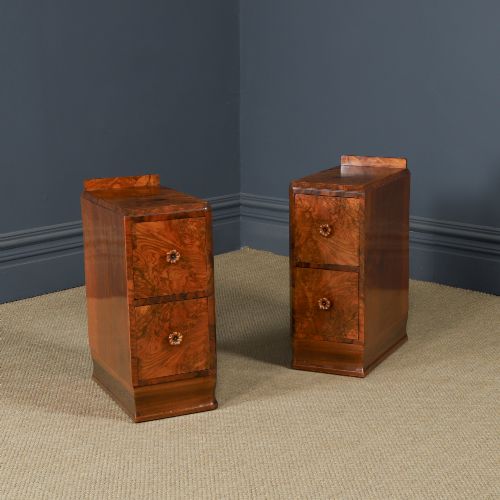
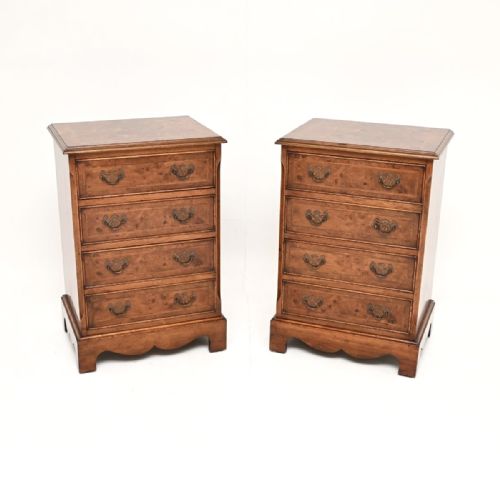
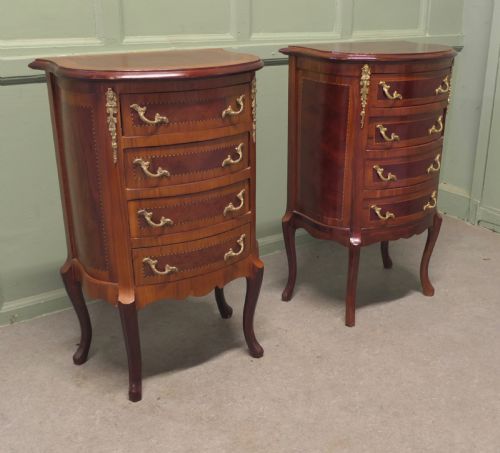
A search for a pair of small chests brings up matching sets of compact case furniture designed primarily as bedside tables, cabinets, or diminutive drawers, dating chiefly from the Victorian and Edwardian eras alongside earlier Georgian styles. These pieces range from standard three-drawer mahogany bedside chests to tabletop cabinets, apothecary drawers, and French-influenced designs.
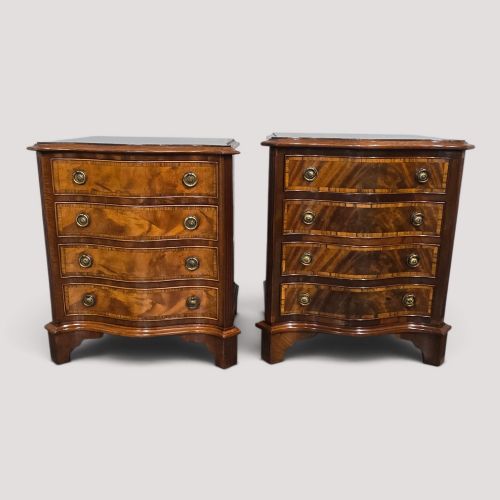
Buyers meet variations built for specific domestic roles, including narrow nightstands, serpentine lamp chests, and military-style brass-bound lockers. The selection spans standard English cabinet-making traditions to continental fruitwood veneered pieces.
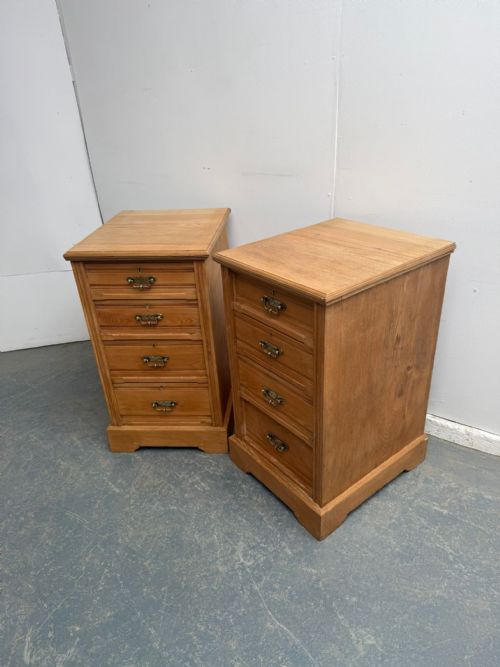
The material palette is dominated by mahogany and burr walnut, though ash, satinwood, pine, and painted finishes also appear. Dimensions remain restricted, ensuring the dual pieces sit comfortably flanking a bed or within smaller reception spaces.
Materials and construction
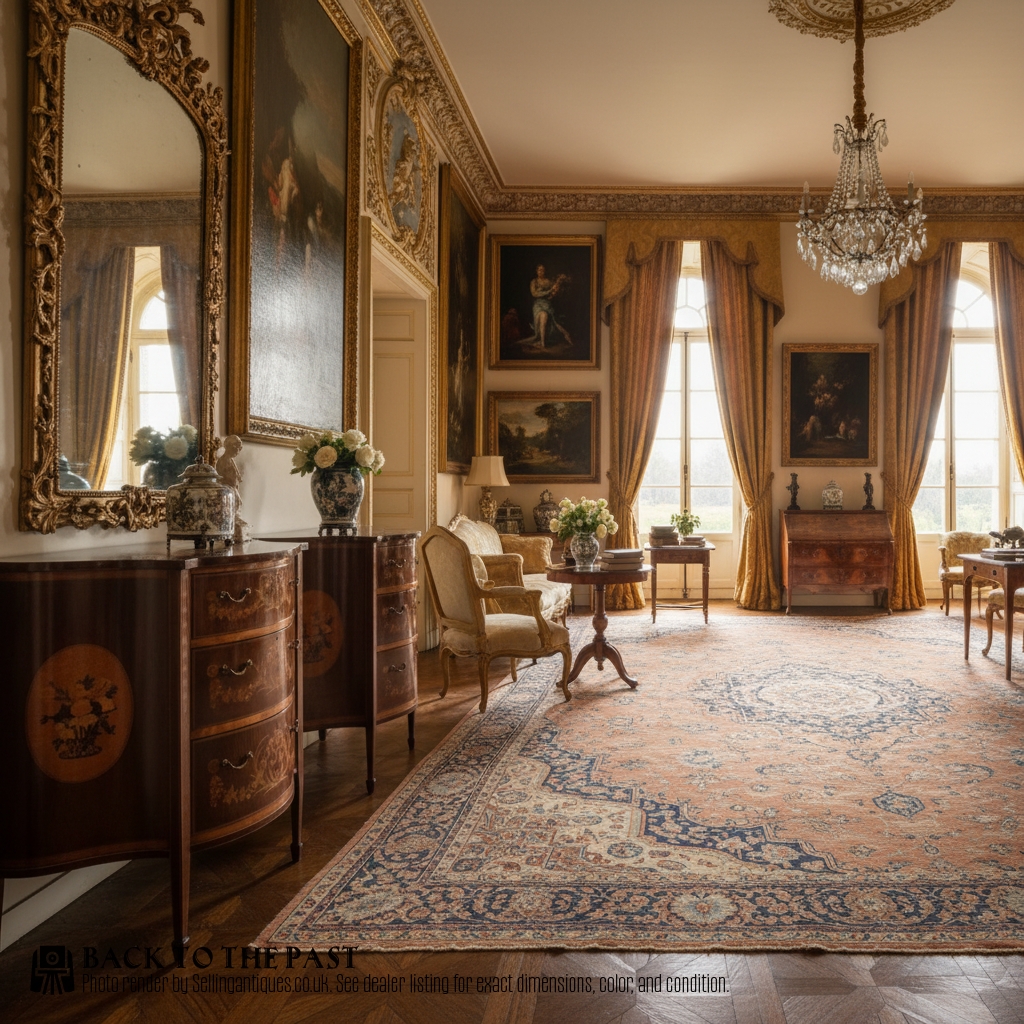
Makers utilised solid hardwoods like mahogany and walnut for primary carcases, frequently applying decorative veneers such as burr walnut, kingwood, or tulipwood to drawer fronts and top surfaces to create visual depth. Secondary timbers like pine often form drawer linings and internal framing.
Drawer construction relies on traditional joinery techniques, paired with brass hardware including drop handles, ring pulls, and corner brackets on military-influenced models. Waxed or polished finishes protect the timber while highlighting natural grain patterns.
Listings feature periods spanning from the Georgian era through Victorian, Edwardian, and Art Deco epochs, executed primarily in mahogany and burr walnut.
Distinguishing quality across examples
Quality separates through the selection and matching of timber veneers, where symmetrical grain alignment on burr walnut or figured mahogany denotes superior workshop standards. The crispness of inlaid banding, hand-cut dovetail joints, and original brass hardware further distinguishes higher-grade items from utilitarian equivalents.
Proportional harmony and structural integrity dictate the standing of a matched set. Examples that retain original polished finishes and matching timber patination command greater appreciation than those altered by later adaptation or heavy refinishing.
The Pair of Small Chests Glossary
- Burr walnut
- A figured timber harvested from walnut tree growths, prized for its swirling, organic grain patterns applied as veneer to prominent surfaces.
- Dovetail joint
- A traditional interlocking woodworking joint utilised in drawer construction to ensure durable, long-lasting corners without relying on metal fixings.
- Serpentine
- A furniture front shape featuring a central convex curve flanked by two concave curves, demanding skilled carpentry to execute.
- Wellington chest
- A tall, narrow chest of drawers secured by a hinged locking side-bar that fastens over the drawer edges.
- Commode
- A low cabinet or chest of drawers, often referencing French stylistic influence or enclosed bedside storage.
Pair of Small Chests: Frequently Asked Questions
Where do these chests fit best?
These compact chests work effectively as bedside nightstands, flanking a bed to provide balanced storage and surface space for lighting. Their modest footprint also suits narrow hallways or small reception rooms needing discrete storage.
Matching pairs create visual symmetry within a bedroom layout, echoing traditional interior arrangement standards while offering practical drawer capacity.
How are bedside chests dated?
Dating relies on identifying timber choices, construction techniques, and stylistic markers recorded across Victorian, Edwardian, and Georgian periods. Mahogany and solid drawer linings typically indicate 19th-century work, whereas lighter satinwood or specific inlay points towards Edwardian revivals.
Hardware styles, such as drop handles versus later knobs, provide further chronological clues alongside the presence of hand-cut dovetailing beneath the drawers.
Are these pieces strictly matched?
Many listings offer true pairs manufactured together by the same workshop, sharing identical dimensions, timber grain, and hardware. Other offerings represent near pairs assembled later, where two individual pieces of similar height, period, and timber are paired for aesthetic balance.
Examining internal construction and secondary woods helps confirm whether two items originated from the same suite.
How do I care for antique timber?
Maintaining antique mahogany and walnut requires keeping pieces away from direct heat sources and sudden temperature shifts that cause timber to split. Regular dusting with a dry, soft cloth preserves the polished surface without applying heavy chemical build-up.
Applying a traditional beeswax polish periodically nourishes the wood and maintains the historical lustre of the grain.