




Samson of Paris Porcelain
These pieces of samson of paris porcelain capture the historic ceramic styles collectors desire through skilled nineteenth-century craftsmanship.
Samson of Paris Porcelain
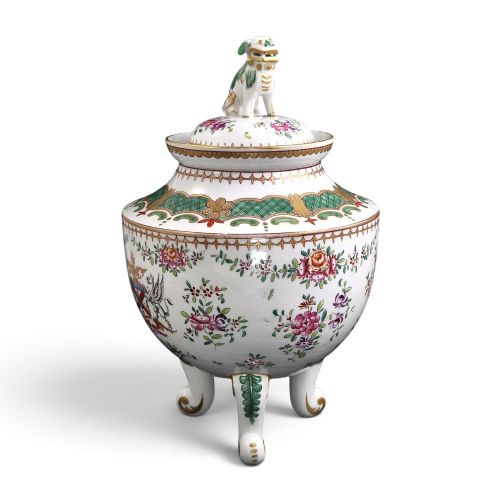
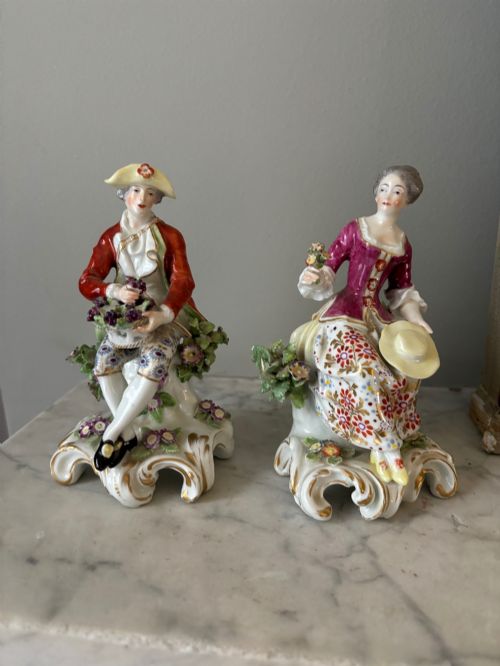
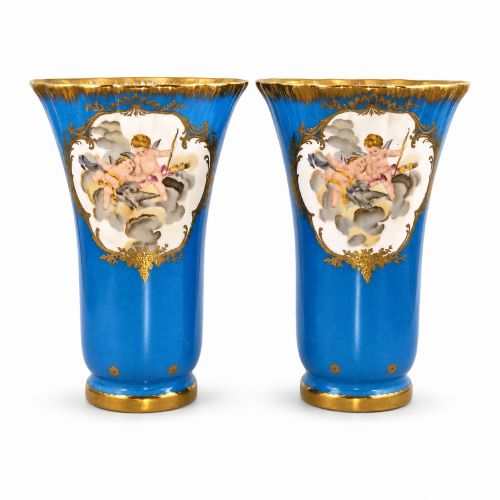
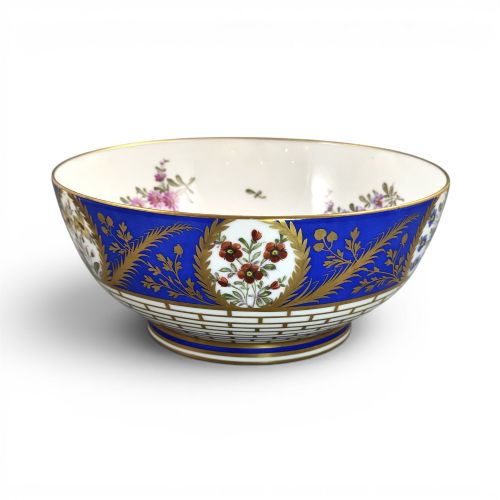
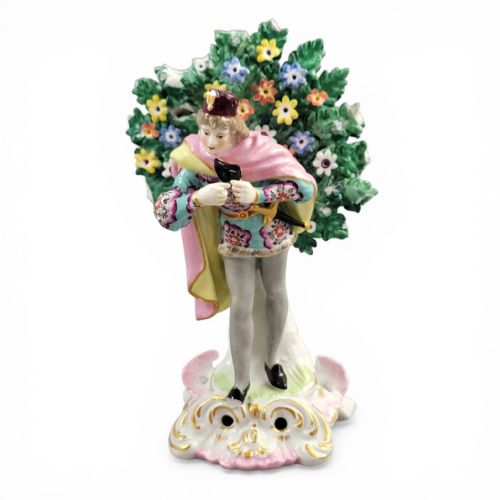
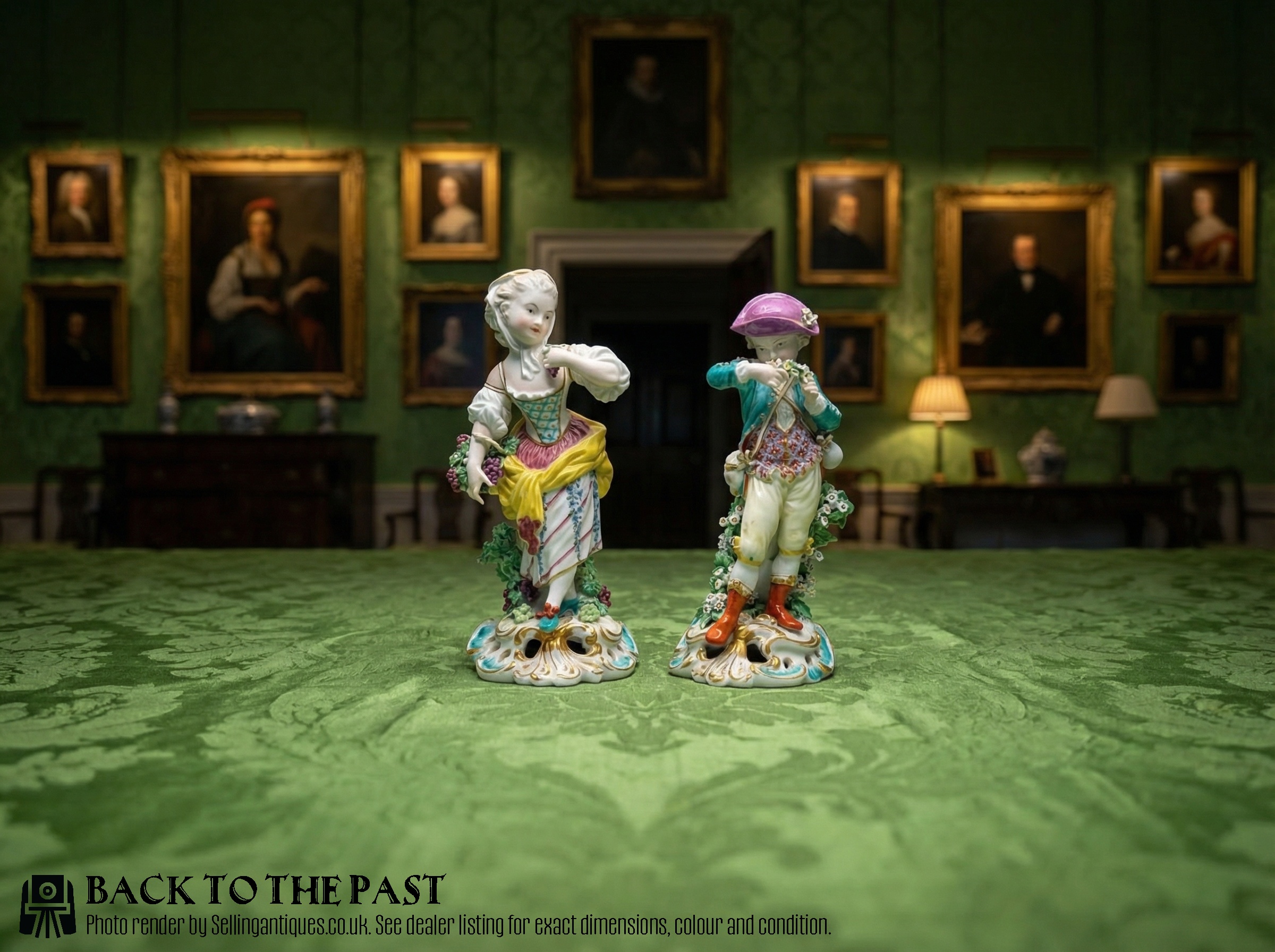
Samson of Paris porcelain encompasses decorative objects and figures produced in the nineteenth century, capturing historic ceramic traditions. Buyers encounter figures, vases, bowls, and plates drawing directly from earlier factories.
The objects frequently reference historic models, including Chelsea, Derby, Sèvres, and Chinese export styles. Pieces span the Victorian era, dated across the mid and late nineteenth century.
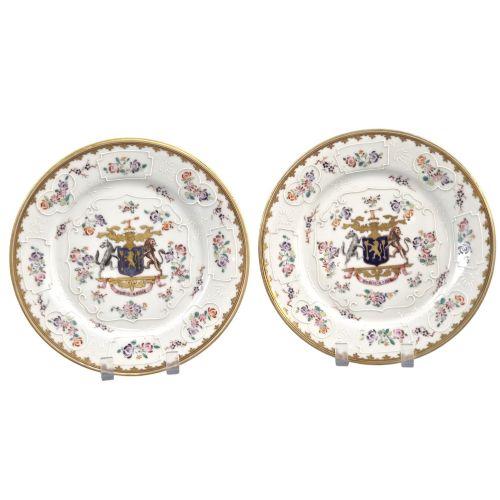
Figurines and armorial vessels represent the core of what appears in this category. Workshops produced these items to emulate prized historical porcelain for collectors of the period.
Materials and technique
Maker operations utilised hard-paste porcelain as the primary body for forming figures and vessels. Artisans applied polychrome enamel and hand-painted details over the glazed ceramic surface.
Gilding, gold leaf, and gilt metal mounts frequently finish the objects. Raised white enamel and hand painting define the decorative surface work on vases and plates.
Samson of Paris Porcelain Retail Price Guide 2026
Typical asking prices for samson of paris porcelain among the pieces listed under this phrase on Sellingantiques today, from the lower quarter to the upper quarter. They describe what is for sale here now, not the wider market.
Nineteenth-century makers even turned their hand to producing porcelain guinea fowl and leopards.
Quality differences
Quality rests upon the precision of the hand painting and the crispness of the modelled detail. Superior examples display meticulous brushwork on figures and intricate armorial or floral panels.
The ambition of the form dictates distinction, separating simple utilitarian bowls from large-scale garnitures and complex multi-figure groups. Finer pieces maintain careful balance in gilding and enamel application.
Edmé Samson et Cie·Edme Samson
The Samson of Paris Porcelain Glossary
- Hard-Paste Porcelain
- A durable ceramic composition fired at high temperatures, providing a vitrified white body ideal for detailed figures and vessels. This material forms the base of nineteenth-century French imitation pieces.
- Armorial
- Bearing a coat of arms or heraldic crest painted onto the ceramic surface. These designs often mimic eighteenth-century export porcelain.
- Bocage
- A background of applied porcelain foliage and leaves surrounding a central figurine. This feature frequently appears on historic revival figures.
- Bleu Céleste
- A vibrant turquoise blue ground colour used on porcelain bodies. Sèvres popularised this distinctive shade during the eighteenth century.
- Garniture
- A set of matching vases or urns designed to display together on a mantelpiece. These groupings typically comprise three or five pieces.
Samson of Paris Porcelain: Frequently Asked Questions
How do you identify these pieces?
Examination of the paste, enamel colours, and painted styles helps identify the French nineteenth-century origin.
Many objects carry marks that imitate earlier factories such as Chelsea or Derby.
How were these items used?
Owners displayed vases, figures, and garnitures on mantelpieces and tables for decorative effect.
Plates, bowls, and boxes served both ornamental and functional purposes in Victorian homes.
How should I live with them?
Place decorative bowls, figures, and vases on stable surfaces away from heavy foot traffic.
Gentle dusting maintains the hand-painted enamel and gilt surfaces safely.