
Rustic Pine Seating
These rustic pine seating pieces bring honest domestic and provincial utility into a room through vernacular forms built to last.
Rustic Pine Seating
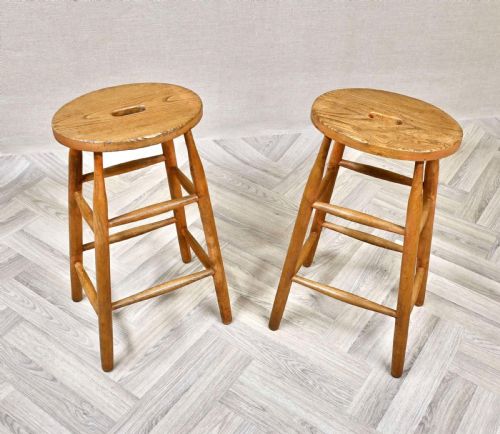
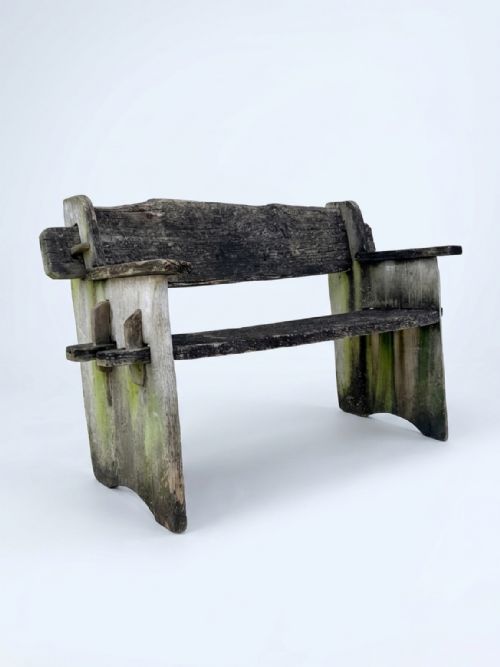
Rustic pine seating encompasses sturdy benches, settles, stools and chairs created for everyday domestic, church and provincial use. When you search for rustic pine seating, you encounter utilitarian furniture shaped by regional traditions across Britain and continental Europe.
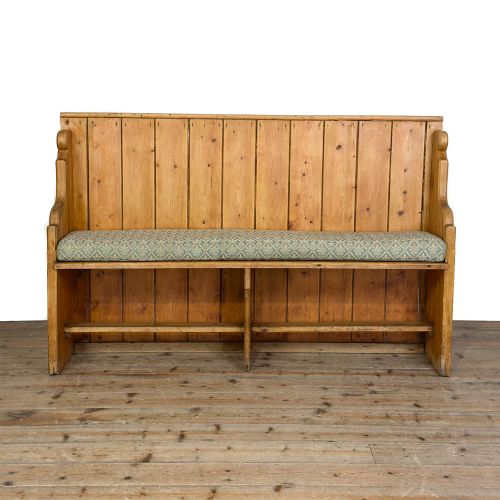
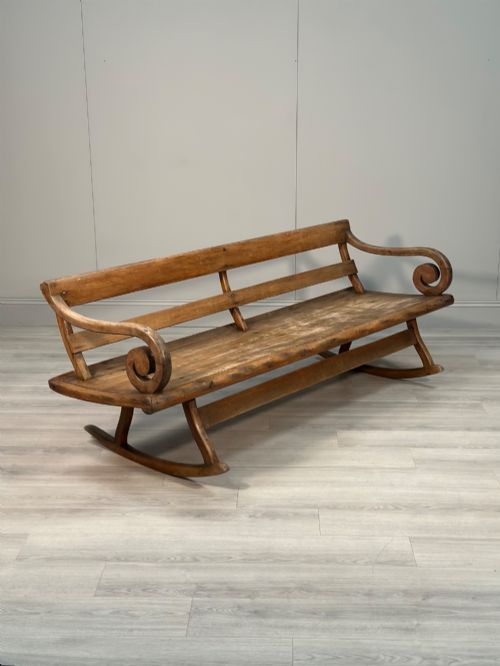
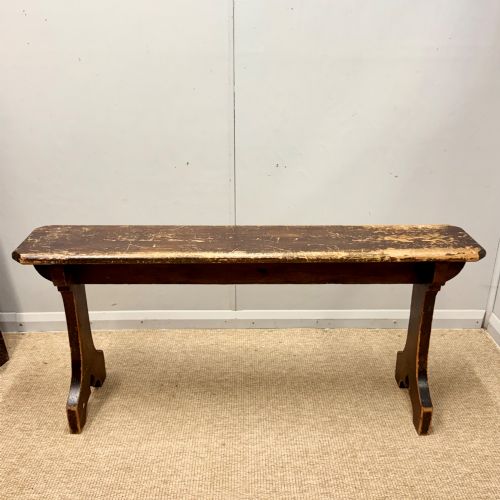
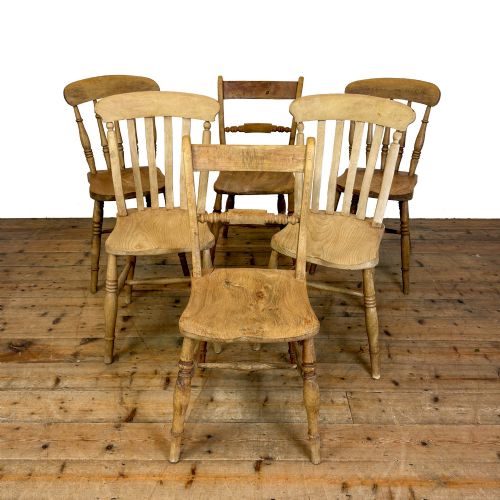
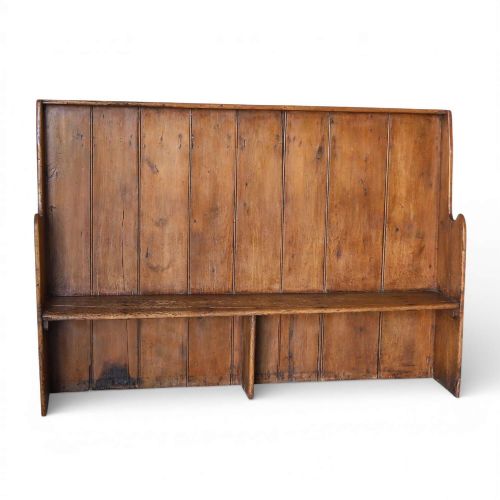
The pieces on this page span the eighteenth, nineteenth and early twentieth centuries, drawing heavily on Victorian and regional European country styles. Common forms range from long church pews and high-back settles to simple milking stools and farmhouse dining chairs.
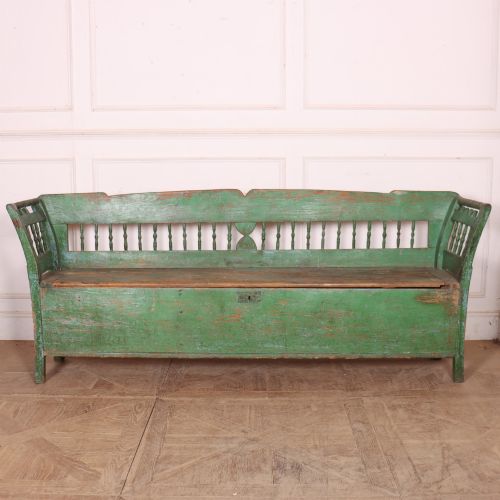
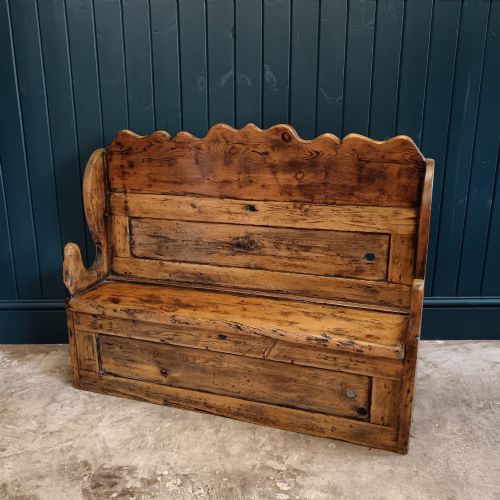
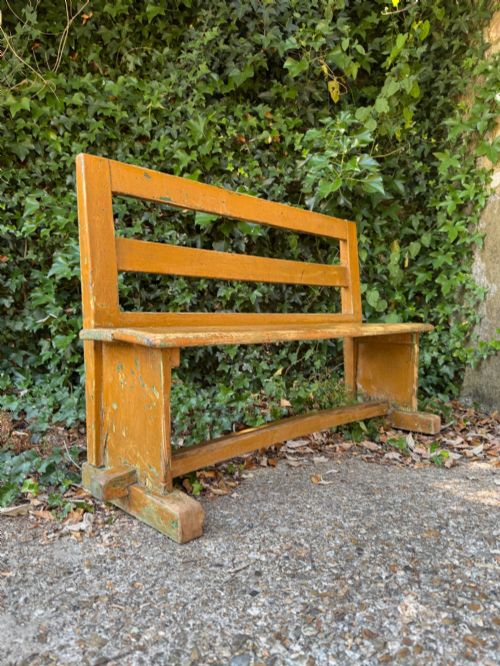
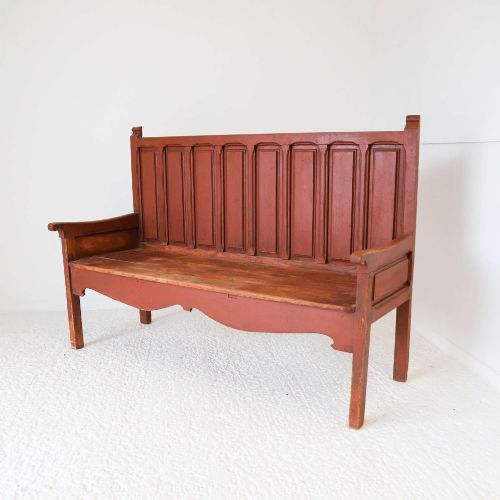
Hungarian box settles and English country benches dominate the selection, offering practical storage or solid seating for halls, kitchens and gardens. Each object reflects the functional demands of its original setting, whether a chapel, farmhouse or croft.
Materials and construction
Makers relied principally on pine, supplemented by secondary timbers such as elm, ash, beech and iron for strength in high-stress joints. Woods were chosen locally and worked with simple hand tools to produce solid planks and turned components.
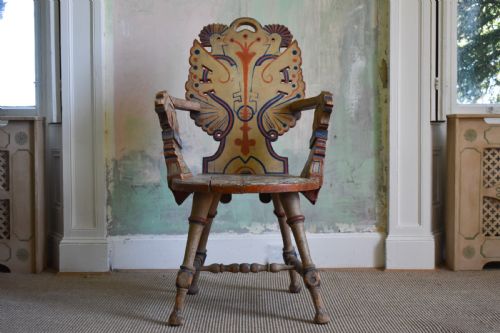
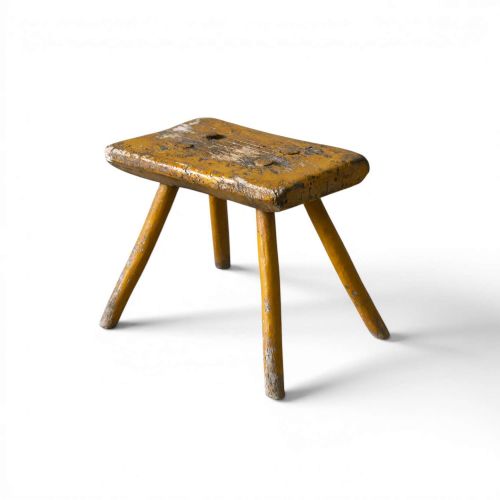
Surfaces often retain original layers of paint, such as ochre, green, grey, blue and black, or display centuries of wax and honey brown patina. Construction methods include pegged joints, dovetailed box bases and dug-out solid seats carved from a single log.
A Swedish child's rocking chair offers miniature rustic comfort for the smallest household members.
Assessing quality
Quality rests upon the integrity of the original construction, the thickness of the timber planks and the survival of early surfaces. Pieces that retain their original paint or deep, unblemished wax patination command greater interest than those stripped down to raw wood.
Proportion and regional character also dictate distinction, as vernacular forms with well-balanced armrests, high backs and unaltered box storage compartments demonstrate superior provincial craftsmanship.
The Rustic Pine Seating Glossary
- Settle
- A wooden bench with a high back, solid arms and often a box compartment beneath the seat for storage. This form kept draughts away from the sitter in communal farmhouse rooms.
- Milking stool
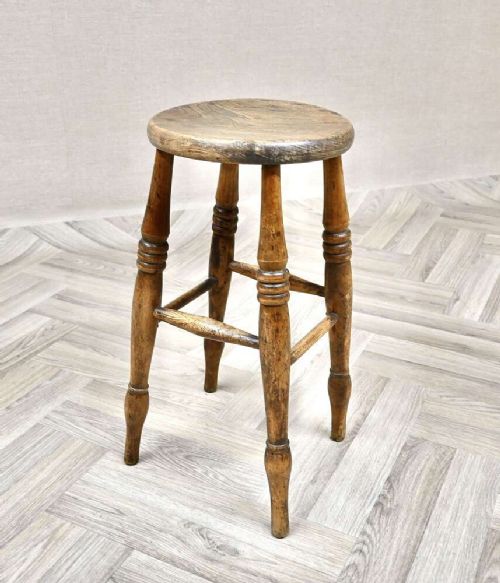
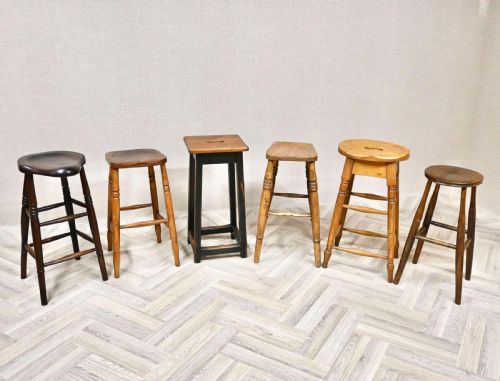
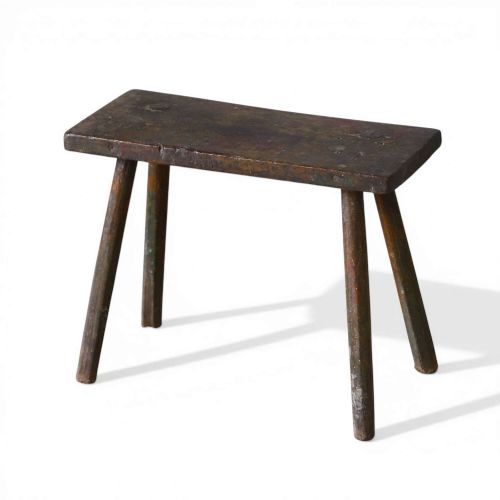
- A small, simple three-legged or four-legged stool designed for use while milking livestock. Their portable, low-slung designs make them versatile accent pieces today.
- Church pew
- A long wooden bench traditionally fixed in ecclesiastical spaces to seat congregations. They provide linear, robust seating with straightforward backrests and end panels.
- Patina
- The surface sheen and colour developed over decades or centuries through handling, waxing and exposure to light. A rich patina indicates genuine age and continuous use.
- Vernacular furniture
- Domestic and utilitarian objects made by local craftsmen using regional styles and readily available materials. These pieces prioritize function over high-fashion academic design.
Rustic Pine Seating: Frequently Asked Questions
How do I use a settle in a modern home?
Settles work well placed against a hallway wall or positioned along one side of a kitchen dining table. Their high backs create a sense of enclosure and anchor open-plan living spaces.
The enclosed box base beneath the seat offers hidden storage for bulky items like blankets, shoes or table linens. This dual purpose makes them practical additions to entranceways and country kitchens.
Where should I place a church pew?
Church pews suit long corridors, wide landings or the perimeter of a large dining room where linear seating is required. Their shallow depth allows them to sit flush against walls without obstructing walkways.
Pairing a pew with a long dining table creates a relaxed, communal seating arrangement reminiscent of old refectories. Cushion pads can be added for extra comfort during prolonged sitting.
Are painted finishes original on these pieces?
Many nineteenth-century pieces from Eastern Europe and Britain survive with early or original layers of paint in colours like ochre, green and blue. Examining the paint layers under magnification helps determine whether the pigment belongs to the period of manufacture.
Original paint often exhibits natural wear, crackle and softening around the edges where hands touched the wood. Preserved paint adds significant character and historical value compared to later, modern coats.
How do I care for waxed pine surfaces?
Waxed pine benefits from occasional applications of a quality beeswax paste to nourish the timber and maintain its protective barrier. Buffing the surface with a soft, lint-free cloth brings up a gentle, natural sheen.
Keep these pieces away from direct heat sources and strong sunlight to prevent the timber from drying out or splitting. Quick cleanups with a dry or barely damp cloth prevent dust accumulation in carved details.