



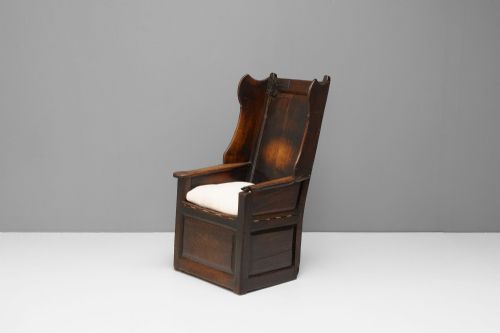

English Country Settle
An english country settle is a sturdy timber bench with a high back designed to keep out draughts, built by provincial makers to serve as the heart of the domestic interior.
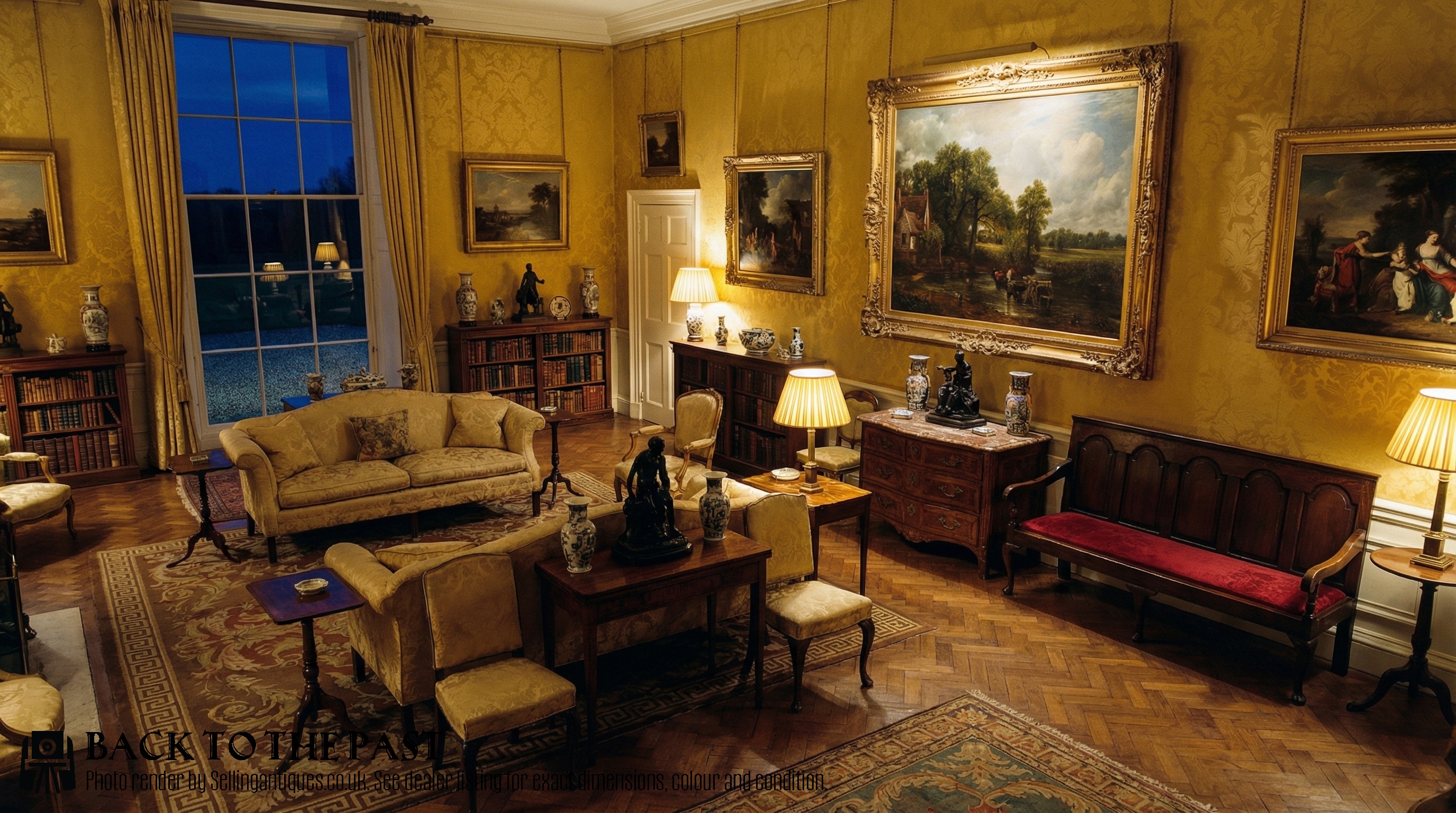
English Country Settle
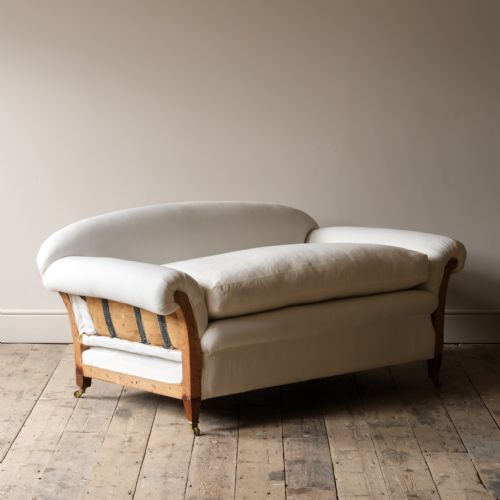
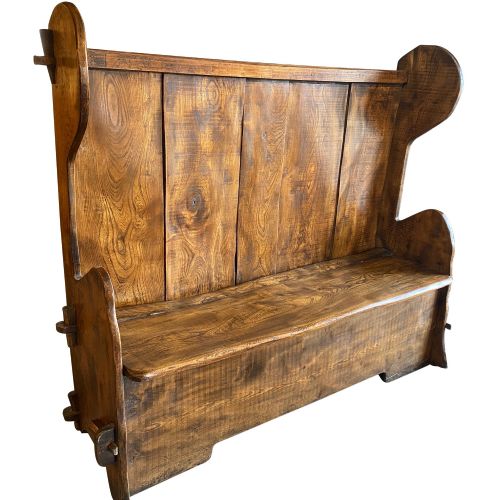
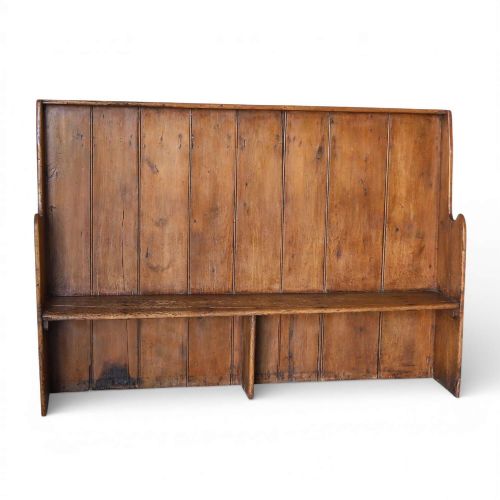
When you search for an english country settle, you encounter robust seating forms developed across several centuries for farmhouse and tavern life. The examples you meet on this page range from plain seventeenth-century vernacular pieces to eighteenth-century oak designs and nineteenth-century pine storage variants.
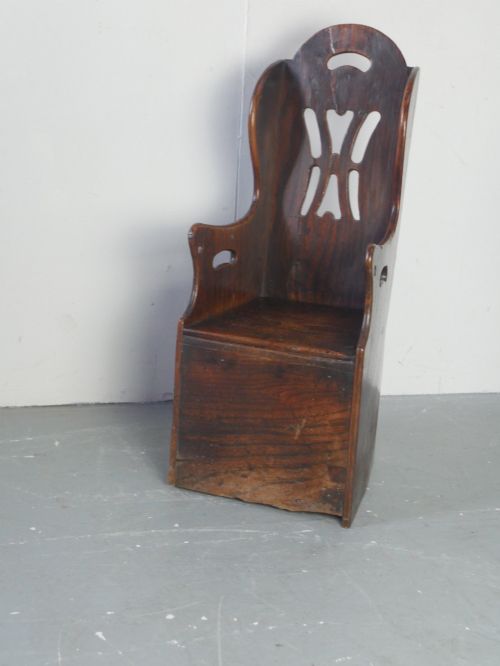
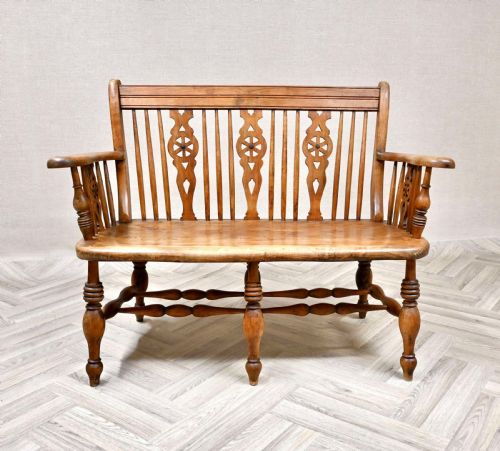
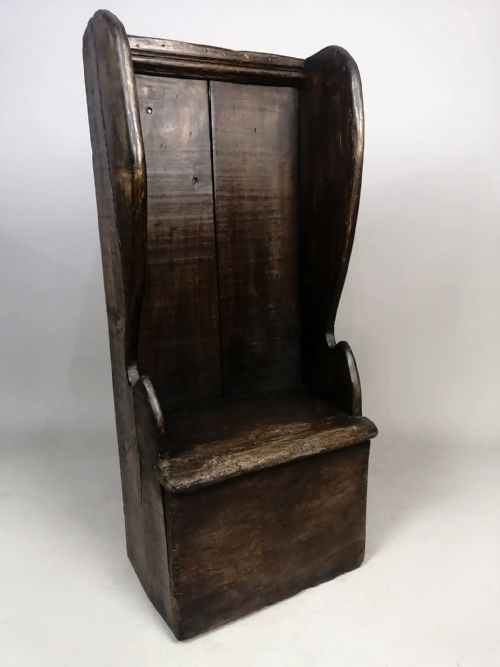
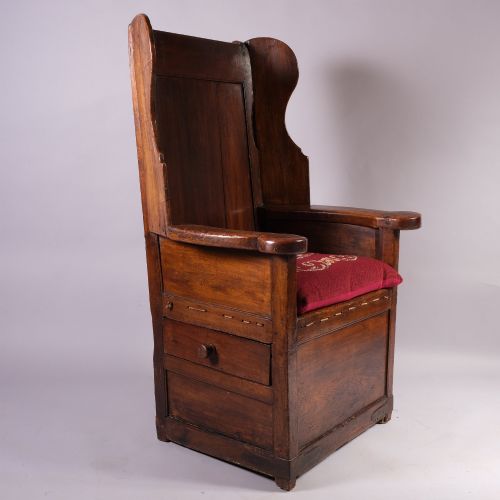
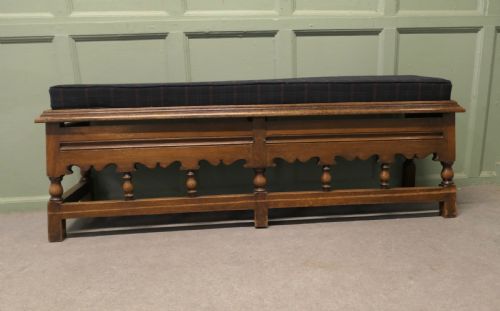
These forms include high-back settles with integrated storage boxes beneath the seat, flanking wing-back lambing chairs, and long panelled benches. Their primary function was to block cold air currents near open hearths while offering practical utility in communal rooms.
Materials and Construction
Makers relied on native timbers such as oak, elm, and pine, selecting sturdy planks to withstand heavy daily use. Construction methods involved traditional joinery, utilising pegged joints, solid timber panels, and occasionally painted finishes or iron hardware.
The choice of wood directly shaped the character of the piece, with dense oak yielding rigid architectural structures while flexible elm and softer pine accommodated simpler provincial forms and painted surfaces.
English Country Settle Retail Price Guide 2026
Typical asking prices for english country settle among the pieces listed under this phrase on Sellingantiques today, from the lower quarter to the upper quarter. They describe what is for sale here now, not the wider market.
Certain early variants incorporated enclosed lower compartments intended specifically for keeping newborn livestock warm.
Distinguishing Quality
The separation between standard utility pieces and finer examples rests on timber selection, panel configuration, and the integrity of the original construction. Superior specimens display well-proportioned high backs, harmonious grain patterns, and surfaces retaining honest patination earned through long use.
Construction depth also marks distinction, seen in the complexity of multi-panel backs, integrated box storage compartments, and the survival of early painted or bleached finishes rather than later alterations.
The English Country Settle Glossary
- Box settle
- A bench featuring an enclosed storage compartment beneath the seat accessible by lifting the lid or squab cushion. This design maximised domestic storage in cramped rural dwellings.
- Lambing chair
- A high-backed provincial armchair featuring solid wings designed to shield the occupant from draughts near the fire. They often incorporate small drawers or enclosed bases.
- Patina
- The surface sheen and coloration developed by timber over decades through handling, waxing, and exposure to light. It serves as a visual indicator of age and genuine wear.
- Vernacular furniture
- Objects built by local tradesmen for domestic or agricultural use without adhering to high-style metropolitan fashions. These pieces prioritise practical function over academic ornament.
English Country Settle: Frequently Asked Questions
What is an english country settle?
An english country settle is a traditional wooden bench featuring a high back and solid arms, constructed by regional makers for farmhouse and tavern interiors.
They were designed to shelter occupants from cold draughts near open hearths while frequently incorporating enclosed storage space beneath the seating area.
How were these settles used originally?
These benches served as primary seating beside the fireplace, where their high panelled backs trapped heat and blocked cold air currents moving across flagstone floors.
Box variants also provided secure storage for household blankets, dry goods, or daily provisions in communal living spaces.
Where should I place a settle?
A settle functions effectively in large entrance halls, long corridors, or against living room walls where its linear form and high back create a distinct spatial anchor.
Because of their depth and substantial backs, they require adequate wall space and clearance to be appreciated fully without crowding a room.
How do I identify seventeenth-century pieces?
Early seventeenth-century examples typically display heavy oak construction, pegged mortise and tenon joints, and geometric panel carving reflecting vernacular Jacobean influences.
They often exhibit simpler architectural lines and deeper patination compared to later eighteenth-century or nineteenth-century variants.