




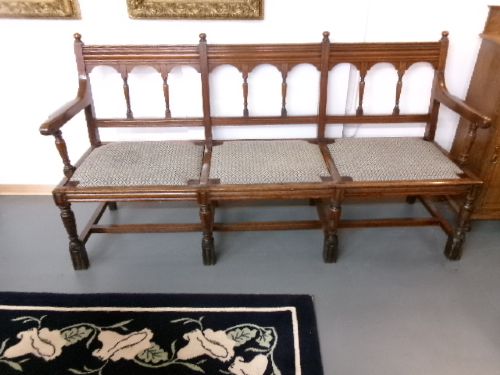
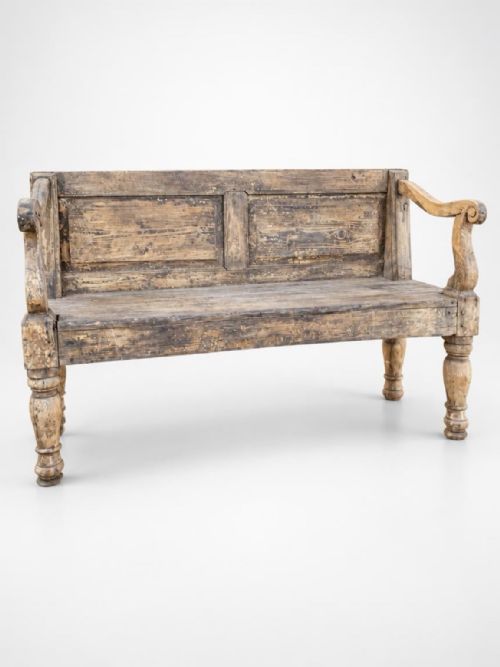


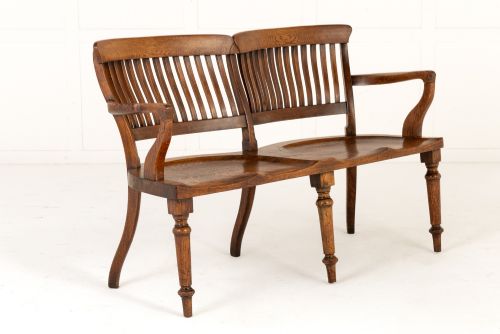
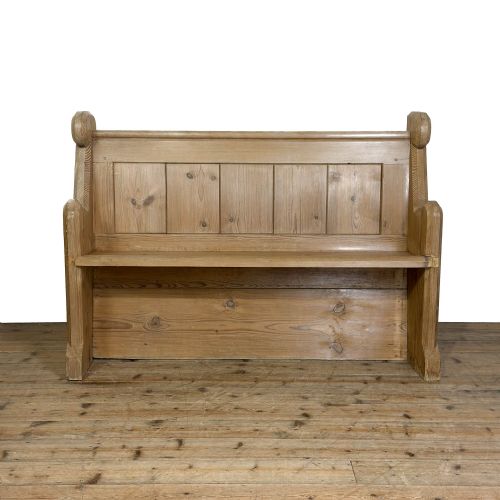

Antique Wooden Settle Bench
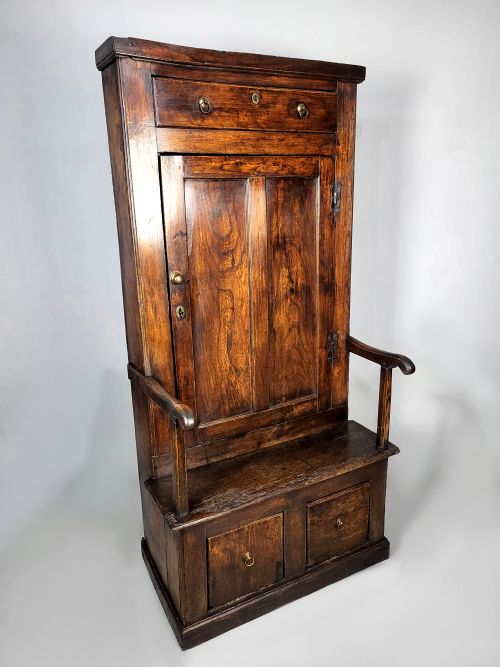
An antique wooden settle bench offers high-backed seating with built-in draught protection, bringing centuries of domestic history straight into a hallway or kitchen.

Antique Wooden Settle Bench
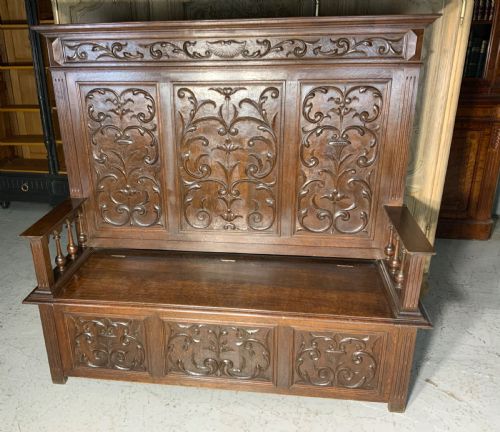
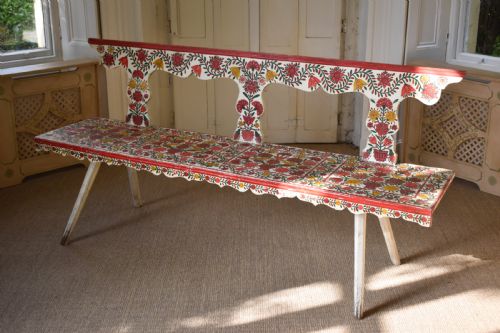
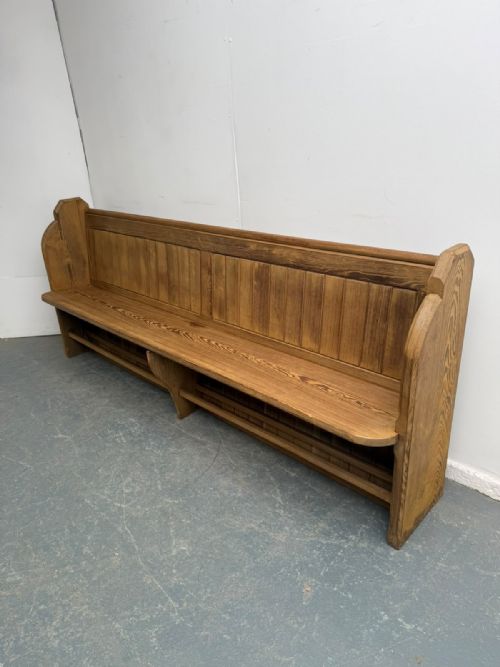
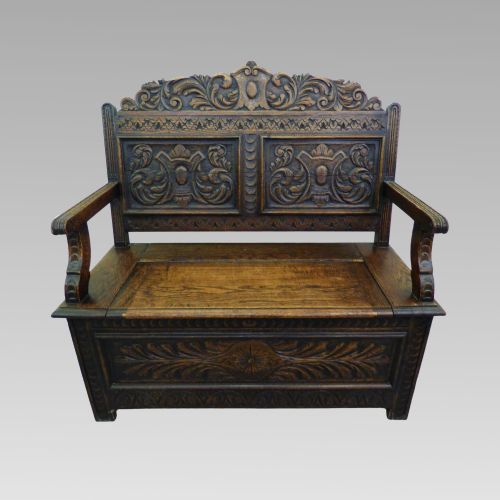
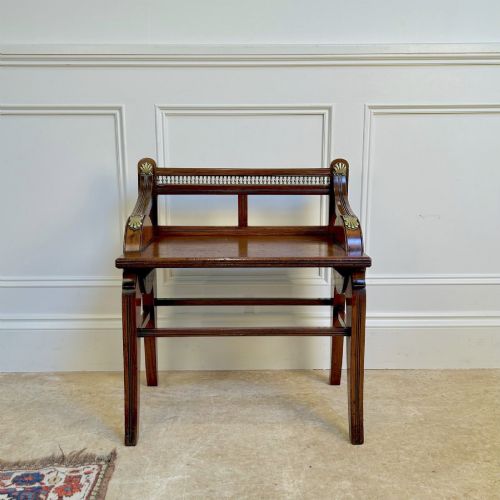
When you search for an antique wooden settle bench, you encounter heavy seating built to shield occupants from cold drafts in older homes. The examples seen here span the eighteenth century and the nineteenth century, taking forms such as high-backed panelled seats, tavern benches, and painted variants.
Geographic origins vary widely across these pieces, including English country workshops, West Country farms, Swedish studios, and Dutch makers. You are most likely to meet oak and pine constructions, occasionally enhanced with paint or carved detailing.
How they were made
Makers built these pieces primarily from solid oak and pine, shaping sturdy timbers into high backs, panelled structures, and solid seats. Joinery relied on traditional pegging and framing techniques to withstand heavy daily use in taverns and domestic halls.
Surface treatments recorded in the listings include original paintwork alongside natural waxed timber finishes. Some pieces incorporate structural hardware in iron and brass, while others feature carved embellishments or gilded accents.
Antique Wooden Settle Bench Retail Price Guide 2026
Typical asking prices for wooden settle bench among the pieces listed under this phrase on Sellingantiques today, from the lower quarter to the upper quarter. They describe what is for sale here now, not the wider market.
Current listings feature pieces spanning the eighteenth century and the nineteenth century, constructed from oak and pine with painted and carved finishes.
What varies in quality
Quality in these benches rests on the integrity of the timber and the retention of original surfaces, such as early paintwork or unpolished oak grain. Pieces that maintain their original panelwork and structural joinery stand apart from those altered or heavily restored over time.
The refinement of the carving and the presence of regional architectural details also distinguish simpler vernacular tavern benches from sophisticated Georgian or Gustavian commissions.
The Antique Wooden Settle Bench Glossary
- Settle
- A wooden bench with a high back, solid arms, and often a storage box beneath the seat, designed to keep out drafts.
- Panel-back
- A construction method where wooden panels are fitted within a frame to form a decorative and rigid backrest.
- Gustavian
- A Swedish neoclassical style originating in the late eighteenth century, known for light painted finishes and restrained classical motifs.
- Vernacular
- Architecture and furniture made by local craftsmen using traditional regional styles and locally available materials, without high-style academic design.
Antique Wooden Settle Bench: Frequently Asked Questions
What is an antique wooden settle bench?
An antique wooden settle bench is a high-backed seating structure designed in centuries past to block cold drafts in domestic spaces. These pieces often feature solid wood construction and integrated armrests.
Historically placed near hearths or in hallways, they served as substantial communal seating before the widespread use of upholstered sofas.
How were settle benches used historically?
These benches functioned as primary seating in kitchens, halls, and public taverns where warmth and shelter from drafts were essential. The high panelled back acted as a windbreak in large, poorly heated rooms.
Many examples provided a solid barrier against cold air circulating across flagstone floors, keeping occupants comfortable near the fire.
Where should I place a settle bench?
A settle bench works well in a spacious hallway, a large kitchen, or a boot room where its high back can anchor the room. Ensure you measure the depth and height carefully before positioning it against a wall.
Because of their substantial proportions, they command attention and suit areas with high ceilings and generous floor space.
How do I care for wooden settles?
Maintain wooden settle benches by keeping them away from direct heat sources and sudden temperature fluctuations that can dry out old timber. Apply a traditional beeswax polish sparingly to nourish unpainted surfaces.
Avoid using modern chemical cleaners on painted or waxed finishes to preserve the historical patina accumulated over the centuries.