

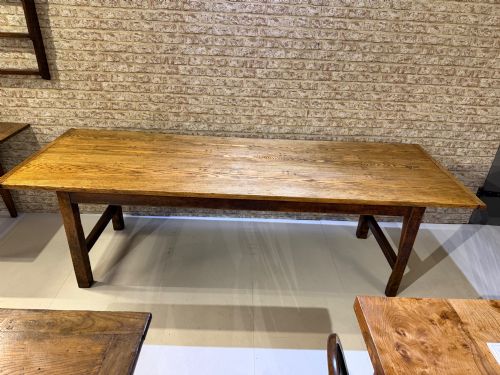
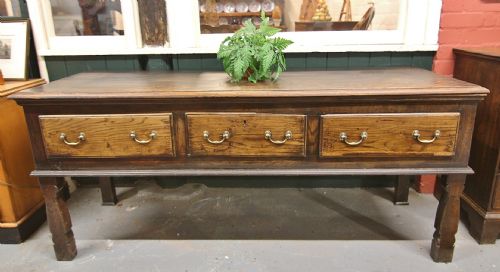
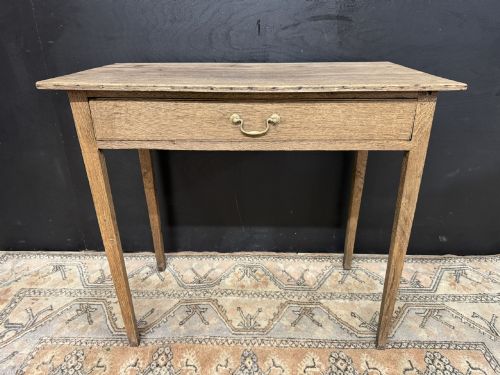
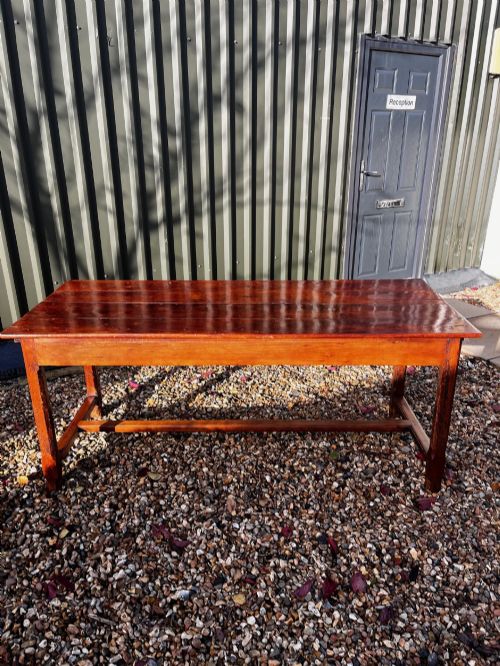
Rustic Country Table
A rustic country table brings honest timber and everyday practicality into a room, shaped by decades of real domestic use.
Rustic Country Table
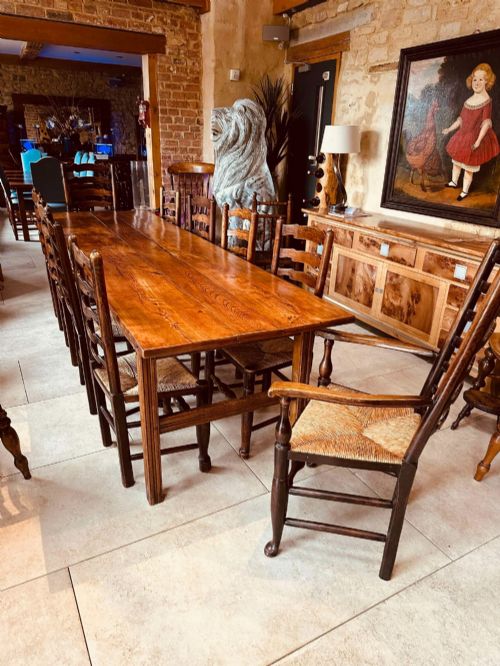
When you search for a rustic country table, you are looking at sturdy wooden surfaces originally built for heavy daily use in kitchens, dairies and farmhouse dining rooms. These pieces span the eighteenth, nineteenth and early twentieth centuries, reflecting regional traditions from Britain, France and Spain.
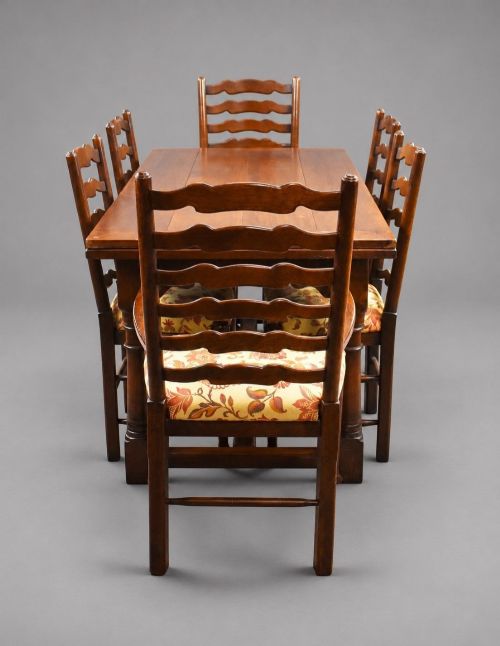
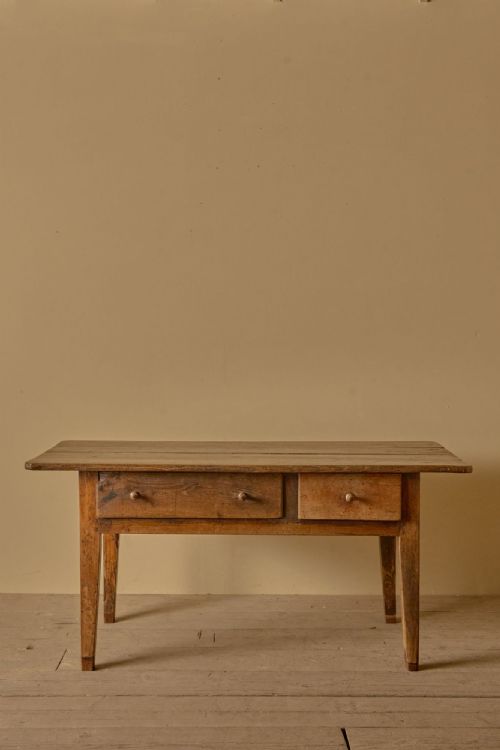
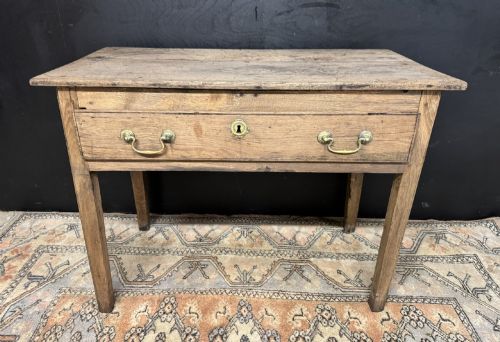
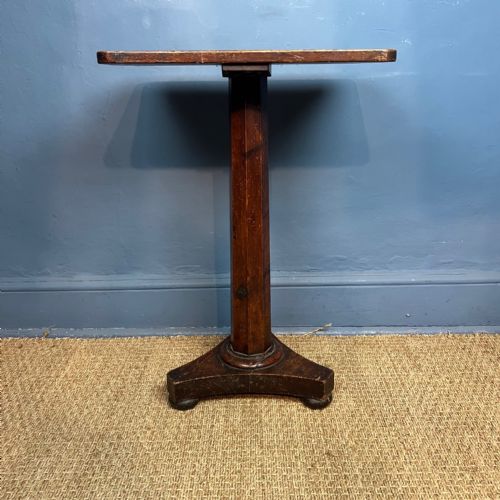
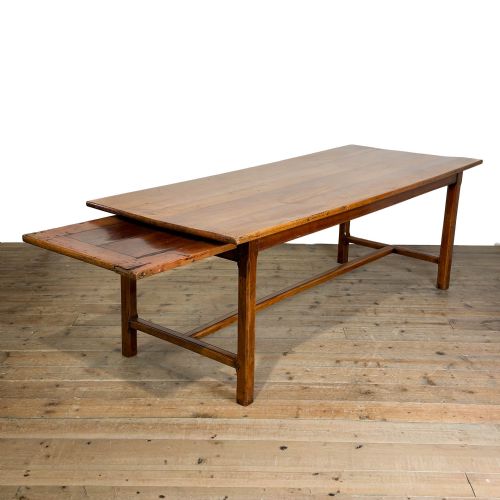
On this page, you are most likely to meet nineteenth century pine and oak examples, alongside refectory formats in fruitwood, elm and cherry. Forms range from large dining tables and kitchen boards down to smaller cricket tables and side tables.
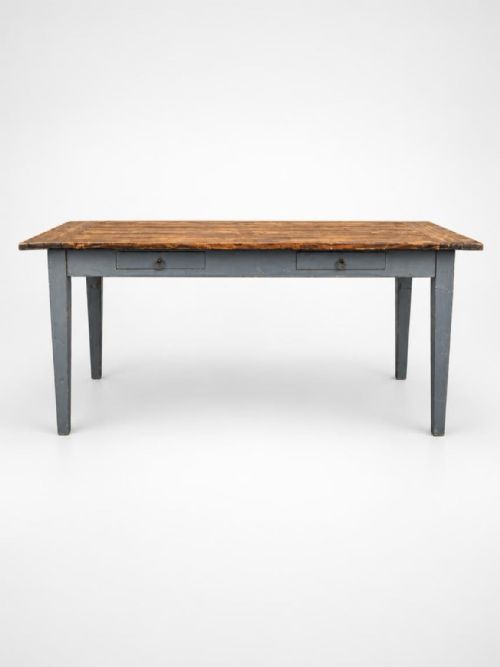
The aesthetic relies on visible grain, pegged joints and honest construction rather than ornamental veneer. Each piece carries the marks of its working past, whether through scrubbed tops or old painted finishes.
Materials and construction
Makers relied on homegrown hardwoods and softwoods such as oak, pine, elm and fruitwood, selecting timber for strength and local availability. Tops were often constructed from wide single planks or joined boards secured with wooden pegs.
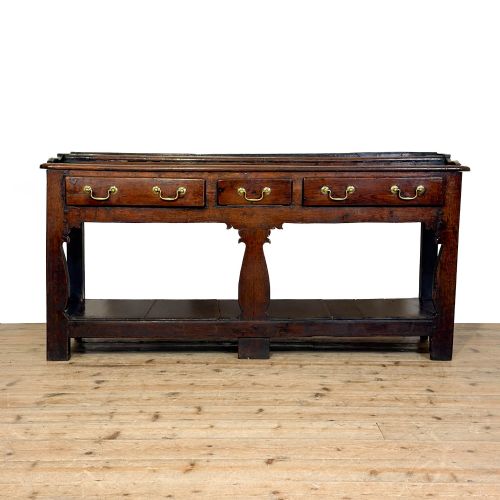
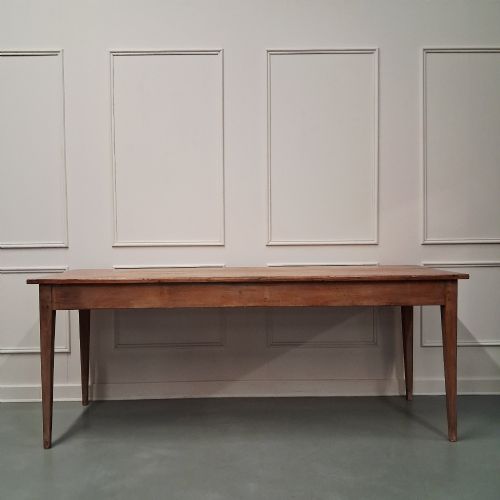
Underframes show practical joinery, from tapered and bobbin-turned legs to substantial trestle bases and potboards. Surface treatments vary from natural waxed finishes and scrubbed wood to traditional painted and scumbled coats.
Rustic Country Table Retail Price Guide 2026
Typical asking prices for rustic country table among the pieces listed under this phrase on Sellingantiques today, from the lower quarter to the upper quarter. They describe what is for sale here now, not the wider market.
Several pine and fruitwood tables retain traces of historic flour dust and pastry rolling embedded deep within their grain.
Assessing quality and character
Quality in these pieces rests upon the integrity of the timber and the honesty of the construction. Superior examples feature thick plank tops with minimal warping, original bases, and timber that has aged gracefully through natural use.
The distinction between ordinary and exceptional often lies in proportion, such as a particularly deep top, slender tapered legs, or untouched original paint. Altered heights or heavily replaced timbers diminish the integrity of the piece.
The Rustic Country Table Glossary
- Cricket table
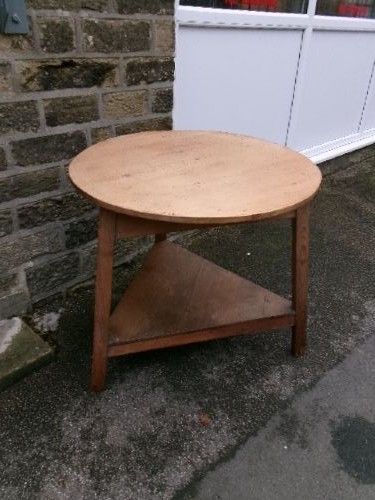
- A small, lightweight three-legged table, typically dating from the eighteenth or nineteenth century, designed to stand steadily on uneven flagstone floors.
- Refectory table
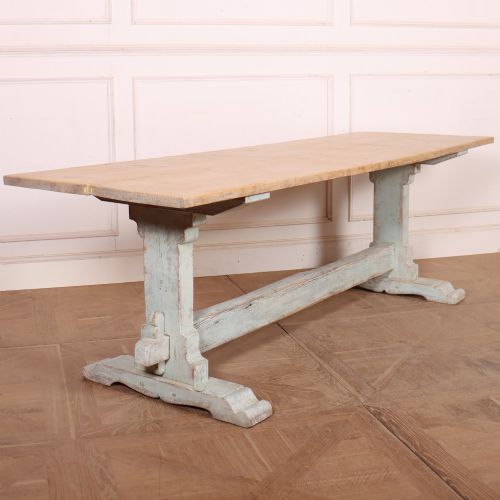
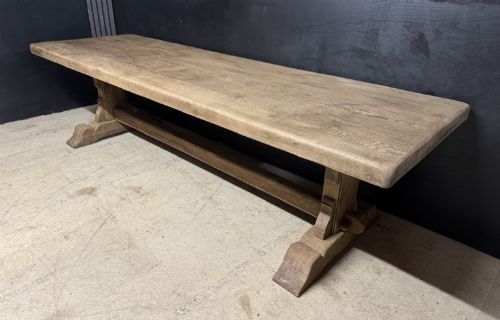
- A long, narrow dining table traditionally used in communal dining halls and adapted for large domestic kitchens.
- Scumble
- A translucent layer of paint dragged or patterned over a base colour to imitate the grain of more expensive hardwoods.
- Potboard
- An open lower shelf fitted between the legs of a dresser base or serving table, originally used for storing heavy pots and pans.
- Frieze
- The horizontal band running directly beneath the tabletop, frequently housing one or more drawers.
Rustic Country Table: Frequently Asked Questions
How do I clean a pine country table?
Wash the surface gently with warm soapy water and a soft cloth, avoiding harsh chemical cleaners that strip the aged patina.
Dry the timber thoroughly afterwards and apply a coat of clear beeswax to nourish the wood.
Can I use an antique kitchen table for daily dining?
These tables were built for heavy domestic labour and easily handle daily family meals and gatherings. Use mats for hot dishes to protect the historic wax or polished finish.
How do I tell an eighteenth century table from a nineteenth century one?
Earlier pieces often feature single-plank tops, hand-split timber, and pegged mortise and tenon joints that show subtle irregularities.
Nineteenth century examples tend to use more standardised machine-sawn timber and simpler bracket or turned leg fixings.
Are painted finishes on these tables original?
Many tables retain old paint or scumble layers applied decades after manufacture to update the kitchen decor. Traces of underlying wear and gentle fading help confirm the age of the surface layer.