


Royal Worcester Porcelain Dish
These pieces of royal worcester porcelain dish bring together delicate hand-painting, rich gilding, and decades of studio skill for any collector.
Royal Worcester Porcelain Dish
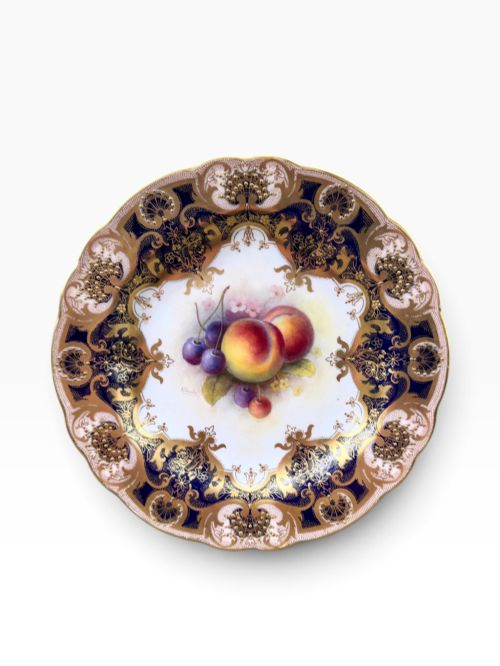
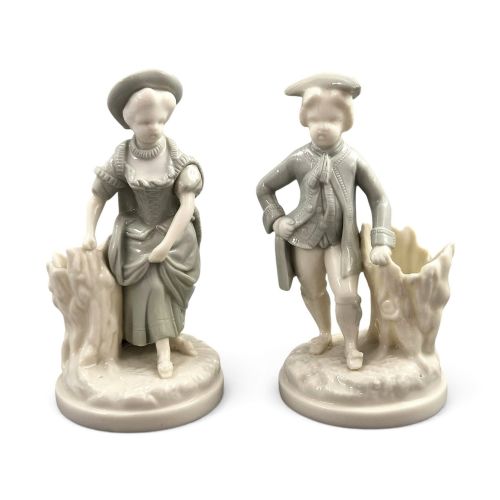
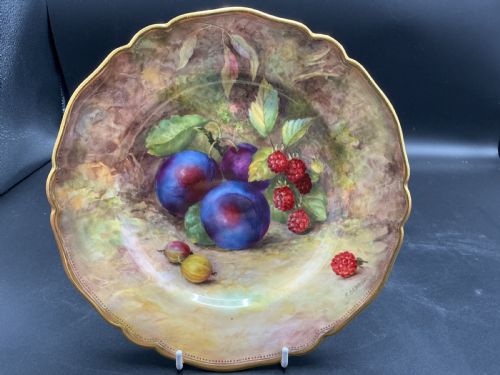
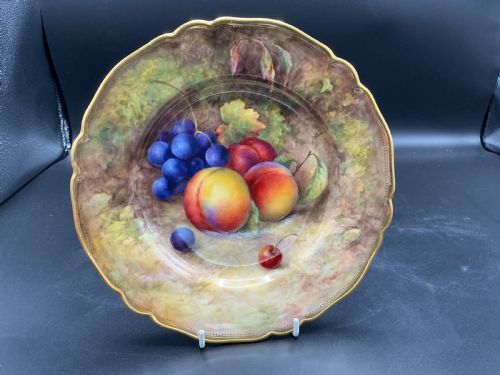
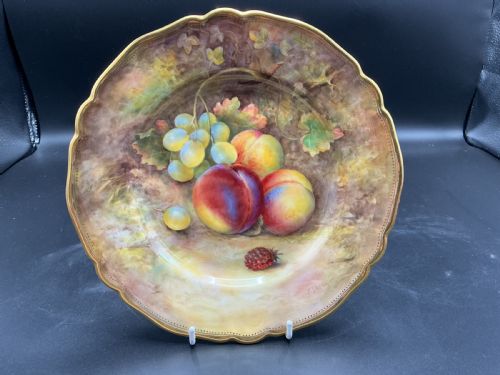
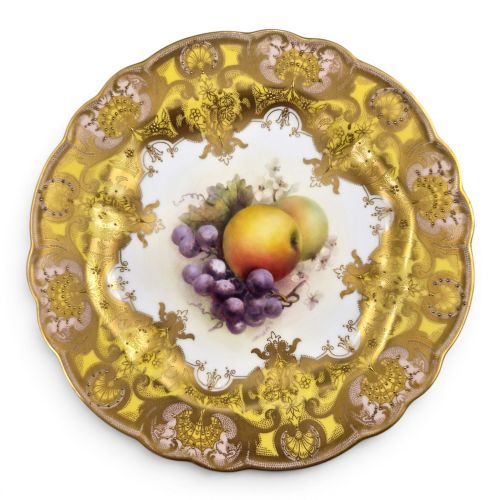
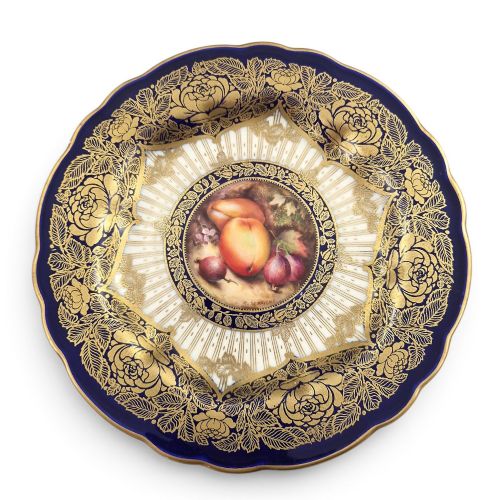
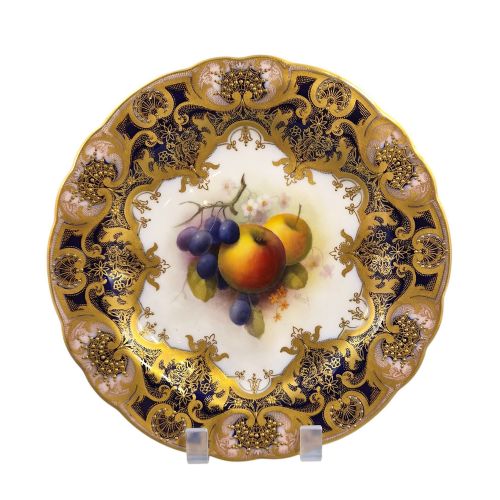
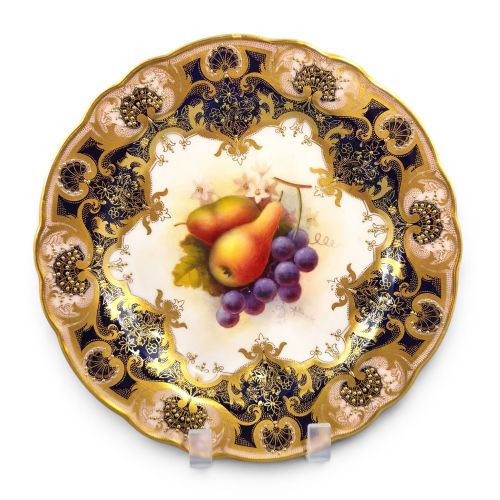
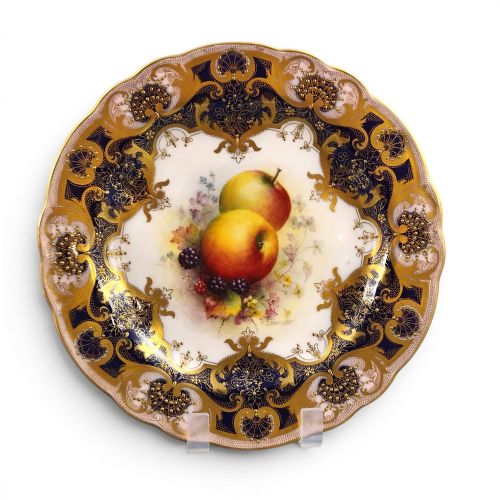
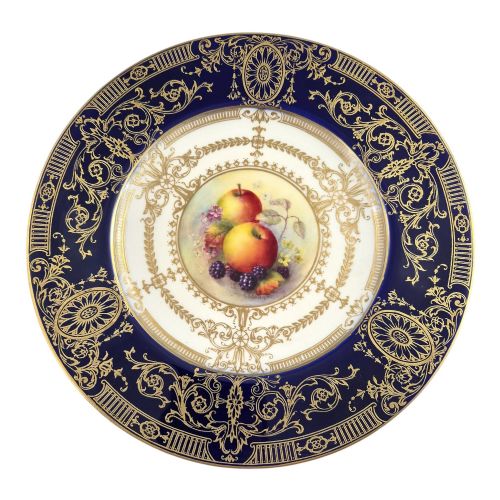
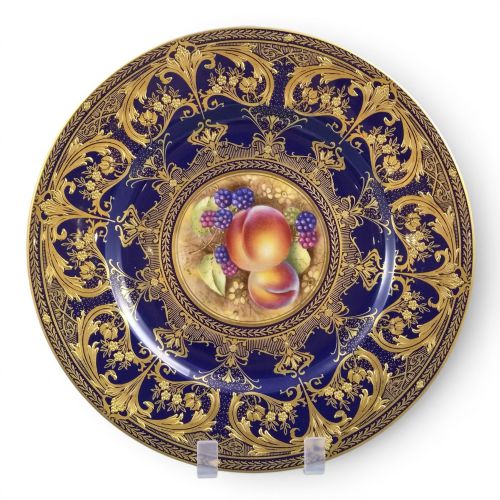
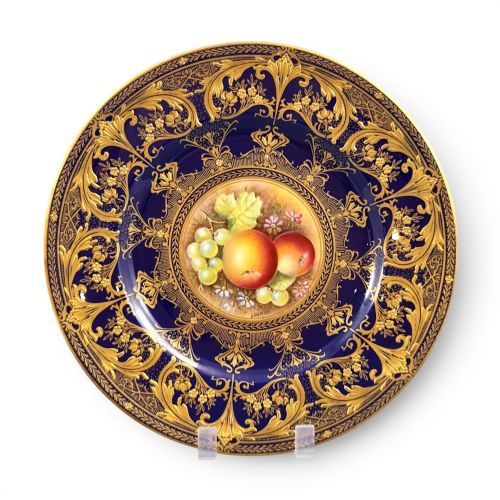
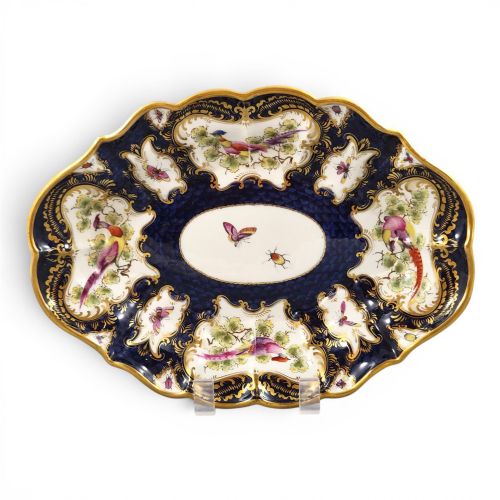
A royal worcester porcelain dish encompasses cabinet plates, dessert dishes, bowls, and pin trays spanning the Victorian era through the mid-twentieth century. The most common examples met here feature meticulous hand-painted fruit studies signed by notable artists alongside floral sprays and traditional blue and white patterns. Pieces range from intimate salt cellars and bon bon dishes to large display centerpieces.
The objects reflect distinct stylistic shifts, moving from late nineteenth-century figural salts and blush ivory shell motifs to Edwardian neo-rococo flourishes and later twentieth-century painted fruit designs. Forms vary from simple rope-edge dinner plates and boat-shaped bowls to complex pierced cabinet plates and divided dishes on stands. Each item demonstrates the factory's long-standing versatility in functional and decorative tableware.
How they were made
Makers utilised fine bone china and standard porcelain as bases, shaping them into plates, bowls, and specialised dishes before applying meticulous layers of enamel and paint. Artists built up detailed fruit, landscape, and floral subjects by hand, often incorporating raised paste gilding and gold leaf accents along the edges.
Techniques relied heavily on skilled brushwork combined with precise firing to set the delicate enamel colours and metallic highlights. Many items received specialised treatments such as cobalt backgrounds, intricate piercing, or textured rope edges to frame the central painted compositions.
Listings incorporate pieces from the Victorian and Edwardian eras alongside mid-century productions utilising porcelain, bone china, and gold leaf.
What varies in quality
Quality rests significantly on the identity of the painter, with signed pieces by recognised studio artists commanding greater attention. The intricacy and density of the hand-painted subject matter, from detailed fruit clusters to simple floral sprays, dictate the visual depth of the surface.
Execution of the gilding and secondary decorative elements, such as tooled gold borders or pierced rims, shapes the overall refinement of the form. The baseline condition of the porcelain body and the crispness of the original factory marks further distinguish standard production items from premier studio outputs.
Grainger and Co·Barr Flight and Barr
The Royal Worcester Porcelain Dish Glossary
- Cabinet Plate
- A decorative plate intended for display rather than dining, frequently featuring detailed hand-painted scenes and rich gilding. These items often showcase the pinnacle of a factory's artistic output.
- Blush Ivory
- A specialised soft cream-coloured porcelain body introduced in the late nineteenth century, typically decorated with floral sprays and gilt edges. It provides a warm matte background for delicate enamels.
- Gilding
- The application of gold leaf or gold paint to ceramic surfaces, used to highlight rims, handles, and borders. Tooled gilding adds incised patterns into the gold for extra texture.
- Comport
- A raised dish or bowl on a foot, used historically for serving fruit or sweets at dessert. They serve as prominent decorative centerpieces on dining tables.
- Bone China
- A type of porcelain composed of clay mixed with bone ash, producing a strong, translucent white body. It forms the durable foundation for many refined English tableware items.
Royal Worcester Porcelain Dish: Frequently Asked Questions
How do I identify a painted fruit dish?
Look closely for hand-painted depictions of apples, grapes, and peaches surrounded by heavy gilding, often bearing a known artist's signature near the edge.
Check the base for factory backstamps that confirm the period of manufacture, as these fruit studies span several decades of production.
Were these dishes meant for everyday use?
Most of these pieces, particularly cabinet plates and highly gilded comports, were created for display in cabinets or use during formal dessert courses.
Heavier dinner plates and serving bowls saw practical dining room service, though their delicate painted surfaces still required careful handling.
What does a rope edge mean?
A rope edge refers to a moulded border pattern mimicking twisted cord, adding texture and a maritime or traditional feel to the rim of a plate or dish.
This moulding is frequently paired with painted fruit studies or simple floral motifs across various mid-century service pieces.