
Antique Painted Fruit Dish
An antique painted fruit dish brings hand-rendered botanical detail and historic porcelain forms straight to a dining display or cabinet.
Antique Painted Fruit Dish
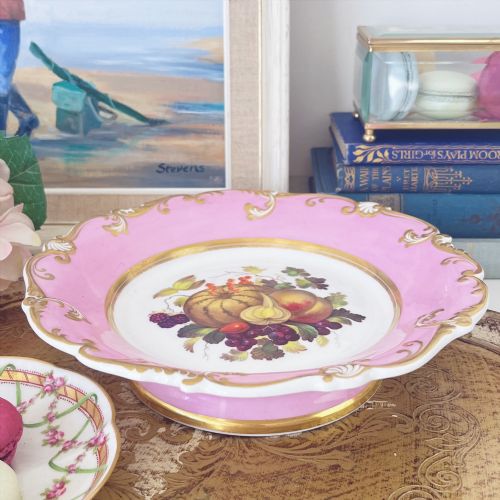
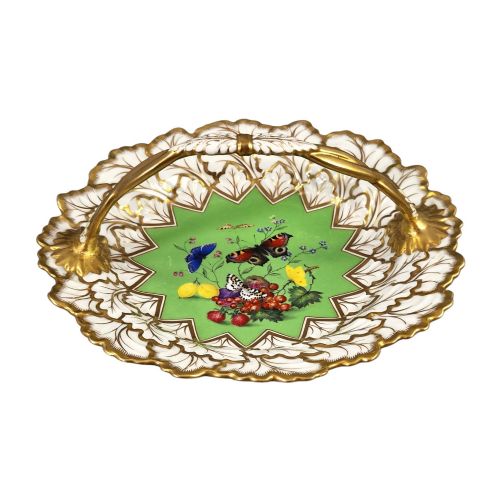
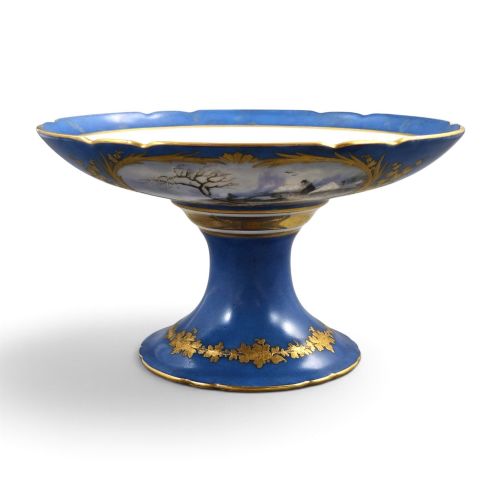
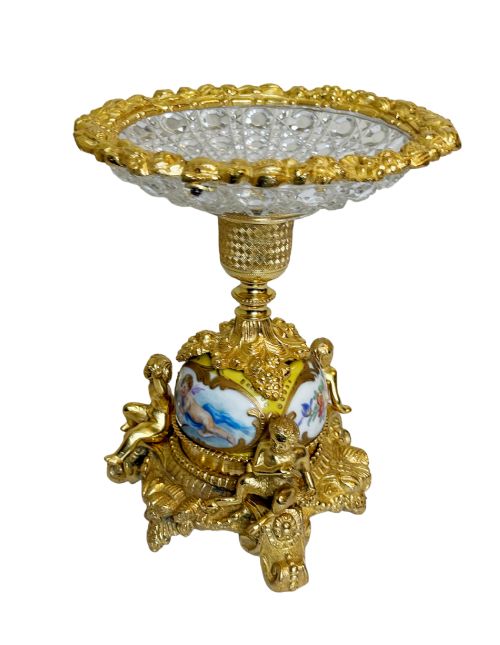
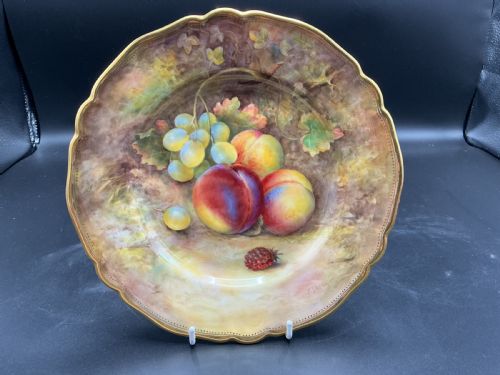
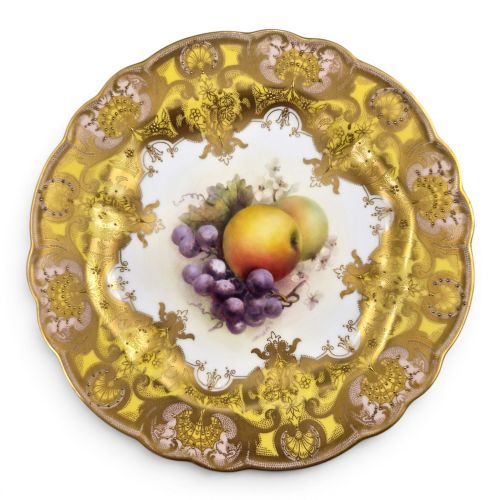
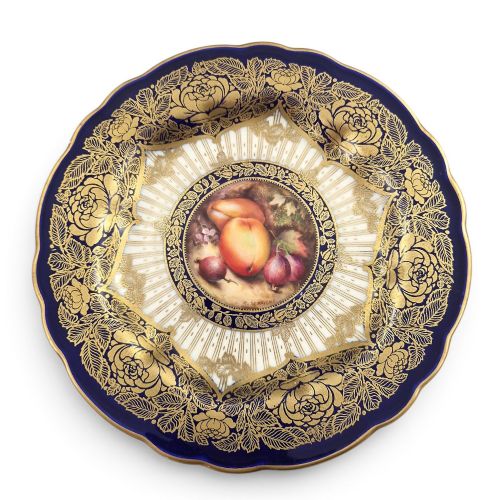
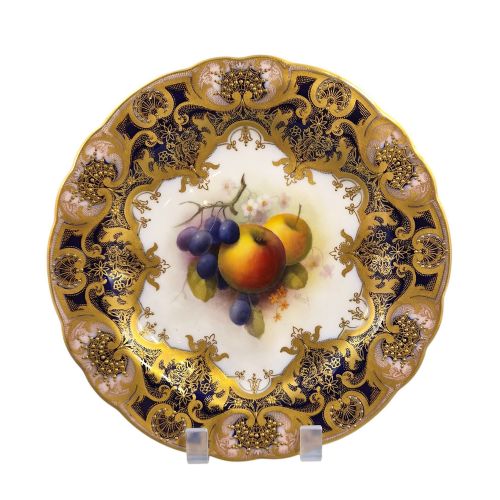
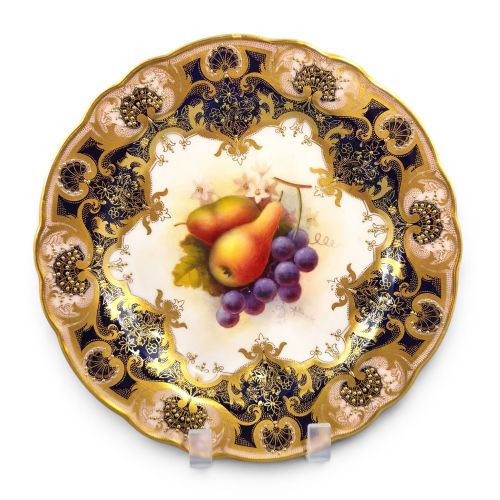
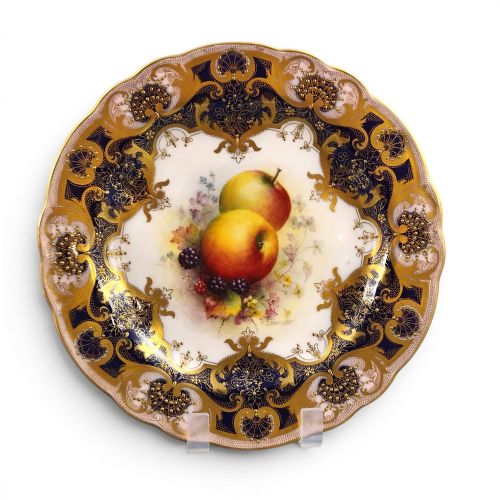
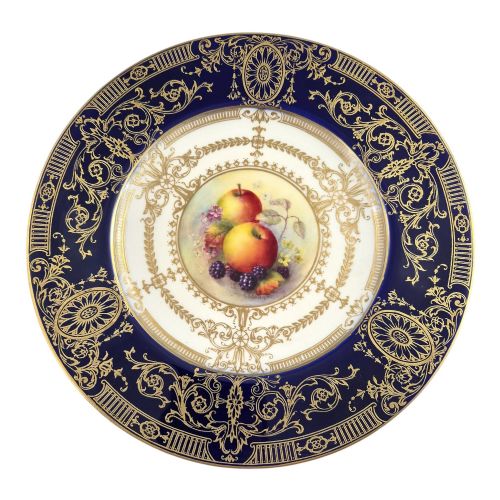
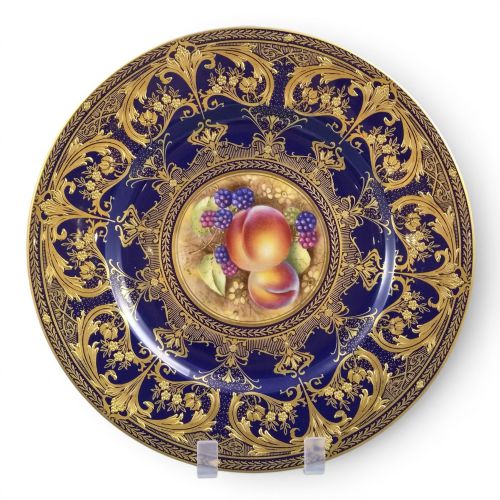
When you search for an antique painted fruit dish, you encounter a varied selection of porcelain and pottery service pieces designed to present dessert or fruit. These range from cabinet plates and shallow saucers to footed comports, tazzas and large decorative bowls.
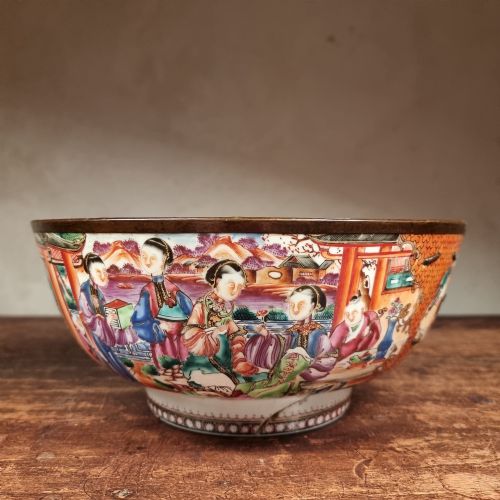
The pieces on this page span the eighteenth, nineteenth and twentieth centuries, touching periods from Georgian and Regency through Victorian, Edwardian and Art Deco. English porcelain factories and Worcester painters feature prominently alongside Japanese Imari and Chinese export ceramics.
Materials and Technique
Makers shaped these dishes in bone china, porcelain, earthenware and ironstone, often finishing them with moulded or scalloped edges. Artisans applied glaze and handpainted fruit motifs directly onto the ceramic body, sometimes incorporating raised gold leaf, gilt borders or enamel detailing.
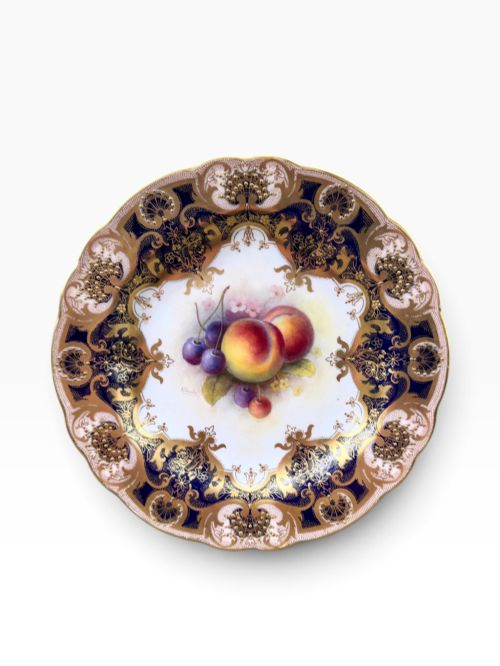
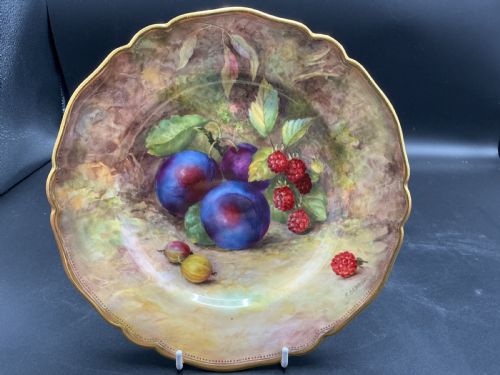
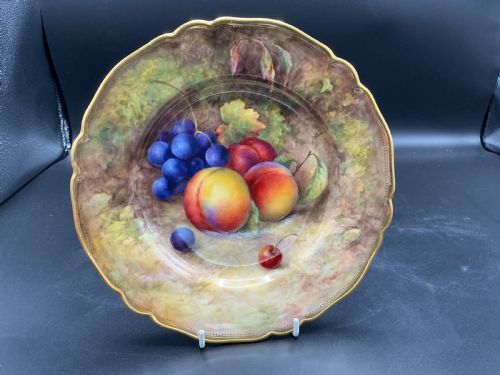
Many of the finest cabinet plates and comports rely on meticulous overglaze brushwork by named artists who specialised in naturalistic fruit studies. Kiln firing fixed these pigments permanently into the glaze, protecting the delicate colours across centuries of handling.
Early porcelain painters occasionally hid tiny beetles among painted peaches to test if strict Victorian guests were actually paying attention.
Judging Quality
Quality in an antique painted fruit dish rests primarily on the sophistication and precision of the brushwork. Master painters achieved depth and realism through careful layering of tones, whereas standard production pieces relied on repetitive stencilling or simpler transfer printing.
The purity of the porcelain body and the crispness of any moulded borders, gilding or enamel work also distinguish high-end cabinet pieces from everyday utilitarian wares. Pieces bearing signatures from established artists or recognised factory marks command closer attention from collectors.
Royal Worcester·H and R Daniel·Flight Barr and Barr·Royal Doulton·Meissen
The Antique Painted Fruit Dish Glossary
- Comport
- A raised footed dish or bowl used traditionally for serving fruit or sweets at the table. These often feature shell edges or pierced porcelain walls.
- Cabinet plate
- A decorative display plate not intended for everyday dining. They frequently showcase elaborate handpainted central roundels and heavy gilding.
- Imari
- A style of Japanese export porcelain characterised by a palette of underglaze blue, iron red, and gold. It heavily influenced European ceramic design.
- Ironstone
- A durable type of earthenware patented in the nineteenth century. It provided a strong, heavy body for patterned tableware.
- Tazza
- A shallow saucer-like dish mounted on a central foot or pedestal. It shares similarities in function with the comport.
Antique Painted Fruit Dish: Frequently Asked Questions
How do I identify Royal Worcester fruit pieces?
Look for factory backstamps on the underside that correspond to nineteenth and twentieth-century date codes. Many finer examples also bear the signatures of notable fruit painters directly on the front.
Handwritten pattern numbers or artist names written in script provide additional clues to the exact year of production.
Were these dishes used for actual food?
Many eighteenth and nineteenth-century comports and dessert plates served real food during formal dining courses. Servants used them to present seasonal fruit at the conclusion of a meal.
Later cabinet plates served purely decorative purposes, displayed on walls or inside glass-fronted furniture.
What is a Japanese Imari bowl?
An Imari bowl is a piece of porcelain originating from Japan and decorated in characteristic iron red, cobalt blue and gilt patterns. These designs were widely admired and copied by European potteries throughout the Georgian and Victorian eras.
Original Japanese pieces often display characteristic spur marks on the base from the kiln firing process.