








Porcelain Display Charger Dish
These porcelain display charger dish examples bring colour and scale to a wall or cabinet, drawing the eye with rich pigments and hand-painted detail.
Porcelain Display Charger Dish
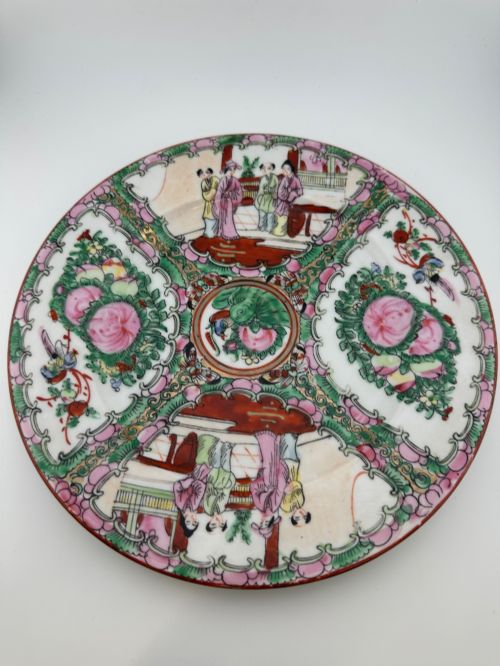
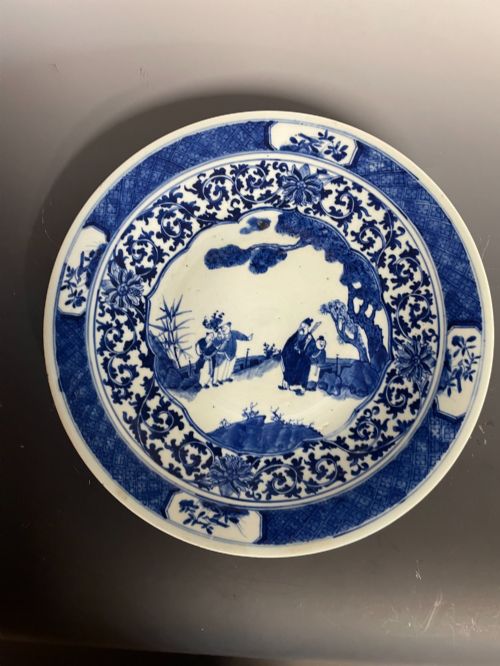
A porcelain display charger dish serves primarily as a decorative centrepiece rather than tableware, designed to be shown off on walls, stands or cabinets. When exploring this selection, buyers encounter everything from large Japanese Imari chargers to delicate European cabinet plates and Chinese export porcelain.
The objects span multiple centuries, reaching from eighteenth-century Delft and Qing Dynasty chargers through to nineteenth-century Meiji period Japanese wares and early twentieth-century British factory pieces. These range across various forms including scalloped dishes, hexagonal plates, reticulated borders and deep decorative bowls.
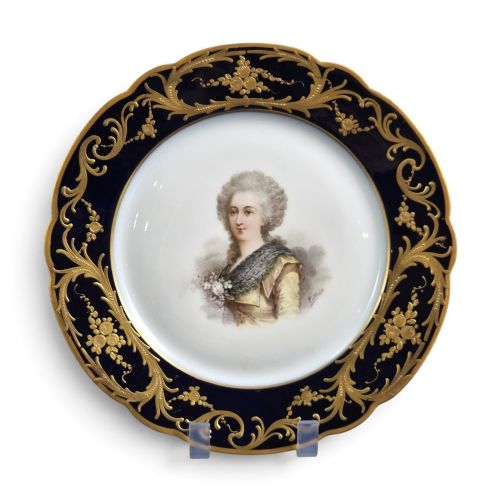
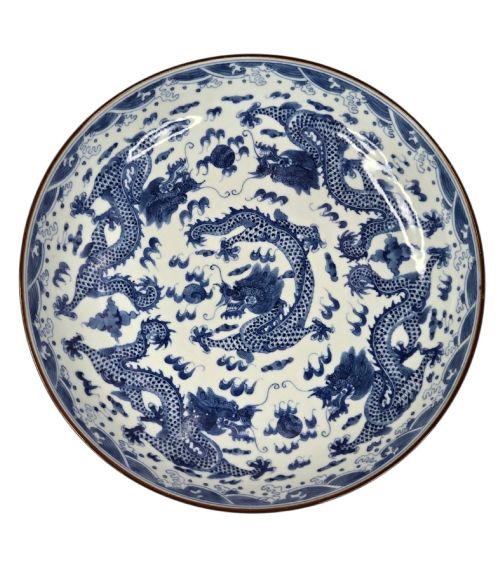
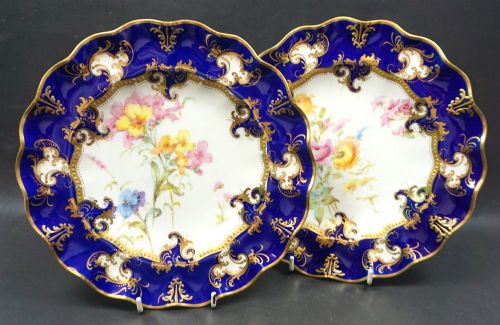
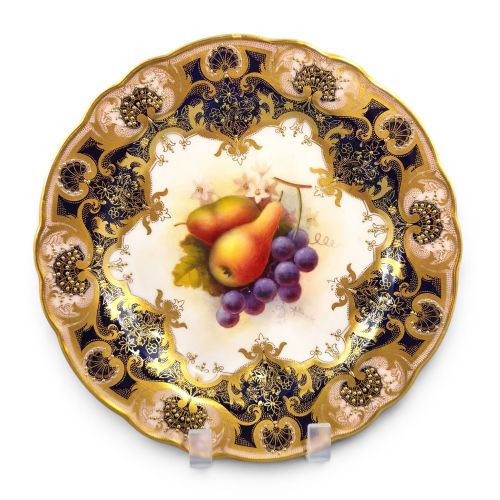
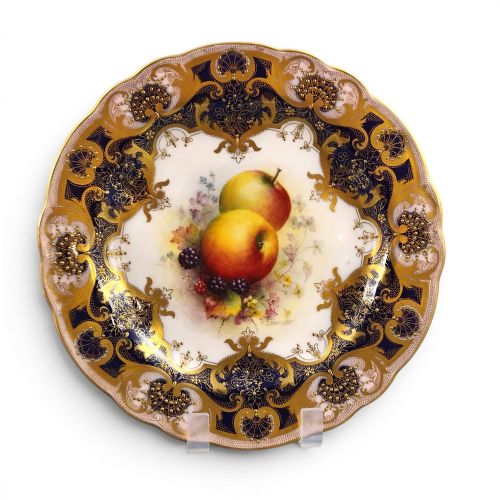
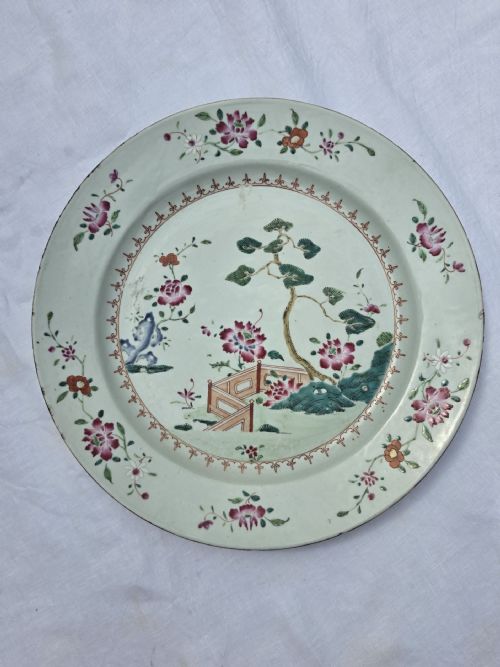
Japanese Imari and Arita wares dominate the selection alongside Chinese blue and white dragons, French portrait plates, and hand-painted fruit designs from English manufactories. Each piece reflects the specific aesthetic of its origin, balancing bold cobalt pigments with intricate enamel work.
How They Were Made
Potters shaped fine clay bodies before applying cobalt underglaze pigments and lead or alkaline glazes, followed by high-temperature firing to achieve durable vitrified surfaces. Many pieces then received secondary overglaze painting in iron-red enamels and gold leaf or gilding, requiring an additional lower-temperature kiln run to set the metallic details.
Techniques varied by region, from the intricate cloisonné-style wirework on Japanese Totai Shippo plates to the pierced reticulation seen on European porcelain. Artisans employed hand-brushing for botanical, avian and figural motifs, building depth through layered washes of cobalt and polychrome enamels.
Several plates feature exotic birds staring fixedly into space, apparently unfazed by the dragons writhing nearby.
What Varies in Quality
Purity of the white porcelain body and control during the glazing process separate standard production pieces from masterworks. Superior items display clean kiln results without warping or intrusive firing specks in the translucent paste.
The precision and density of the hand-painted brushwork dictate artistic merit. Finer examples exhibit confident cobalt underglaze lines and meticulously registered enamel details that remain crisp across complex floral, bird or dragon motifs.
Royal Worcester·Royal Crown Derby·Koshida·John Ford·Pucher Deroche
The Porcelain Display Charger Dish Glossary
- Charger
- A large decorative plate or platter originally intended for ceremonial dining or grand display. They measure significantly wider than standard dinner plates and often occupy a central position on a wall or dresser.
- Imari
- A style of Japanese export porcelain originating from the town of Arita and shipped through the port of Imari. These pieces typically combine underglaze cobalt blue with iron-red and gold overglaze decoration.
- Cabinet Plate
- A smaller decorative ceramic plate made strictly for display in a glass-fronted cabinet rather than practical use. They frequently feature elaborate hand-painted scenes, gilt edges, or notable artist signatures.
- Cobalt Underglaze
- A blue pigment applied to the raw clay body before glazing and firing at high temperatures. This technique locks the deep blue colour permanently beneath a glossy glass layer.
- Reticulated
- Describes ceramics featuring openwork patterns cut into the rim or body before firing. This lattice effect requires great skill to prevent distortion in the kiln heat.
Porcelain Display Charger Dish: Frequently Asked Questions
How were charger dishes displayed in period interiors?
Large chargers were traditionally stood upright on sideboards, mounted on walls using specialised wire hangers, or placed centrally on dining tables for decorative effect.
Their substantial diameters and vibrant colour palettes allowed them to catch light and anchor the visual weight of a room's decor.
What is the difference between a charger and a cabinet plate?
Chargers are significantly larger, typically measuring upwards of thirty centimetres across, and were designed to make a bold statement on walls or large furniture surfaces.
Cabinet plates are more compact, often highlighting delicate artistry, portraiture or signed botanical studies meant for close viewing inside display furniture.
How do I care for antique porcelain display pieces?
Keep these items out of direct sunlight to prevent the overglaze enamels and gilding from fading over time. Dust them gently with a soft, dry brush and avoid using water or chemical cleaners, especially on pieces featuring delicate gold leaf.