
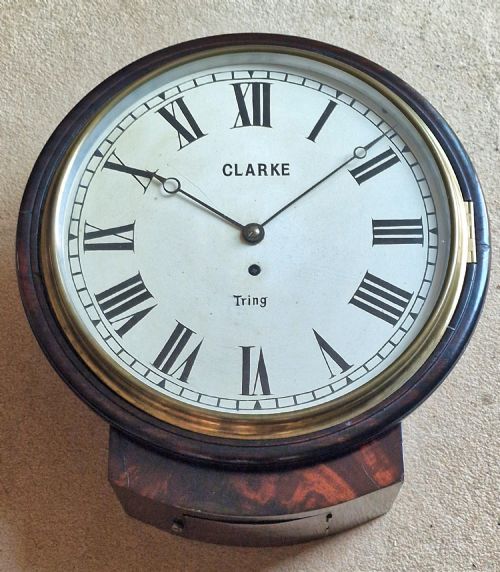
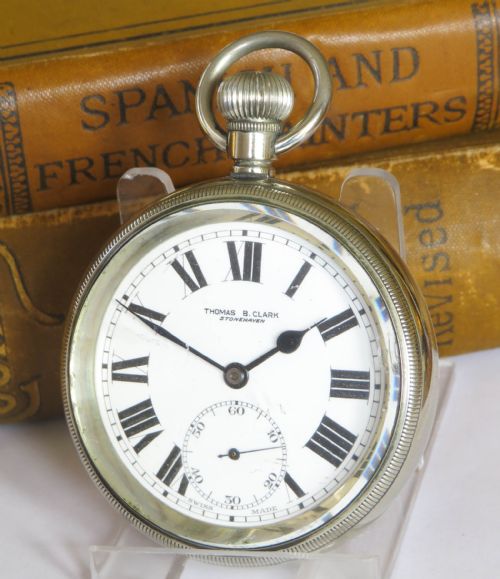
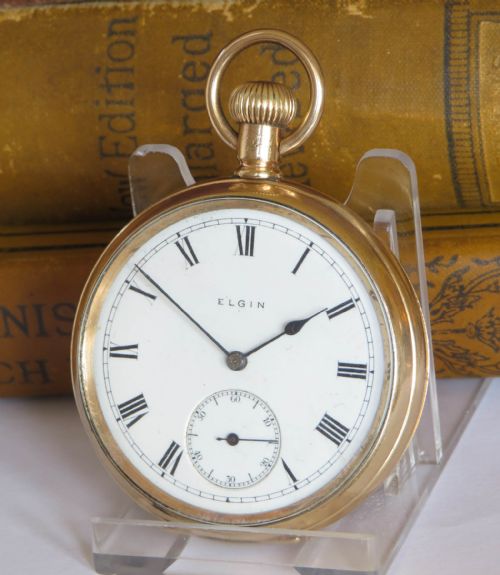
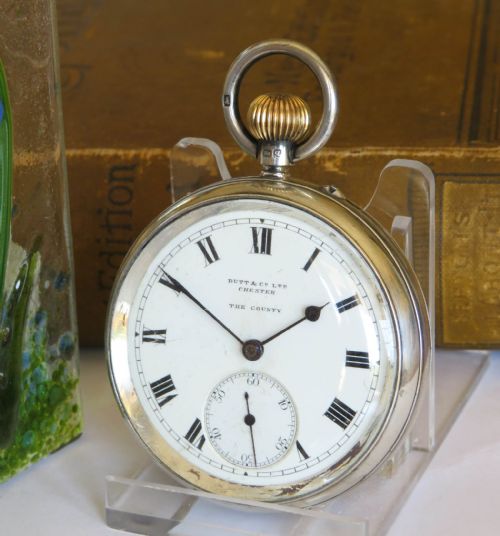
Roman Numeral Timepiece
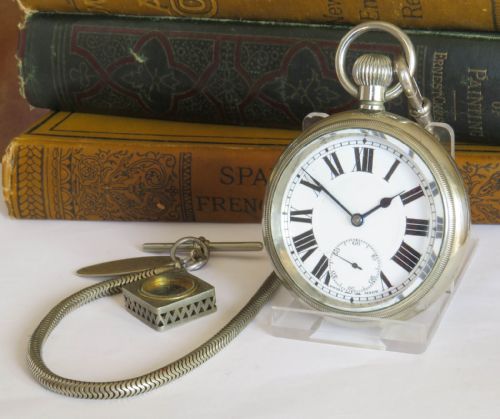
A roman numeral timepiece brings a precise historic dial to your desk or pocket.
What these pieces are
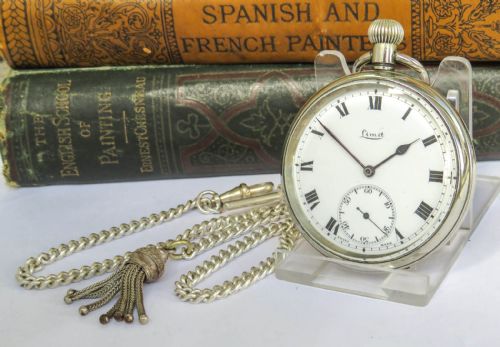
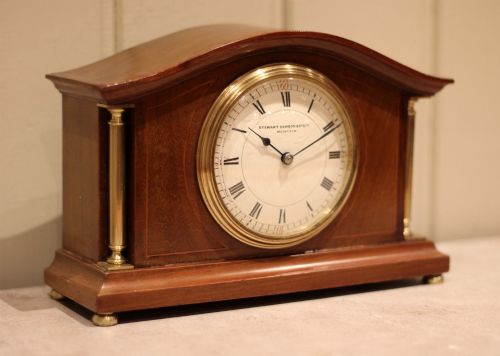
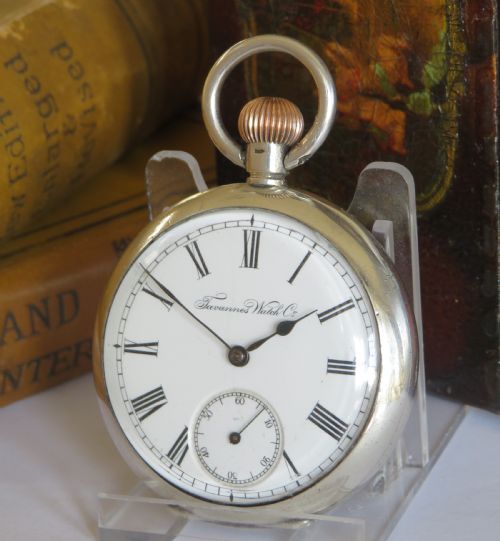
When you search for a roman numeral timepiece, you are looking at functional objects built across the early twentieth century, including the Edwardian era and the 1920s Art Deco period. These items survive as pocket watches and mantel clocks.
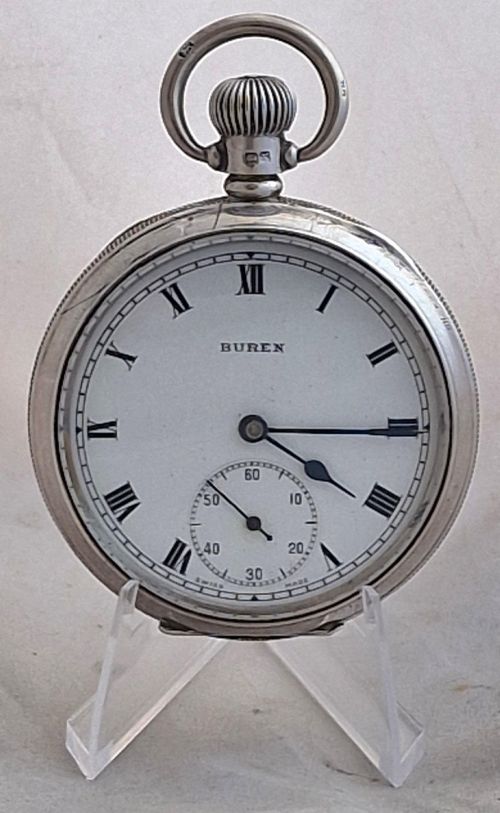
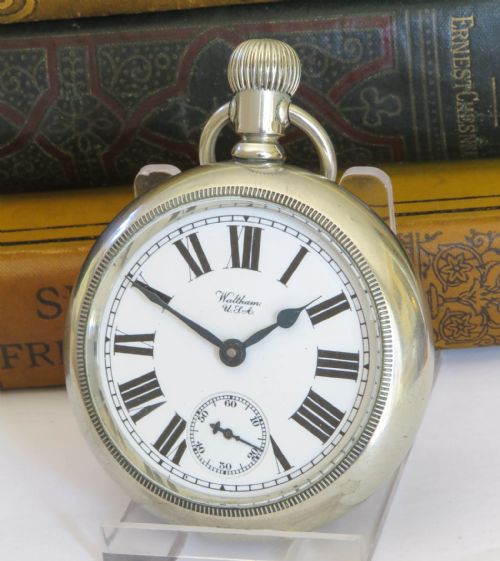
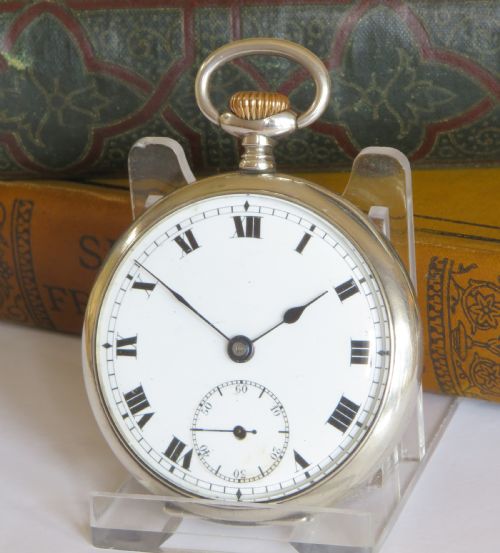
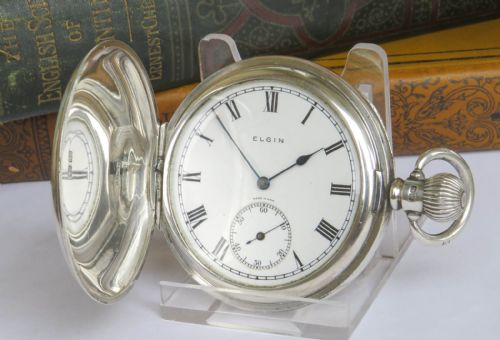
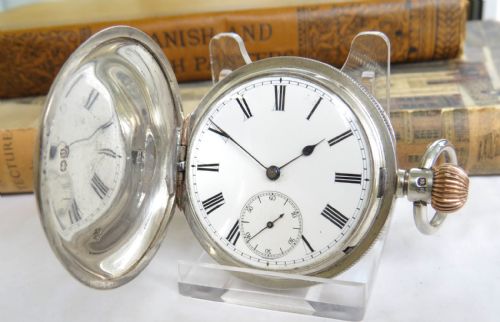
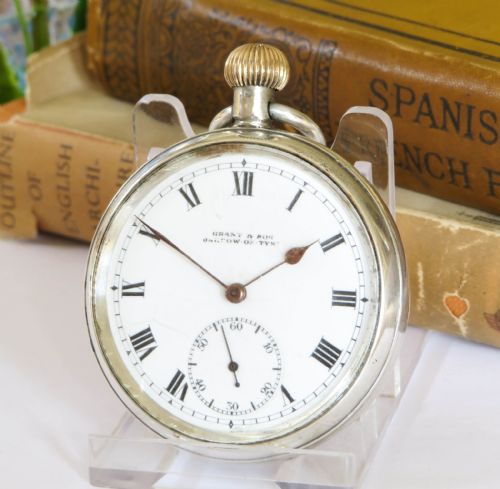
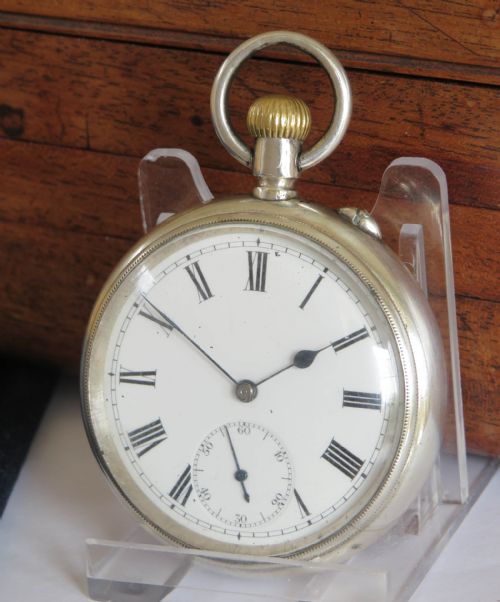
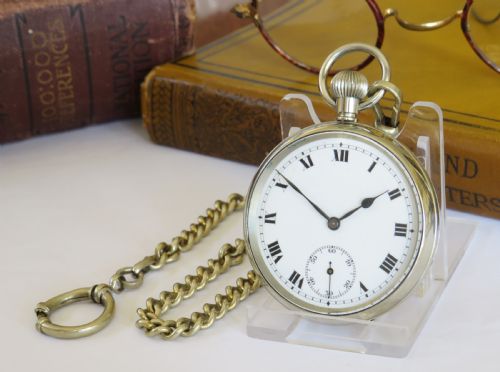
The most common version you will meet on this page is the silver pocket watch from the 1920s or 1910s, alongside mahogany mantel clocks and half hunter designs from the same decades.
How they were made
Materials span glass, enamel, silver, gold, gold plate, mahogany, and brass. Timepieces combine these elements into portable watches and wooden desk clocks.
Enamel dials provide the white background for the distinct numerals, housed in cases of silver, gold, or mahogany.
Retail Price Guide 2026
Typical UK retail prices for roman numeral timepiece, calculated from the Sellingantiques database of over a million retail prices indexed since 2003. This retail price guide relies exclusively on Sellingantiques data; no external sources or auction records are used, so the figures do not describe the wider market.
Half hunter watches let impatient time-checkers peek at the roman numerals through a tiny window without opening the lid.
What varies in quality
Quality rests in the choice of casing materials, ranging from simple brass and gold plate to solid silver and rich mahogany timber. The refinement of the enamel dial and the crispness of the painted or applied numerals dictate the visual standard.
Early twentieth-century pieces display varying degrees of decorative restraint, shifting from ornate Edwardian flourishes to the geometric discipline of the 1920s Art Deco style.
Buren·The County·Consul
The Roman Numeral Timepiece Glossary
- Half hunter pocket watch
- A pocket watch featuring a case with a glass or open centre panel in the cover, allowing the wearer to see the roman numerals without opening the watch entirely.
- Mantel clock
- A household clock designed to sit on the mantelpiece above a fireplace, often constructed from mahogany and driven by a mechanical movement.
- Edwardian
- A stylistic period spanning the reign of King Edward VII, noted in these listings for pieces originating around 1910.
- Art Deco
- A design style of the 1920s and 1930s characterised by sleek lines and geometric forms, visible in the typography and case shapes.
Frequently Asked Questions
How do I date a mantel clock?
Dating relies on the materials, the construction of the wooden case, and the stylistic cues of the dial. Mahogany timepieces from this selection typically point toward the Edwardian period or the early twentieth century.
Comparing the typeface of the roman numerals against known design periods helps narrow down the decade of manufacture.
What materials were used for these watches?
Pocket watches and clocks from this era utilise a mix of metals and natural substances. Common components include silver, gold, gold plate, brass, glass, and enamel.
Enamel provides the smooth, durable surface for the numerals, while silver and gold form the protective outer cases.
How should I display a mahogany timepiece?
A mahogany timepiece mantel clock suits a flat surface away from direct heat sources and excessive moisture. Placing it on a mantel or a sturdy desk keeps the movement stable and visible.
Regular placement in a stable environment protects both the wooden housing and the delicate interior mechanics.