



Rococo Revival Wall Mirrors
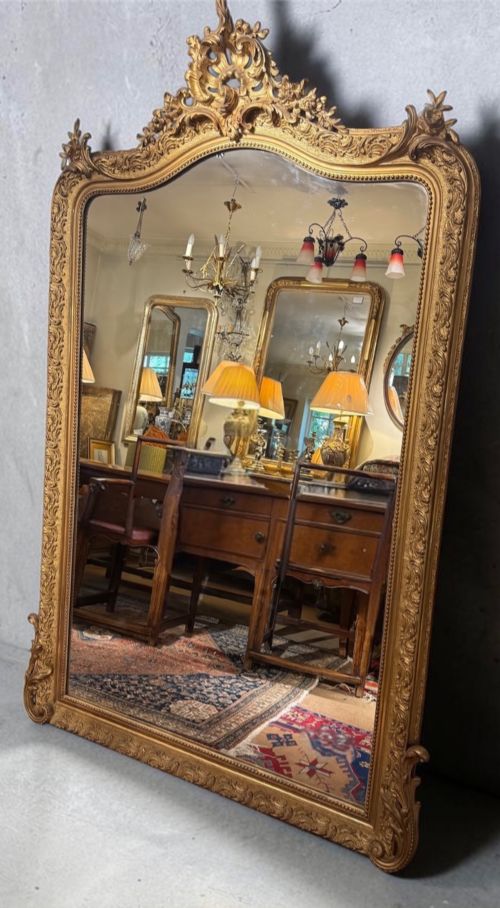
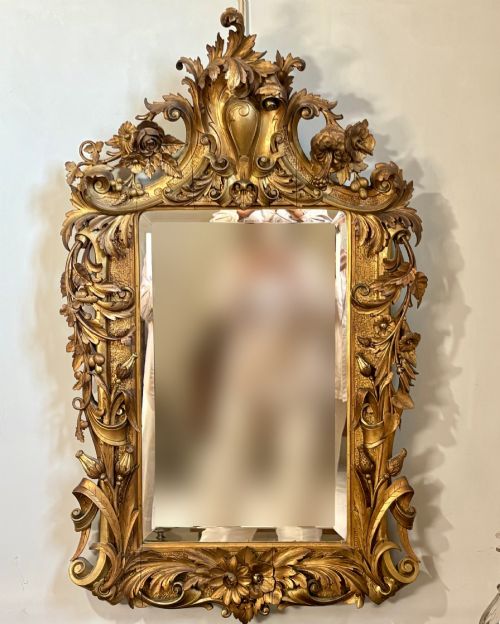
Rococo revival wall mirrors bring nineteenth-century theatricality to a room through asymmetrical curves, scrolling foliage and lavish gilded surfaces.
Rococo Revival Wall Mirrors
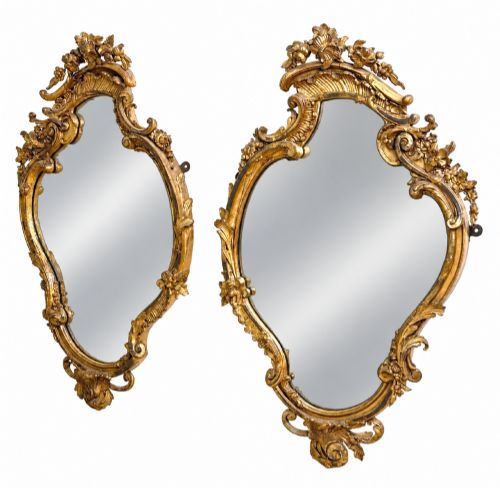
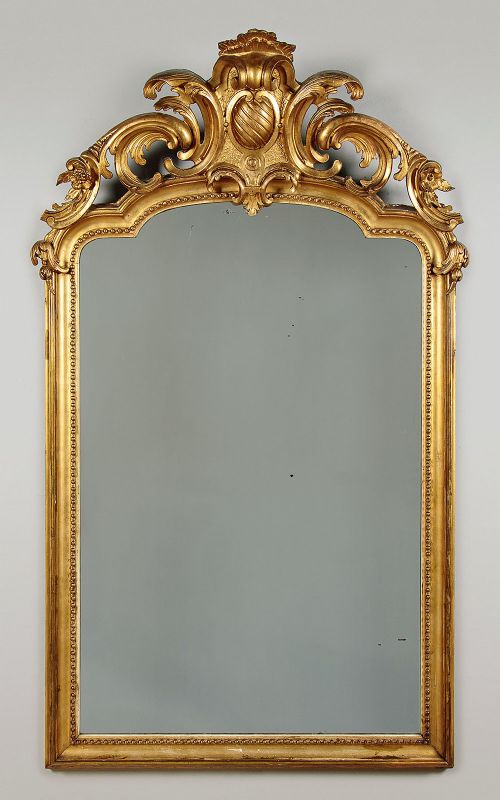
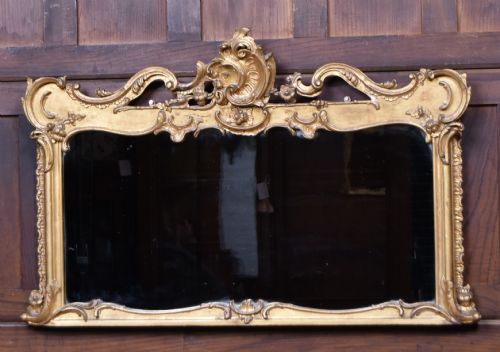
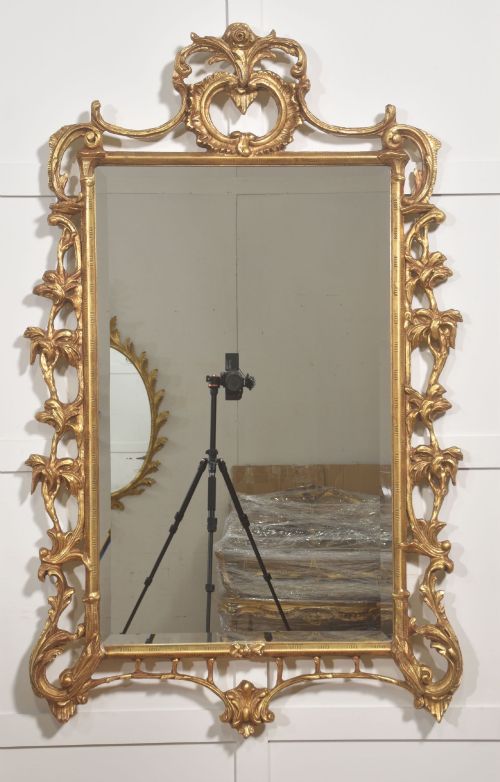
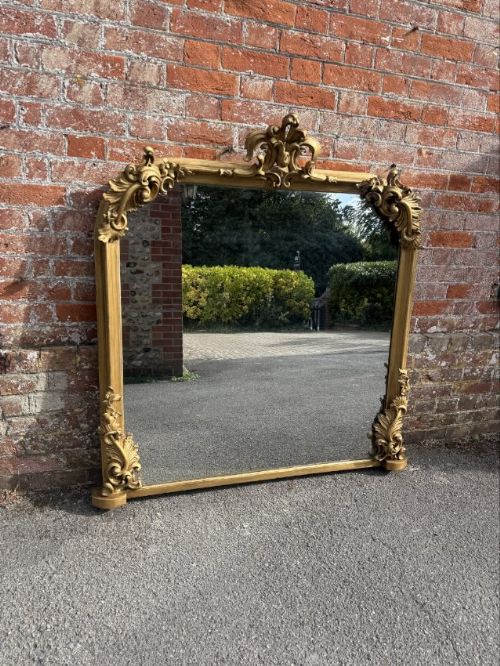
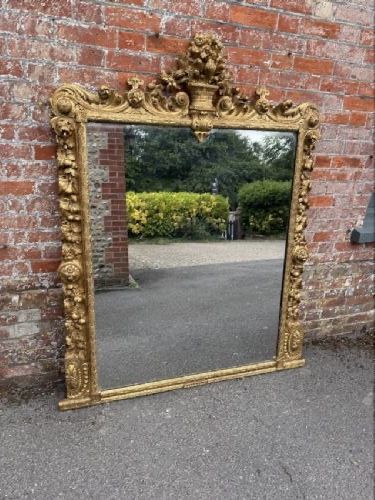
Rococo revival wall mirrors comprise nineteenth-century pieces designed to echo the exuberant scrollwork of the eighteenth-century French taste. These items emerge frequently as large overmantel mirrors, pier glasses and tall dressing mirrors intended to dominate a reception room wall.
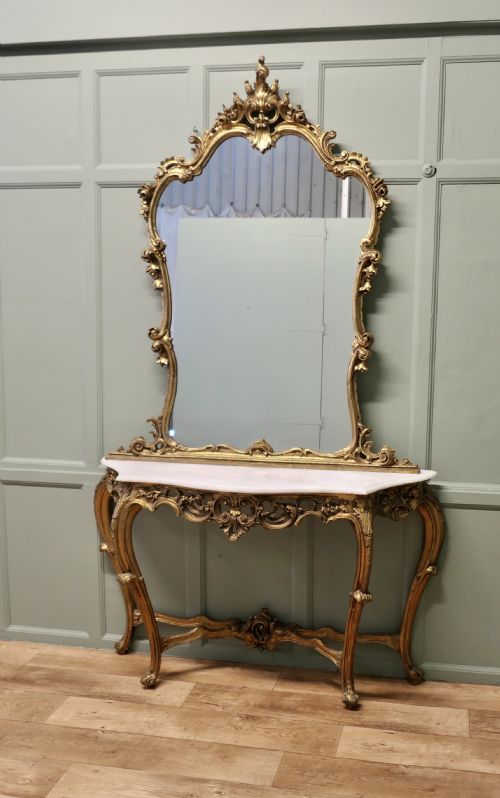
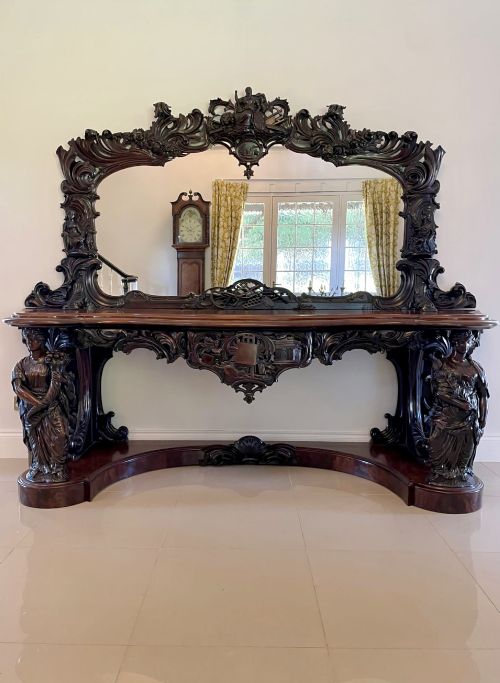
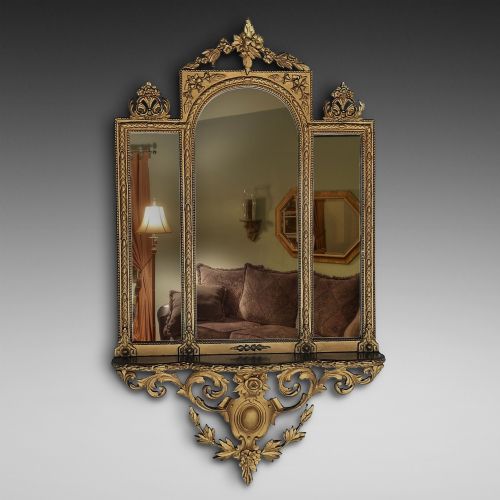
The inventory on this page spans the Victorian era into the early twentieth century, taking in English, French and Italian interpretations of the style. Many examples adopt cartouche or arched forms alongside console table and mirror sets created for grand domestic interiors.
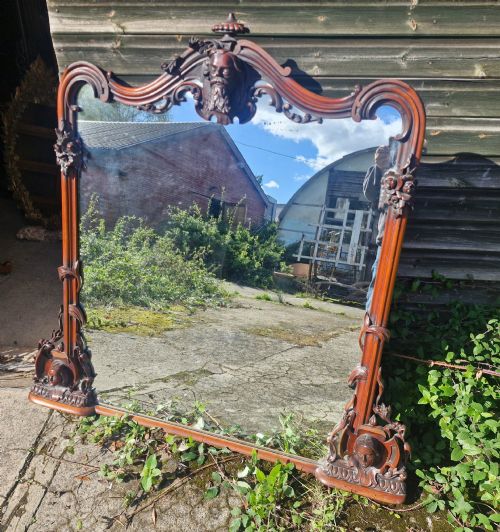
Makers and workshops of the period also produced robust mahogany and oak frames alongside traditional giltwood, demonstrating how diverse the revival aesthetic proved across Europe.
How They Were Made
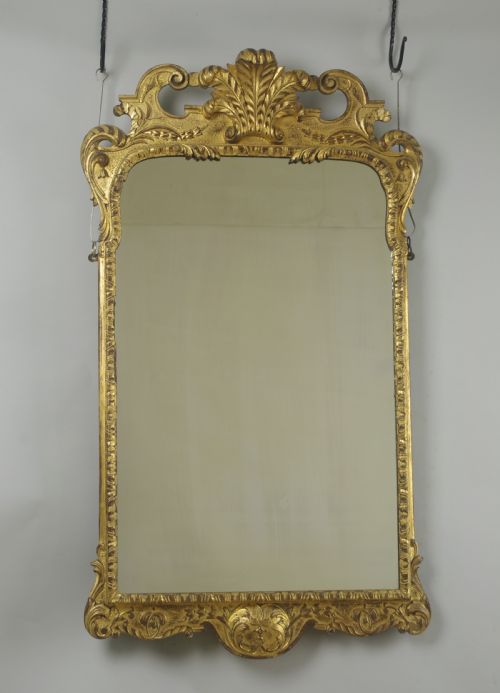
Giltwood and gesso form the primary vocabulary of these pieces, applied over carved wood cores to achieve shimmering, reflective surfaces. Artisans carved intricate C-scrolls, foliage and floral motifs directly into timber or moulded them in composition ornament before applying gold leaf.
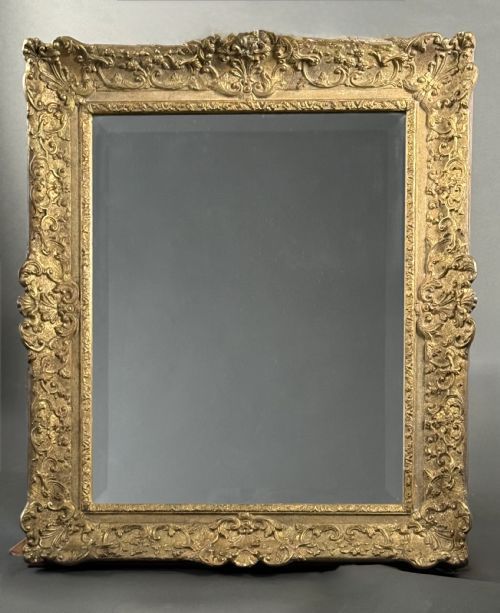
Alternative materials include carved mahogany, oak, brass and even porcelain, reflecting the varied manufacturing centres of Victorian Britain and the Continent. Heavy mirror plates, sometimes bevelled, were secured into these elaborate frames to serve expansive domestic spaces.
Rococo Revival Wall Mirrors Retail Price Guide 2026
Typical asking prices for rococo revival wall mirrors among the pieces listed under this phrase on Sellingantiques today, from the lower quarter to the upper quarter. They describe what is for sale here now, not the wider market.
Listings feature pieces spanning the nineteenth century, incorporating Victorian, Edwardian and Continental periods alongside materials such as mahogany, oak, gesso and giltwood.
What Varies in Quality
Quality rests upon the depth and crispness of the carving, distinguishing hand-tooled wooden ornament from mass-produced composition mouldings. Superior examples exhibit fluid, undercut scrollwork where the asymmetric forms possess genuine sculptural weight rather than flat rigidity.
The integrity of the gilding and the preservation of the original mirror plate contribute significantly to a piece's standing. Exhibition-quality items demonstrate meticulous joinery and harmonious proportions that retain their decorative power across centuries.
The Rococo Revival Wall Mirrors Glossary
- Cartouche form
- A frame shape resembling an unfurled parchment scroll with symmetrical or asymmetrical rolled edges. This outline is frequently seen in mid-nineteenth-century gilt mirrors.
- Overmantel mirror
- A large glass designed specifically to hang above a fireplace mantelpiece. These pieces often feature landscape orientations or tall arch tops to suit chimney breasts.
- Gesso
- A plaster-like mixture applied to wooden frames as a smooth base for gilding. It accepts fine detail work before the application of gold leaf.
- Pier glass
- A tall, narrow mirror designed to hang on the wall space between windows. They often paired directly with console tables situated below.
- Louis Revival
- A nineteenth-century style drawing inspiration from the French reigns of Louis XV and Louis XVI. It heavily informs the asymmetric curves of rococo wall pieces.
Rococo Revival Wall Mirrors: Frequently Asked Questions
Where should I hang an overmantel mirror?
These large pieces sit naturally above a fireplace mantelpiece, where nineteenth-century rooms traditionally anchored their primary decorative focus. Their generous proportions help bounce light across reception spaces and create an illusion of greater architectural depth.
Ensure the wall fixings engage securely with structural studs or masonry, given the considerable weight of timber frames and thick glass plates. Positioning them at a balanced height above the mantel shelf allows the ornate cresting to draw the eye upward without crowding the ceiling.
How do I identify a 19th-century giltwood frame?
Examine the surface under a strong light to observe the layers of gesso and bole beneath thin sheets of gold leaf. Nineteenth-century frames typically show subtle crazing, minor losses revealing reddish under-preparation layers, and hand-carved tool marks on the reverse.
Heavier construction methods using pine or hardwood foundations distinguish these older pieces from lightweight modern resin reproductions. The backboards and fixings should also display appropriate age and patination consistent with Victorian workshop practices.
What is the difference between pier glass and wall mirrors?
Pier glasses were specifically proportioned to hang on the narrow strip of wall between two windows, often reflecting light back into dimly lit Victorian parlours. Standard wall mirrors, by contrast, followed broader rectangular, oval or cartouche formats suited to general room placement.
Many pier glasses were originally commissioned alongside matching console tables to form an integrated wall ensemble. Their vertical emphasis distinguishes them from lower, wider overmantel designs.
How do French and English rococo styles differ?
French interpretations, often associated with Napoleon III or Louis Revival aesthetics, lean heavily into highly asymmetrical, exuberant organic forms with intricate gesso detailing. English versions from the Victorian period frequently temper this wildness with slightly more robust proportions and heavier timber construction.
Both traditions embrace scrolling foliage and shell motifs, but Continental pieces occasionally integrate painted elements or mixed wood frames like oak and gilt gesso. Examining the secondary woods and framing construction usually clarifies the likely country of origin.