




Rococo Revival Overmantel Mirror
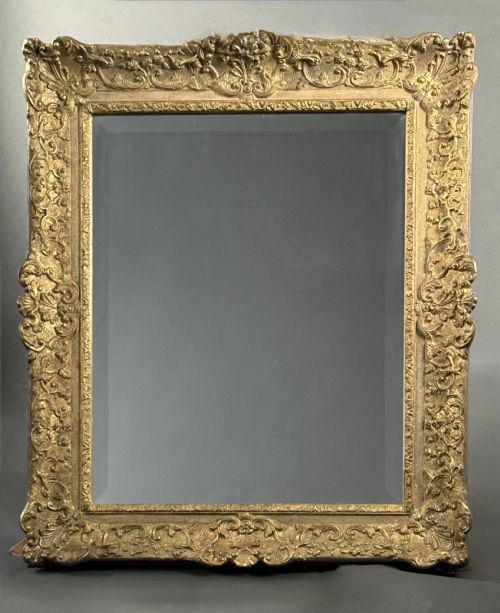
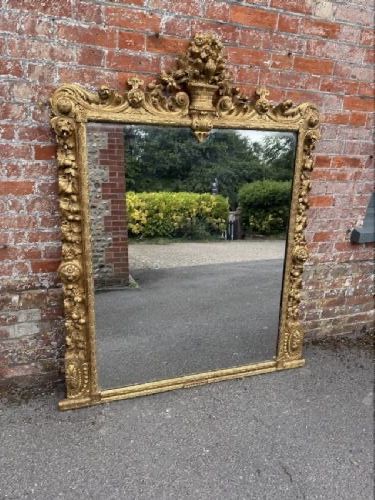
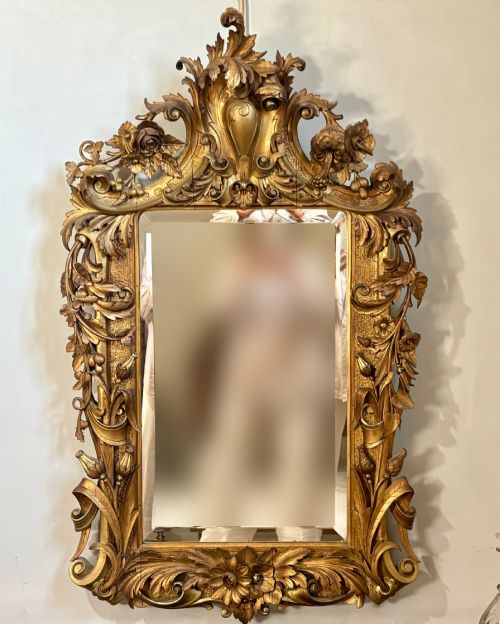
A rococo revival overmantel mirror brings sweeping asymmetry and grand scale to a room, framing reflections with scrolled cartouches and carved organic motifs.
Rococo Revival Overmantel Mirror
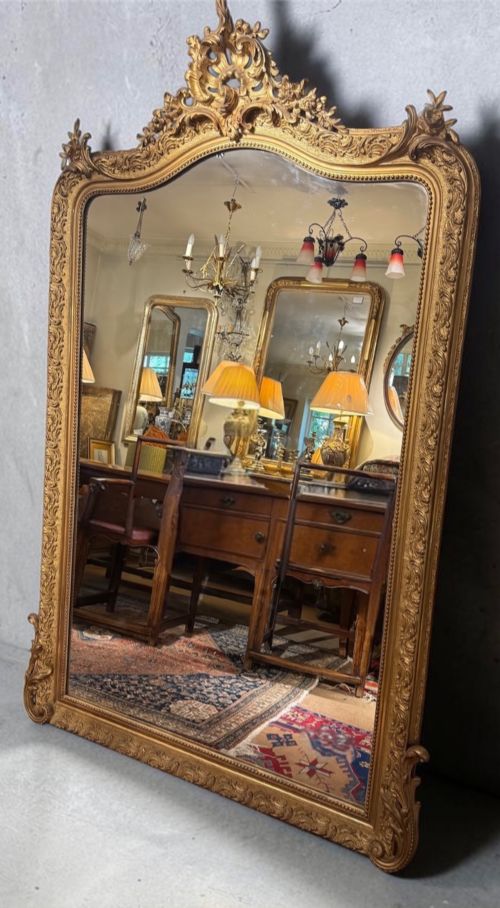
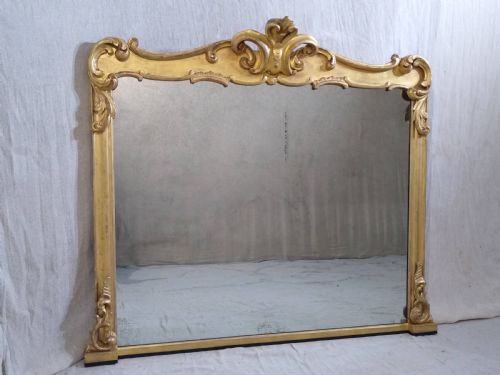
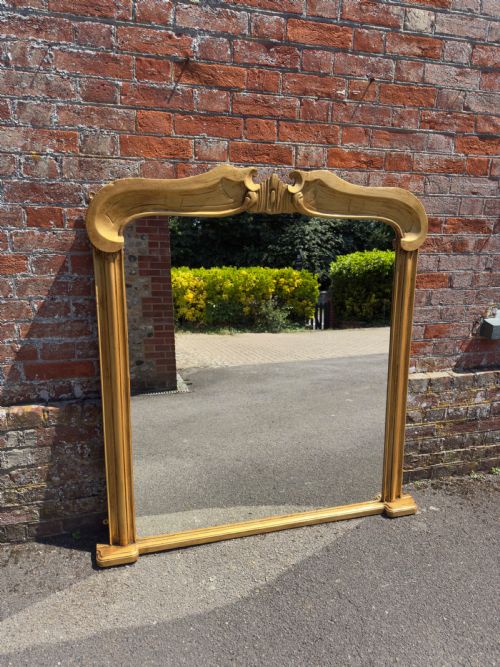
A rococo revival overmantel mirror is a large wall-hanging looking glass designed to sit above a fireplace mantel, drawing heavily on French and English design idioms from the nineteenth century. These pieces often feature generous proportions intended to dominate a chimney breast, reflecting light and amplifying the sense of space within a reception room.
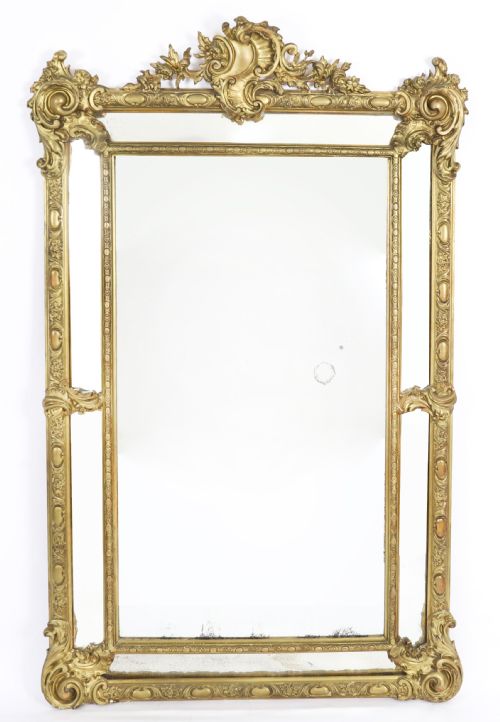
The version most commonly met on this page is the nineteenth century giltwood and gesso framed mirror, frequently dated between eighteen fifty and eighteen eighty. These items display shaped tops, arch tops, and cushion frames ornamented with shell motifs and elaborate crestings, reflecting the Victorian appetite for revivalist grandeur.
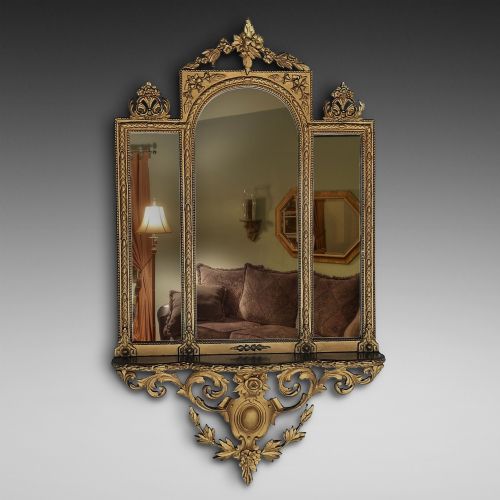
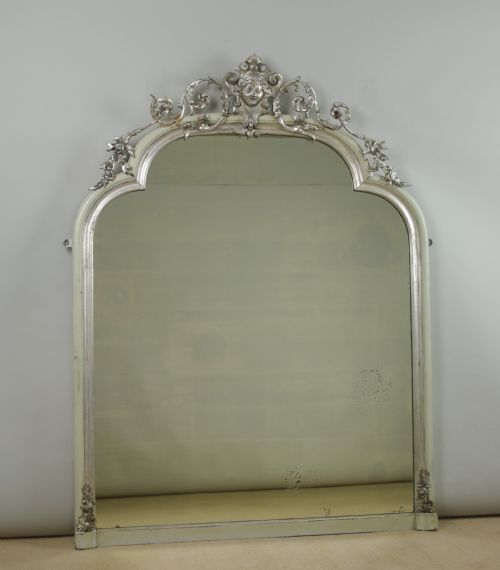
Beyond standard wall mirrors, the selection includes distinct forms such as pier mirrors and sectional pieces originating from French chateau styles or English Victorian workshops. While many adhere to traditional gilt finishes, occasional examples exhibit painted and silvered surfaces or parcel gilt details on carved wood frames.
How they were made
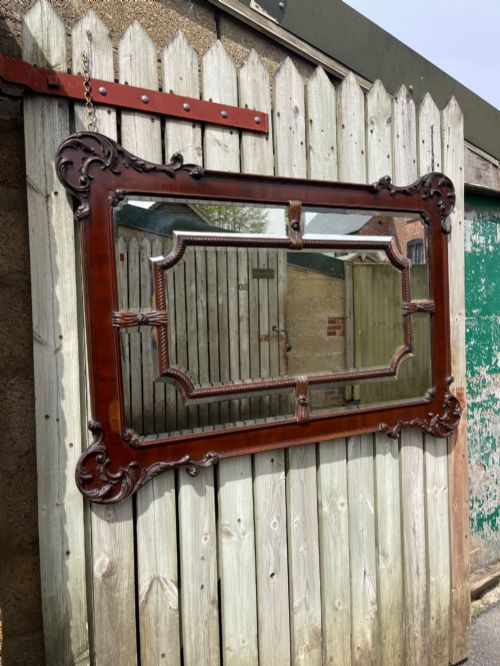
Makers built the heavy foundations of these mirrors from carved wood, utilising timber substrates such as oak or mahogany for structural stability. Over these wooden frames, artisans applied layers of gesso to build up intricate surface reliefs, allowing for deep, sculptural carving of scrolls, leaves, and central cartouches.
Gilding dominated the finishing technique, with craftsmen applying gold leaf or liquid gold paint over the prepared gesso and carved wood. Composition ornament, a mouldable paste pressed into shape and applied to the frame, sped up the creation of repetitive decorative motifs across large overmantels.
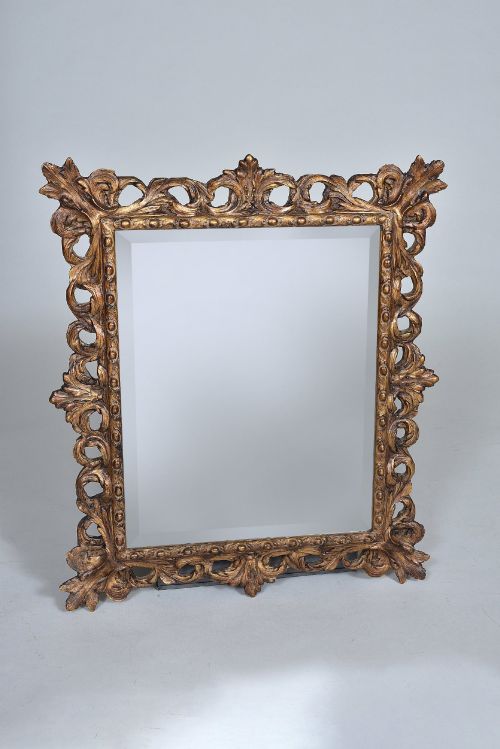
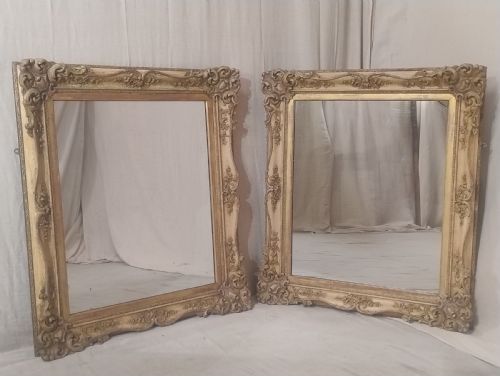
Mirror plates of the period were set into the frames, sometimes featuring bevelled edges that caught and refracted light at oblique angles. Distressed painted finishes and parcel gilt highlights appear on specific nineteenth-century pieces, showing a variety of decorative treatments applied by period workshops.
Rococo Revival Overmantel Mirror Retail Price Guide 2026
Typical asking prices for rococo revival overmantel mirror among the pieces listed under this phrase on Sellingantiques today, from the lower quarter to the upper quarter. They describe what is for sale here now, not the wider market.
Materials recorded across the inventory include traditional glass, giltwood, gesso, composition, and carved wood.
What varies in quality
The depth and crispness of the carving dictate much of the distinction between standard production and superior work. Hand-carved wooden elements retain sharp edges and organic fluidity, whereas heavy reliance on moulded composition can result in softer, less defined ornament.
Proportion and architectural harmony separate fine examples from simpler items. The best pieces balance heavy ornamentation with considered scaling, integrating central cartouches and shell motifs without crowding the glass plate.
The preservation of the original gilt surface and the character of the mirror plate itself influence the desirability of a piece. Retaining untouched layers of gold leaf or gesso indicates a well-maintained history, while original mercury or antique glass plates show subtle foxing and depth.
Sir Willian Trotter
The Rococo Revival Overmantel Mirror Glossary
- Overmantel
- A large mirror designed specifically to be hung on the wall immediately above a fireplace mantelpiece. These pieces anchor the visual weight of a chimney breast.
- Gesso
- A plaster-like mixture applied to wooden frames as a smooth base for gilding and intricate low-relief moulding. It allows crisp detail in decorative scrollwork.
- Giltwood
- Timber that has been coated with gold leaf or gold paint, creating a lustrous metallic finish. It forms the primary visual signature of nineteenth-century revival mirrors.
- Cartouche
- An ornamental tablet or frame resembling a rolled-up piece of parchment, frequently placed centrally on the pediment of these mirrors.
- Cushion mirror
- A mirror featuring a wide, rounded frame profile that curves outward towards the outer edge, echoing mid-nineteenth-century French salon aesthetics.
- Pier mirror
- A tall, narrow looking glass traditionally hung on the solid pier of wall space situated between two windows.
Rococo Revival Overmantel Mirror: Frequently Asked Questions
Where should an overmantel mirror be hung?
These mirrors were originally designed to sit securely on the wall directly above a fireplace mantelpiece, serving as the visual anchor for the chimney breast.
They also function effectively on main reception room walls where their large scale can reflect light and open up the room.
How do I identify a Victorian rococo revival mirror?
Look for characteristic nineteenth-century design markers such as asymmetric scrollwork, shell motifs, and elaborate crestings surrounding a heavy giltwood frame.
Periods like eighteen fifty to eighteen eighty frequently combined carved wood and gesso to achieve this theatrical, revived French style.
What is the difference between giltwood and painted frames?
Giltwood frames feature a surface of applied gold leaf or gold paint over gesso, offering a bright, reflective metallic sheen favoured in formal nineteenth-century interiors.
Painted or silvered variants provide a more subdued or distressed decorative effect, occasionally incorporating parcel gilt highlights.
How heavy are these large antique mirrors?
Due to their solid wooden substrates, thick gesso mouldings, and substantial glass plates, these large mirrors carry significant physical weight.
Proper wall fixings anchored directly into structural studs or masonry are essential for safe installation.