


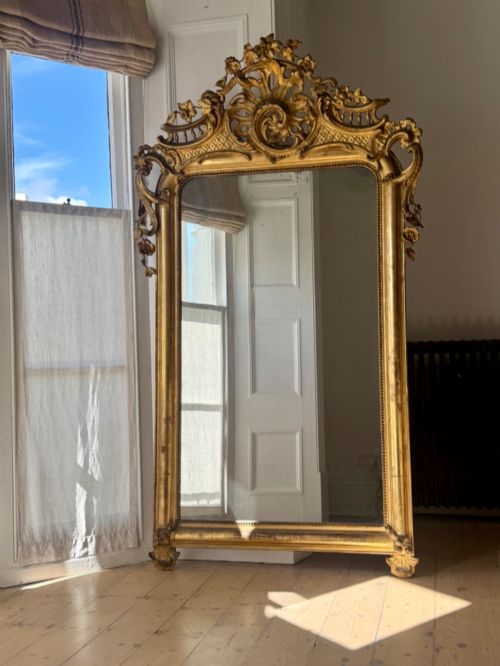
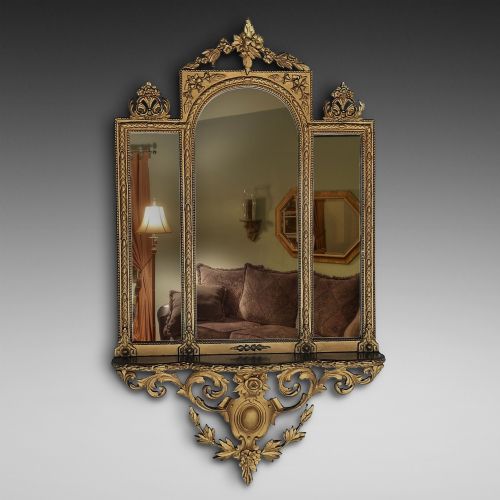
Rococo Carved Mirror Frame
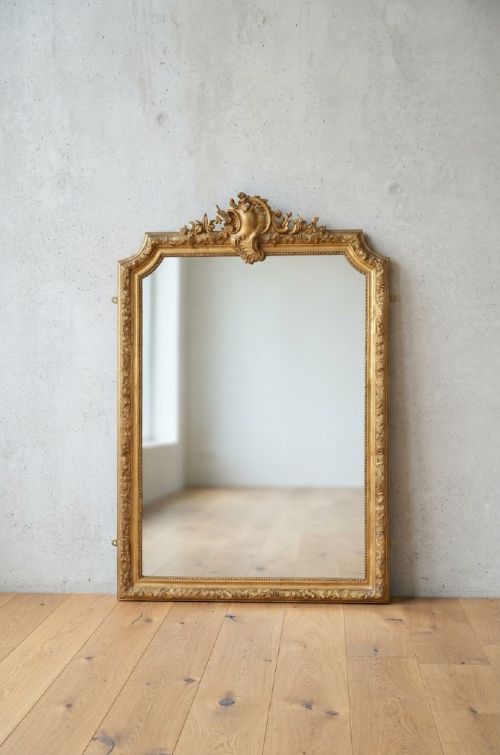
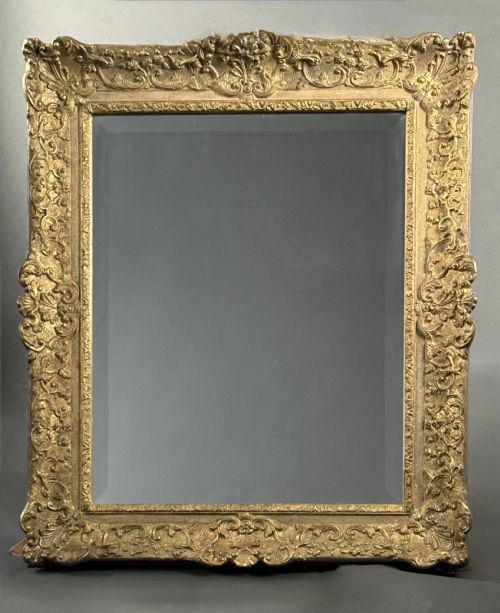
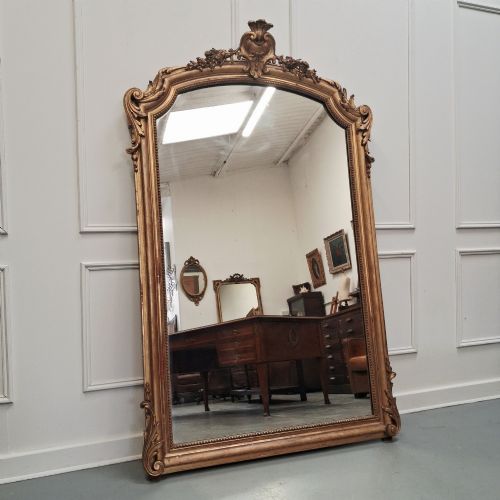
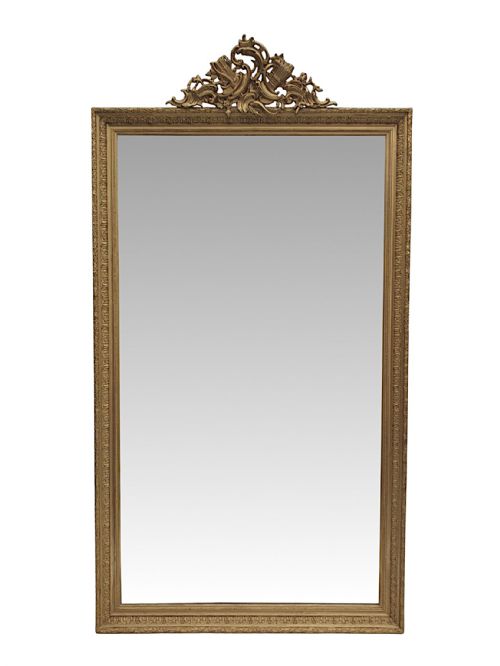
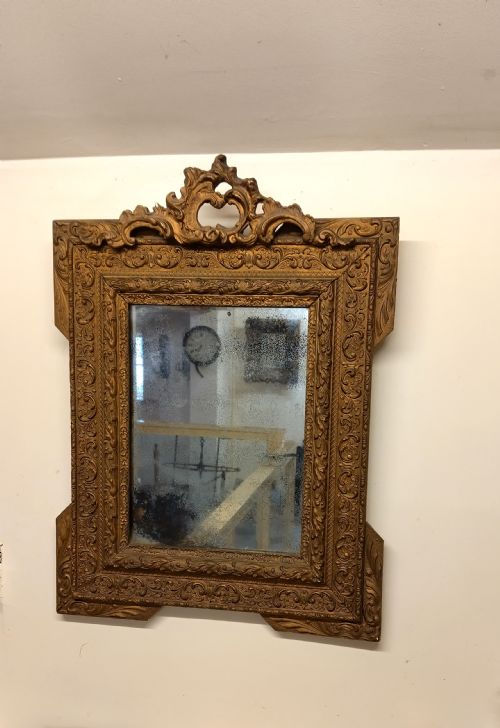
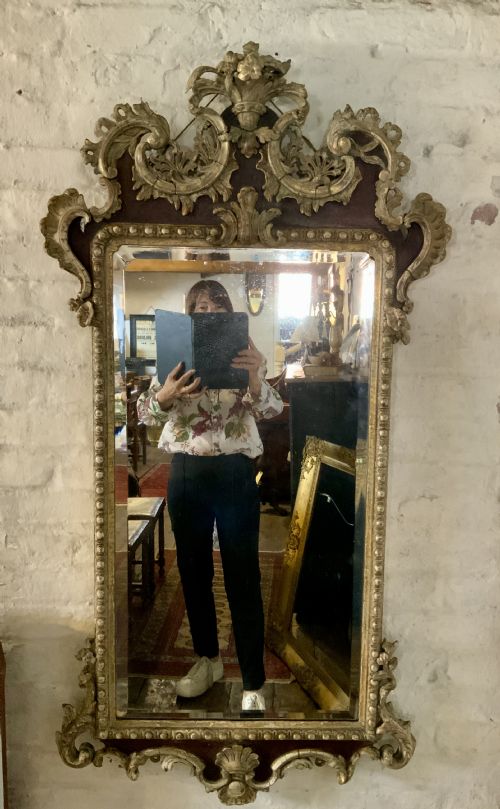
These pieces of rococo carved mirror frame offer ornate asymmetrical scrolling and gilded surfaces designed to command a room.
Rococo Carved Mirror Frame
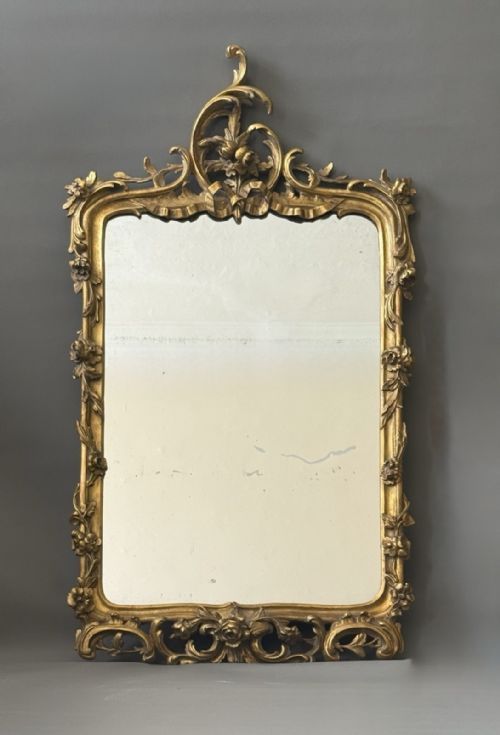
A rococo carved mirror frame provides a decorative surround for wall, overmantel, and pier mirrors, defined by scrolling foliage and asymmetric motifs. These pieces trace origins across French, Italian, and English workshops from the eighteenth century onward, reflecting shifting revivals through the nineteenth and twentieth centuries.
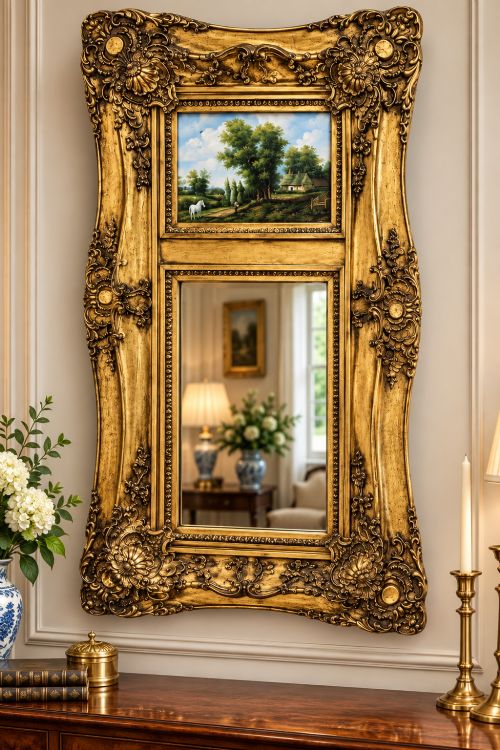
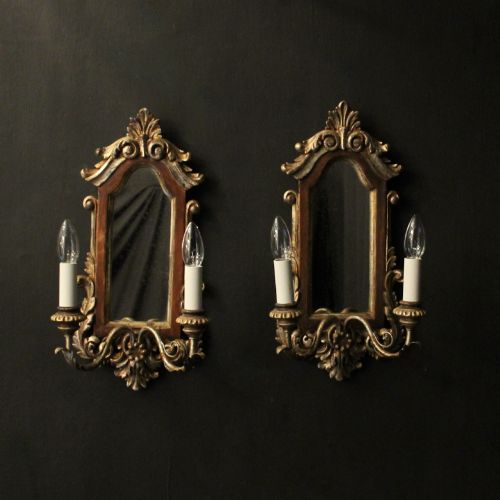
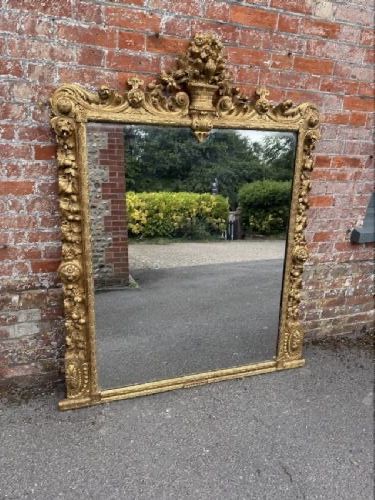
The buyer most frequently meets nineteenth-century interpretations on this page, alongside earlier eighteenth-century examples and later twentieth-century revivals. Forms range from large overmantel mirrors intended for mantelpieces to smaller wall mirrors, girandoles with candle arms, and trumeau panels incorporating oil paintings.
How they were made
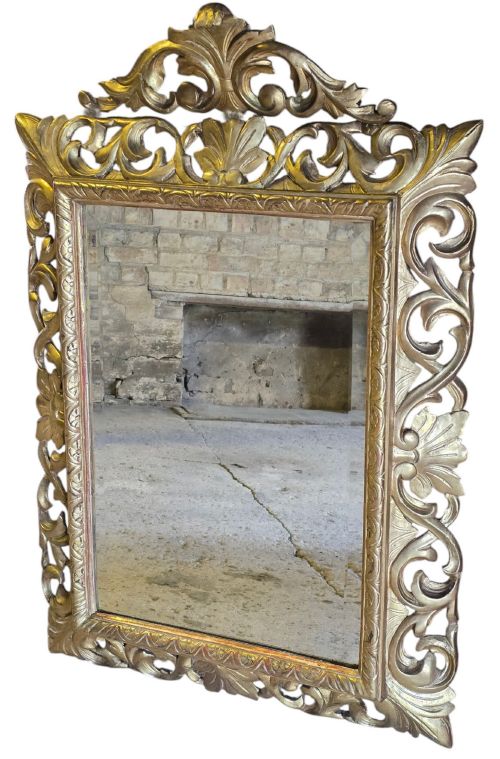
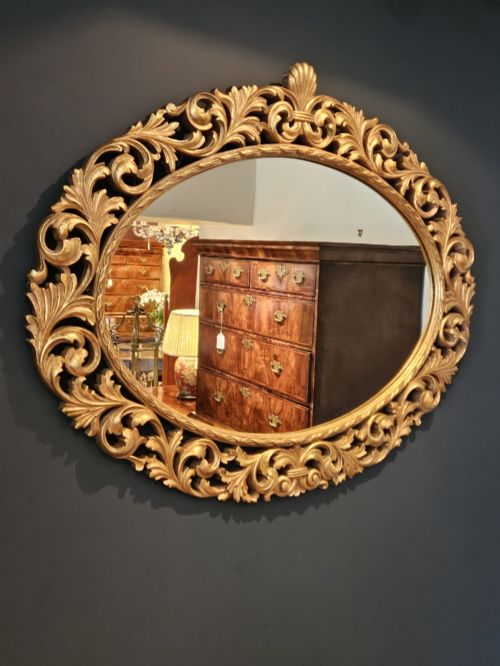
Craftsmen shaped these frames from timber such as oak, walnut, and mahogany, applying layers of gesso to build up the intricate relief work. Carvers then undercut the wood and gesso to create deep scrolls, acanthus leaves, and C-scrolls characteristic of the style.
Decoration relied upon the application of gold leaf, silver leaf, or liquid gilding over the prepared surface. Many older examples incorporate antique mirror plates, including mercury glass, secured within the carved housing.
Listings feature periods spanning the eighteenth, nineteenth, and twentieth centuries, executed in giltwood, gesso, and oak.
What varies in quality
The depth and crispness of the carving separate superior examples from routine ones, as skilled carvers achieved naturalistic movement in foliage and scrolls. Shallow, mechanical moulding indicates mass production rather than the hand-finished depth found in finer pieces.
The integrity of the original gilded surface and gesso foundation dictates the visual weight of the frame. Heavy over-painting obscures the sharpness of the underlying relief, while intact original gilding retains subtle tonal variation across the contours.
The Rococo Carved Mirror Frame Glossary
- Giltwood
- Wood coated with gold leaf over a prepared gesso ground. This finish gives the frame its characteristic metallic sheen.
- Gesso
- A plaster mixture applied to wood frames to provide a smooth base for carving and gilding. It allows for sharp relief details.
- Girandole
- A decorative wall mirror fitted with candle branches or arms. These reflective sconces multiplied candlelight in dark rooms.
- Overmantel Mirror
- A wide mirror designed to hang above a fireplace mantel. These substantial pieces frequently anchor a room's decorative scheme.
- Mercury Glass
- An early type of double-walled glass blown with a silvering mixture inside. It yields a mottled, atmospheric reflection.
- Trumeau
- A decorative wall mirror paired with an oil painting or panel above. Originating in France, these architectural pieces adorned formal salons.
Rococo Carved Mirror Frame: Frequently Asked Questions
How do I hang a heavy overmantel mirror?
These large frames require secure fixing directly into wall studs or masonry using heavy-duty brackets. The substantial weight of timber and glass demands professional installation.
Distributing the load evenly across the frame prevents stress on the historic joints and mitres during hanging.
Can I place these mirrors in direct sunlight?
Direct sunlight accelerates the degradation of historic gilded surfaces and can dry out underlying timbers. Positioning away from intense rays protects both the gold leaf and the antique glass plate.
Stable indoor humidity prevents the gesso foundation from cracking or lifting away from the wooden substrate.
How do I date an antique mirror frame?
Dating relies on examining the construction joints, the backing boards, and the tooling marks within the carved gesso. Earlier pieces often display hand-sawn timbers and irregular mirror plates.
Stylistic shifts between eighteenth-century originals and nineteenth-century revivals appear in the symmetry, wood choice, and depth of relief.