
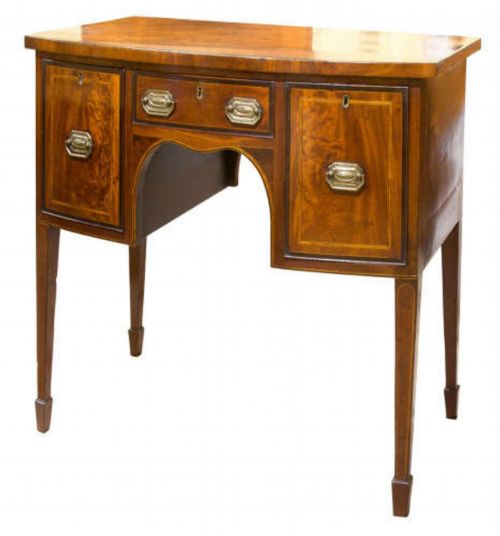
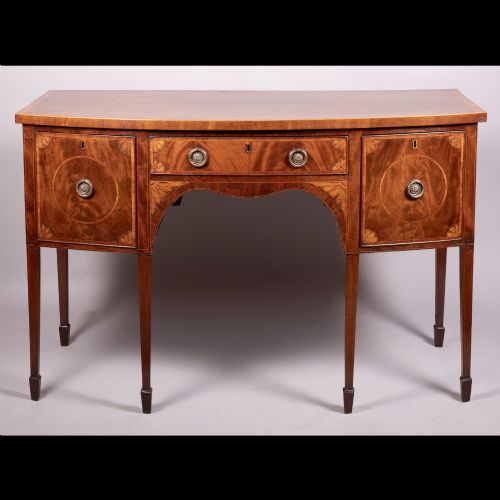


Rich Brown Sideboard
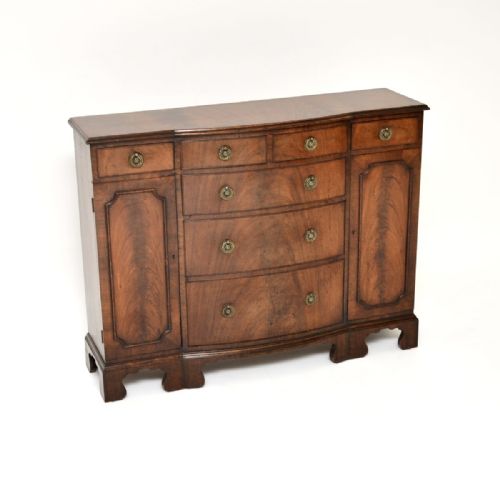
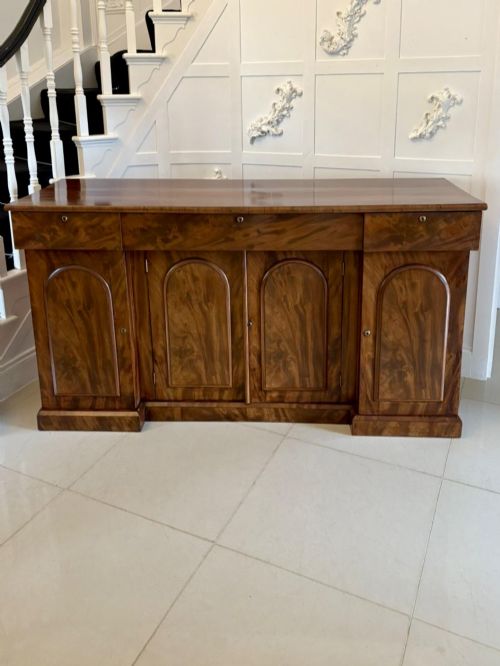
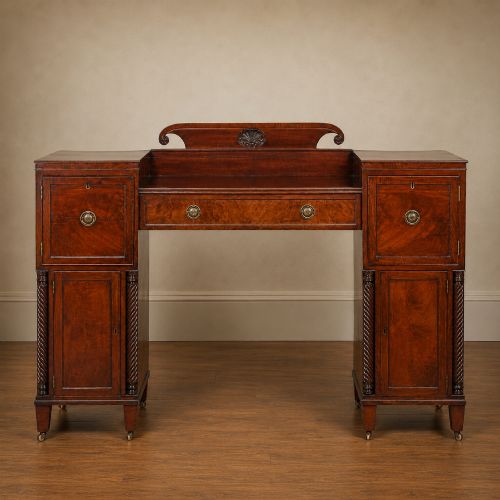
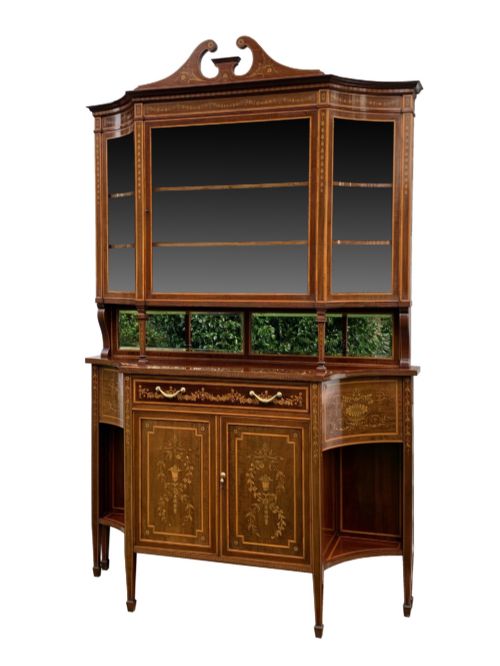
A rich brown sideboard brings warmth and deep timber grain to a room, offering generous storage through substantial Victorian and revival forms.
Understanding the rich brown sideboard
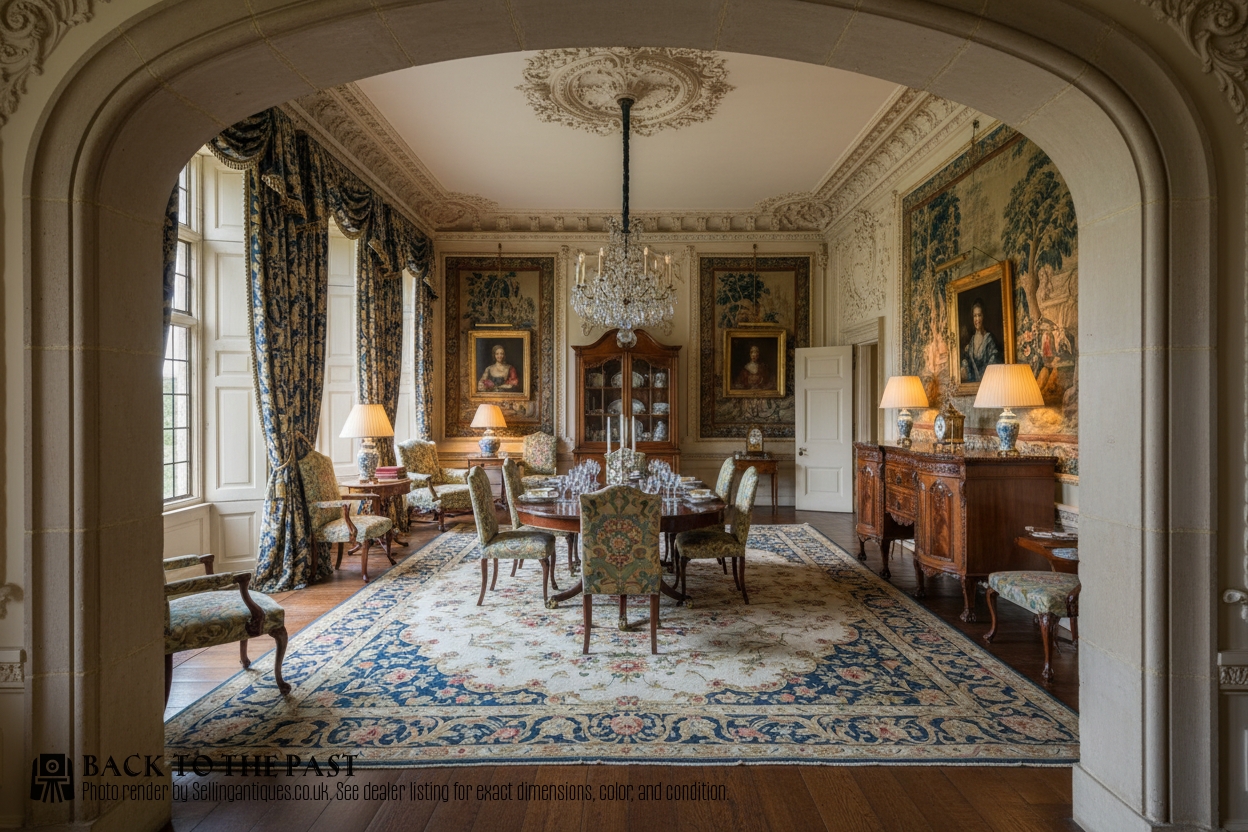
When you search for a rich brown sideboard, you encounter robust storage furniture spanning the nineteenth century and early twentieth century. These pieces include substantial Victorian items, an Italian provincial example, and revival designs.
Victorian examples dominate the selection, bringing architectural presence and practical cupboard space to modern interiors. Buyers often meet traditional mahogany and walnut constructions that anchor a dining room or hallway.
Materials and construction
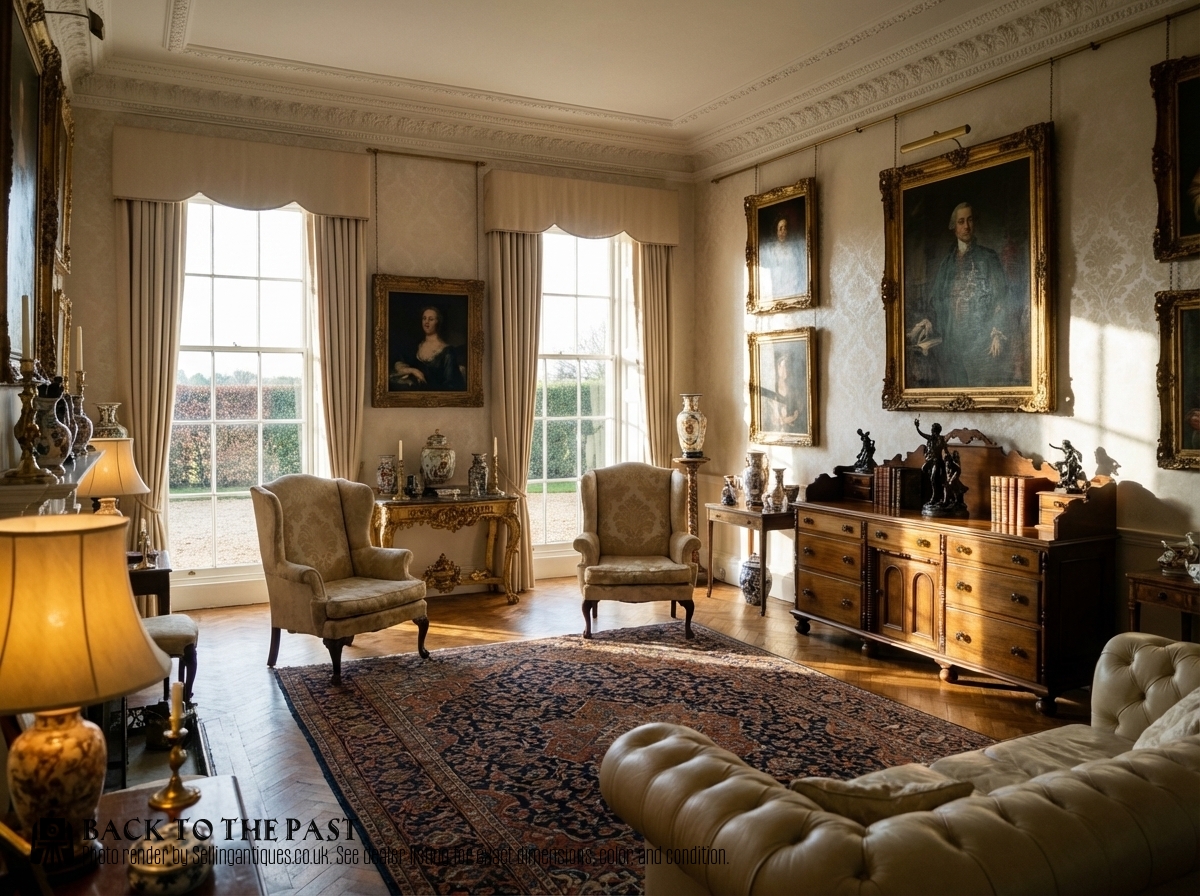
These items utilise solid timbers and carefully selected veneers, primarily featuring mahogany, figured mahogany, flame mahogany veneer, and Italian walnut. Cabinet makers also employed exotic hardwoods such as Goncalo Alves wood to achieve striking grain patterns.
Construction techniques involve skilled carving, precise veneering over stable secondary woods, and durable joinery suited to heavy domestic or commercial use. Brass hardware appears as functional mounts and handles, complementing the dark brown surfaces.
Retail Price Guide 2026
Typical UK retail prices for rich brown sideboard, calculated from the Sellingantiques database of over a million retail prices indexed since 2003. This retail price guide relies exclusively on Sellingantiques data; no external sources or auction records are used, so the figures do not describe the wider market.
Adjustable brass feet on a Victorian shop counter remind us that even nineteenth-century shopkeepers struggled with wobbly floorboards.
Distinctions in quality
Quality rests in the choice of timber and the liveliness of the grain, where figured or flame mahogany veneers elevate a piece far above plain boards. The depth of the hand-finished polish and the crispness of carved mouldings separate standard utilitarian furniture from exceptional cabinet work.
Structural integrity and the preservation of original brass fittings dictate the standing of a piece within its period. Refined proportions and balanced architectural details, such as breakfront facades, mark out the more ambitious examples of the cabinet maker's art.
The Rich Brown Sideboard Glossary
- Mahogany
- A durable tropical hardwood known for its reddish-brown colour and stability, widely used in quality nineteenth-century cabinet making.
- Breakfront
- A cabinet design where the central section projects forward from the flanking sections, creating architectural depth and shadow.
- Goncalo Alves
- An exotic dense hardwood featuring distinctive contrasting brown figuring, prized for specialist cabinet work and decorative accents.
Frequently Asked Questions
How do I care for a mahogany sideboard?
Maintain the timber by keeping the surface away from direct sunlight and sudden temperature changes that dry out the wood. Apply traditional beeswax periodically to nourish the polish and preserve the rich brown tone.
Avoid using modern silicone sprays or abrasive cleaners, which damage the historic finish. A soft, dry cloth is best for dusting the carved details and panelled doors.
Where were these sideboards used originally?
Victorian sideboards stood primarily in grand dining rooms to store heavy silver, glassware, and table linens. The top surface served as a serving station during meals.
Other variations, such as shop counters, performed practical duties in commercial premises before finding their way into domestic settings as statement storage.
How do I distinguish walnut from mahogany?
Walnut generally displays a cooler, more chocolate-brown hue with complex, sweeping grain patterns often described as cathedral grain. Mahogany tends towards warmer reddish-brown tones with a tighter, more uniform linear grain structure.
Closer inspection of the pores reveals different cellular patterns, though the distinct colour temperature usually offers the quickest guide.