
Regency Writing Desk Cabinet
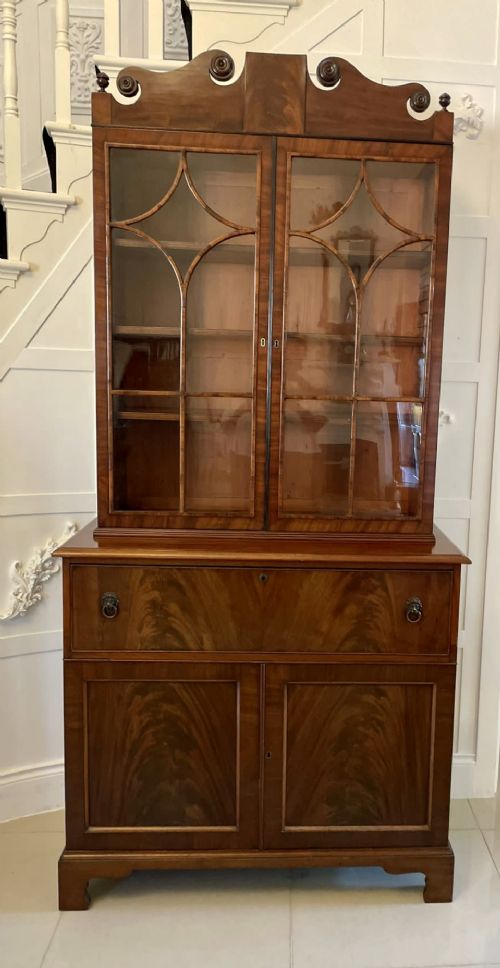
A regency writing desk cabinet brings together fitted compartments and display space, offering a functional workspace from the early nineteenth century.
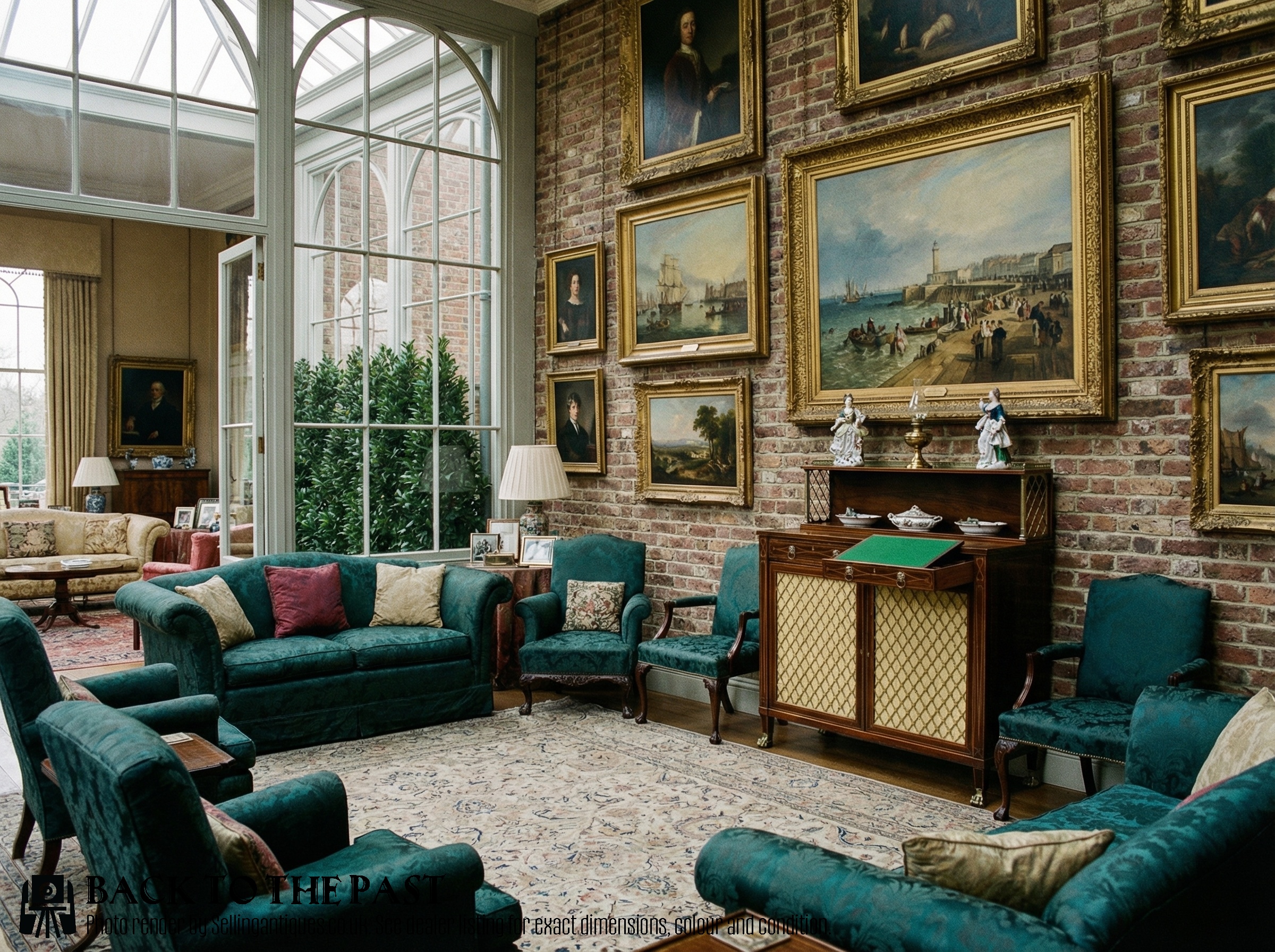
Regency Writing Desk Cabinet
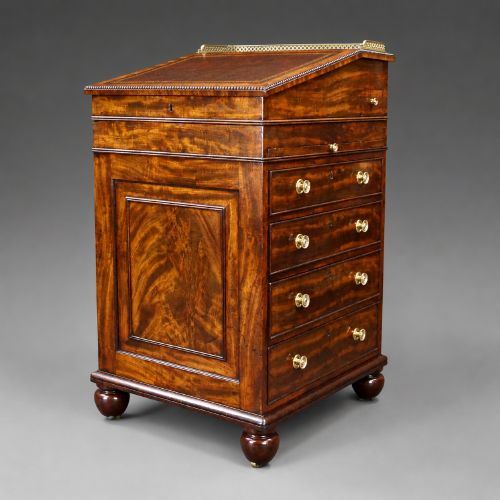
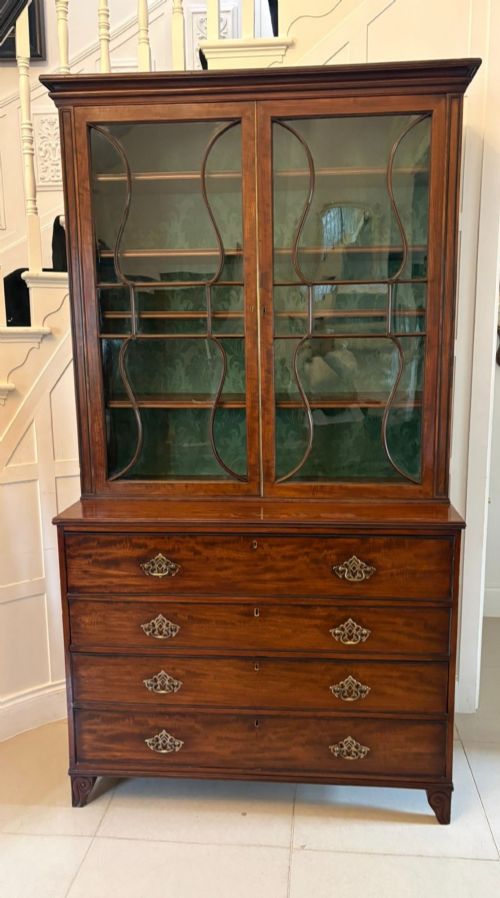
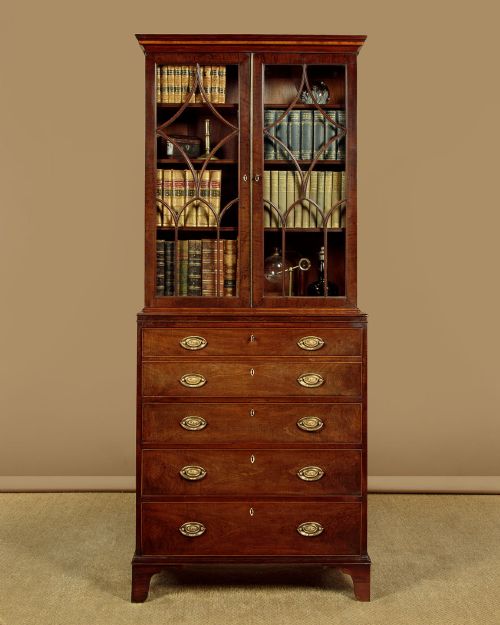
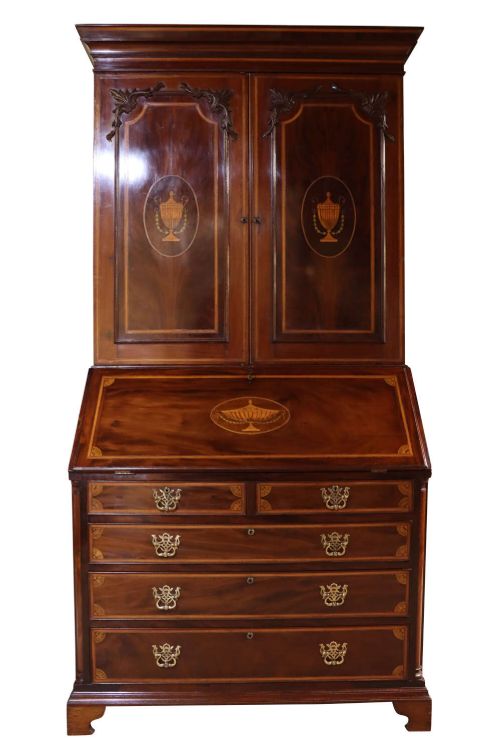
A regency writing desk cabinet encompasses secretaire bookcases, compact Davenport desks, and escritoires originating from the Regency, Georgian, and William IV periods. These pieces combine a writing surface with enclosed cabinetry or shelving, designed for household correspondence and storage.
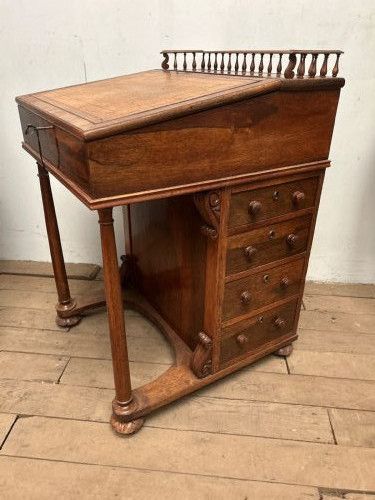
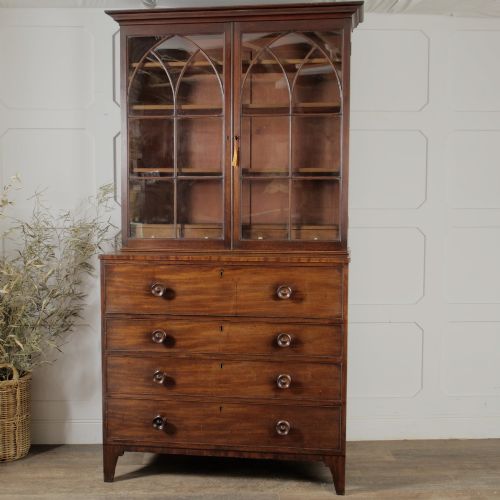
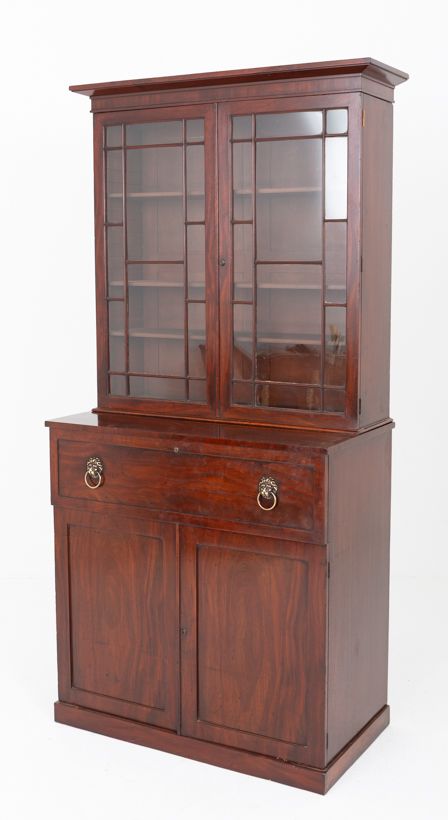
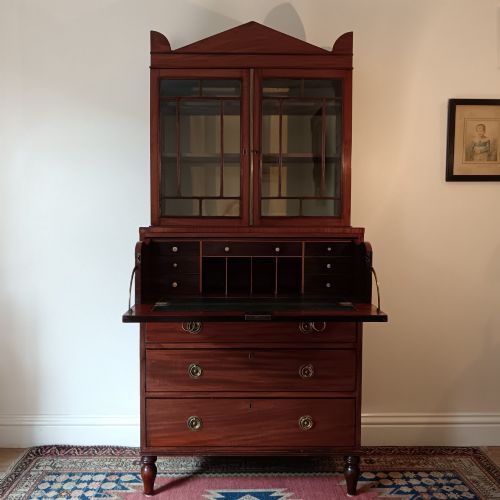
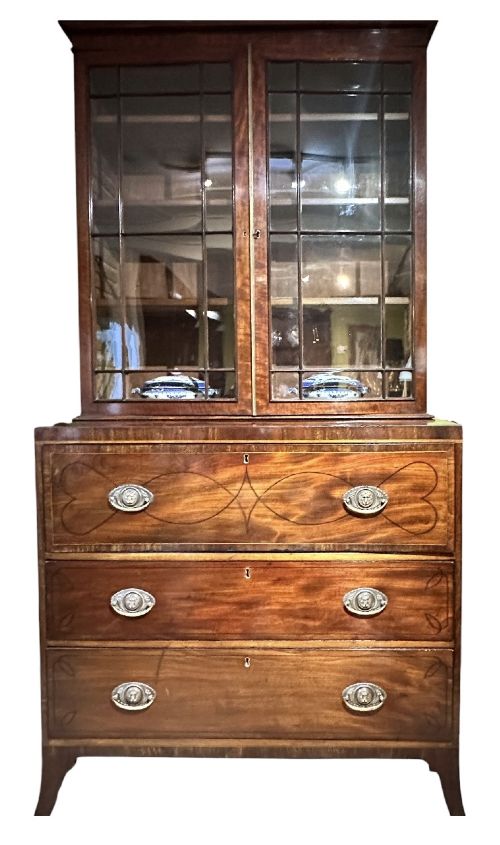
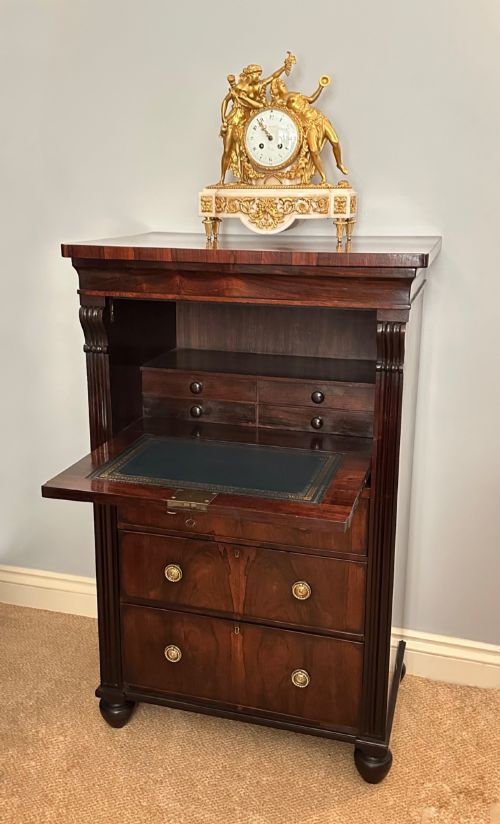
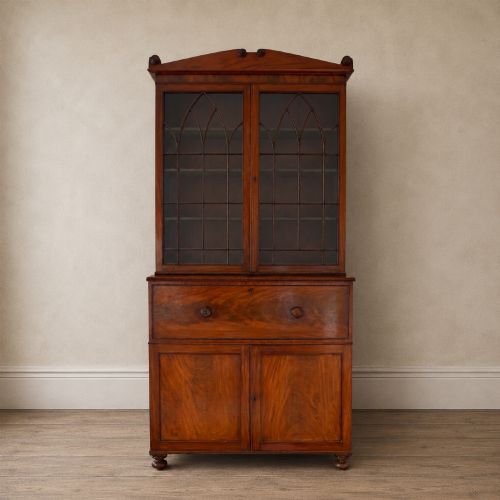
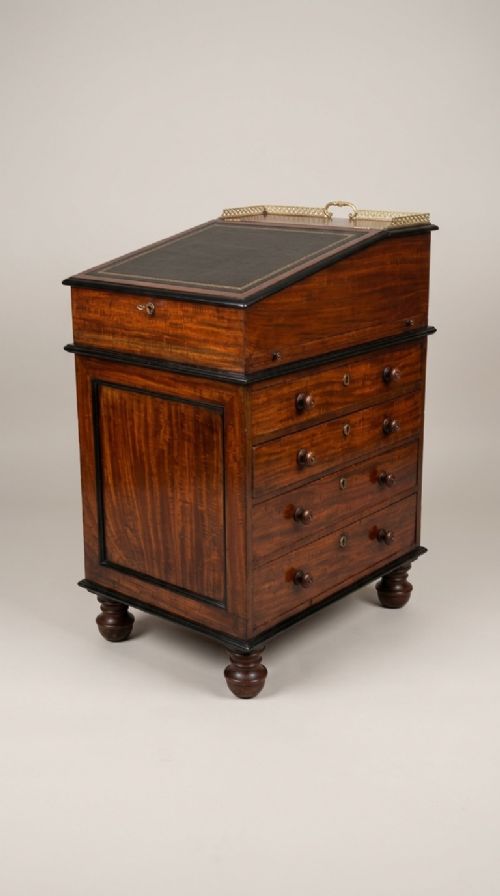
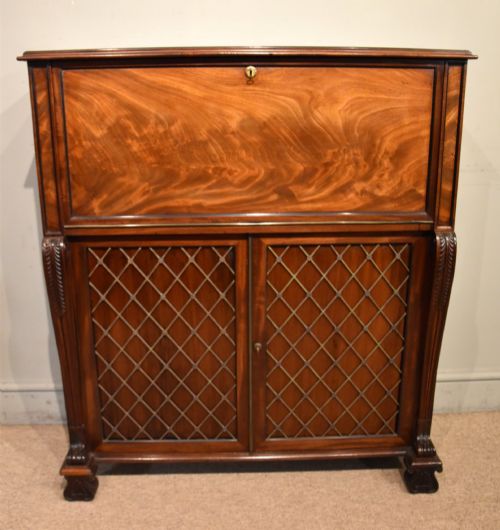
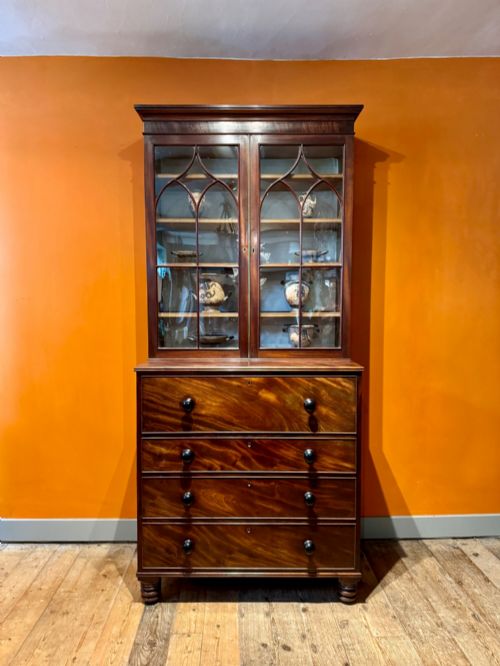
The most frequent form on this page is the tall secretaire bookcase featuring glazed doors above a pull-out writing drawer, alongside smaller Davenport desks and writing cabinets constructed from mahogany and rosewood.
Materials and Construction
Carpenters utilised solid timber and veneers, predominantly flame mahogany and figured mahogany, supported by secondary structural woods and occasional walnut or burr walnut. Surfaces frequently display distinct grain patterns selected for visual depth.
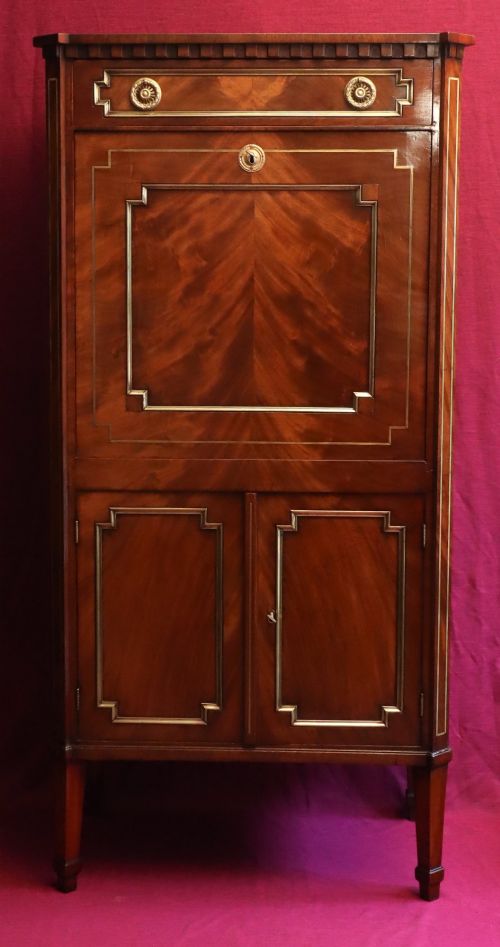
Decorative detailing relies on brass inlay, ebonised accents, and glass panelling for upper bookcase doors. Interiors incorporate fitted compartments with small drawers and pigeonholes accessed via fall-front panels or sliding desk tops.
Listings feature pieces spanning the Georgian, Regency, William IV, and Victorian periods, constructed primarily in mahogany, rosewood, and walnut.
Craftsmanship and Proportion
Distinctions in quality rest on the selection of timber veneers and the precision of internal joinery within the fitted writing compartments. Pieces bearing maker attribution, such as those by Gillows of Lancaster or attributed to George Oakley, demonstrate superior cabinetwork and refined proportions.
The integration of brass hardware, precise glass glazing bars, and balanced secondary timbers separates standard workshop production from exceptional examples of the period.
Gillows·George Oakley·Gillows of Lancaster
The Regency Writing Desk Cabinet Glossary
- Secretaire bookcase
- A tall cabinet combining an upper section of glazed doors for books with a central drawer that drops down to reveal a fitted writing surface and small drawers.
- Davenport
- A compact desk featuring a sloped, sliding writing top above a pedestal of drawers, originating in the Regency period.
- Escritoire
- A standing writing cabinet fitted with a fall-front flap that opens to enclose pigeonholes and compartments for stationery.
- Flame mahogany
- A timber veneer sliced from the junction of tree branches, yielding a distinctive ripple pattern resembling flickering flames.
- Wellington chest
- A tall, narrow chest of drawers secured by a locking side stile hinged on one edge.
Regency Writing Desk Cabinet: Frequently Asked Questions
What is a regency writing desk cabinet?
A regency writing desk cabinet is a piece of antique furniture combining a writing surface with enclosed storage or a bookcase, originating in the early nineteenth century.
These pieces range from tall secretaire bookcases with glass doors to compact Davenport desks designed for domestic correspondence.
What woods were used in these cabinets?
Cabinetmakers primarily used mahogany, flame mahogany veneer, and rosewood for external surfaces, supplemented by walnut and satinwood.
Secondary timbers were utilised for internal drawer linings and structural framing behind the polished exterior veneers.
How do I identify a Regency period piece?
Identification relies on architectural proportions, characteristic timber veneers, and decorative elements such as brass inlay and ebonised details associated with the early nineteenth century.
Construction methods, including hand-cut dovetails on internal drawers, further indicate the manufacturing period.