
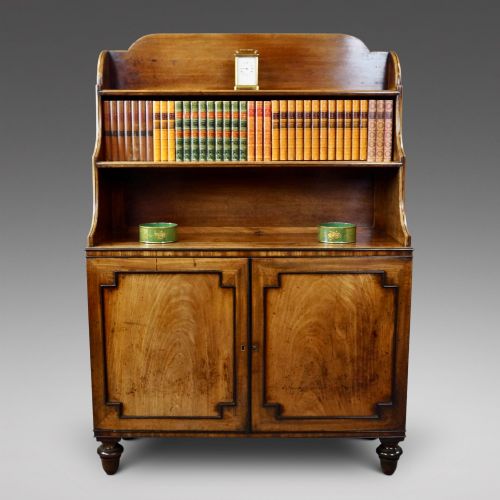


Regency Chiffonier with Shelf
A regency chiffonier with shelf is a low, shelved cabinet built for holding books and display pieces in period interiors.
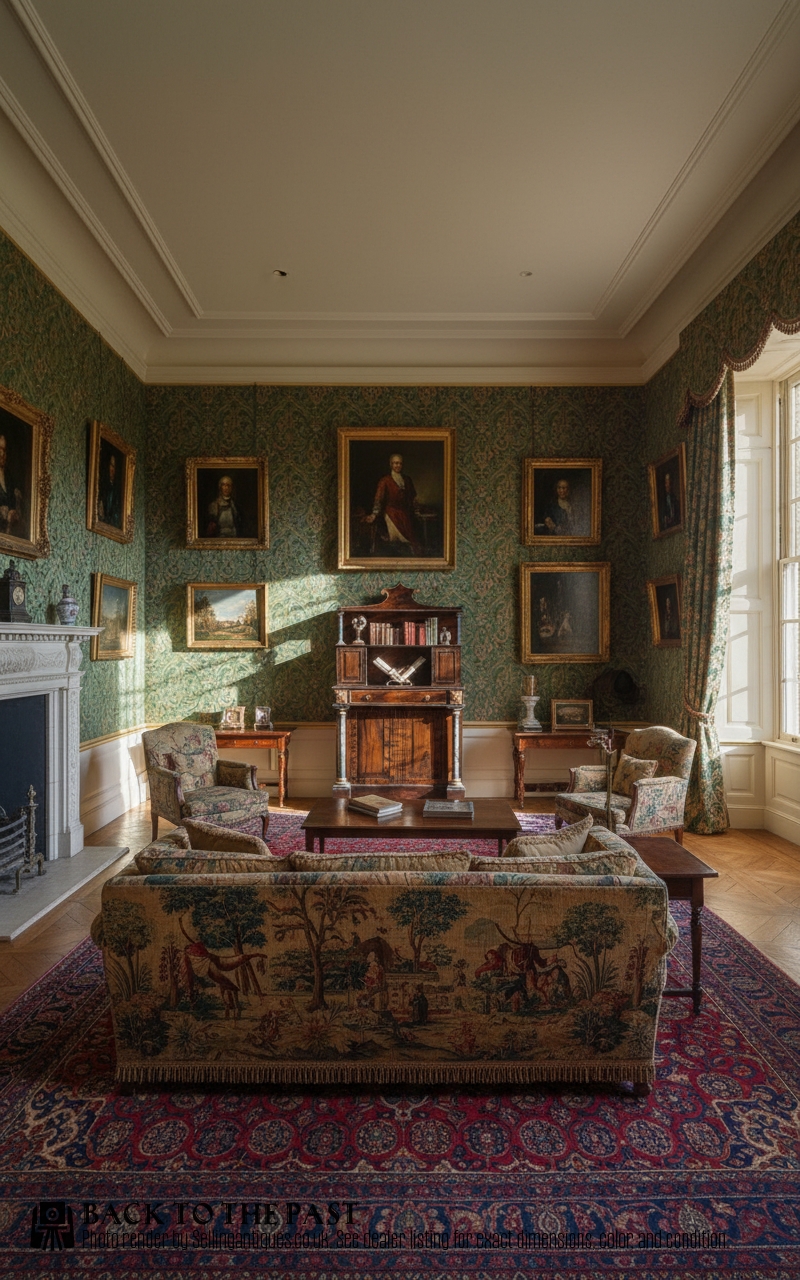
Regency Chiffonier with Shelf
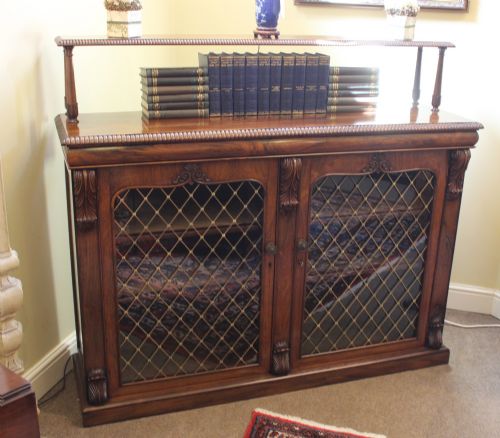
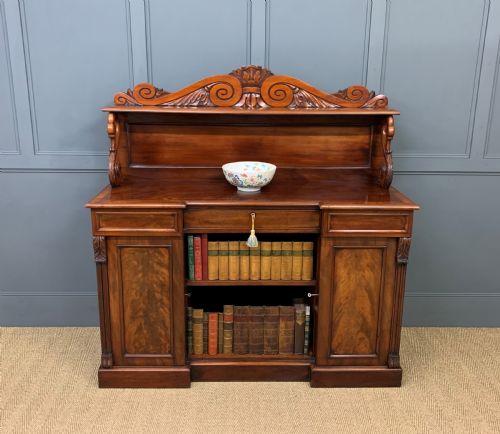
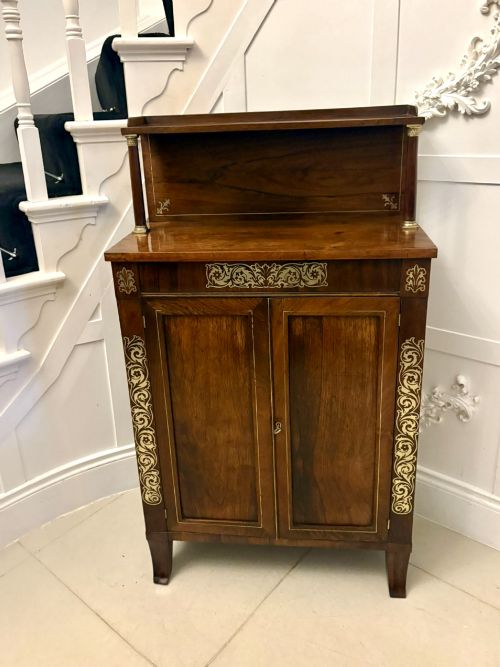
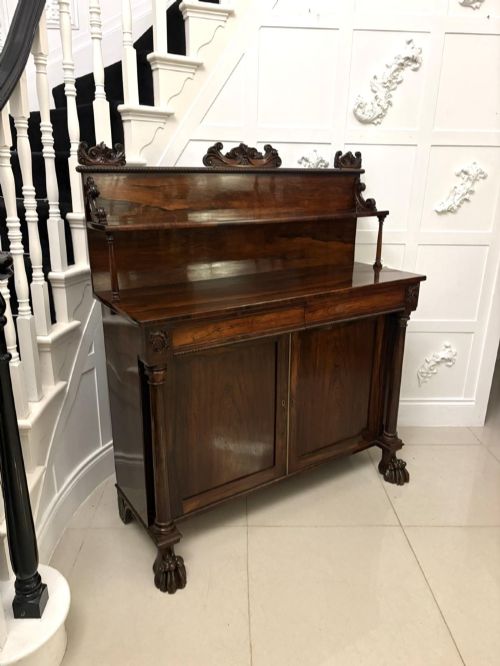
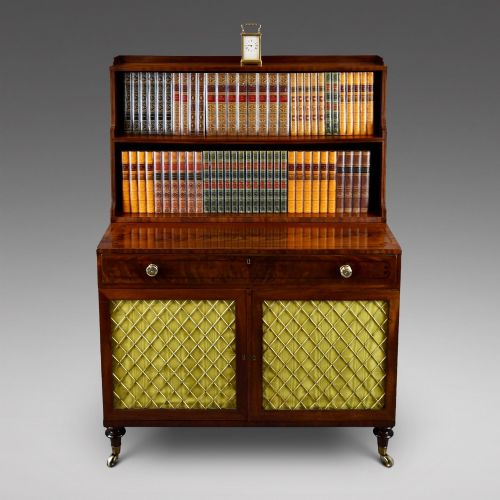
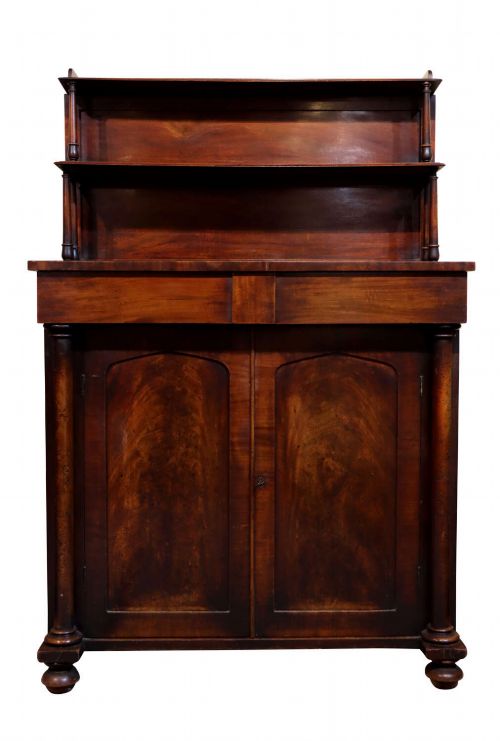
A regency chiffonier with shelf is a low enclosed cabinet topped by one or more open display tiers, appearing across the Regency, George IV, William IV, and Victorian periods. These pieces serve primarily as functional sideboards and side cabinets for reception rooms.
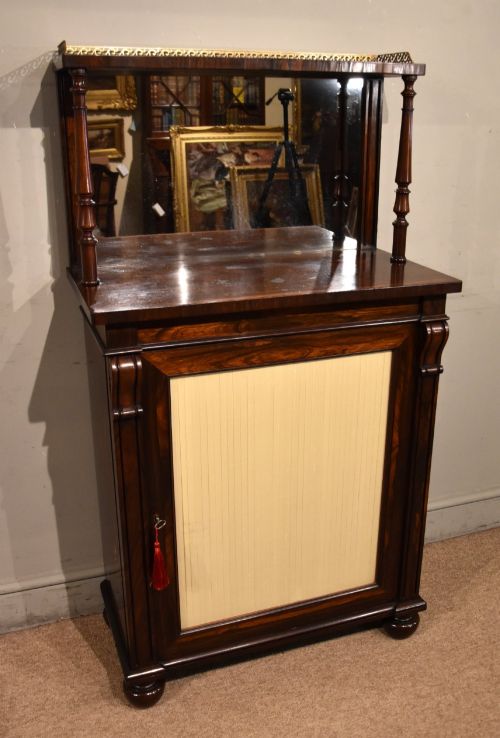
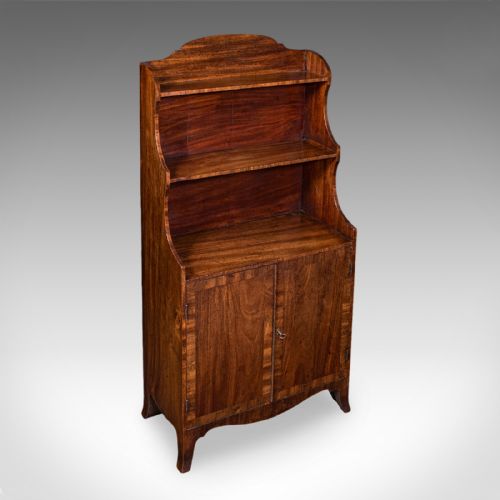
The form frequently incorporates flame mahogany veneer, solid mahogany, or rosewood, sometimes finished with simulated rosewood paintwork. Certain examples include waterfall bookcase elements or marble tops above the lower cupboard doors.
Makers constructed these cabinets in compact proportions suited to smaller spaces, often incorporating a writing drawer or brass inlays alongside the characteristic back shelves. The listings show forms ranging from plain open-top cabinets to highly detailed sideboards.
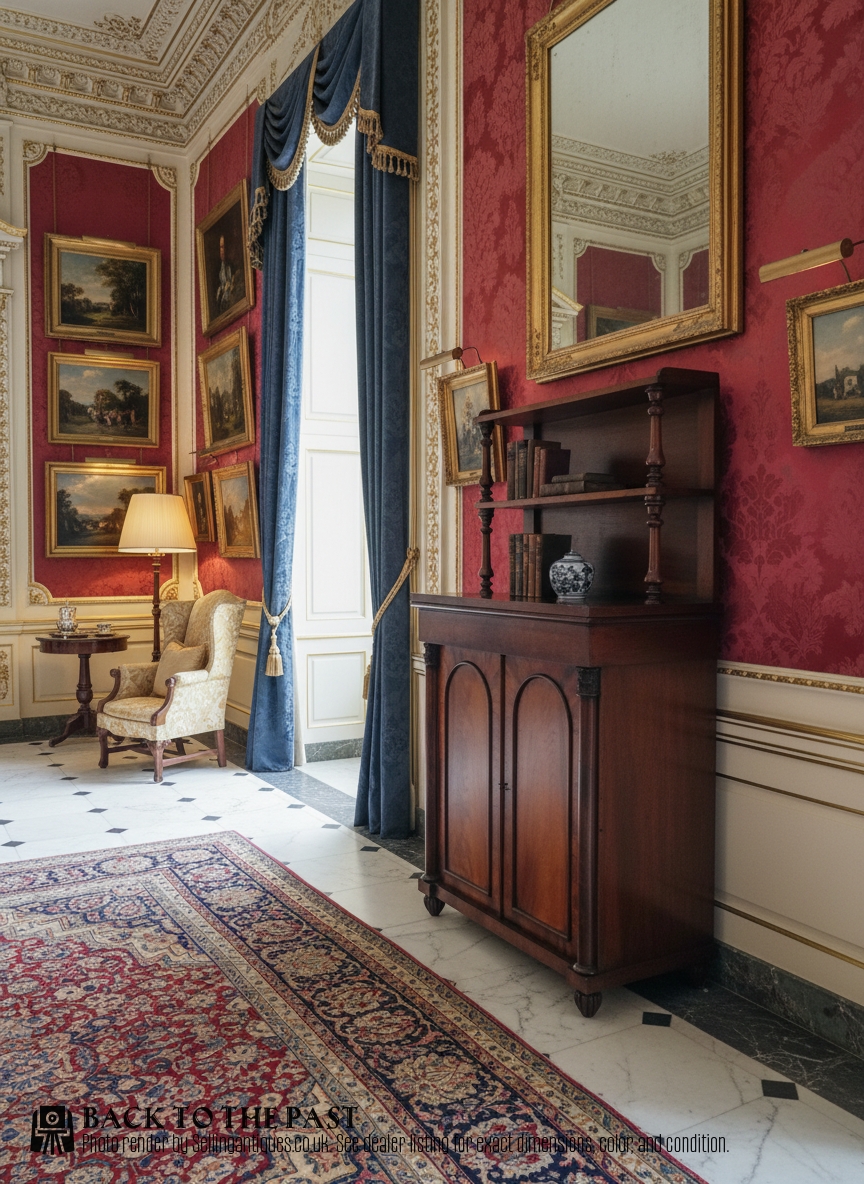
Markers of Quality
Quality rests in the selection of timbers, where highly figured flame mahogany veneer or rich rosewood sets finer examples apart from plainer constructions. The crispness of brass inlay and the elegance of proportions, particularly in unusually small-scale pieces, indicate superior cabinet work.
The integration of functional elements such as a writing drawer, marble tops, or multi-tiered shelf backs distinguishes more elaborate commissions from basic utility cabinets. Original surfaces and careful joinery in the tiered back structures preserve the integrity of the piece.
Listings feature mahogany, rosewood, brass, marble, and fabric materials across the Regency, George IV, William IV, and Victorian periods.
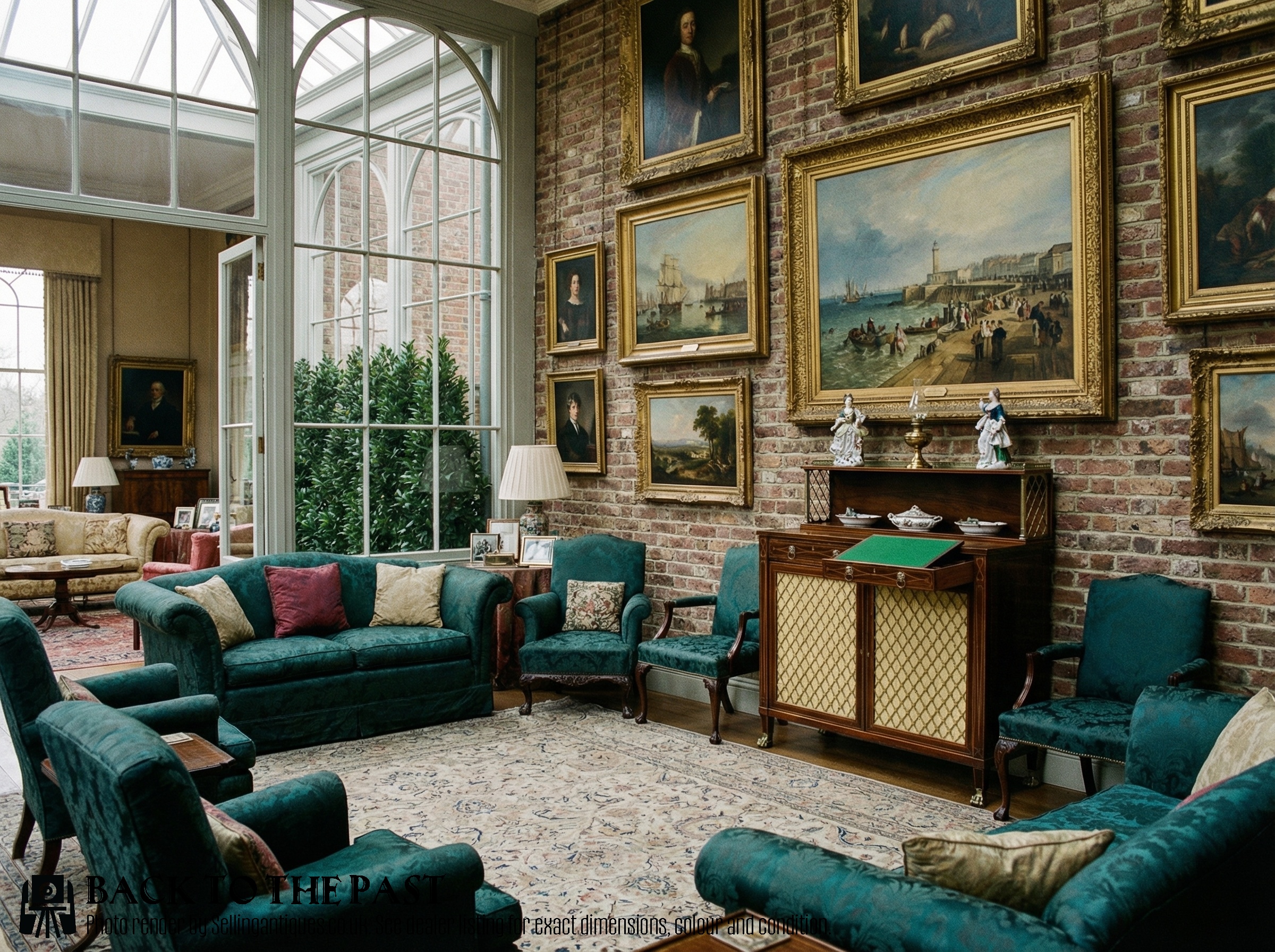
John McLean
The Regency Chiffonier with Shelf Glossary
- Chiffonier
- A low cabinet with enclosed cupboards below, often distinguished by shelving above for books or display. This form evolved during the Regency period as a versatile alternative to the traditional sideboard.
- Flame mahogany veneer
- A thin slice of mahogany timber cut from the fork of the tree to create a distinctive flickering flame pattern. Cabinet makers applied this veneer to the primary visible surfaces of high-status furniture.
- Simulated rosewood
- A painted surface finish designed to imitate the dark grain and rich colour of genuine rosewood. Artisans used this technique on alternative woods during periods when exotic timbers were scarce or costly.
- Breakfront
- A cabinet design where the central section projects forward from the flanking cupboard wings. This architectural arrangement adds depth and visual rhythm to the piece.
Regency Chiffonier with Shelf: Frequently Asked Questions
What is a regency chiffonier with shelf?
A regency chiffonier with shelf is a low cabinet featuring enclosed cupboard doors below and one or two open display shelves supported by pillars or panels above.
Cabinet makers designed these pieces during the early nineteenth century to store books, papers, and dining accessories while providing surface space for display in formal rooms.
How do I date a chiffonier?
Dating relies on examining the timber species, secondary woods, hardware, and overall stylistic details relative to the Regency, George IV, and William IV periods.
Earlier pieces from around 1800 to 1820 often incorporate delicate brass inlay and flame mahogany, while later nineteenth-century examples display heavier proportions and simpler architectural lines.
Were these cabinets used for books?
The open upper shelves functioned well for holding small volumes, pamphlets, and decorative ceramics within reach of a seating area.
Enclosed lower cupboards provided secure storage for items that owners preferred to keep out of sight, combining the roles of a bookcase and a sideboard.
How do I care for rosewood and mahogany?
Maintenance requires keeping timber furniture away from direct sunlight and sudden temperature shifts to prevent veneer lifting and wood splitting.
Regular dusting with a dry, soft cloth and occasional application of traditional beeswax help preserve the natural lustre of the polished wood surface.