

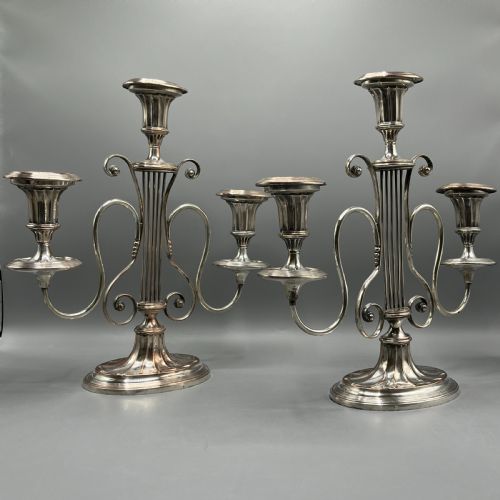


Regency Table Candelabra
Regency table candelabra are sophisticated lighting centrepieces that bring formal symmetry and warm candlelight to a dining table or sideboard.
Regency Table Candelabra
When you search for regency table candelabra, you encounter multi-arm lighting fixtures designed to elevate the dining experience through polished metal and flickering candles. The examples found here span the nineteenth century, Georgian eras, and later adaptations, showing both British and continental workshops.
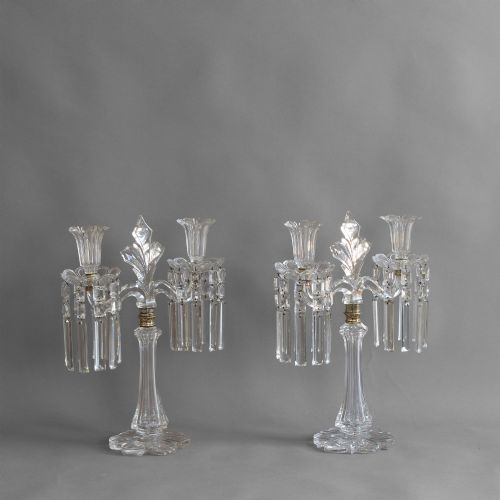
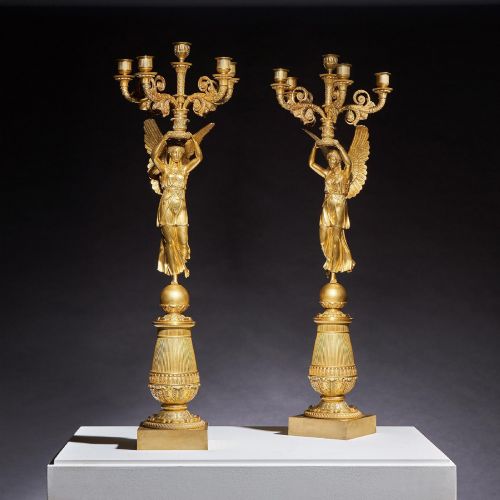
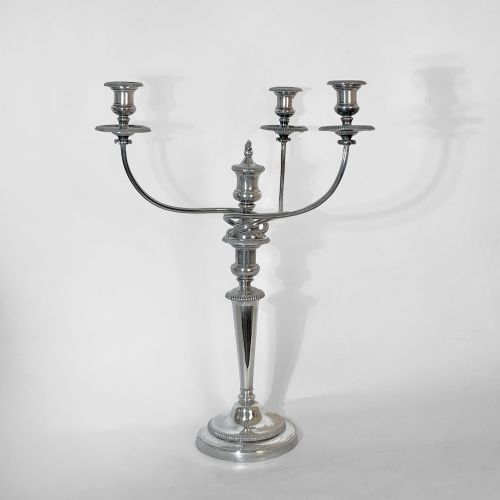
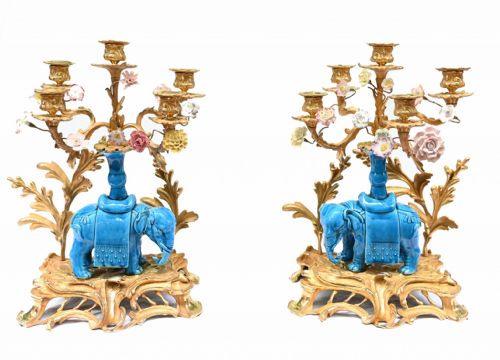
You meet pairs and sets featuring branch arms, lustre drops, and classical forms like lyres and elephants. Materials range from cast bronze and bright ormolu to silver plate on copper substrates.
The aesthetic leans heavily on Regency and Empire vocabularies, pairing dark patinated bronze with gold-toned metal mounts. These objects bridge the gap between practical room illumination and sculptural table art.
What varies in quality
The integrity of the plating and the matching of the components across a pair determine the visual harmony of the piece. Substantial gauge metal and intact glass drops without chips preserve the original balance of the object.
Listings feature pieces utilising bronze, ormolu, silver plate, and cut glass across nineteenth-century and Georgian periods.
Pierre Philippe Thomire·Blagden Hodgson And Co
The Regency Table Candelabra Glossary
- Ormolu
- Gilded bronze, where finely ground gold is applied to a bronze base using mercury. This technique produces a rich, matte yellow finish that resists tarnishing over decades.
- Old Sheffield Plate
- A composite material formed by fusing a thin layer of sterling silver to a thicker copper core. It shows a thin line of copper at the edges when worn down.
- Lustre
- A glass pendant or drop hung from the bobeche or arms of a candelabrum. These elements catch and multiply the light from the candles.
- Bobeche
- The small, removable drip pan fitted beneath the candle nozzle. It catches melted wax before it reaches the arms or base of the candelabrum.
- Empire style
- A neoclassical design movement originating in France during the rule of Napoleon. It relies on Roman and Greek motifs, often featuring military symbols, sphinxes, and classical drapery.
Regency Table Candelabra: Frequently Asked Questions
How do I clean an ormolu candelabrum?
Dust the surface gently with a soft, dry brush to remove particles without scratching the delicate gold surface.
Avoid chemical polishes or water, as harsh agents strip away the historic mercury gilding and expose the base bronze.
Were these electrified later?
Many surviving examples have been converted to electricity during the twentieth century to suit modern domestic lighting preferences.
Some retain their original socket configurations, while others show discrete wiring channels added through the central stem.
How do I spot Old Sheffield Plate?
Examine the edges and high-friction areas for a faint line where the underlying copper peeks through the silver layer.
This fusion method differs noticeably from later electroplating, which covers the base metal with an even, single-thickness coat.
Can I use modern candles in them?
Standard taper candles often fit securely into the sockets, though nineteenth-century diameters vary slightly from modern sizing.
A small snug of paper or a trimmed base helps stabilize an irregular taper within the original nozzle.