

French Ormolu Table Lights
French ormolu table lights bring warmth and continental elegance to a room, combining rich gilt surfaces with classical forms.
French Ormolu Table Lights
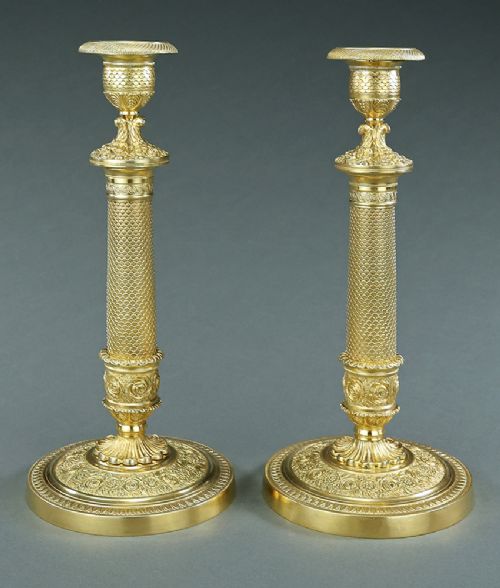
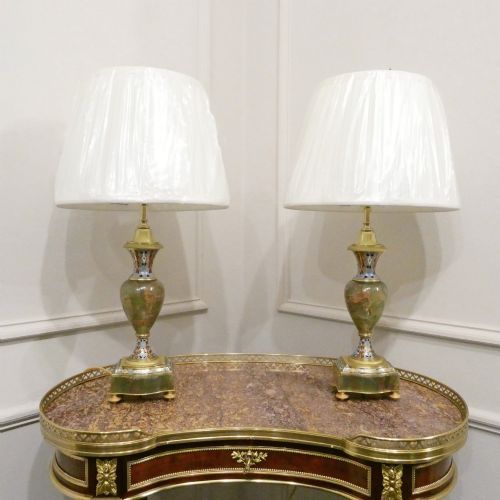
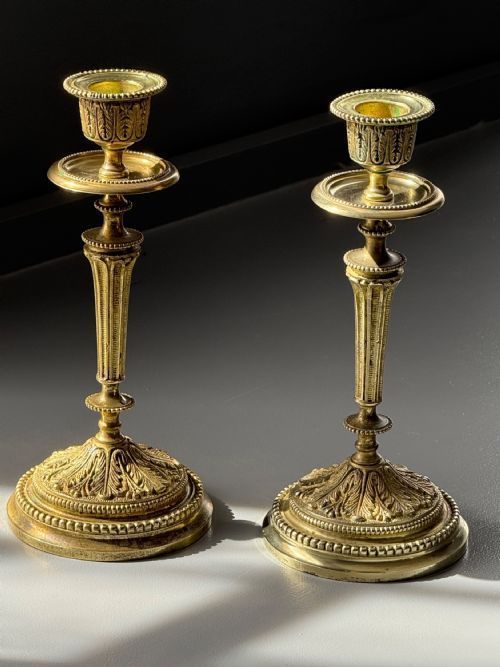
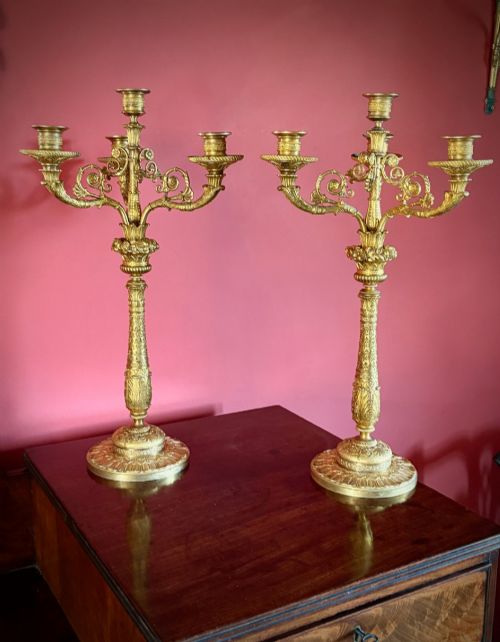
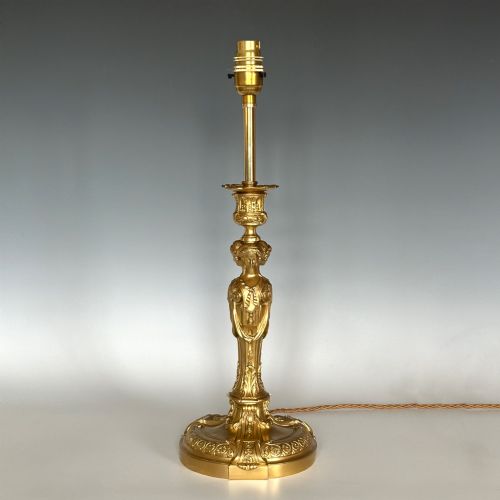
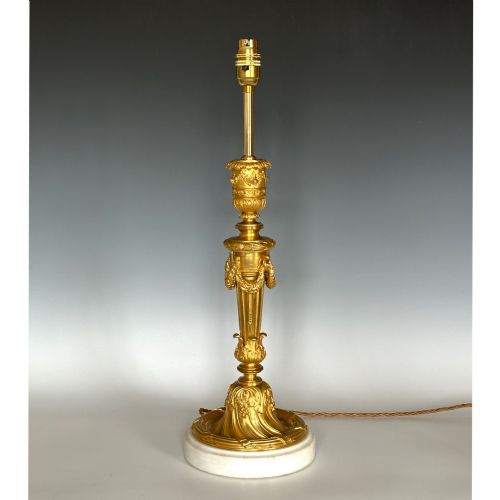
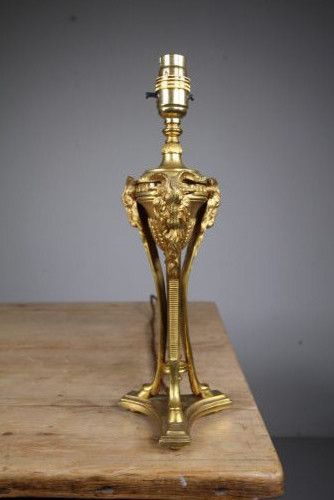
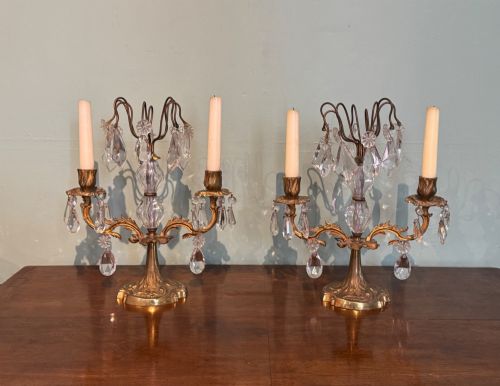
When you search for french ormolu table lights, you encounter a refined selection of lighting fixtures and candle holders originating predominantly from the nineteenth century, alongside examples from the eighteenth and early twentieth centuries. These pieces manifest primarily as table lamps, multi-arm candelabra, and candlesticks, frequently utilising contrasting materials such as marble, porcelain, and onyx.
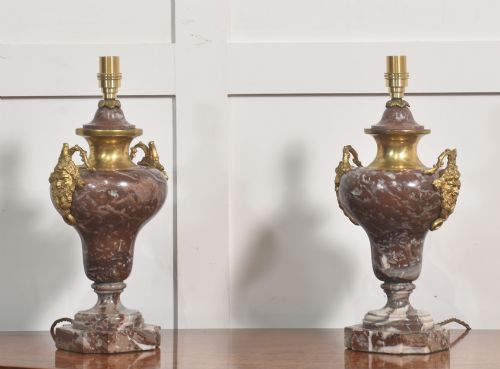
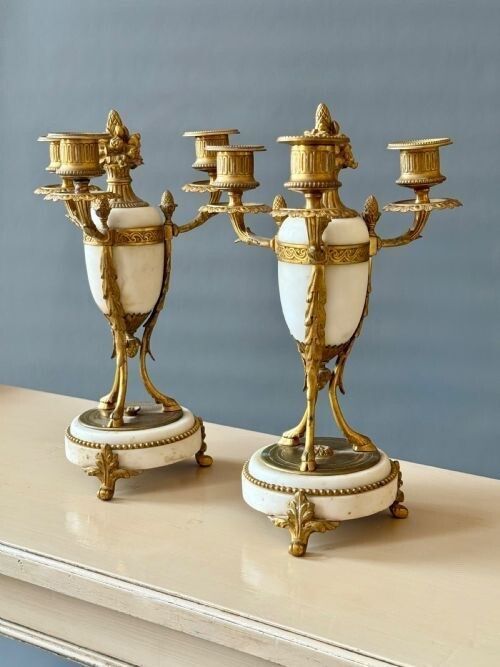
The aesthetic vocabulary draws heavily on historic design movements, with Louis XVI, Empire, and Rococo Revival styles appearing regularly across the inventory. Makers adapted earlier royal motifs into domestic lighting, mounting gilded bronze upon bases of white or rouge marble, cut glass, and glazed ceramics.
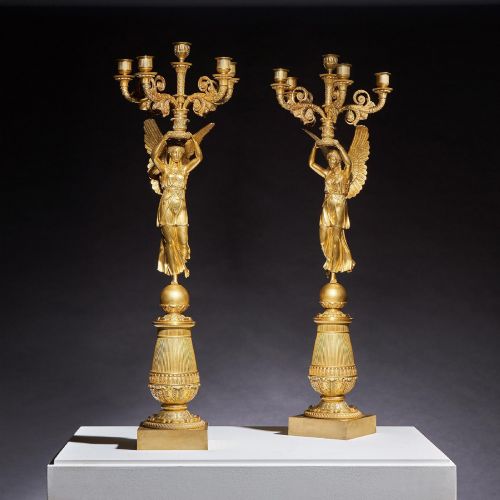
Most items survive in pairs, designed originally to flank a mirror or mantelpiece, though single lamp bases also surface. They range from petite floral designs to substantial candelabra with several branches.
How they were made
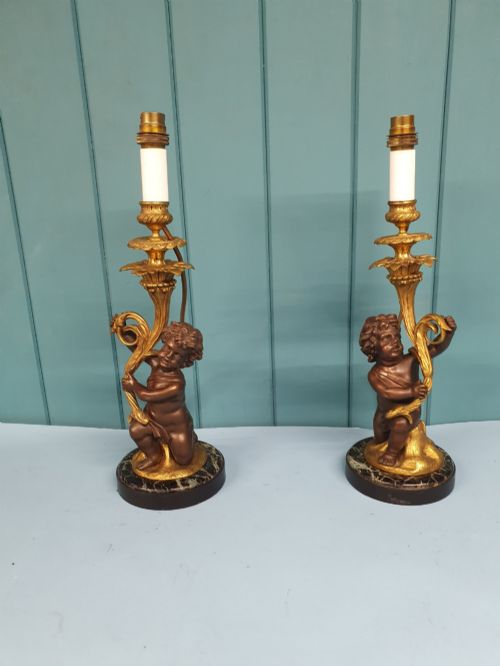
The manufacture of these pieces relied upon the skilled combination of cast bronze and mercurial or electrolytic gilding, which produced the characteristic golden ormolu finish. Artisans chased the metal surfaces by hand after casting to sharpen details like acanthus leaves, cherubs, and classical drapery.
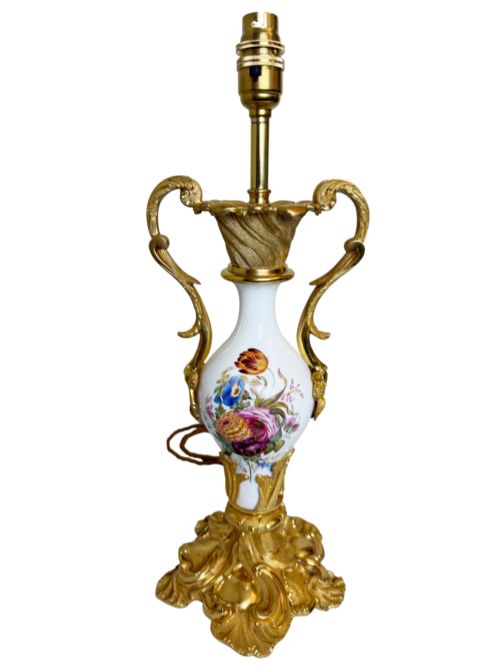
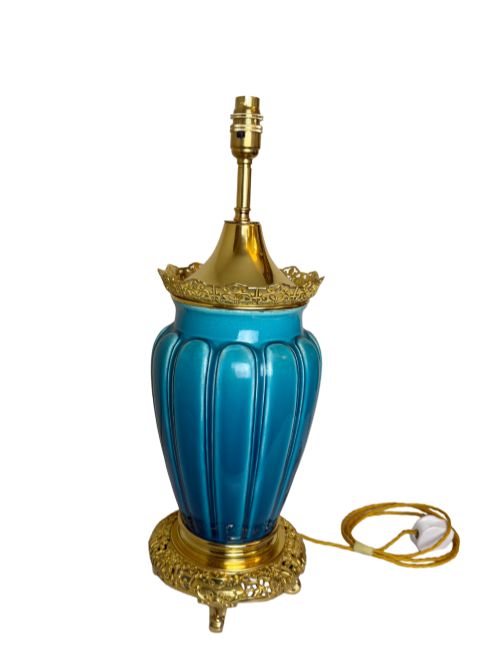
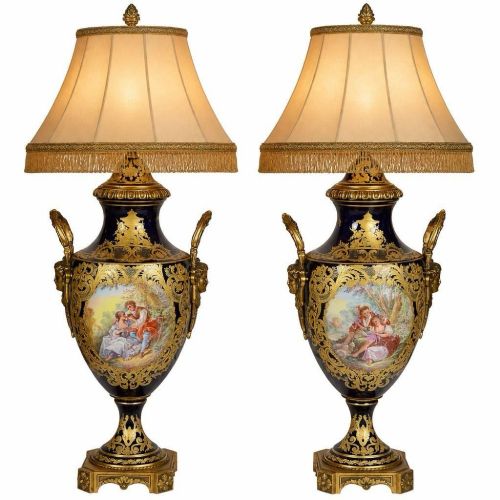
Many designs incorporate structural elements of natural stone, such as rouge or white marble columns and onyx bases, drilled and fitted to hold electrical components or candle sockets. Porcelain bodies from Sevres or blue glazed ceramics were frequently bound in cast bronze mounts to form composite lighting bodies.
Listings demonstrate the enduring popularity of Louis XVI and Empire revival styles, utilising marble, porcelain, and champleve alongside gilt bronze.
What varies in quality
The depth and crispness of the bronze chasing separate finer pieces from routine production, as master founders achieved sharp relief and varied textures in the metal. Superior castings retain distinct facial expressions on figural mounts and precise geometric regularity in architectural cornices.
The choice and preparation of secondary materials also dictate distinction, seen in the unblemished grain of selected marble bases and the rich saturation of porcelain glazes. Artisans who integrated heavy, substantial bronze mounts rather than thin sheet metal produced fixtures with better balance and presence.
Pierre Philippe Thomire·Rabiat
The French Ormolu Table Lights Glossary
- Ormolu
- A golden-coloured alloy of copper and zinc applied to bronze objects through mercury gilding or electroplating. This finish provided a durable, bright surface mimicking solid gold on decorative mounts.
- Candelabra
- A branched candlestick designed to hold multiple tapers or bulbs simultaneously. These fixtures often served as centrepieces on dining tables or sideboards.
- Cassolette
- A decorative vase or vessel equipped with a removable lid, frequently adapted as a lamp base. In French interiors, they often doubled as burners for aromatic perfumes.
- Champleve
- An enamelling technique where troughs are dug into a metal surface and filled with vitreous paste before firing. The resulting colourful patterns accent the surrounding bronze framework.
- Retour d'Egypte
- A decorative style inspired by Napoleon's campaign in Egypt, incorporating motifs like sphinxes, lotus leaves, and lions paw feet. It forms an early nineteenth-century subset of Neoclassicism.
French Ormolu Table Lights: Frequently Asked Questions
How do I wire french ormolu table lights?
Most of these antique fixtures accommodate standard electrical wiring through central channels originally intended for oil tubes or hollow stems. Professional electricians can thread modern cord through the existing hardware without altering the historic metalwork.
Using low-heat LED bulbs preserves fragile materials like antique porcelain, cut glass, and painted surfaces from thermal damage over prolonged periods of use.
Are these lamps originally electrified?
Almost none of these pieces started life as electric lamps, having been manufactured as candle holders, oil lamps, or gas fixtures during the eighteenth and nineteenth centuries. Conversion to electricity typically occurred later during the twentieth century to suit modern domestic habits.
Retaining the original bronze structure and marble bases during conversion maintains the integrity of the antique object while providing practical illumination.
How do I clean ormolu surfaces?
Dusting with a soft, dry brush prevents the accumulation of grime in the recessed chasing of the gilt bronze. Chemical cleaners and abrasive cloths strip the delicate golden surface and should be strictly avoided.
Stubborn residue on the metal requires professional conservation rather than domestic intervention to protect the original mercury or electroplated finish.
How do I identify Louis XVI style pieces?
Louis XVI style pieces rely on straight lines, symmetry, and classical motifs derived from ancient Rome, contrasting with the asymmetrical curves of earlier Rococo design. Look for fluted columns, laurel wreaths, ribbons, and urns cast in the ormolu mounts.
This revival style appeared strongly during the nineteenth century, echoing the neoclassical preferences of the pre-revolutionary French court.