


Nineteenth Century Ormolu Lighting
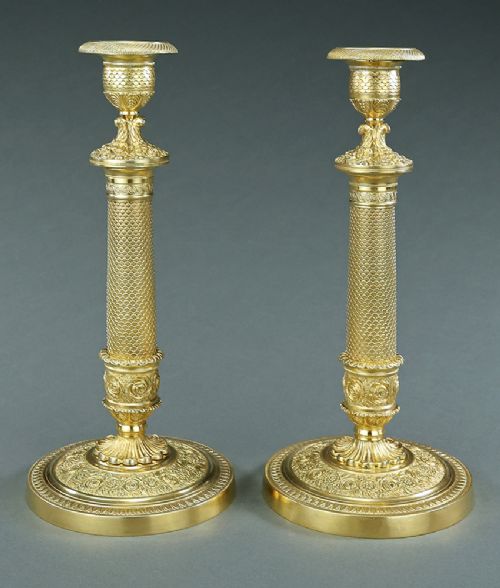
Nineteenth century ormolu lighting brings the heavy, golden warmth of French Empire, Regency, and Louis XVI style into a room through gilded metalwork and patinated bronze.
Nineteenth Century Ormolu Lighting
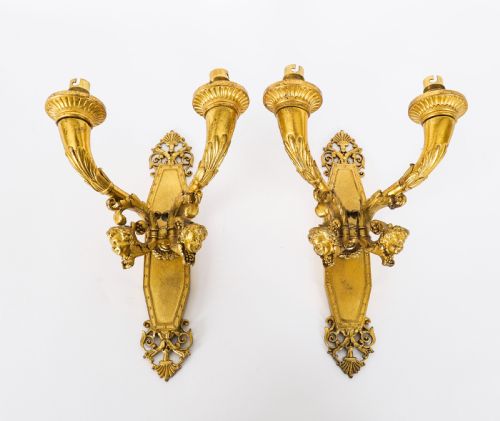
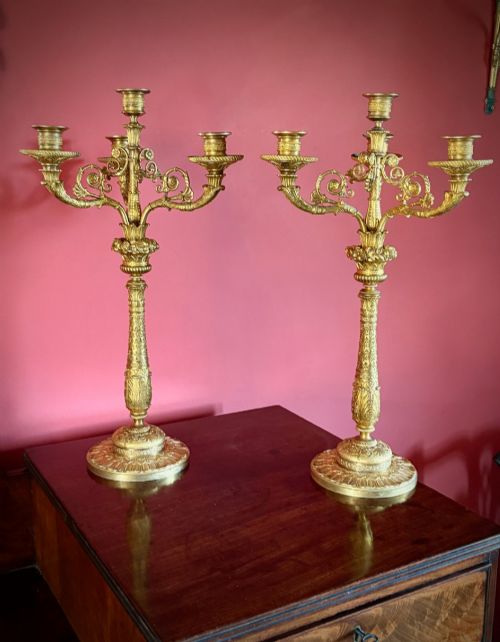
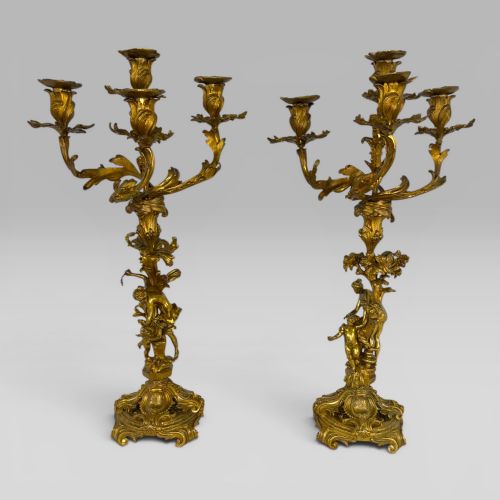
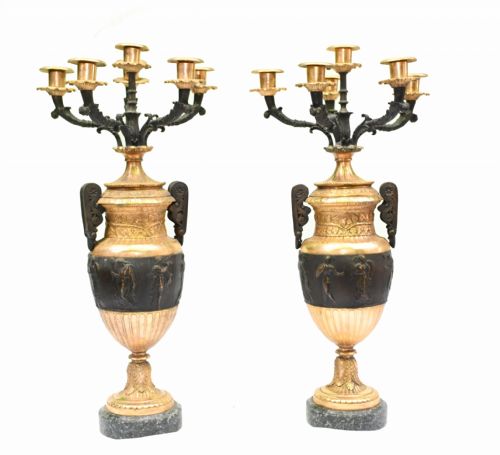
When searching for nineteenth century ormolu lighting, a buyer examines items designed to illuminate interiors through candlelight, oil, or early electricity, spanning forms such as candelabra, wall lights, chandeliers, and table lamps. These pieces originate predominantly from French workshops adhering to styles like French Empire, Regency, Louis XVI, and Rococo.
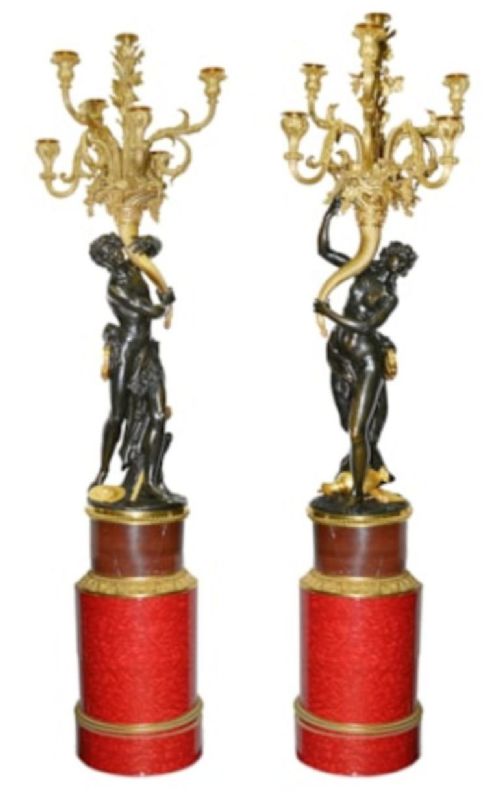
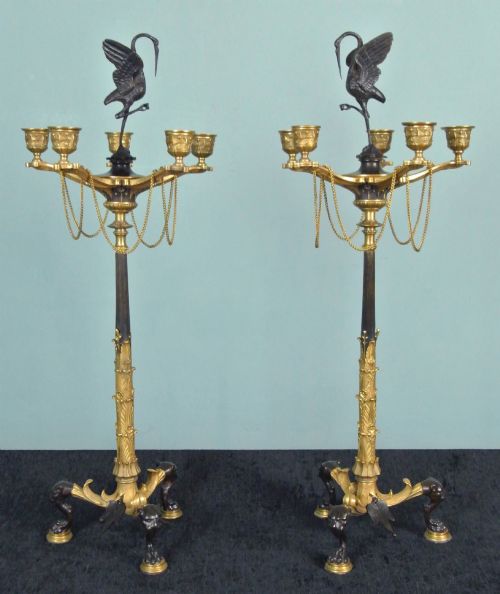
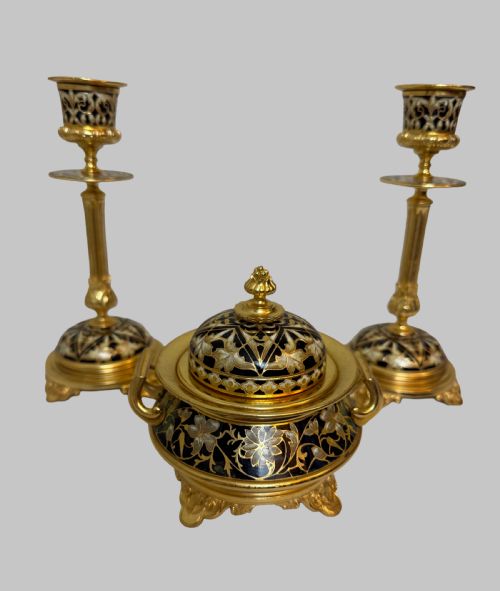
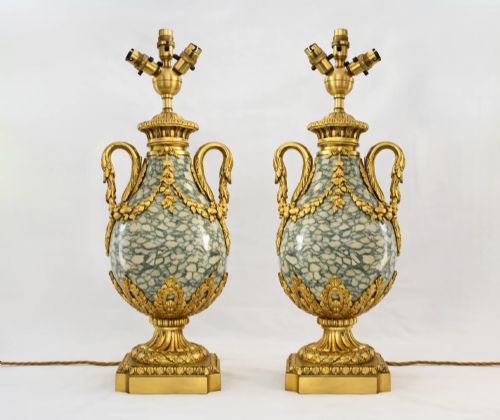
The most common versions met on this page are matched pairs of multi-branched candelabra and wall lights, frequently combining ormolu with patinated bronze, marble, or porcelain. Alongside these wall fixtures and tabletop pieces, the selection includes hanging chandeliers and specialised desk accessories mounted with gilt bronze.
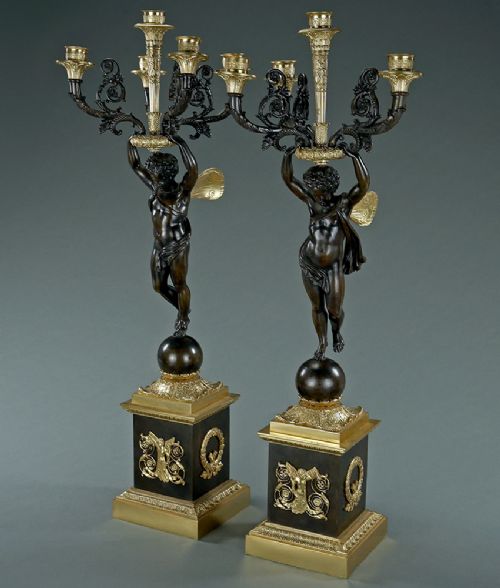
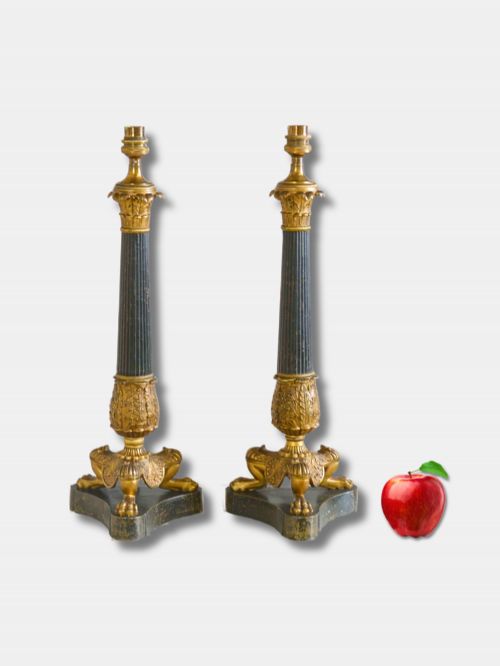
Makers and designers of the period drew inspiration from classical antiquity and Renaissance revivals, producing heavy, sculptural lighting objects featuring figural motifs, cherubs, and lions' paw feet. The integration of ceramic bodies, such as Sèvres style porcelain or cloisonné, creates distinct hybrid forms where vases and urns are converted into lamps.
Materials and construction
Makers utilised a foundation of cast bronze or brass, which was subsequently fire-gilded to create the characteristic golden ormolu surface through the application of a mercury and gold amalgam. This technique produced a deep, lasting lustre distinct from modern electroplating, often contrasted with dark patinated bronze sections to accentuate sculptural details.
Constructors integrated secondary materials such as white or rouge marble bases, slate plinths, and hand-painted porcelain bodies from Sèvres or Famille Rose traditions. Individual components were cast separately and secured with threaded pins, allowing complex candelabra and chandeliers to be dismantled for cleaning and maintenance.
The inventory records multiple Regency period items alongside broader nineteenth century French Empire and Louis XVI revival objects.
Judging quality in ormolu lighting
Lower quality examples exhibit soft, rounded casting details with minimal hand-finishing and uneven application of surface colour. Superior pieces demonstrate substantial weight, tight structural joins without wobble, and harmonious combinations of fire-gilt surfaces with high-grade patinated bronze or genuine marble plinths.
Barbedienne·Thomas Hope
The Nineteenth Century Ormolu Lighting Glossary
- Ormolu
- A method of applying finely ground gold mercury amalgam to bronze, creating a rich golden surface finish. This technique was heavily regulated by guild statutes in France before the nineteenth century.
- Candelabra
- A branched candlestick designed to hold multiple candles simultaneously. These objects often feature removable bobeches to catch dripping wax.
- Cassolette
- A decorative vase or urn with a reversible lid that functions either as an enclosed vessel or a candle holder. They are frequently mounted in ormolu and paired with marble bases.
- Patinated bronze
- Bronze treated with chemical solutions to darken the surface to a deep brown or black tone. This treatment provides a visual contrast against bright ormolu mountings.
- Champlevé
- An enamelling technique where troughs are dug into a metal surface, filled with vitreous enamel, and fired. It appears frequently on nineteenth-century decorative bases and stems.
Nineteenth Century Ormolu Lighting: Frequently Asked Questions
Were these lights converted to electricity?
Many candelabra and vases have received electrical wiring over the decades to function as table lamps. These conversions often thread cords internally through existing passages to preserve the exterior silhouette.
Buyers find both unconverted antique pieces intended strictly for candles and examples adapted for modern bulbs. Examining the base or stem reveals how previous owners integrated electrical fittings.
What is the difference between ormolu and brass?
Ormolu refers specifically to gilded bronze rather than a base metal alloy. Brass contains higher zinc content and possesses a uniform yellow metallic composition throughout.
Underneath the gold surface of ormolu lies bronze, which exhibits a heavier weight and darker reddish-brown tone when the gilding wears thin. True ormolu displays the soft, textured glow of applied gold rather than polished brass.
How can I date French Empire lighting?
French Empire pieces display strict symmetry, military motifs, classical urns, and mythological figures inspired by antiquity. The presence of dark patinated bronze paired with bright fire-gilding is typical of the early nineteenth century.
Later nineteenth century revivals reinterpreted these exact motifs with heavier casting and different assembly screws. Comparing the crispness of the leafwork and the style of the base helps distinguish an original period piece from a later revival.