


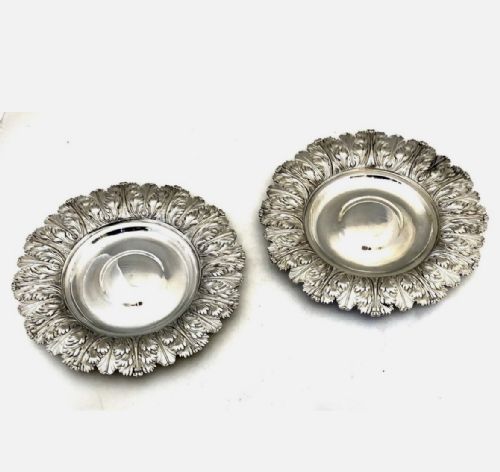


Regency Silver Plated Dish
A regency silver plated dish brings substantial Georgian weight and bright fused metal to the dining table, offering both decorative presence and practical service.
Regency Silver Plated Dish
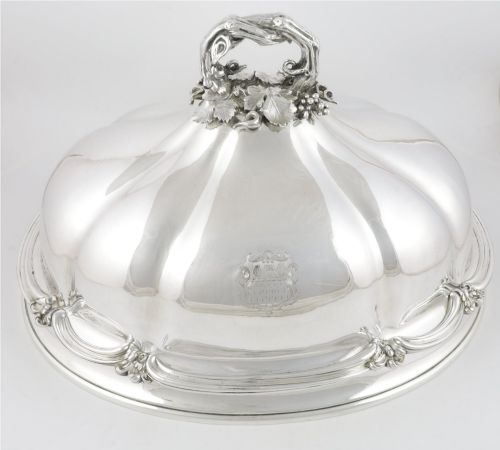
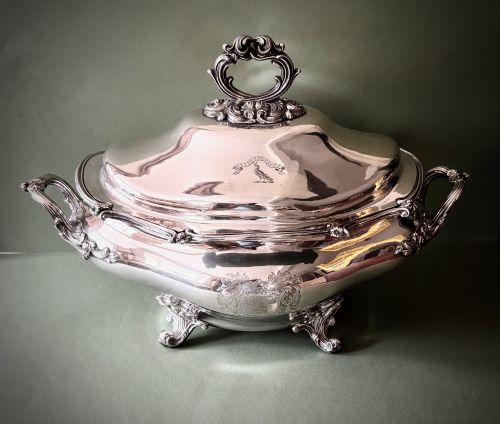
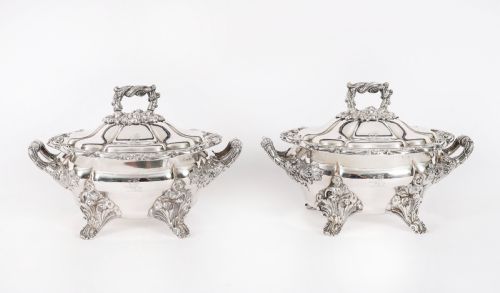
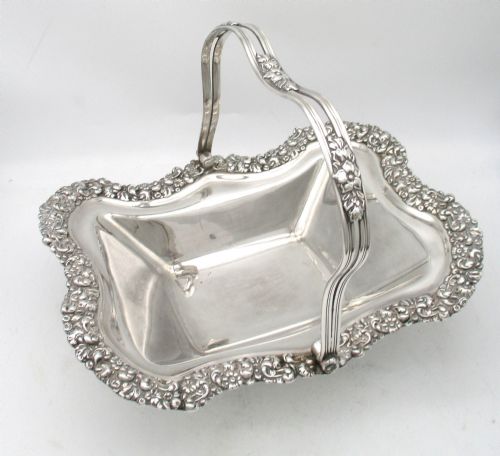
When you search for a regency silver plated dish, you encounter a focused selection of serving vessels originating mainly from the nineteenth century and the Georgian period. These items span various practical forms designed for formal dining, including meat domes, lidded sauce tureens, warming dishes, knife trays, and wirework baskets.
The objects commonly reflect Regency, George IV, and Early Victorian styles, capturing an era of refined domestic hospitality. Most surviving examples rely on Old Sheffield Plate, a method where a silver sheet is fused to a copper base, creating durable tableware that still holds its lustre.
How they were made
The primary material combination behind these pieces is Old Sheffield Plate, produced by fusing a thin layer of silver to a thick copper ingot under heat. This fused plate forms the body of tureens, meat domes, and warming dishes, providing structural rigidity while maintaining a bright silver exterior.
Makers reinforced rims and handles with applied sterling silver wire or mountings to prevent the underlying copper from showing through at points of wear. Artisans also shaped base metal and copper components into elaborate wirework baskets, serving dishes, and chamber candlesticks using traditional smithing techniques.
What varies in quality
Quality depends on the preservation of the original fused silver layer over the copper core, where clean surfaces without excessive base metal bleed-through denote higher desirability. Crispness in applied crests, chased borders, and cast handles also distinguishes finer workshop production from standard utility wares.
The integrity of maker marks and the survival of matching pairs or complete sets elevate certain tureens and warming dishes above single, unmarked items. Pieces bearing identified marks from known manufacturers maintain a more traceable history of craftsmanship.
Roberts Cadman·Creswick·Walker Knowles·Boulton·Samuel Hennell·Dan Holy
The Regency Silver Plated Dish Glossary
- Old Sheffield Plate
- An early method of fusing silver to a copper core before the invention of electroplating. This technique creates a distinctive weight and texture.
- Meat Dome
- A large domed cover used to keep joints of meat warm on the dining table. These pieces often feature engraved crests and robust handles.
- Tureen
- A deep covered vessel designed for serving soups, sauces, or vegetables. Surviving examples often appear as matched pairs.
- Mazarine
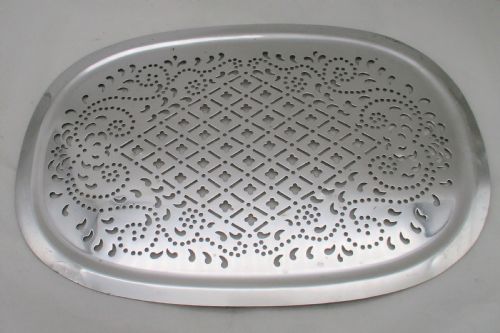
- A pierced draining plate fitted inside a dish to keep food elevated above accumulated juices. They frequently appear in Old Sheffield Plate.
- Warming Dish
- A specialised vessel with a compartment for hot water to keep food heated during long meals. These items illustrate nineteenth-century dining utility.
Regency Silver Plated Dish: Frequently Asked Questions
What is Old Sheffield Plate?
Old Sheffield Plate is an early fusing technique where a sheet of silver is bonded to a copper base under heat.
This method differs entirely from later nineteenth-century electroplating, resulting in a rich surface texture and durable construction.
How were warming dishes used?
Warming dishes kept food hot during extended meals by holding hot water within a concealed base compartment.
Servants placed boiling water inside before bringing the vessel to the dining table for formal service.
How do I spot copper bleed?
Copper bleed occurs when the thin exterior silver layer wears down over decades of polishing, revealing the warm reddish copper underneath.
This tonal shift often appears along sharp edges, handles, and raised decorative borders.
Are meat domes heavy?
Meat domes possess a notable heft because they combine a thick copper foundation with fused silver and cast handles.
Their substantial weight was necessary to retain heat and maintain stability over large joints of meat.
What defines the Regency style here?
Regency design emphasises classical restraint, clean neoclassical proportions, and subtle decorative motifs such as reeded borders.
These pieces reflect the shifting aesthetic tastes of the early nineteenth century and the Georgian period.