




Silver Plated Desk Tray
These silver plated desk tray pieces organise writing implements and small desk accessories, offering both practical utility and period character for any workspace.
Silver Plated Desk Tray
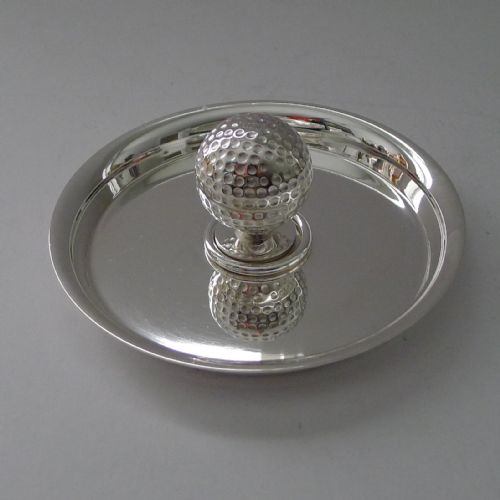
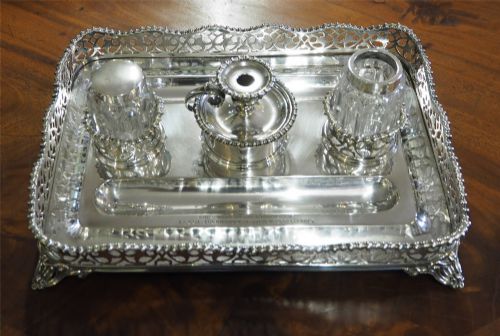
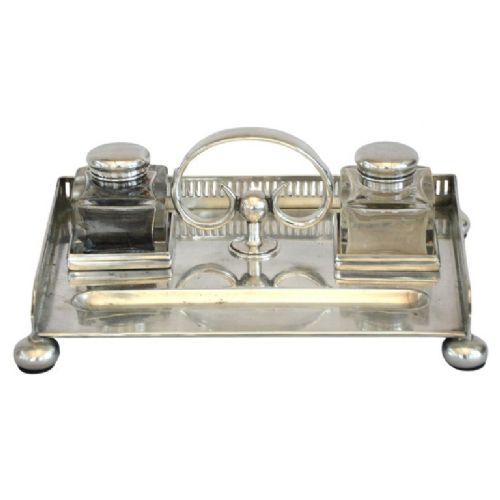
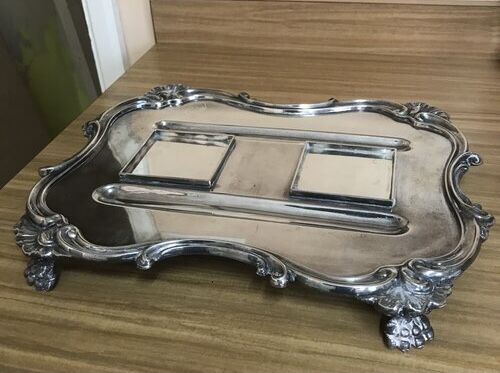
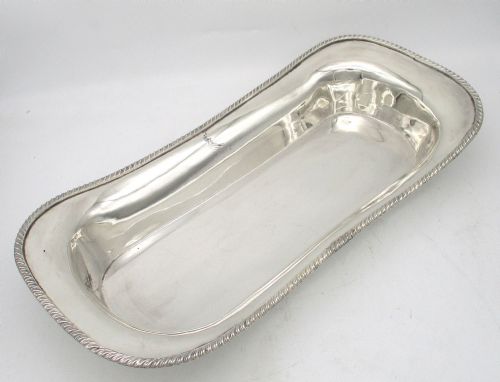
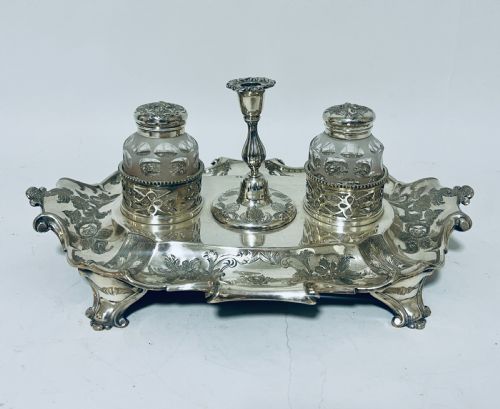
A silver plated desk tray serves as a functional workspace organiser, designed to hold writing instruments, ink wells, and small accessories. Buyers exploring this category encounter various forms, including inkstands, knife trays adapted for desk use, and vide poche dishes.
The selections span multiple eras, featuring substantial Victorian and Georgian examples alongside later Edwardian and mid-century designs. Pieces range from simple base metal trays to elaborate multi-piece desk sets complete with glass inkwells.
Origins vary across English, French, and German workshops, reflecting different regional approaches to desk organisation. The most commonly encountered items combine silver plate with fitted compartments or integrated pen rests.
How they were made
Early items utilise Old Sheffield Plate or Sheffield plate techniques, fusing a thin layer of silver onto a base metal or copper core. This method often reveals a rich warm copper tone beneath worn highlights.
Later Victorian and 20th-century pieces rely on electroplating silver onto base metals, sometimes incorporating moulded cut glass dishes or oak wooden elements to create contrast and utility.
Even a simple desk tidy has a story to tell, likely once holding the fountain pen of someone writing lengthy letters by candlelight.
What varies in quality
The weight of the base metal and thickness of the silver plating dictate longevity and tactile substance. Heavier gauge metalwork sits more securely and resists bending during daily use.
Refinement in surface decoration, such as cast borders or hand-engraved detailing, separates standard production items from workshop pieces created by prominent makers. The presence of original fitted glass inserts or matched inkwells adds to the integrity of an inkstand.
Hermes Paris·Elkington·Walker And Hall·Harrods·Creswick·Walker Knowles·W M F·Maria Pergay·Daniel Holy
The Silver Plated Desk Tray Glossary
- Old Sheffield Plate
- An early method of fusing silver to a copper core before the invention of electroplating. Edges often reveal the underlying copper through wear.
- Vide Poche
- A small tray or dish placed on a desk or hall table for emptying pockets. The term translates from French as empty pocket.
- Inkstand
- A fitted desk tray incorporating one or more inkwells and pen rests. These pieces formed the central writing accessory on 19th-century desks.
- Base Metal
- The underlying metal alloy beneath the silver plating, typically copper, brass, or Britannia metal. When the silver plate wears thin, this metal becomes visible.
Silver Plated Desk Tray: Frequently Asked Questions
What is a silver plated desk tray used for?
These trays organise writing tools, letter openers, and stationery on a desktop. Many incorporate specific wells for ink or grooves to rest pens.
Historically, they sat on writing tables to keep necessary correspondence items tidy and accessible within studies and offices.
How do I clean a silver plated desk tray?
Clean silver plate gently using a soft cloth and a specialised silver polish formulated for plated items. Avoid harsh abrasive cleaners that can wear away the thin silver layer.
Take particular care around engraved areas or exposed copper edges on older Sheffield plate pieces to preserve the historic patina.
What is the difference between Sheffield plate and electroplate?
Sheffield plate involves physically fusing a sheet of silver to a copper ingot and rolling them together under heat. This older technique shows distinct characteristics at cut edges.
Electroplating, introduced later in the 19th century, uses an electrical current to bond a coating of silver onto a base metal object.
Are glass inserts original to these trays?
Many desk stands and inkstands include fitted glass or cut glass inkwells that were designed specifically for the frame. Replacement inkwells are common due to breakage over decades of use.
Matching the glass period and style to the metal tray helps determine if the components have remained together since manufacture.