
Regency Server Table
A regency server table brings classical proportion and figured timber to a dining room, offering both a surface for hospitality and a commanding architectural presence.
Regency Server Table
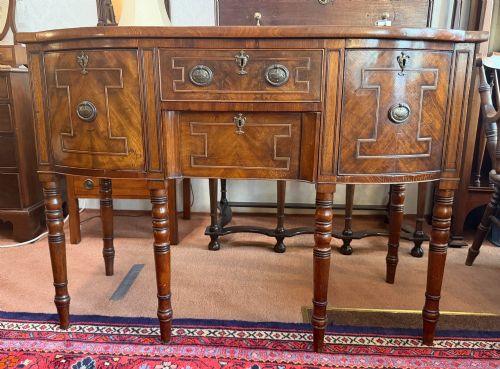
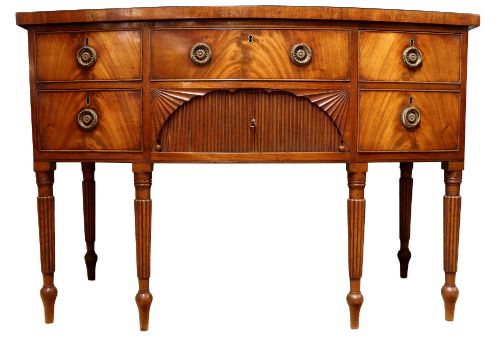
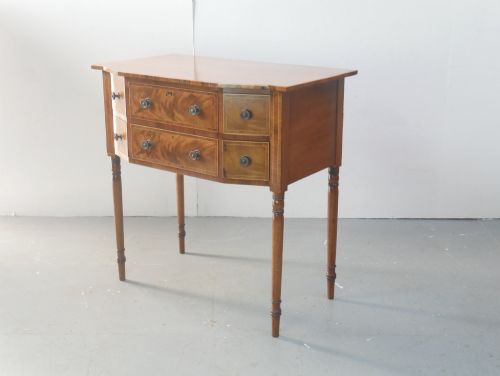
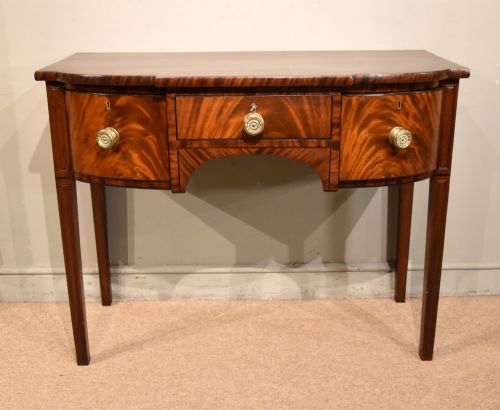
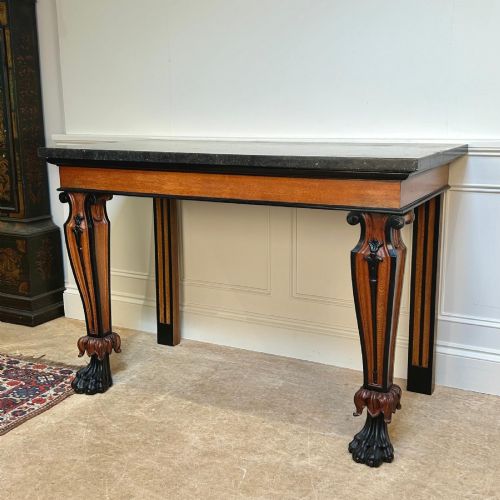
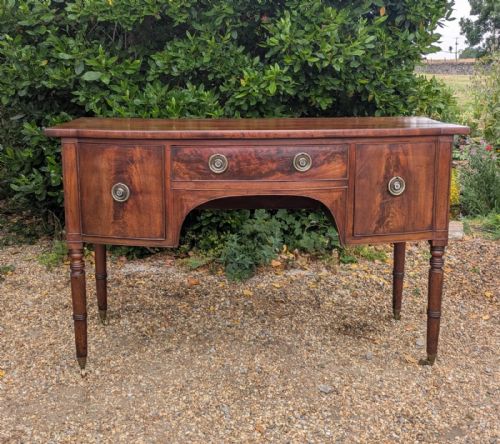
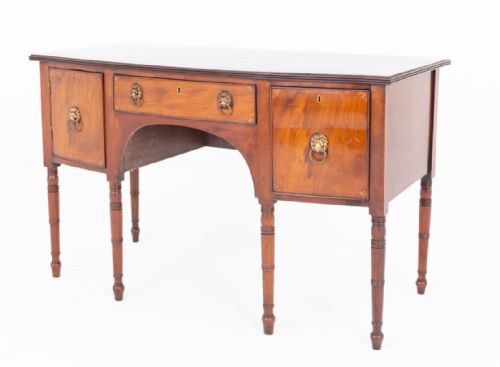
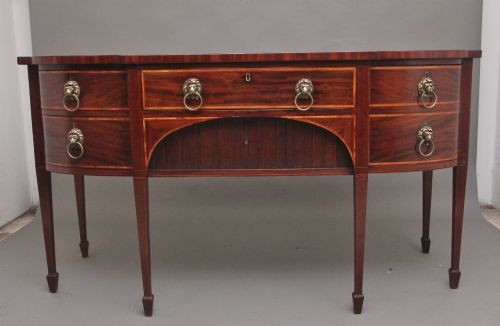
A regency server table sits at the intersection of formal dining furniture and architectural console design, appearing in formats from bow-fronted sideboards to open-frame serving tables. When searching for a regency server table, buyers encounter pieces spanning the Georgian, Regency, and William IV periods, alongside later revivals.
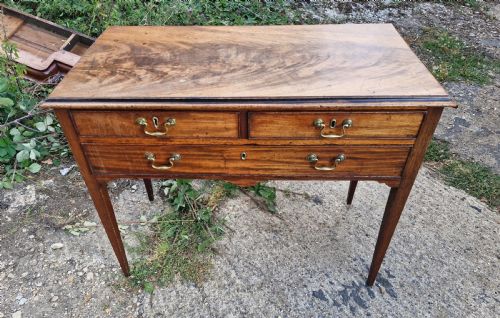
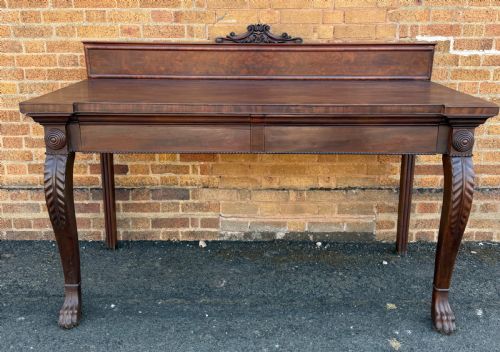
The form often incorporates pedestal ends, brass inlays, or carved details in solid mahogany and flame mahogany veneer. These pieces function as service points for dining rooms or display surfaces in grand halls, varying from compact side tables to imposing breakfront models.
Materials and construction methods
Cabinet makers relied primarily on mahogany and flame mahogany veneer, often contrasted with boxwood stringing and brass mounts or inlay. Structural elements frequently utilise oak or secondary softwoods beneath the primary show woods.
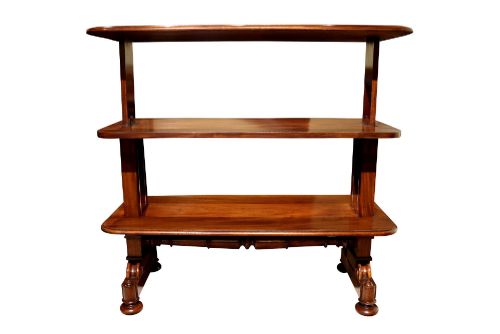
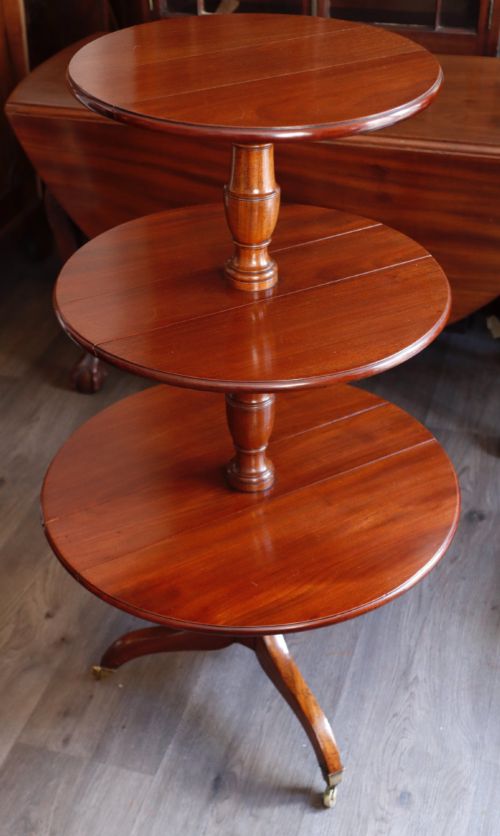
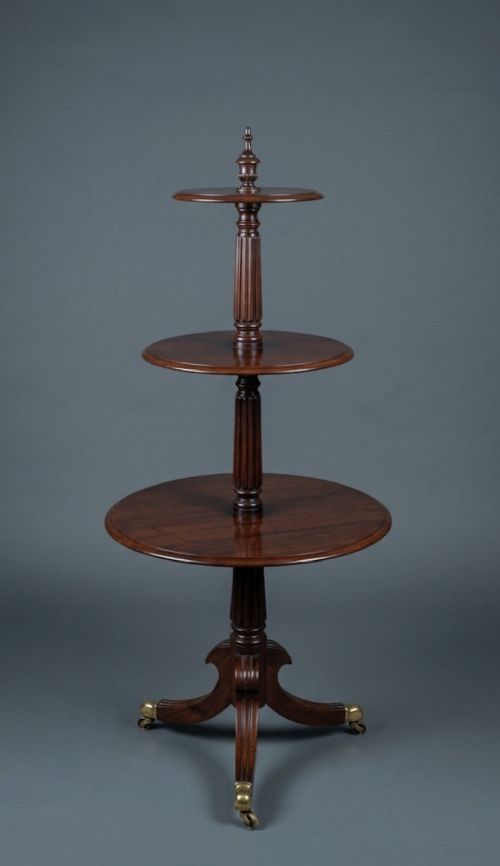
Surfaces achieve their characteristic depth through hand-applied polishes over carefully matched veneers. Structural stability is maintained through traditional joinery, accommodating the substantial weight of marble tops or tiered Dumb Waiter constructions where present.
Regency Server Table Retail Price Guide 2026
Typical asking prices for regency server table among the pieces listed under this phrase on Sellingantiques today, from the lower quarter to the upper quarter. They describe what is for sale here now, not the wider market.
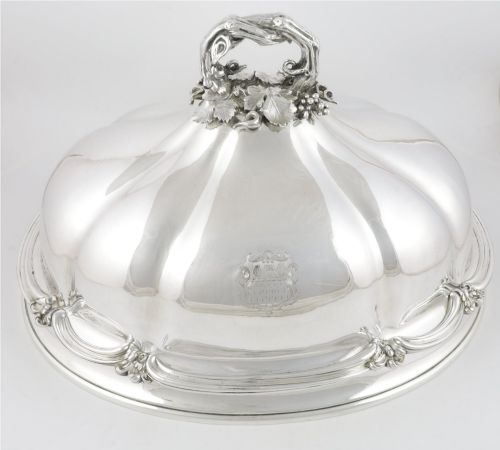
Some dining servers arrived with built-in cheese coasters and meat domes to protect the roast from eager hounds.
Assessing quality and craftsmanship
The distinction between standard production and exceptional work rests on timber selection, particularly the vibrancy of flame mahogany veneers and the precision of boxwood inlay. Superior examples display seamless grain matching across drawer fronts and top surfaces.
Structural integrity and the retention of original brass hardware or mounts heavily influence the standing of a piece. Finer items exhibit crisp carving on pedestal bases and legs, maintaining proportion without clumsy additions or mismatched replacements.
Gillows·Roberts Cadman·Charles Fox II·Robert Strahan & Co
The Regency Server Table Glossary
- Flame mahogany
- A veneer cut from the fork of the mahogany tree, producing a distinctive flickering flame-like grain pattern that defines many high-end Regency pieces.
- Breakfront
- A piece of furniture where the central section projects forward from the flanking outer sections, creating architectural depth.
- Demi-lune
- A half-moon shape used for table tops and sideboards, allowing the piece to sit flush against a wall.
- Stringing
- Thin lines of contrasting wood, such as boxwood, inlaid into the surface of furniture to create decorative borders.
- Dumb waiter
- A tiered piece of freestanding furniture with revolving or fixed circular shelves, used for serving food and drink without servants present.
Regency Server Table: Frequently Asked Questions
What is a regency server table used for?
These tables served primarily in dining rooms for holding dishes, silver, and serving vessels during formal meals.
Today, they function as sideboards in dining spaces or as console tables in hallways and reception rooms.
How do I identify a genuine period piece?
Examine the timber selection, secondary woods like oak, and the hand-cut joinery methods visible inside drawers and beneath tops.
Period pieces display consistent patination and wear patterns that modern reproductions cannot replicate accurately.
What is the difference between a server and a sideboard?
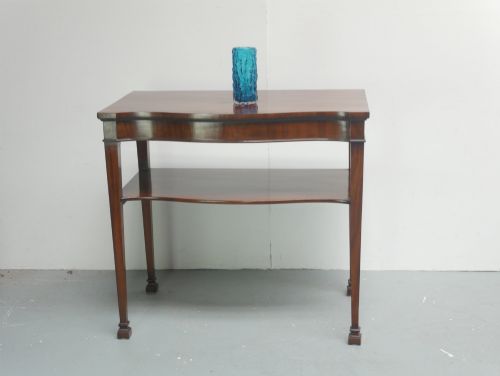
Servers tend to be more open and architectural, sometimes featuring console frames or fewer cupboards than traditional sideboards.
Sideboards generally incorporate extensive drawer and cabinet storage enclosed within a larger carcass.
Are these tables suitable for modern homes?
Their slender depths and refined proportions allow them to fit easily into hallways, living rooms, and contemporary dining spaces.
They provide practical surface area while introducing classical design character to a room.