
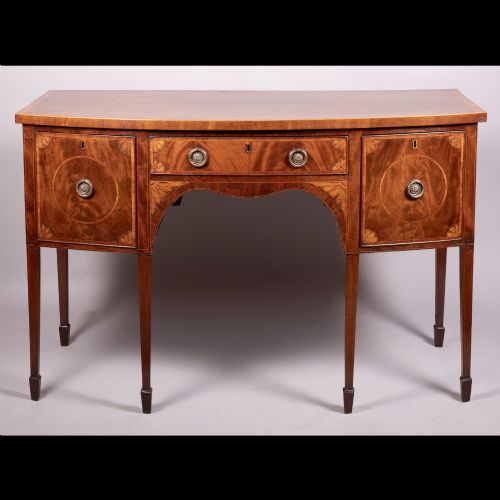
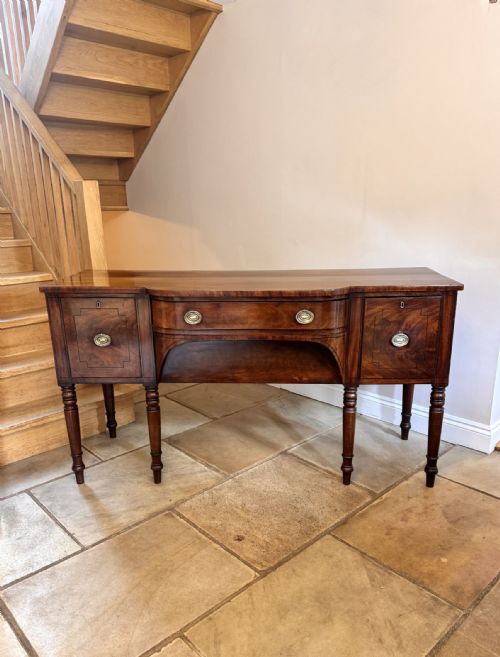


Georgian Bow Front Table
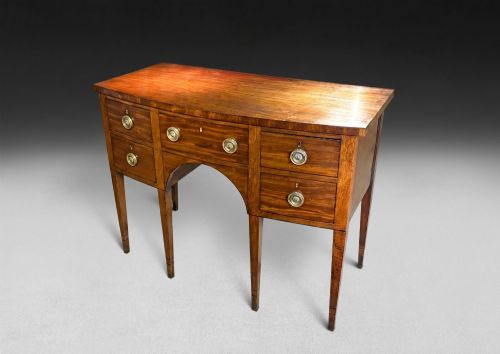
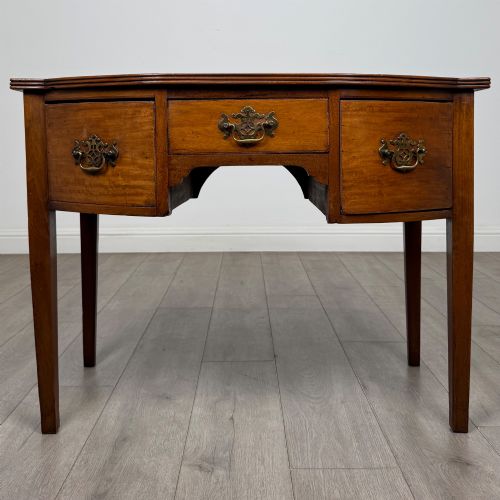
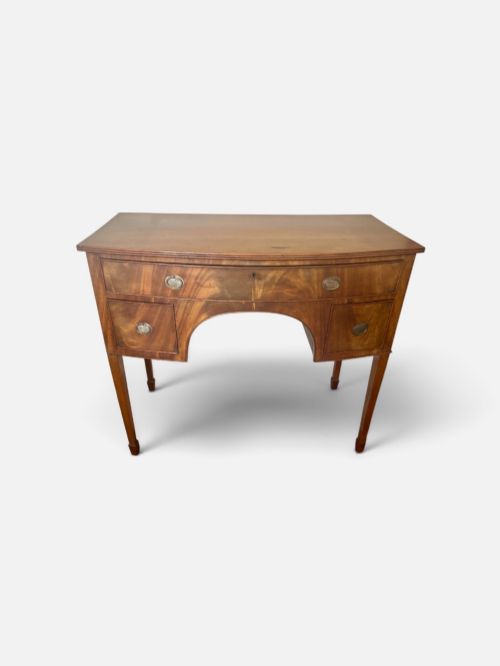
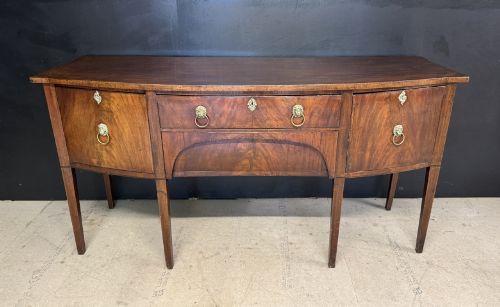
A georgian bow front table brings graceful curves and rich timber grain to a room, offering both practical surface space and enduring period character.
Georgian Bow Front Table
Materials and Construction
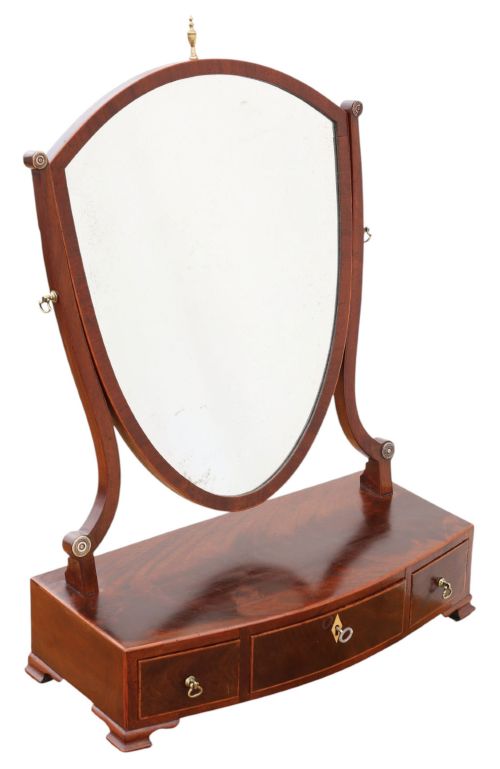
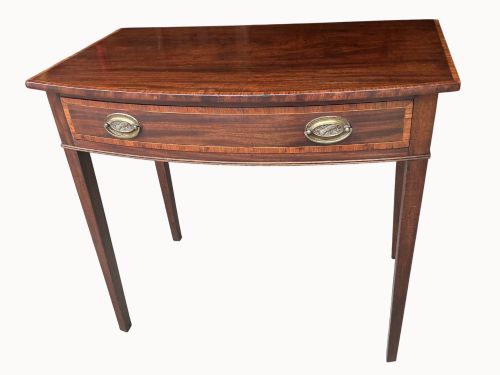
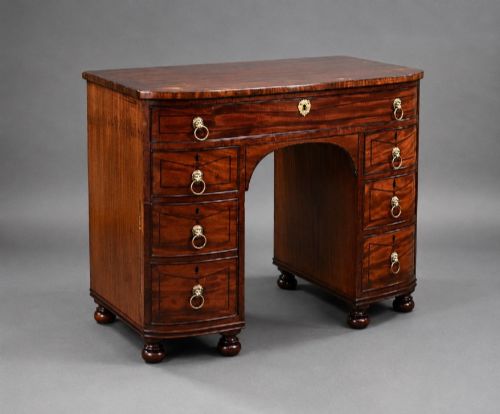
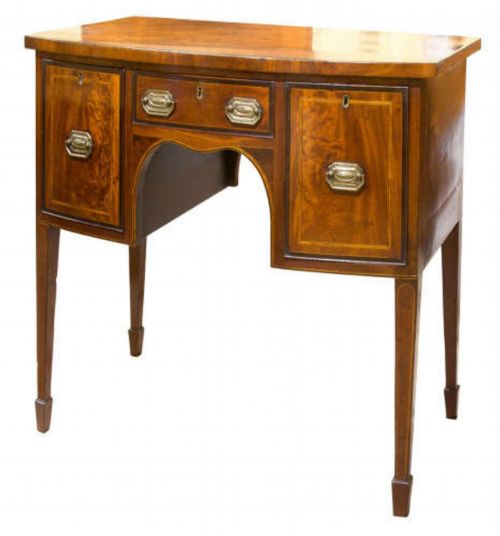
Cabinet makers relied primarily on solid mahogany and flame mahogany veneer, often accentuating the curved drawer fronts with boxwood stringing, satinwood inlay, or purpleheart banding. These timbers were selected for their rich grain patterns and durability.
Joinery techniques involved careful framing of the curved front apron to maintain structural integrity without warping. Drawers were typically hand-dovetailed, and brass hardware completed the construction.
Georgian Bow Front Table Retail Price Guide 2026
Typical asking prices for georgian bow front table among the pieces listed under this phrase on Sellingantiques today, from the lower quarter to the upper quarter. They describe what is for sale here now, not the wider market.
Some gentlemen's dressing chests included clever compartments designed specifically for concealing early nineteenth-century wig powder.
Assessing Craftsmanship
Quality rests in the selection of timber, particularly the choice of figured flame mahogany for the bowed drawer fronts and the precision of contrasting wood inlays. Better examples display balanced proportions and crisp execution of details like boxwood stringing.
The integrity of the curved framework and the original condition of the brass handles and timber surfaces distinguish finer examples from standard production pieces.
The Georgian Bow Front Table Glossary
- Bow front
- A convex curved front profile that projects outward, commonly seen on sideboards, chests, and tables from the Georgian period. This shape softens room lines and maximises internal storage.
- Flame mahogany
- A veneer cut from the fork of the mahogany tree, displaying a distinctive flame-like grain pattern. Cabinet makers used this on prominent surfaces like drawer fronts.
- Stringing
- A narrow strip of contrasting light wood, such as boxwood, inlaid into the surface of dark timber to create decorative borders. It defines edges on table tops and drawer faces.
- Frieze
- The horizontal band running directly beneath the table top, often housing one or more drawers in side and writing tables.
Georgian Bow Front Table: Frequently Asked Questions
What rooms suit a bow front table?
These pieces adapt easily to hallways, dining rooms, and bedrooms depending on the specific form chosen. Side tables and desks function well in living spaces, while sideboards suit dining areas.
The curved profile allows furniture to sit comfortably in spaces where sharp corners might impede movement, providing both a surface and storage.
How do I care for mahogany surfaces?
Maintenance requires simple dusting with a soft, dry cloth and occasional application of traditional beeswax to nourish the timber. Avoid placing pieces in direct sunlight or near heat sources to prevent the veneer from drying.
Proper humidity levels in the room protect both the solid mahogany structure and delicate boxwood stringing from movement.
Are these tables suitable for daily writing?
Writing tables and desks provide a sturdy working surface equipped with drawers for stationery storage. The height and depth are designed for comfortable seating.
Using a blotter or leather pad protects the historic wood surface from ink or daily wear while maintaining utility.
How can I tell a side table from a sideboard?
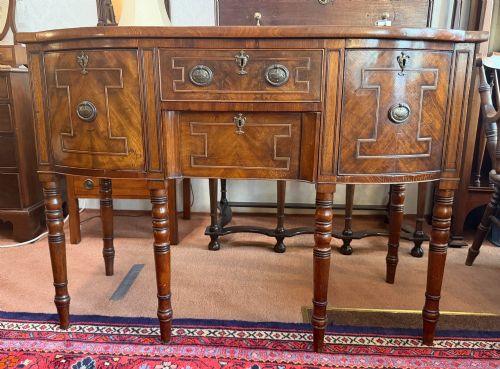
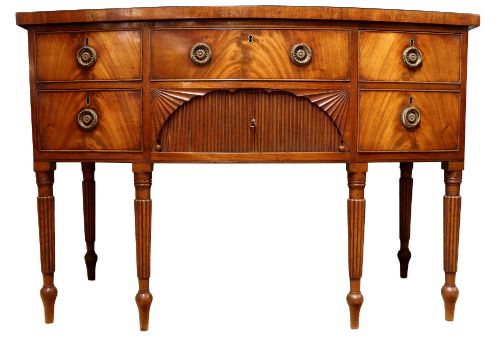
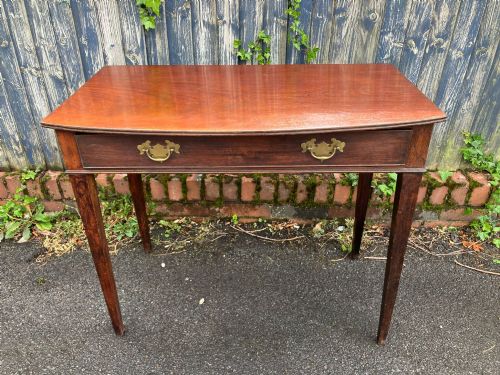
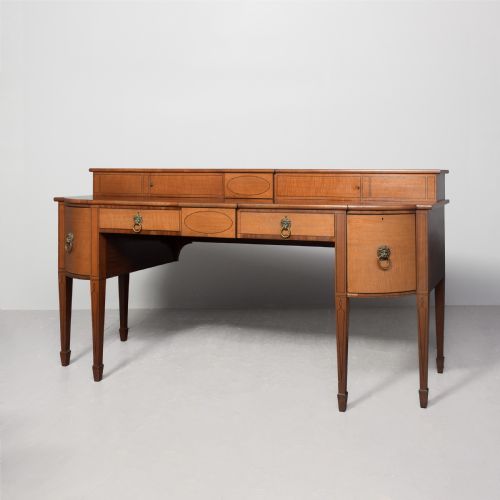
Side tables typically feature slender legs and one or two drawers in the frieze, designed for occasional display or hall use. Sideboards are larger, lower structures built for dining rooms with multiple cupboards and drawers.
Proportion and internal depth separate the lighter serving tables from heavier storage pieces.