
Regency Rosewood Occasional Table
These regency rosewood occasional table pieces offer compact elegance for the parlour, bringing rich dark timber and refined classical proportion into daily domestic use.
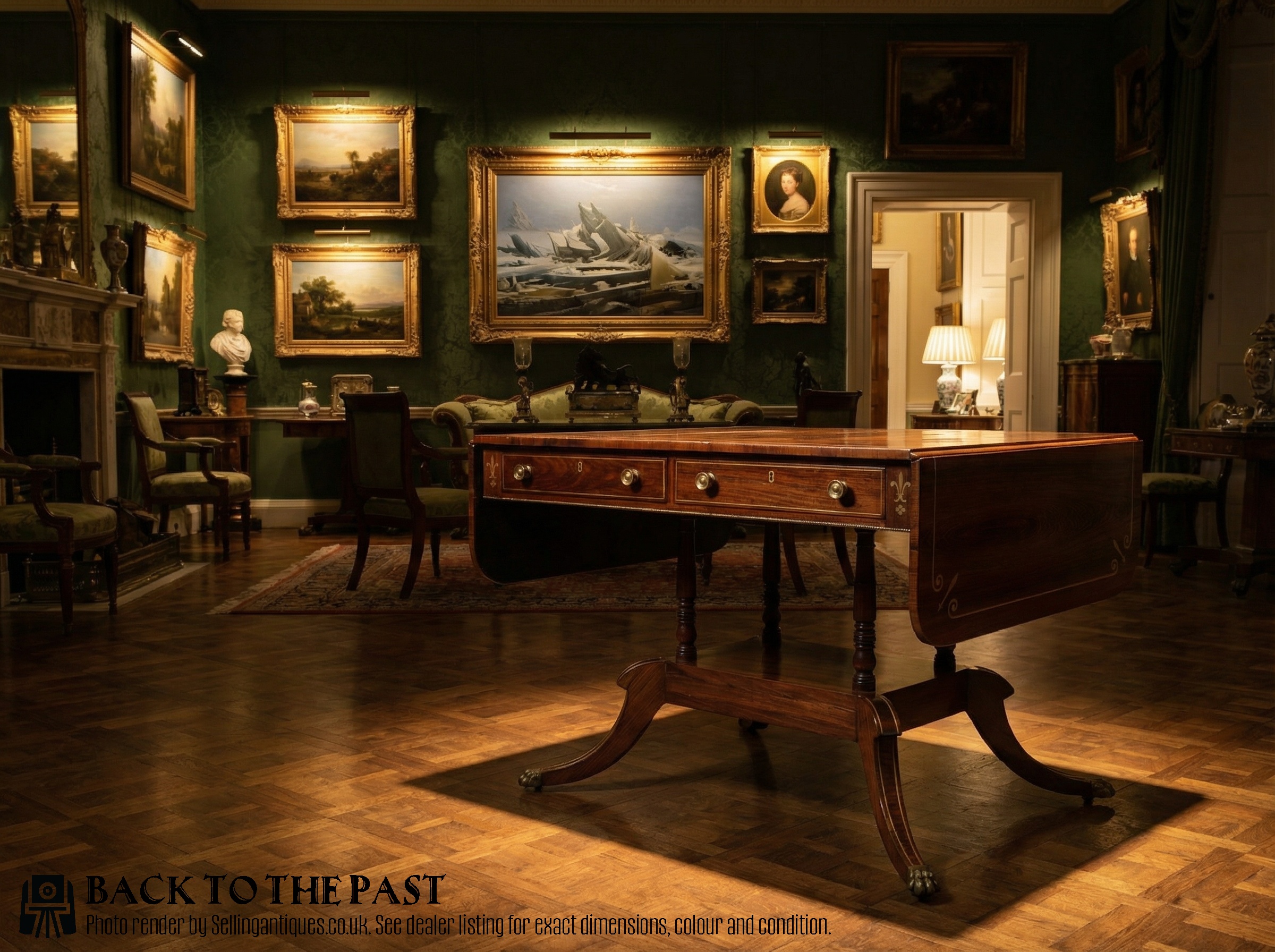
Regency Rosewood Occasional Table
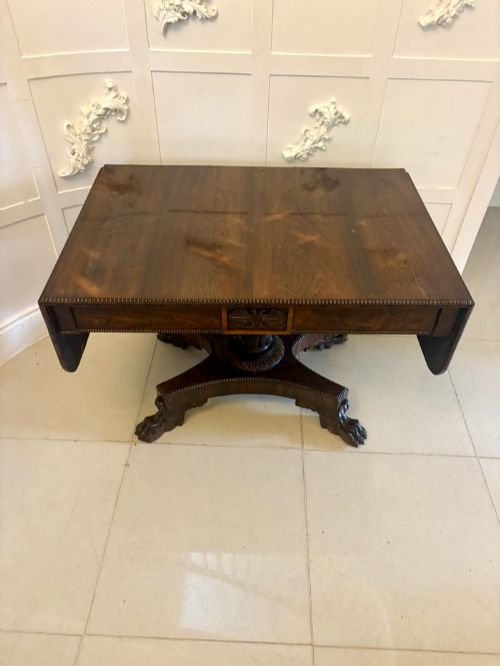
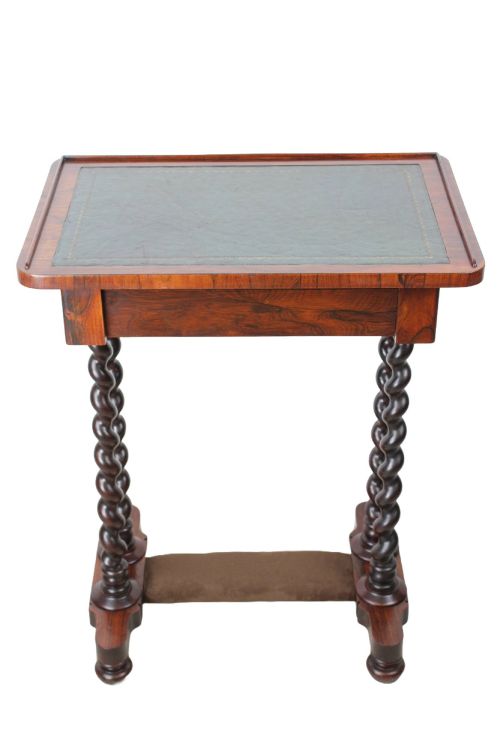
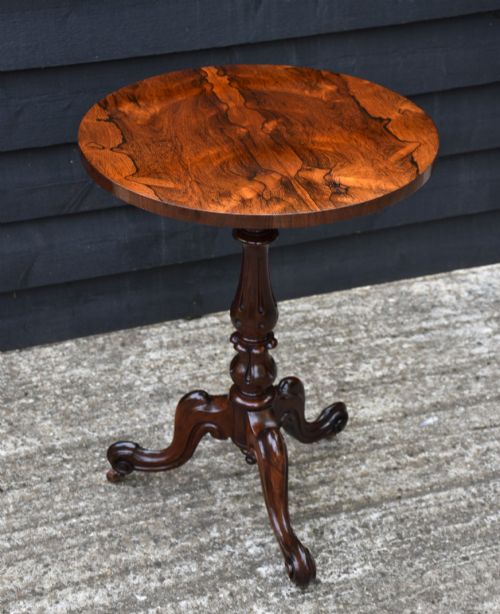
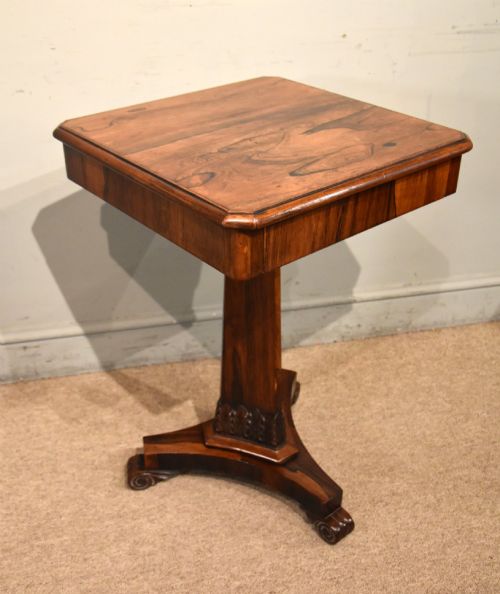
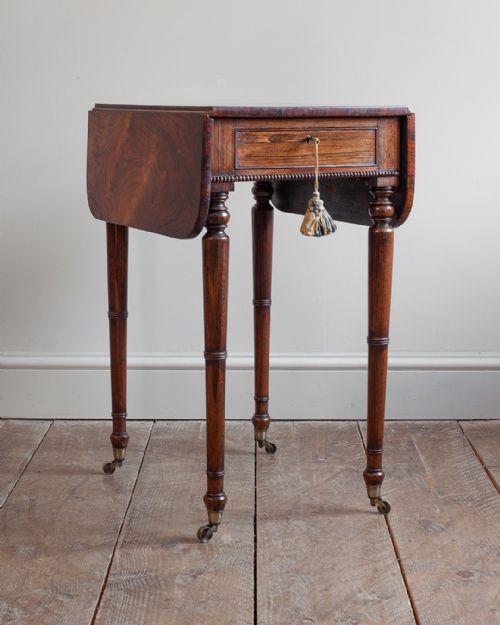
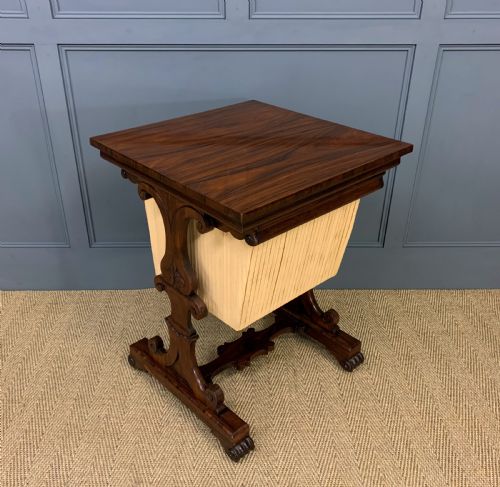
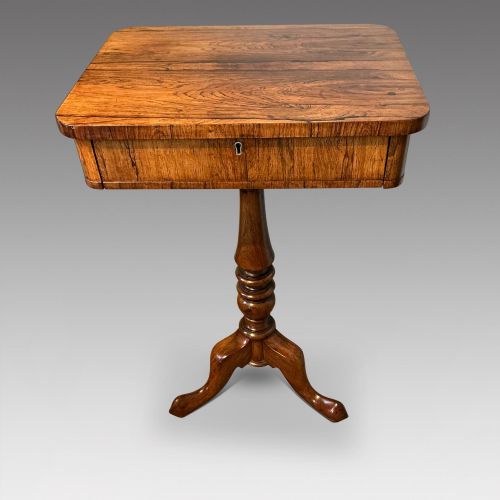
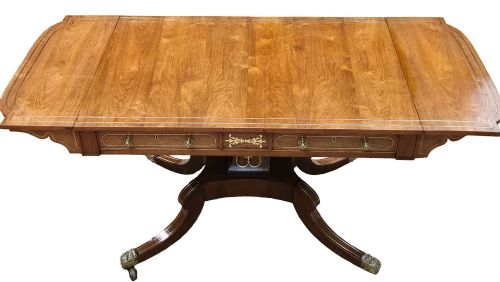
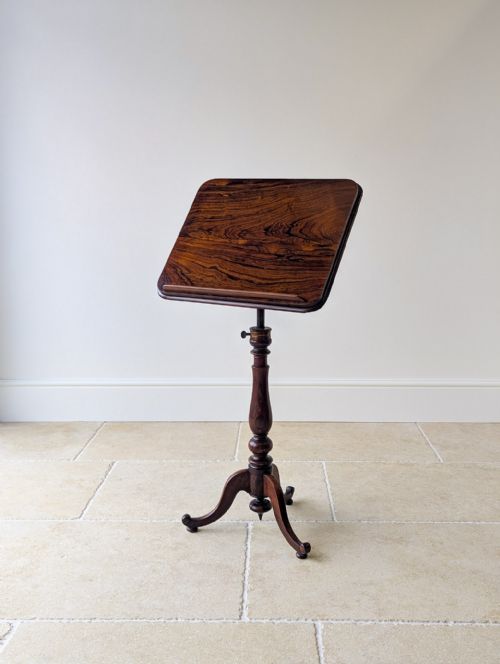
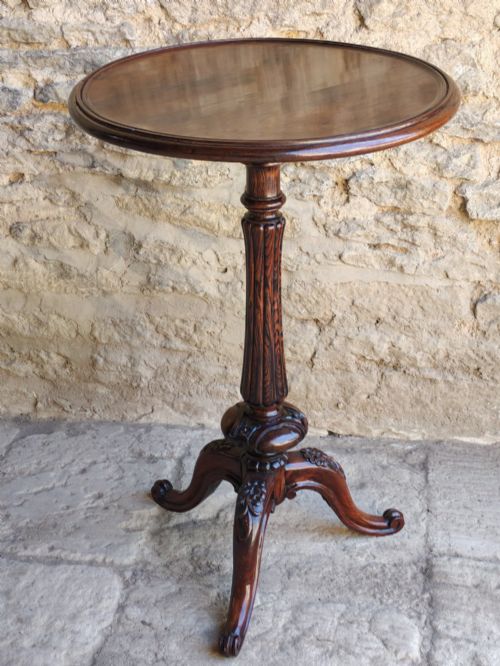
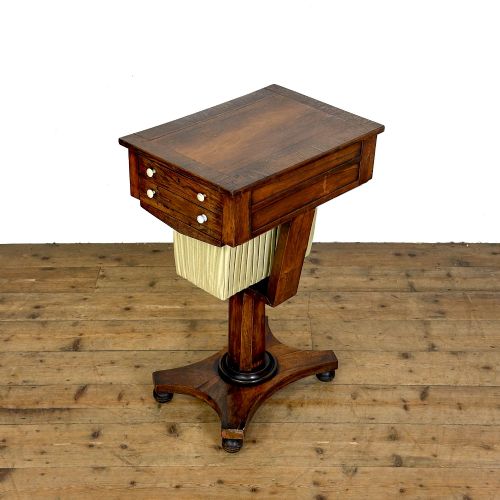
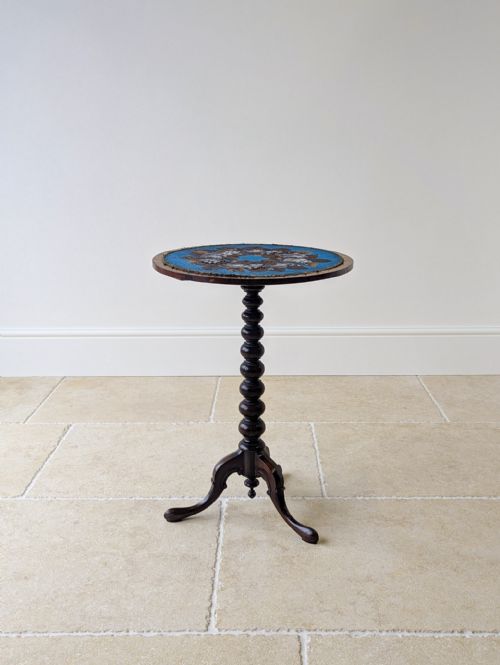
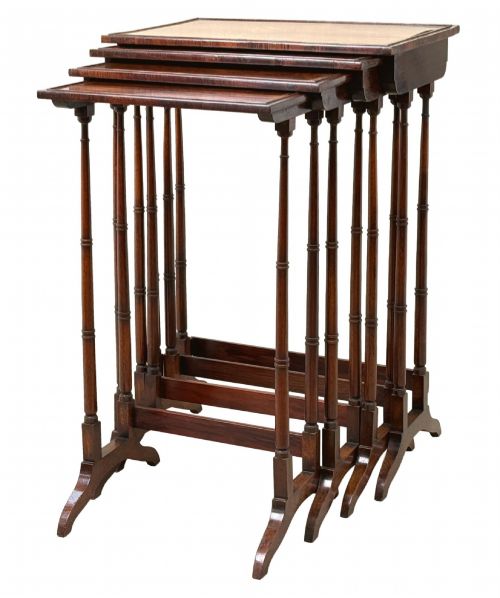
A regency rosewood occasional table serves diverse domestic functions, appearing across the evidence as lamp tables, wine stands, reading desks, and nests of quartetto tables designed for flexible placement in principal rooms. These pieces originate predominantly from the nineteenth century, spanning the Regency, William IV, and early Victorian periods alongside transitional Georgian examples.
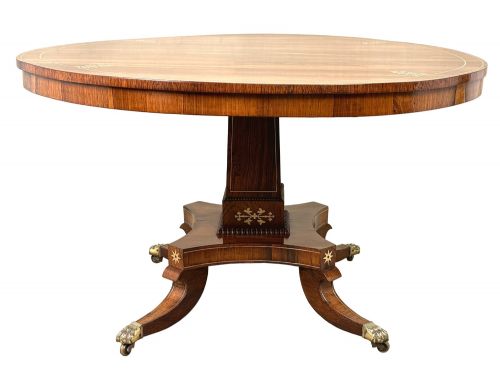
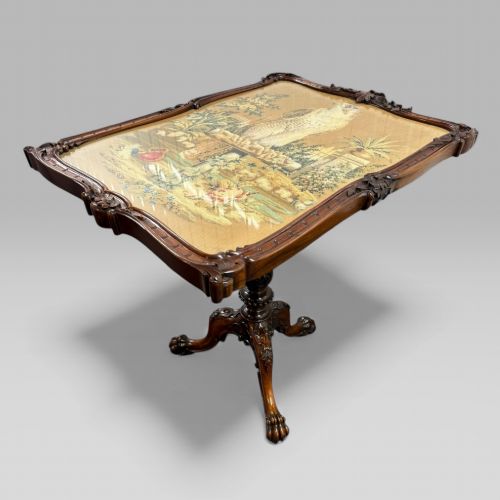
The form varies from circular pedestal columns and tripod bases to rectangular sofa tables, drop-leaf designs, and multi-tiered stands. Buyers encounter compact side tables intended for morning rooms and lounges alongside more elaborate centre tables featuring brass inlay or specimen marble tops.
How They Were Made
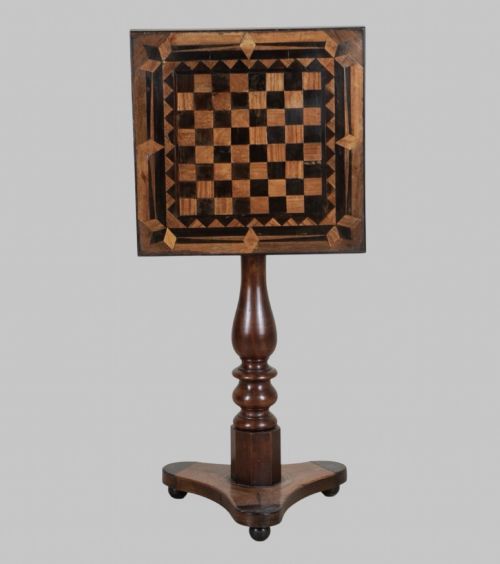
Cabinet makers utilised dense rosewood timber, often applied as fine veneers over secondary woods like mahogany or pine to achieve rich grain patterns and deep colour. Surfaces frequently incorporate brass stringing, brass mounts, and delicate inlay alongside contrasting secondary woods such as satinwood, boxwood, and walnut.
Structural engineering involved sturdy central pillars, fluted columns, and tripod supports, occasionally featuring tilting mechanisms or telescopic adjustments for functional versatility. Joinery and decorative details such as beadwork, carving, and penwork demonstrate the high level of craftsmanship standard to the period.
Several tables cleverly conceal integrated chess boards and telescopic actions, proving nineteenth-century furniture makers loved a secret compartment.
What Varies in Quality
Design ambition and structural integration set exceptional pieces apart, visible in the harmony of proportions, the choice of figured timber veneers, and the precision of brass inlay. Tables associated with known workshops or specific design manners exhibit superior detailing in carved mounts, turned columns, and integrated hardware.
Gillows·George Bullock·James Mein
The Regency Rosewood Occasional Table Glossary
- Quartetto
- A set of four graduating occasional tables designed to nest neatly beneath one another. These space-saving pieces were highly popular during the Regency period.
- Sofa Table
- A rectangular occasional table traditionally placed in front of or beside a sofa, featuring drop leaves on either side. They often incorporate trestle supports or twin pillar pedestals.
- Crossbanded
- A decorative framing technique where a border strip of veneer is applied around the edge of a tabletop so the grain runs perpendicular to the main panel. This provides a neat visual boundary.
- Brass Inlay
- The technique of recessing thin strips or intricate motifs of brass into the wooden surface of furniture. It is characteristic of high-status Regency cabinet making.
- Tilt Top
- A tabletop mounted on a hinged mechanism allowing the surface to swivel vertically when not in use. This clever engineering saved floor space in crowded nineteenth-century rooms.
Regency Rosewood Occasional Table: Frequently Asked Questions
What is a regency rosewood occasional table used for?
These versatile pieces served numerous daily functions in nineteenth-century homes, acting as lamp stands, reading surfaces, wine tables, or card and chess boards. Their compact proportions allowed them to be easily moved around drawing rooms, morning rooms, and lounges as needed.
Today, they function well in modern interiors as bedside tables, lamp stands in living areas, or display surfaces for decorative objects. Their rich timber tones bring warmth and historical character to both traditional and contemporary spaces.
How do I tell a Regency table from a Victorian one?
Regency pieces, generally dating from the early nineteenth century around eighteen hundred to eighteen thirty, typically display clean classical proportions, restrained brass inlay, and refined pedestals or column supports. The influence of ancient Greek and Roman design remains strong in the turned woodwork and crisp lines.
Victorian pieces often introduce heavier proportions, bolder carving, and more eclectic decorative details. While rosewood continued to be utilised, the joinery and stylistic flourishes shifted away from strict Regency restraint toward more ornate Victorian tastes.
How do I care for antique rosewood furniture?
Antique rosewood requires stable environmental conditions away from direct sunlight and strong heat sources, which can dry out the timber and cause veneers to lift. Regular gentle dusting with a soft, dry cloth preserves the finish without harming the historic polish.
Applying occasional appropriate wax feeds the timber and maintains the natural lustre of the wood grain. Avoid placing damp items directly onto antique surfaces to protect the polished finish from water marks.