
Regency Brass Castor Table
A regency brass castor table brings nineteenth-century timber forms and mobility together, offering functional elegance for modern interiors.
Regency Brass Castor Table
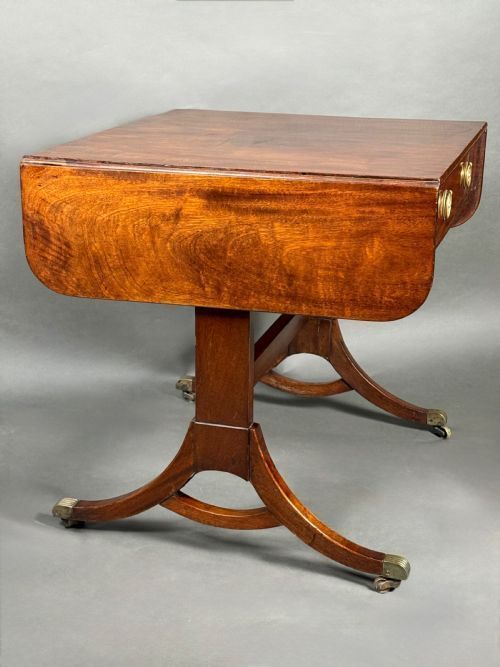
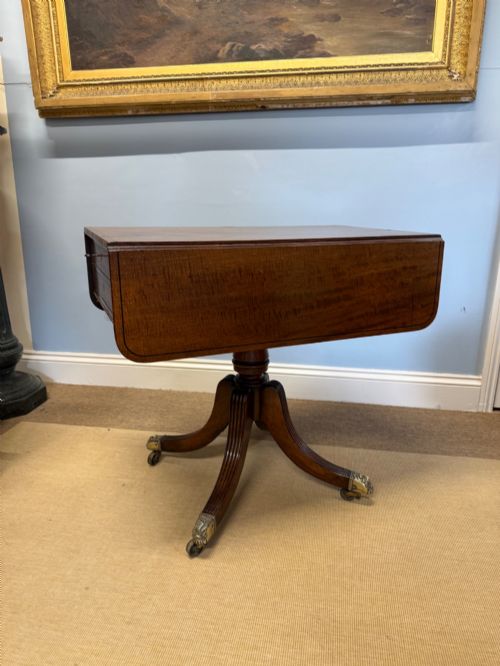
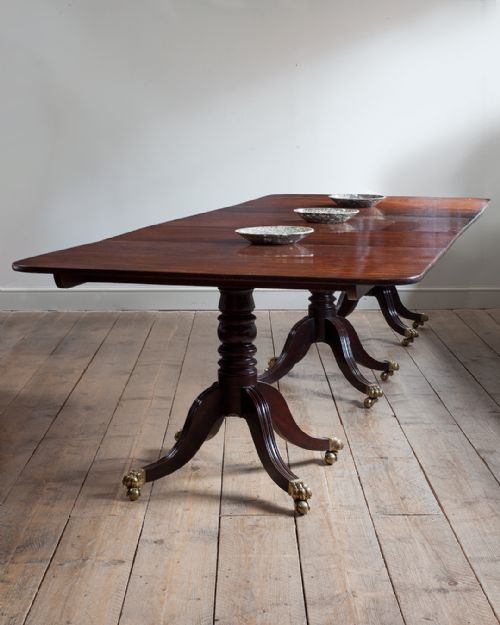
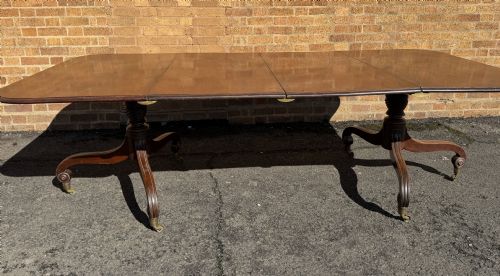
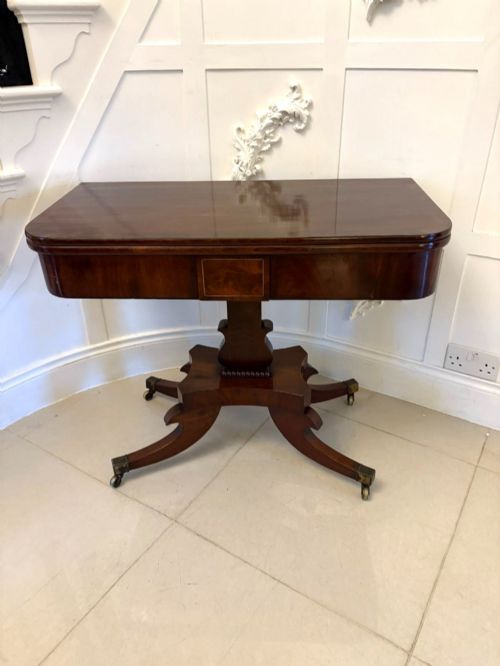
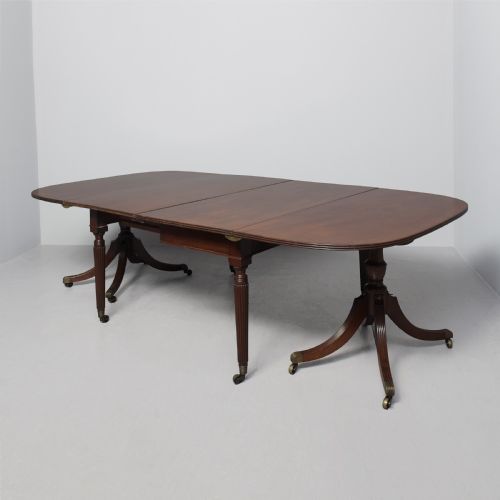
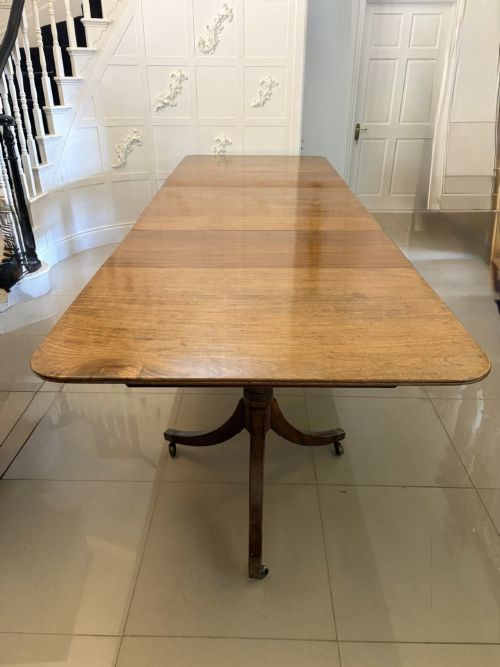
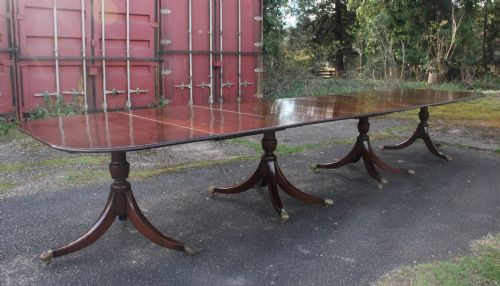
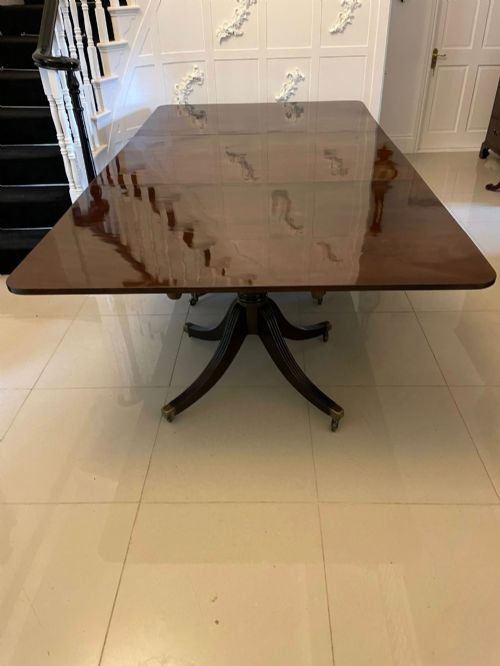
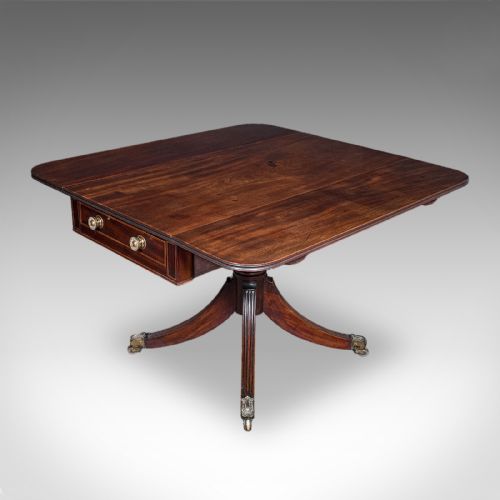
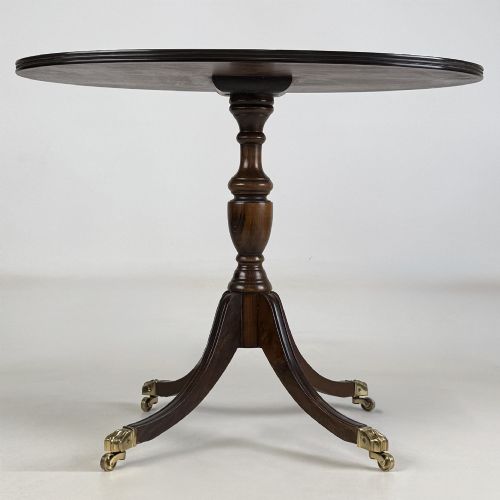
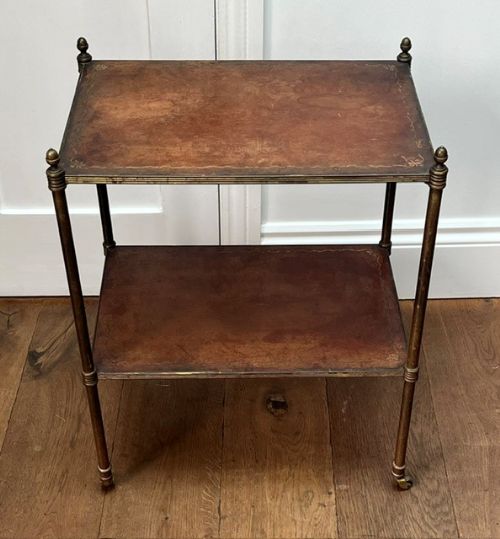
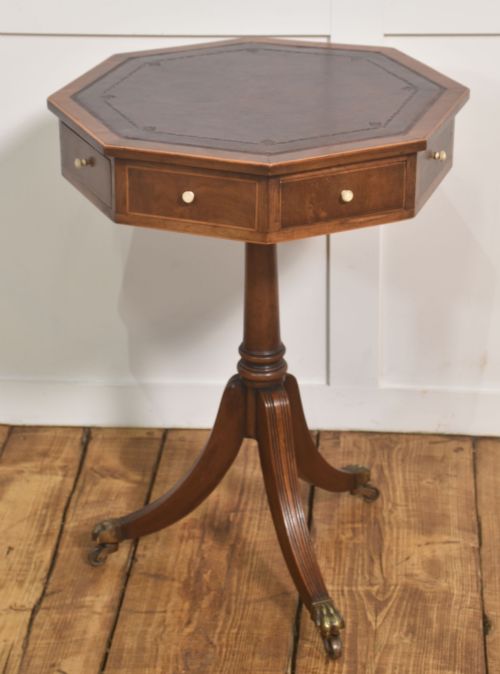
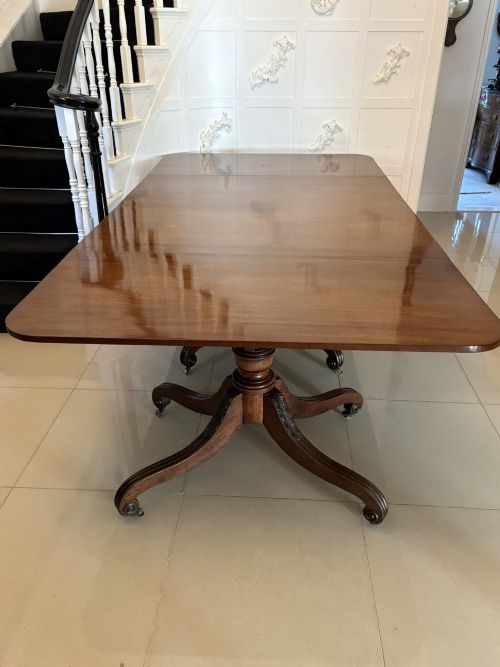
The defining characteristic remains the inclusion of brass castors beneath the legs, allowing heavy timber furniture to move easily across carpets and floorboards. Buyers frequently encounter twin-pillar or triple-pedestal dining formats and smaller centre or sofa tables equipped with these metal fittings.
Materials and construction
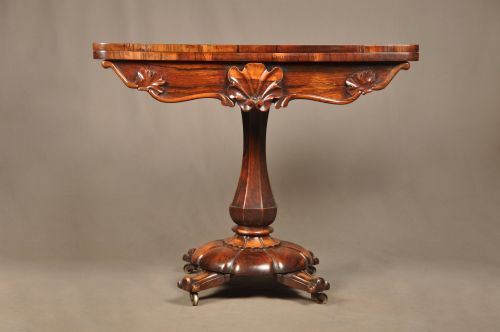
Cabinet makers relied heavily on dense tropical hardwoods like mahogany and rosewood, frequently enhanced by flame mahogany veneers, pollard oak, boxwood stringing, and crossbanding. These timbers were selected for grain pattern and stability before being polished to a deep lustre.
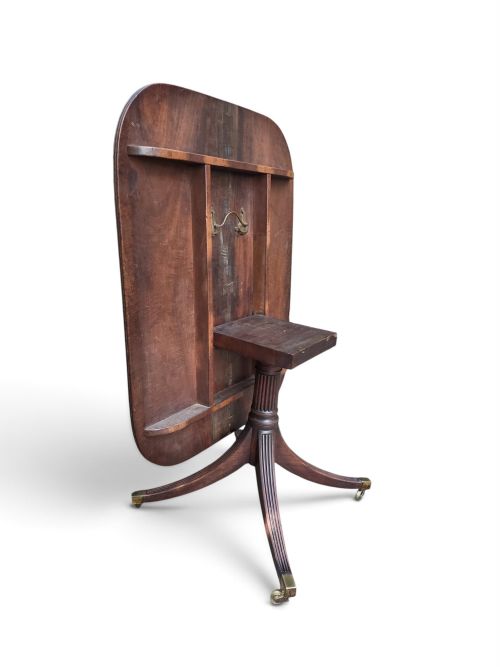
Support structures incorporate turned columns, pedestal bases, and reeded sabre legs terminating in brass castors or paw feet. Brass hardware provides both structural reinforcement at the ground contact point and decorative contrast against the dark wood.
Regency Brass Castor Table Retail Price Guide 2026
Typical asking prices for regency brass castor table among the pieces listed under this phrase on Sellingantiques today, from the lower quarter to the upper quarter. They describe what is for sale here now, not the wider market.
Listings feature woods including mahogany, rosewood, oak, boxwood, and burr oak veneer across periods from the Georgian era to the mid-twentieth century.
Evaluating quality
Quality rests in the selection of figured timber veneers and the crispness of secondary details such as boxwood inlay or carved reeding on the legs. Superior examples display seamless joins, balanced proportions across multiple dining leaves, and original brass hardware that matches the period of the frame.
The integrity of the pedestal mechanism and the smooth operation of drop-flaps, fold-over tops, or extending leaves dictate daily utility. Tables retaining their original brass castors command closer attention from collectors than those with later replacements.
Gillows of Lancaster
The Regency Brass Castor Table Glossary
- Castor
- A small wheel mounted on a swivel assembly attached to the foot of a table leg. It permits smooth movement across floors.
- Pedestal
- A central vertical support column rising from a plinth or spreading legs. Multiple pedestals sustain long dining tables.
- Pembroke table
- A small rectangular table featuring two hinged drop leaves on opposing sides. It often includes one or two frieze drawers.
- Sofa table
- A rectangular occasional table traditionally placed in front of a sofa. It typically possesses drop leaves and twin end supports.
- Crossbanding
- A narrow strip of veneer applied perpendicularly to the main grain of the tabletop. This technique creates a distinct framing border.
Regency Brass Castor Table: Frequently Asked Questions
What is a regency brass castor table used for?
These pieces serve multiple domestic functions depending on their form, ranging from large dining tables for hosting guests to small tea and card tables placed in reception rooms. The addition of castors allowed owners to reposition furniture easily for different daily activities.
Smaller iterations function effectively as side tables or occasional stands in studies and hallways. Dining variants accommodate varying numbers of diners through removable leaves and extending pedestals.
How do I distinguish original castors from replacements?
Original castors show consistent signs of age, oxidation, and wear matching the timber frame above them. They fit snugly into the wooden leg terminals without oversized fixing screws or modern replacement sockets.
Examining the underside reveals the casting texture and fastening methods typical of nineteenth-century metalwork. Castors that look excessively bright or modern usually indicate later restoration.
How do I care for antique mahogany and rosewood?
Protect the polished timber surfaces from direct sunlight to prevent fading and keep indoor humidity stable to avoid wood splitting. Regular dusting with a soft, dry cloth maintains the finish without applying heavy silicone polishes.
Use coasters and felt pads beneath objects placed on the tabletop to guard against moisture rings and scratches. Maintaining consistent room conditions preserves both the veneer and the structural joinery.
Are these tables suitable for modern dining rooms?
Extending dining tables with multiple pillars provide practical flexibility for contemporary dining spaces. Their modular construction allows owners to adjust table length according to the number of guests.
Smaller centre and occasional tables fit easily into living areas while offering authentic period character. Their mobility ensures they adapt readily to changing room layouts.