

Regency Porcelain Dish
A regency porcelain dish brings cabinet plates, tureens, and serving dishes into the home from the periods of Regency, Georgian, and 1800.

Regency Porcelain Dish
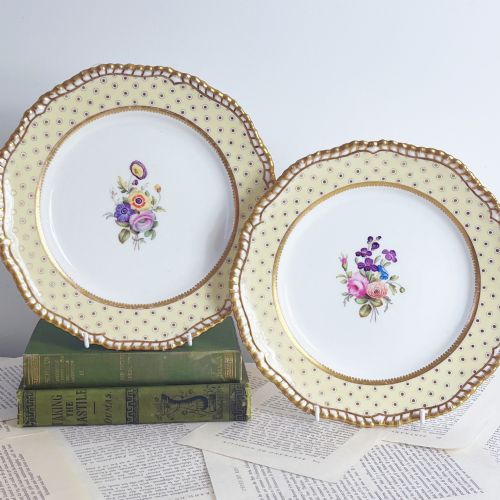
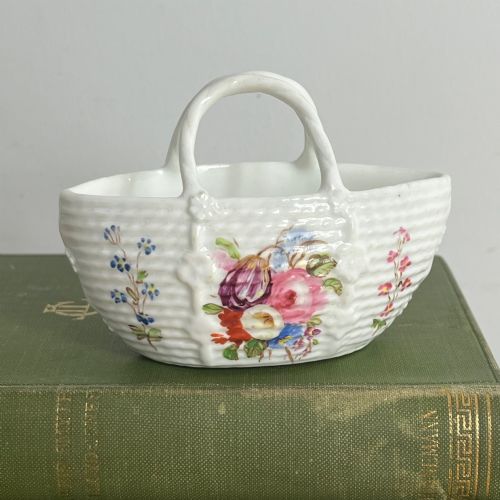
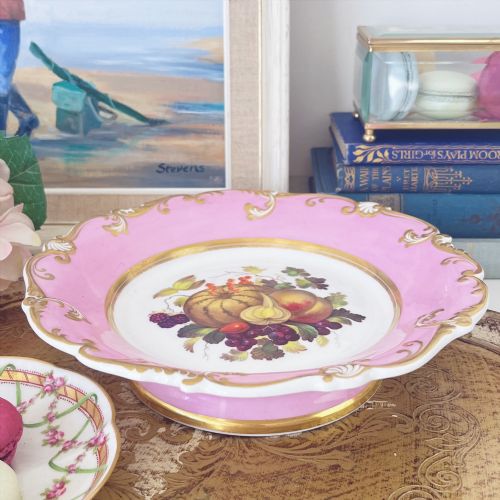
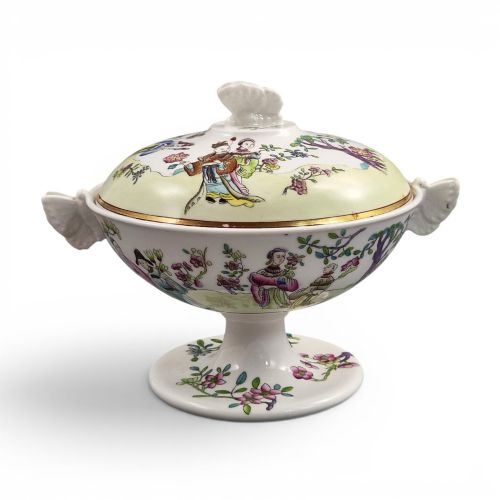
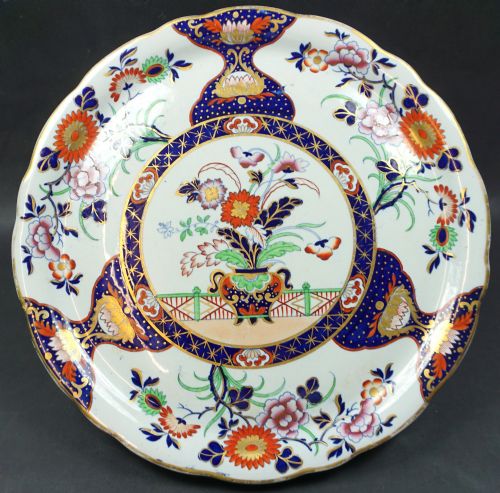
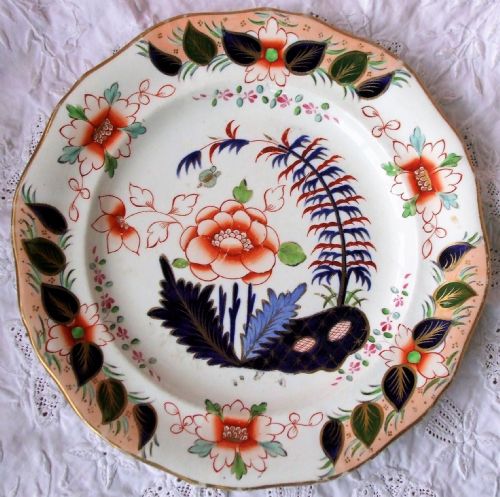
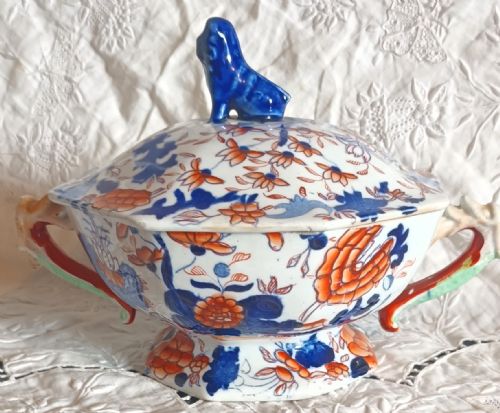
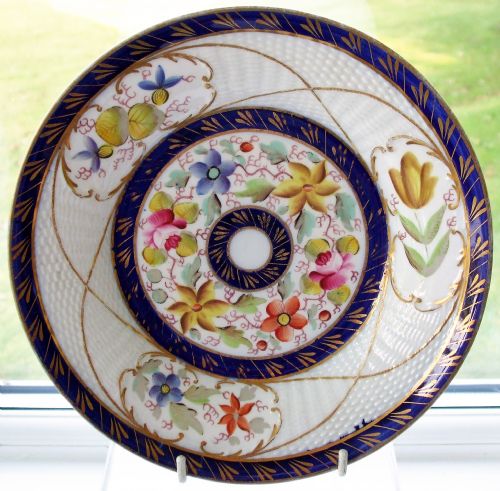
When searching for a regency porcelain dish, collectors encounter cabinet plates, dessert plates, serving dishes, and tureens spanning the Regency and Georgian periods. These items reflect the domestic dining habits and display traditions of the early nineteenth century.
The pieces appearing on this page emerge from notable English factories and potteries active around 1800 to 1830. Dessert plates and serving dishes form the majority of the available shapes.
Makers utilised ceramic, earthenware, and ironstone alongside fine porcelain to shape these vessels. Many carry handpainted botanical, armorial, or Chinoiserie patterns characteristic of the era.

Materials and Techniques
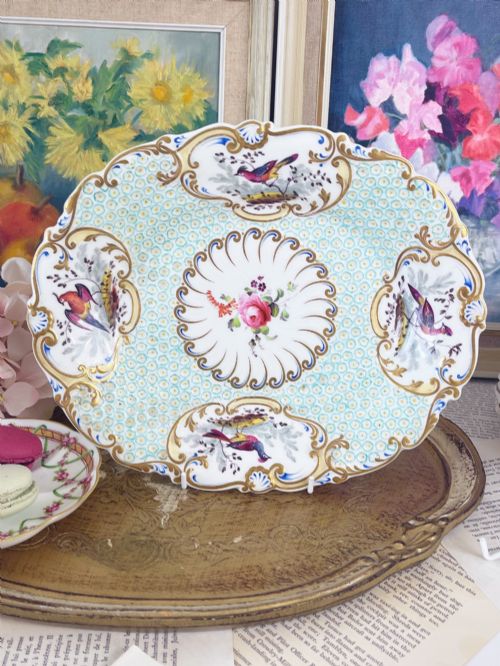
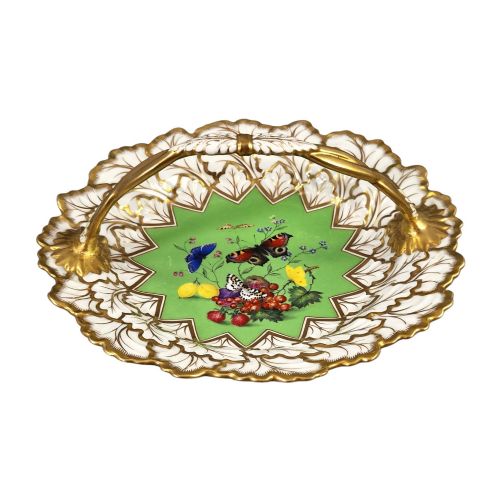
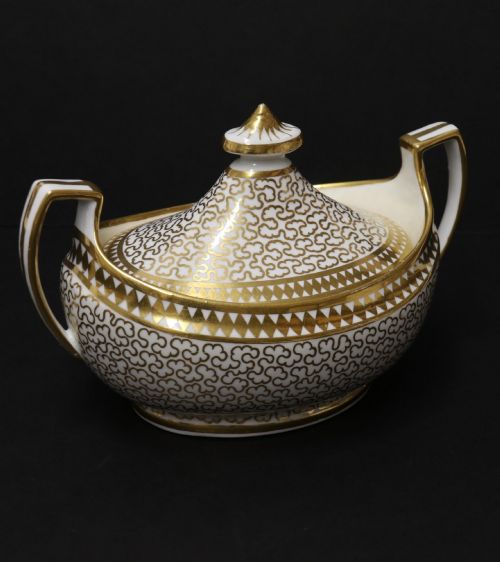
Manufacturers combined porcelain, ironstone, and earthenware bodies with enamel colours to achieve lasting domestic utility and decorative brilliance. Artisans applied gold leaf and heavy gilding to highlight moulded rims and borders.
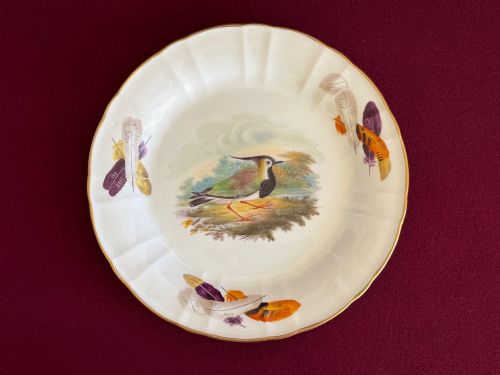
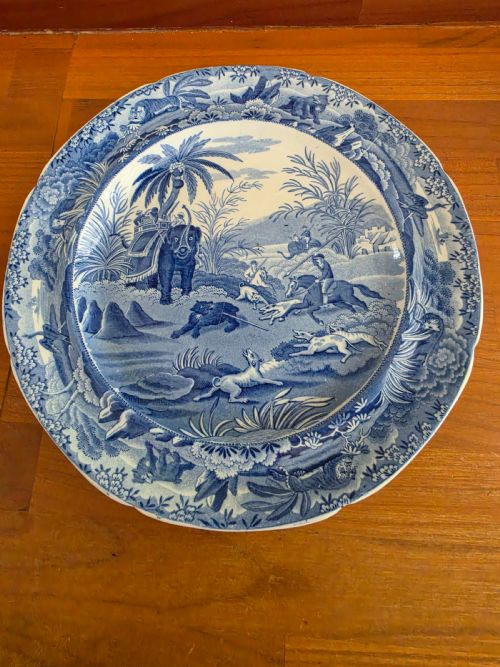
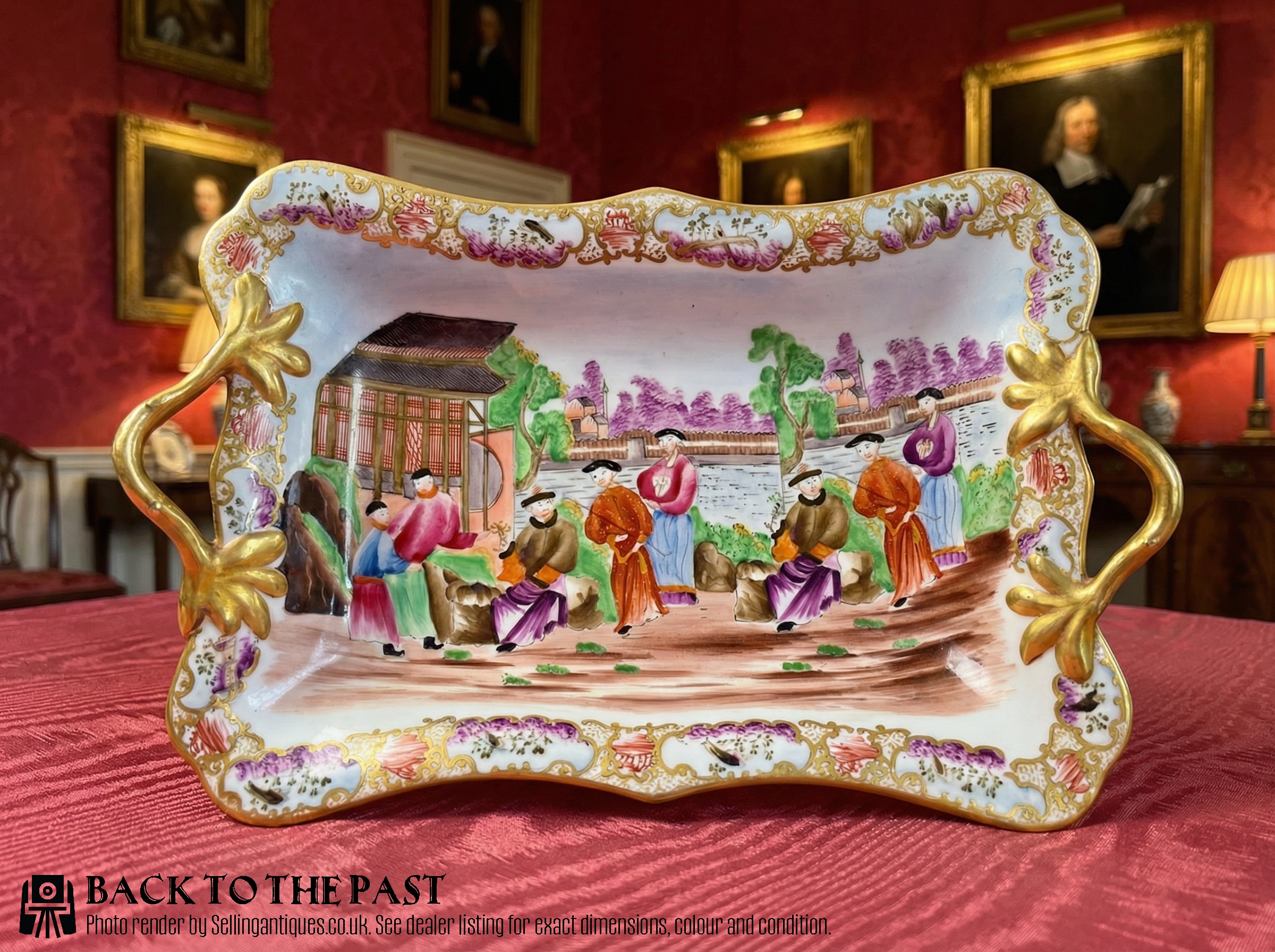
Painters decorated surfaces by hand with botanical studies, fancy birds, and topographical scenes. Firing techniques of the period allowed rich enamel pigments to fuse securely with the ceramic glaze.
Regency Porcelain Dish Retail Price Guide 2026
Typical asking prices for regency porcelain dish among the pieces listed under this phrase on Sellingantiques today, from the lower quarter to the upper quarter. They describe what is for sale here now, not the wider market.
Some plates preserve the spirited image of a bear meeting its end or a frantic cow across the porcelain glaze.
Markers of Excellence
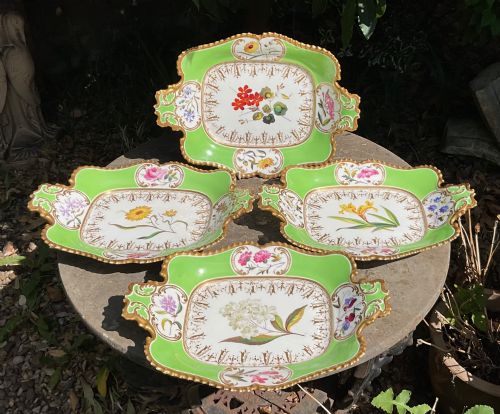
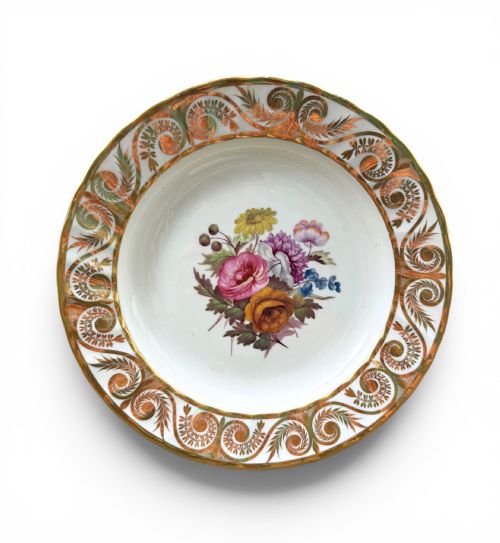
Distinction in these wares rests upon the precision of the handpainted details and the crispness of the porcelain moulding. Finely rendered botanical subjects and complex armorial designs elevate a piece above standard domestic output.
The application of gilding and the weight of the porcelain body contribute significantly to overall desirability. Pieces bearing documented factory marks or attributed to named painters command greater attention from collectors.
Spode·Flight Barr And Barr·H And R Daniel·Chamberlains Worcester·Derby·Hicks And Meigh·John Davenport·Mason·Coalport·Bloor Derby·Minton·New Hall·Ridgway
The Regency Porcelain Dish Glossary
- Cabinet plate
- A decorative plate intended primarily for display in a cabinet rather than for table service. These examples often feature elaborate handpainted scenes or rich gilding.
- Comport
- A raised serving dish or tazza used for presenting fruit or sweetmeats during dessert courses. They frequently stand upon a central foot.
- Armorial
- A ceramic design incorporating a family coat of arms or heraldic crest. Such services were custom-ordered by landed families.
- Felspar porcelain
- An innovative ceramic body introduced during the early nineteenth century to improve durability and whiteness. Spode utilised this material extensively for dessert services.
- Imari
- A decorative style inspired by Japanese export wares, characterised by a palette of underglaze blue, iron red, and gilt. British factories adapted these motifs widely during the Regency period.
Regency Porcelain Dish: Frequently Asked Questions
What is a regency porcelain dish used for?
These vessels served various functions at the dining table, ranging from serving fruit and desserts to containing soups and sauces.
Today, collectors utilise them for display in cabinets or as decorative accents within traditional and modern interiors.
How do I identify a piece from this period?
Look for characteristic design elements such as botanical handpainting, Imari patterns, and gilt acanthus moulding. Examining the base often reveals factory marks or distinctive paste characteristics.
Period styles span the Regency and Georgian eras, typically dating between 1800 and 1830.
Are ironstone dishes different from porcelain?
Ironstone is a dense, durable type of earthenware developed to withstand heavy domestic use while mimicking the appearance of porcelain.
Porcelain remains finer and more translucent, whereas ironstone offers greater robustness for serving tureens and heavy plates.
How should I care for antique ceramic dishes?
Hand washing in warm water with mild soap preserves the delicate enamel paints and gold leaf gilding.
Avoid dishwashers and harsh abrasives to maintain the historic integrity of the glaze and decoration.