
Worcester China Plate
A worcester china plate brings centuries of hand-painted floral motifs and rich gilding straight to the table from historic English kilns.
Worcester China Plate
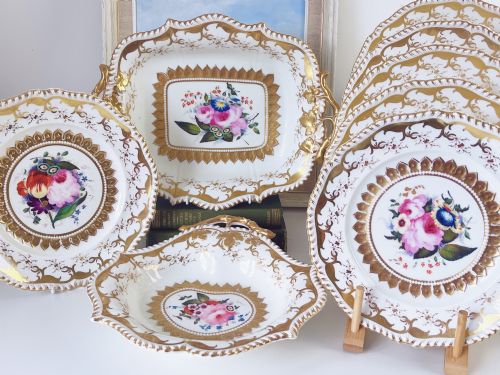
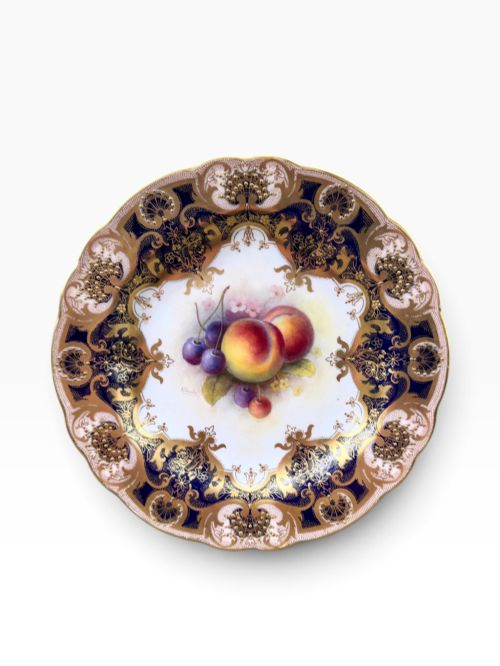
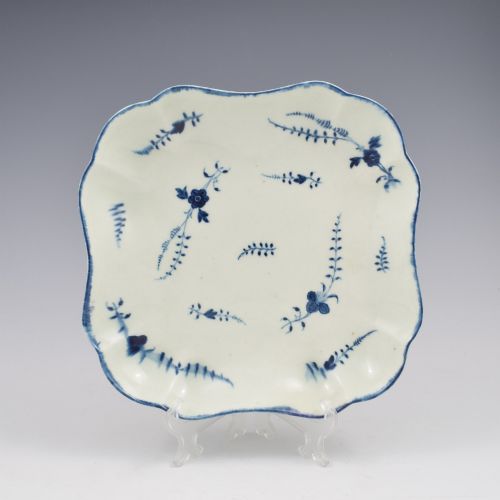
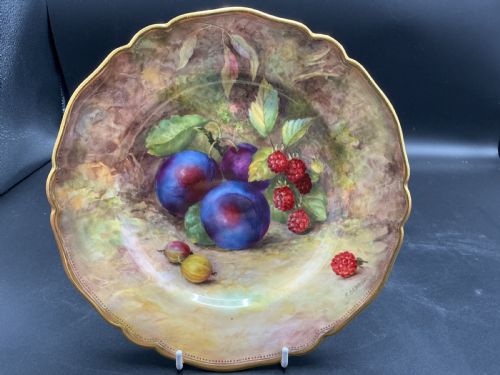
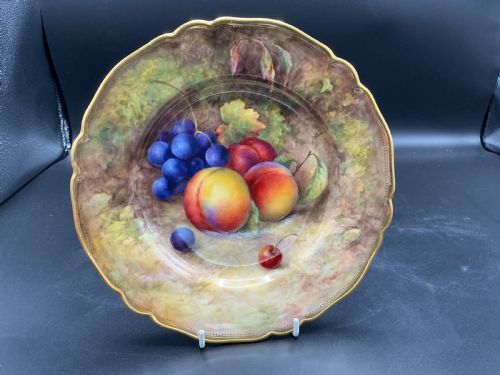
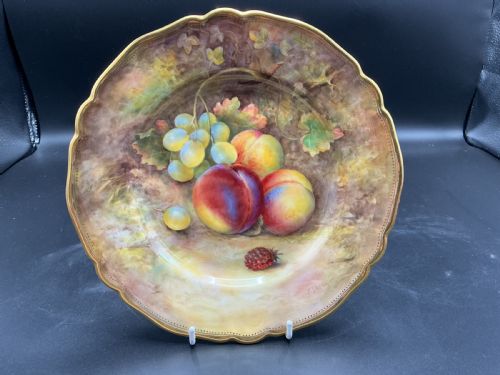
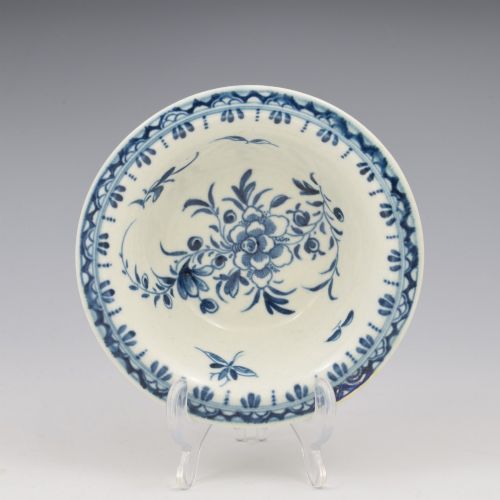
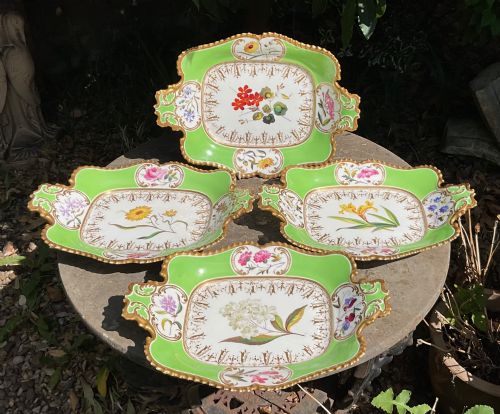
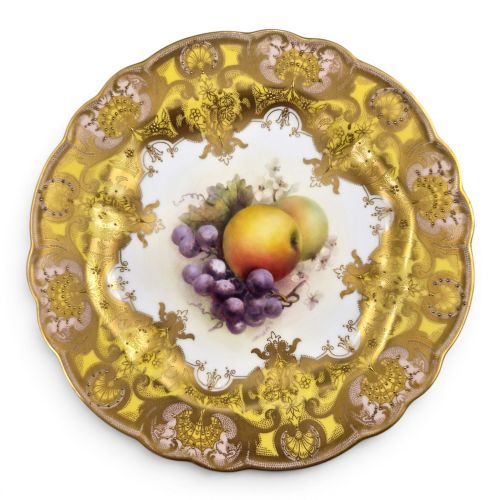
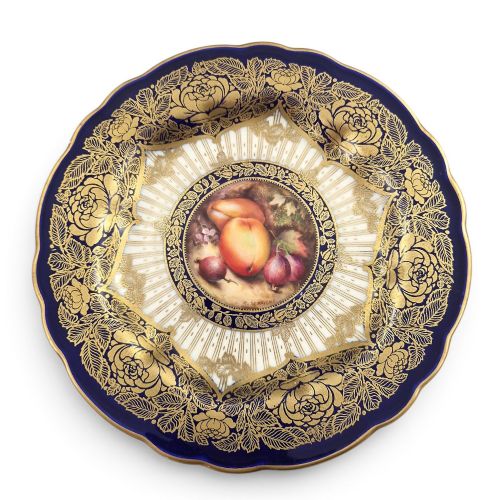
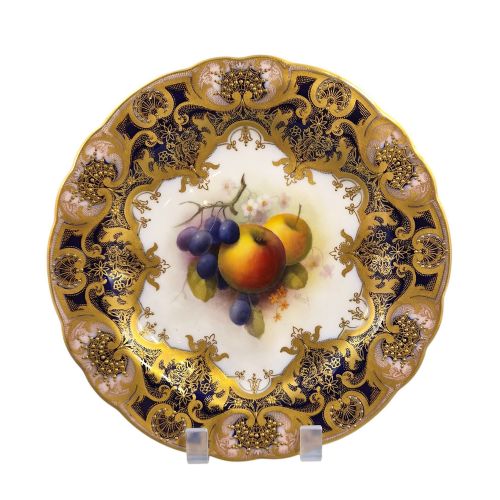
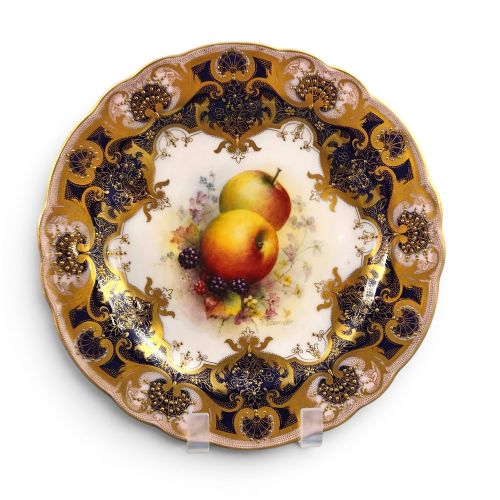
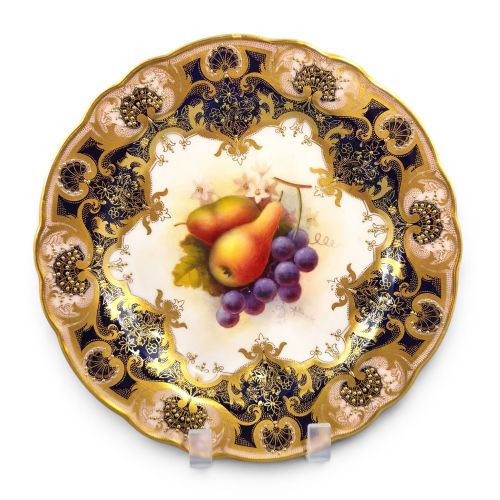
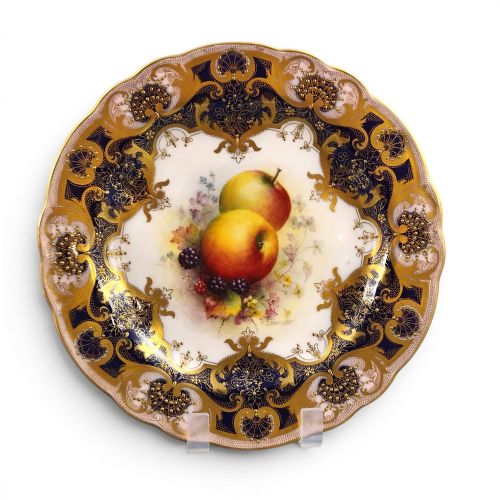
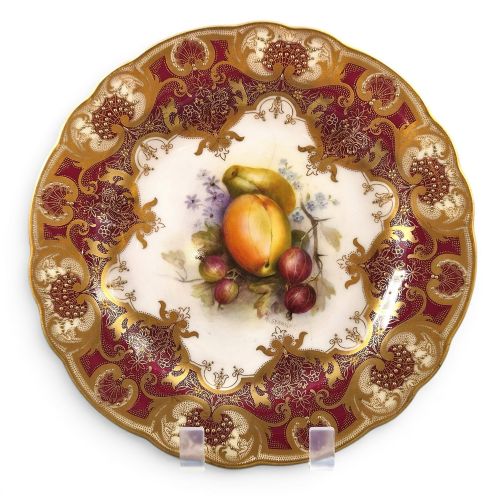
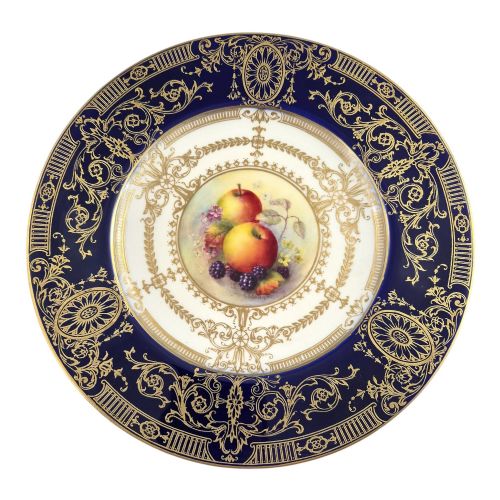
A worcester china plate encompasses everything from 18th-century soft-paste dishes featuring blue scale grounds to 20th-century cabinet plates painted with fruit. Collectors encounter forms ranging from simple decorative dishes and tart pans to full dessert services.
The pieces span multiple manufacturing periods, including the Dr Wall or First Period, the Georgian eras under Barr, Flight and Barr, and the later Edwardian and Victorian phases of Royal Worcester. Cabinet plates decorated with hand-painted studies dominate the later decades.
Buyers look for these items to appreciate traditional English ceramic artistry, whether acquiring a topographical dessert plate or a gilded floral tea trio.
Materials and methods
Makers utilised porcelain and soft-paste porcelain as the primary body, later incorporating bone china alongside traditional glaze to achieve smooth surfaces. Artisans applied gold leaf, gilding, and gilt to accent borders and create rich metallic contrasts.
Decoration relied heavily on meticulous hand-painting, covering handpainted flowers, armorial motifs, and complex patterns like dragon designs in compartments. Firing techniques evolved across centuries, shifting from early blue and white transfer or hand-painted wares to elaborate polychrome fruit studies.
Listings feature porcelain, bone china, and soft-paste porcelain spanning from 18th-century pieces to mid-20th-century rope edge plates.
Distinctions in craftsmanship
Quality rests in the execution of the hand-painted artistry, where named artists and detailed brushwork elevate a piece far above standard factory output. The precision of the tooled gilt and the purity of the porcelain ground separate exceptional cabinet plates from simpler domestic wares.
Early period pieces derive value from their fragile soft-paste composition and historical scarcity, while later Victorian and Edwardian examples depend on the complexity of their multi-coloured enamel decoration and the clarity of the underlying glaze.
Grainger Lee And Co·Royal Worcester·Chamberlains Worcester·Barr Flight And Barr·Kerr And Binns
The Worcester China Plate Glossary
- Soft-paste porcelain
- An artificial porcelain mixture fired at lower temperatures than hard-paste, common in early English factories. It produces a warm, slightly creamy body ideal for absorbing rich glazes.
- Gilding
- The application of gold leaf or gold paint to ceramic surfaces for decoration. Skilled artisans often tooled the dried gold to create matte and burnished patterns.
- Cabinet plate
- A decorative plate intended for display in a cabinet rather than for dining use. These frequently feature elaborate hand-painted scenes or rich armorial designs.
- Blue scale
- A dark blue patterned ground applied to porcelain resembling fish scales, popular in the 18th century. Panels of flowers or birds were usually reserved within this dark blue field.
- Armorial
- A design incorporating a family coat of arms or crest. These bespoke commissions were painted for landed gentry and noble households.
Worcester China Plate: Frequently Asked Questions
How do I date a piece?
Dating relies on factory paste marks, backstamps, and stylistic indicators such as gilding styles or painted signatures. Examining the foot ring and glaze helps differentiate 18th-century soft-paste from later bone china.
Reference marks and specific pattern numbers recorded in factory archives provide further chronological clarity for pieces from the Georgian and Victorian eras.
Were these plates used for dining?
Many early services were created specifically for dessert courses, serving sweet dishes at the end of a grand meal. Later pieces, particularly cabinet plates, served purely decorative functions in formal rooms.
Heavily gilded items with delicate hand-painted fruit were rarely subjected to daily dining use, preserving their intricate surfaces over generations.
How should I display them?
Displaying cabinet plates safely involves wall mountings designed for porcelain or secure cabinet stands lined with protective fabric. Keeping pieces out of direct sunlight prevents any fading of the delicate enamel colours.
Grouping plates by period or pattern creates a cohesive wall display that highlights the evolution of English ceramic design.