


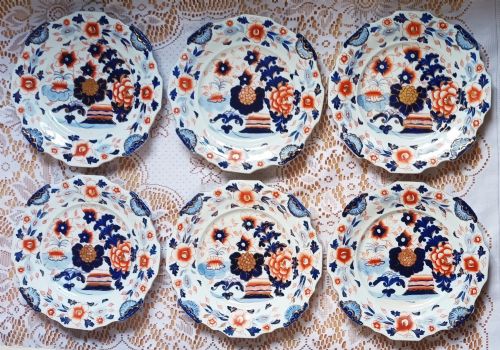


Chinoiserie Porcelain Plate
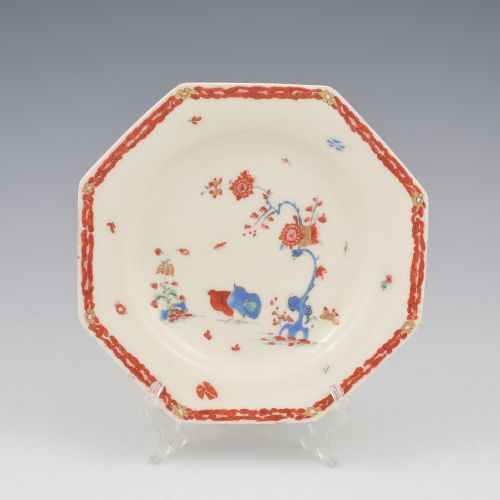
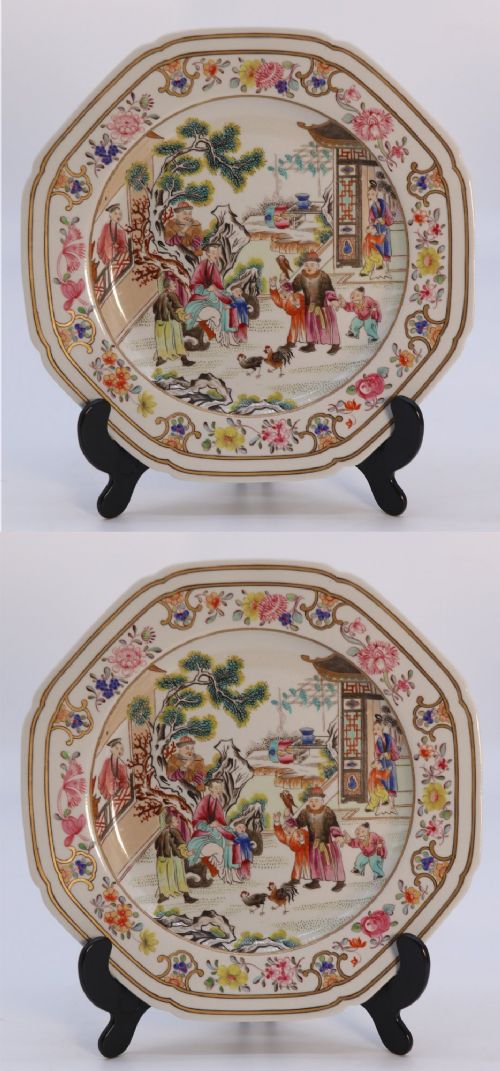
A chinoiserie porcelain plate brings together European forms and painted East Asian motifs, offering a glimpse into centuries of design exchange.
Chinoiserie Porcelain Plate
When you examine a chinoiserie porcelain plate on this page, you encounter pieces spanning the eighteenth and nineteenth centuries, including Georgian, Regency, and Victorian periods.
You are most likely to meet ceramic, porcelain, ironstone, and soft-paste porcelain examples decorated in blue and white, enamel, and gold leaf.
Materials and production methods
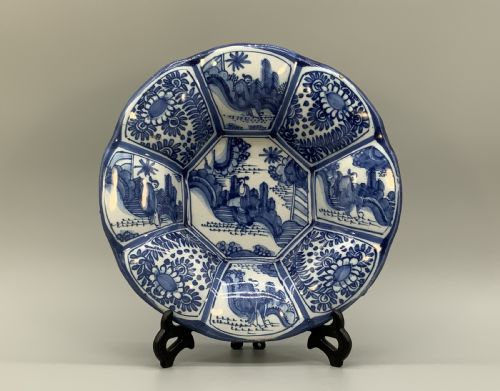
Potters shaped porcelain, earthenware, and ironstone into octagonal, lobed, and round plates before applying intricate underglaze blue or polychrome enamel decoration.
Factories utilised specialised glazes and occasionally added gold leaf details to highlight the hand-painted motifs on soft-paste porcelain and stone china bodies.
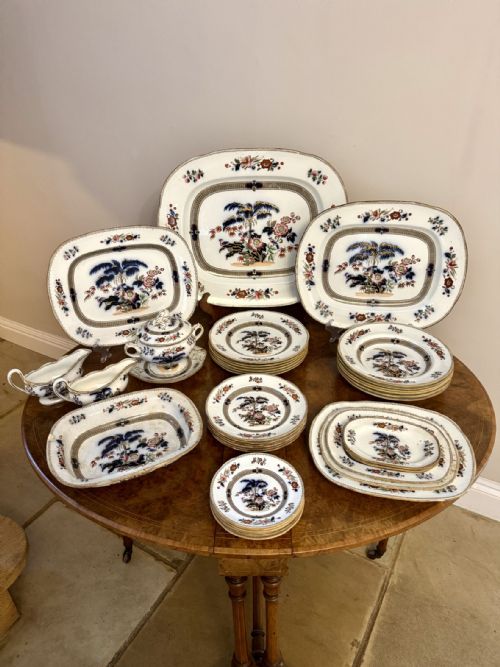
Object types recorded across the inventory span cabinet plates, chargers, dinnerware, and platters in earthenware, ironstone, and porcelain.
Standards of craftsmanship
The distinction between standard service wares and superior cabinet plates rests upon the crispness of the hand-painted detail and the complexity of the exotic bird or dragon pattern.
Early eighteenth and nineteenth century specimens often display finer ceramic bodies and more meticulous enamel work than later mass-produced variations.
Spode Stone China·Wedgwood·Coalport·Worcester Barr Flight And Barr·Masons Patent Ironstone·Caughley·Minton·Davenport
The Chinoiserie Porcelain Plate Glossary
- Ironstone
- A patented ceramic body developed in the nineteenth century for durability and strength. It provided a robust surface for dense enamel patterns.
- Kraak style
- A sixteenth and seventeenth century Chinese porcelain style featuring paneled borders and central landscape motifs. European potters frequently copied these designs.
- Soft-paste porcelain
- An artificial porcelain composition fired at lower temperatures than hard-paste. It yielded a warm glaze and distinctive texture on early pieces.
- Charger
- A large decorative plate or platter intended for display rather than everyday dining. These items often showcase the most elaborate painted scenes.
Chinoiserie Porcelain Plate: Frequently Asked Questions
Are these plates meant for daily use?
Most antique cabinet plates and chargers serve primarily decorative purposes due to their age and delicate painted glazes.
Using them regularly risks wearing away the gold leaf and enamel details applied centuries ago.
How do I identify a Georgian piece?
Georgian examples often display specific factory marks and refined ironstone or soft-paste bodies typical of that era.
Look closely at the hand-painted dragon or Japan patterns for stylistic clues matching the early nineteenth century.
What is the difference between porcelain and ironstone?
Porcelain offers a translucent ceramic body fired at high temperatures, whereas ironstone is a dense, opaque earthenware.
Ironstone was created to withstand heavier use while still accepting intricate chinoiserie transfer printing and painting.
How should I display a charger?
Chargers are best supported by sturdy plate stands designed for heavy ceramic objects to prevent tipping.
Keep them away from direct sunlight to preserve the vibrant enamel colours and gold leaf accents over time.