
Regency Pedestal Stand
These pieces of regency pedestal stand furniture provide elevated surfaces for display and service, uniting practical utility with classical design.
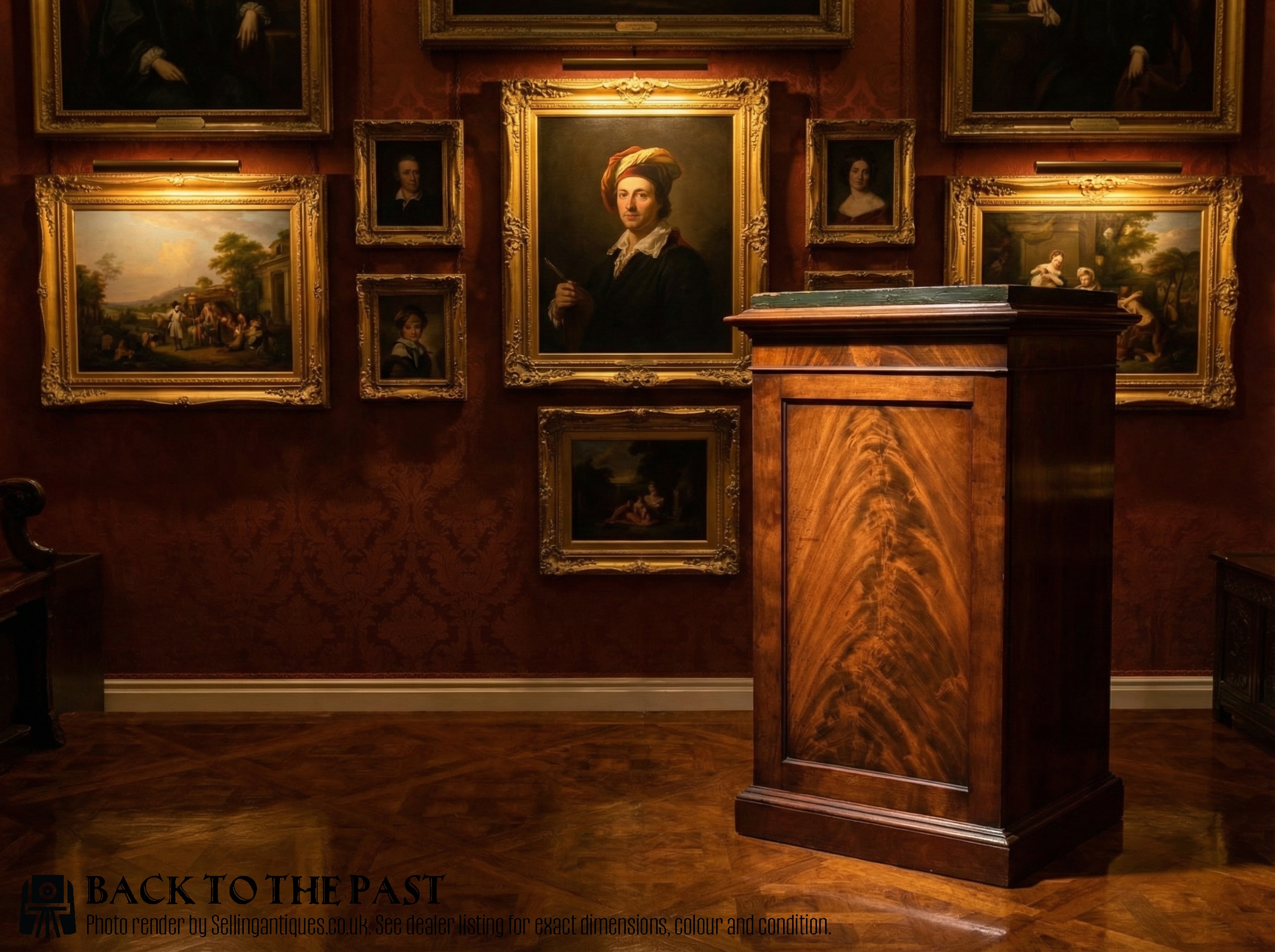
Regency Pedestal Stand
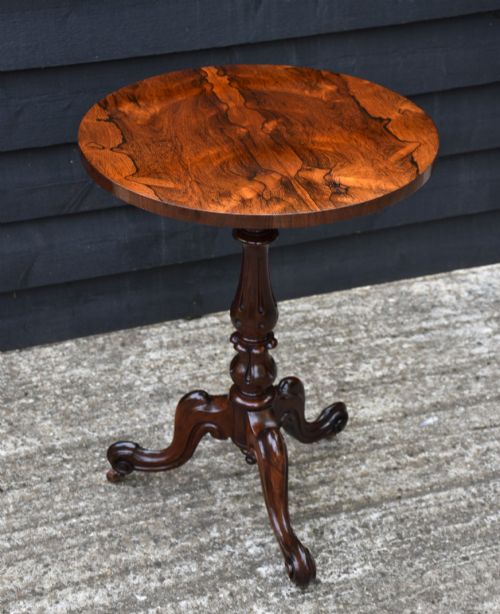
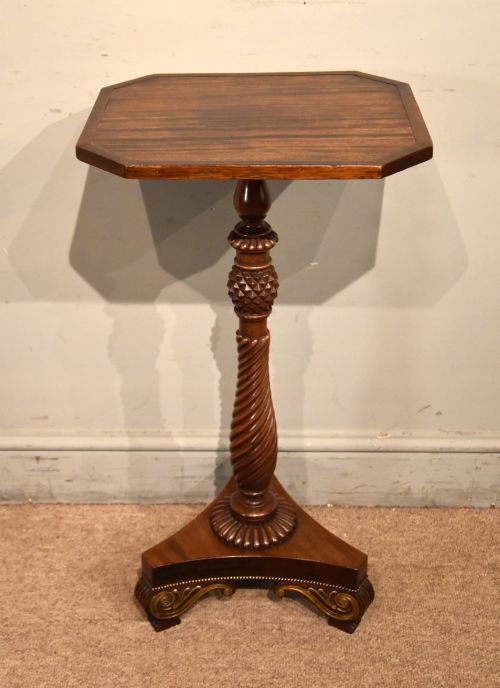
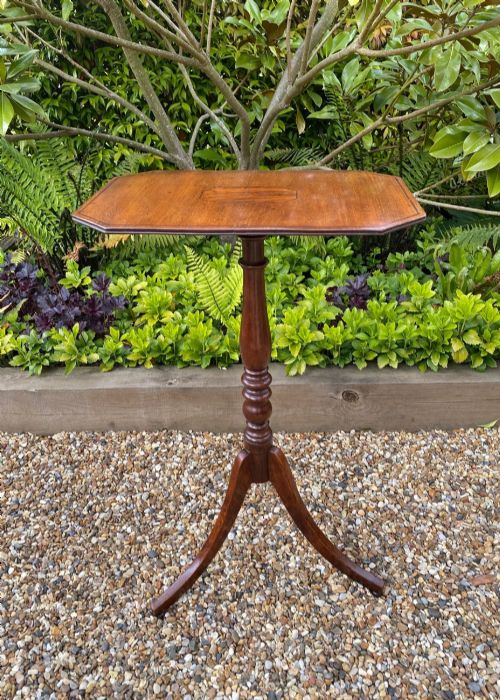
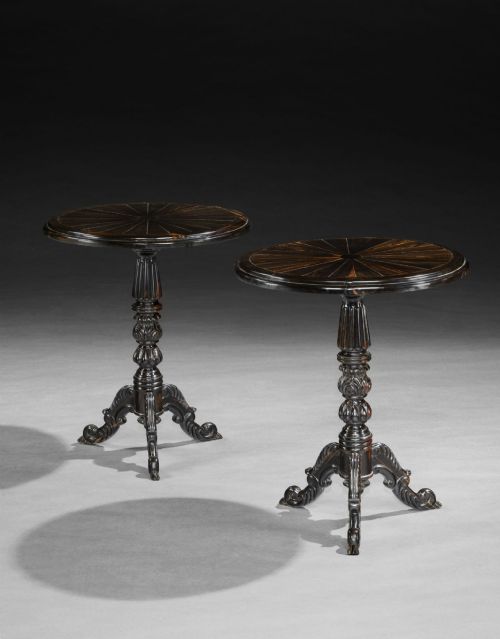
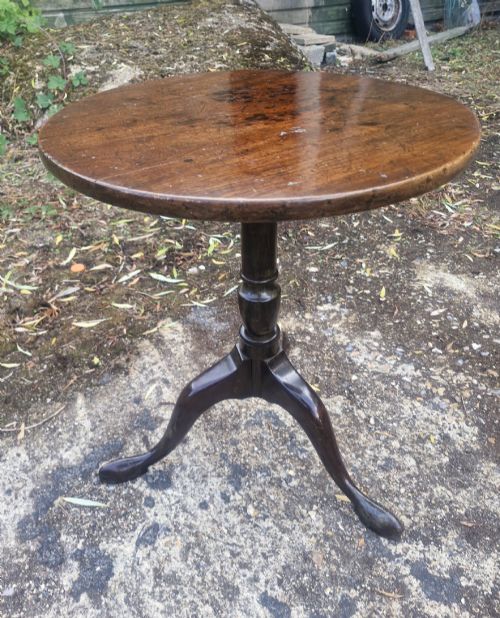
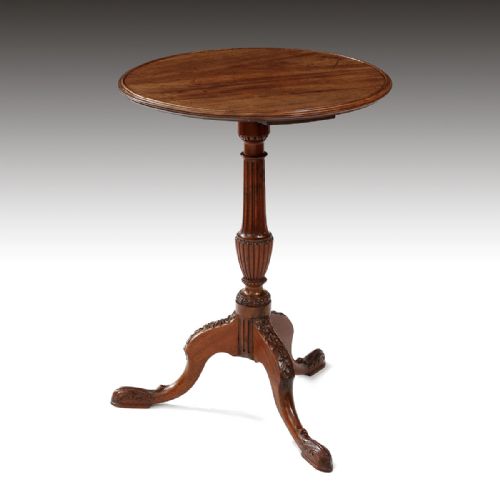
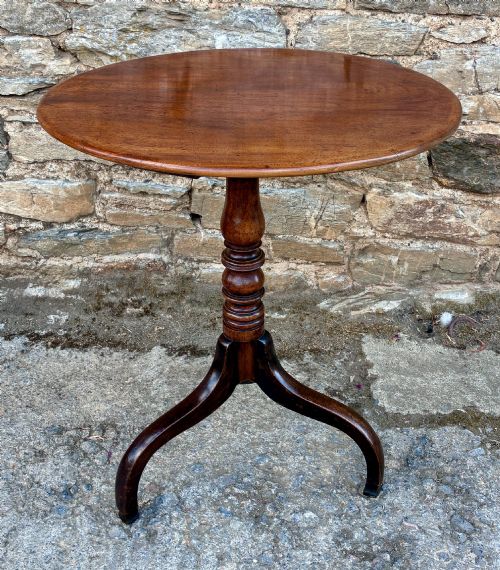
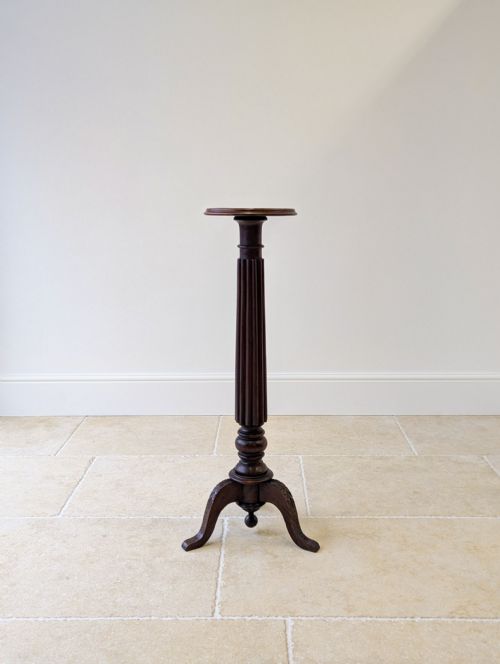
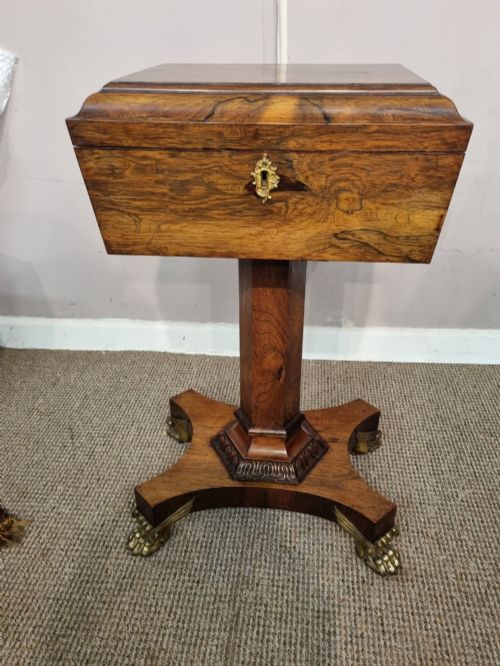
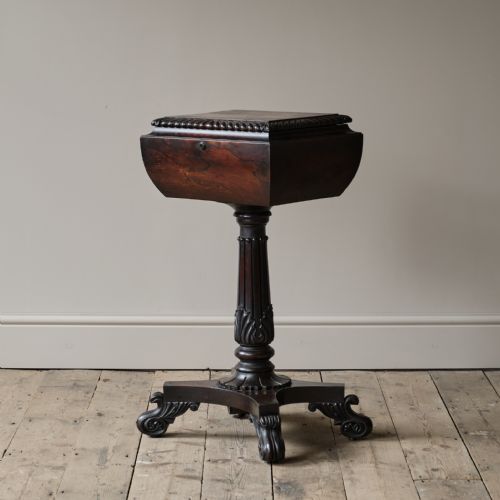
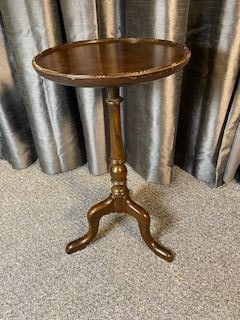
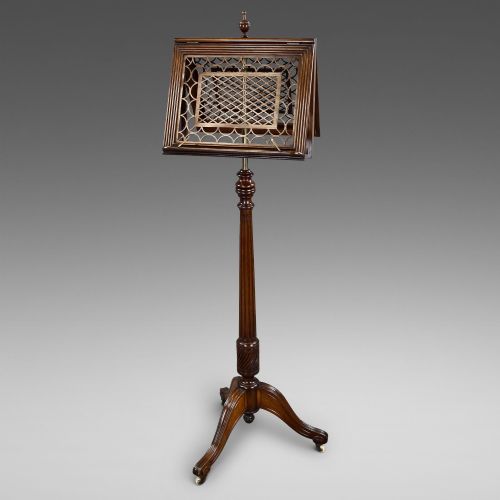
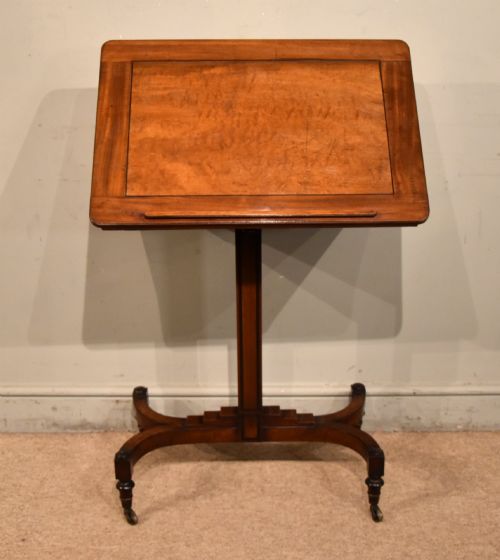
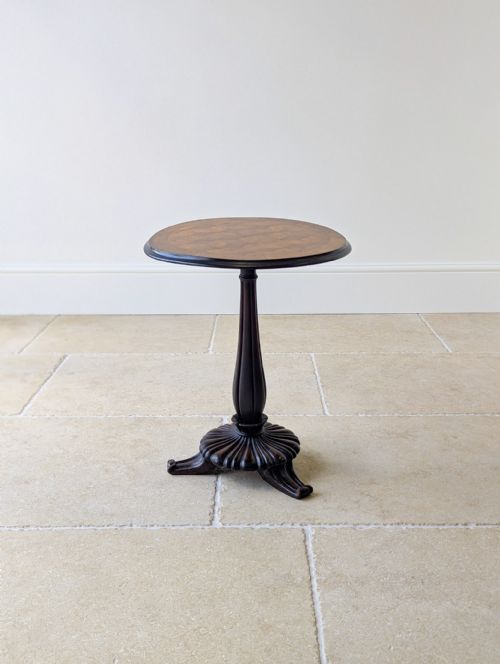
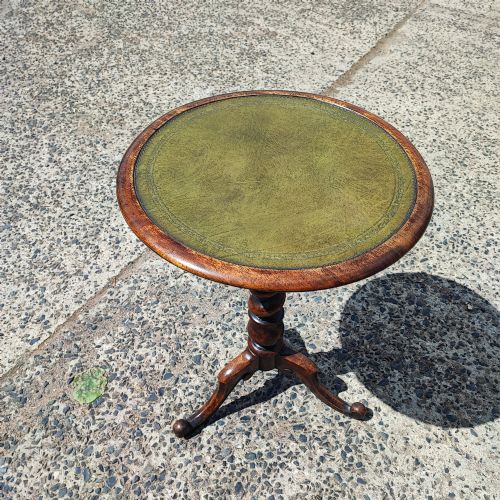
A regency pedestal stand encompasses a variety of tripod tables, wine tables, torchers, and occasional tables originating primarily from the nineteenth century alongside later revivals. Buyers seeking these items will frequently encounter mahogany and rosewood variants supported by single central pillars or three-legged tripod bases.
The form serves multiple domestic functions, operating as lamp tables, reading music stands, bedside units, and display columns for decorative objects. Pieces range from compact tea and wine tables to taller torcheres and plinths designed to elevate urns or plant stands.
While authentic Regency and Georgian examples appear alongside William IV and Victorian interpretations, later revivals from the early twentieth century also populate the field. The overarching silhouette relies on a central vertical support anchored by balanced foot configurations.
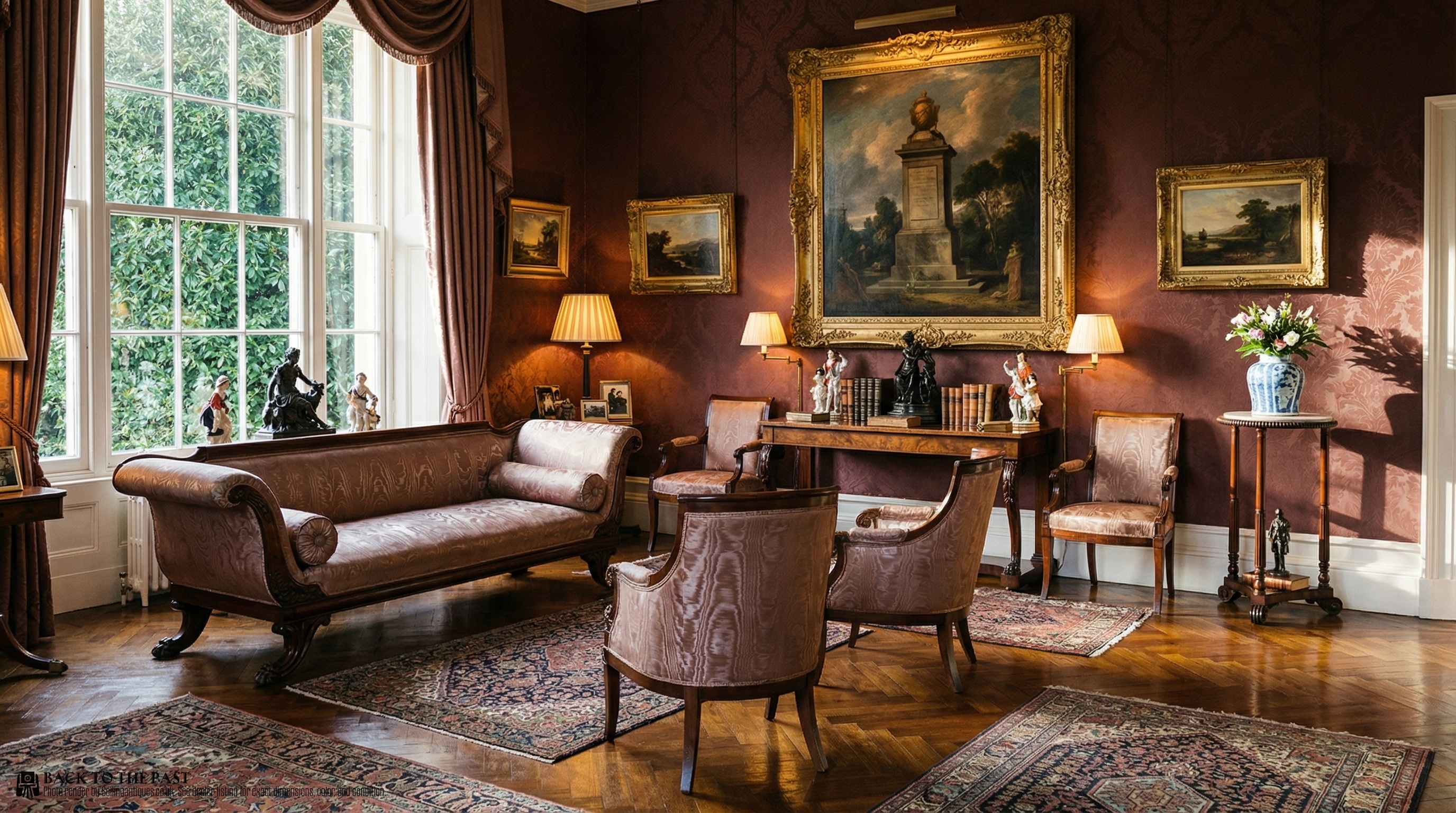
Materials and construction methods
Cabinetmakers utilised dense hardwoods such as mahogany, rosewood, walnut, and ebony, frequently embellishing surfaces with contrasting boxwood inlay or delicate brass stringing. Selected examples incorporate specialised decorative techniques including penwork decoration and Chinoiserie lacquer.
Structural engineering prioritises stability through tripod legs or robust plinth bases, sometimes featuring tilt-top actions or telescopic adjustments for functional versatility. Bronze mounts and marble elements occasionally accent the timber framework to enhance classical proportions.
Regency Pedestal Stand Retail Price Guide 2026
Typical asking prices for regency pedestal stand among the pieces listed under this phrase on Sellingantiques today, from the lower quarter to the upper quarter. They describe what is for sale here now, not the wider market.
Forms span functional tea and wine tables alongside vertical torcheres and telescopic occasional tables.
Evaluating craftsmanship and proportion
Superior examples demonstrate meticulous selection of timber grain, particularly in figured rosewood and burr oak veneers, paired with precise inlay and joinery. The harmony of the pedestal's height relative to the top indicates the maker's adherence to classical design principles.
Refinement in turning, carving on tripod legs, and the crisp execution of details like brass stringing or penwork separate standard utility items from masterwork pieces. Original hardware, stable tilt mechanisms, and untouched patination further elevate the standing of an individual piece.
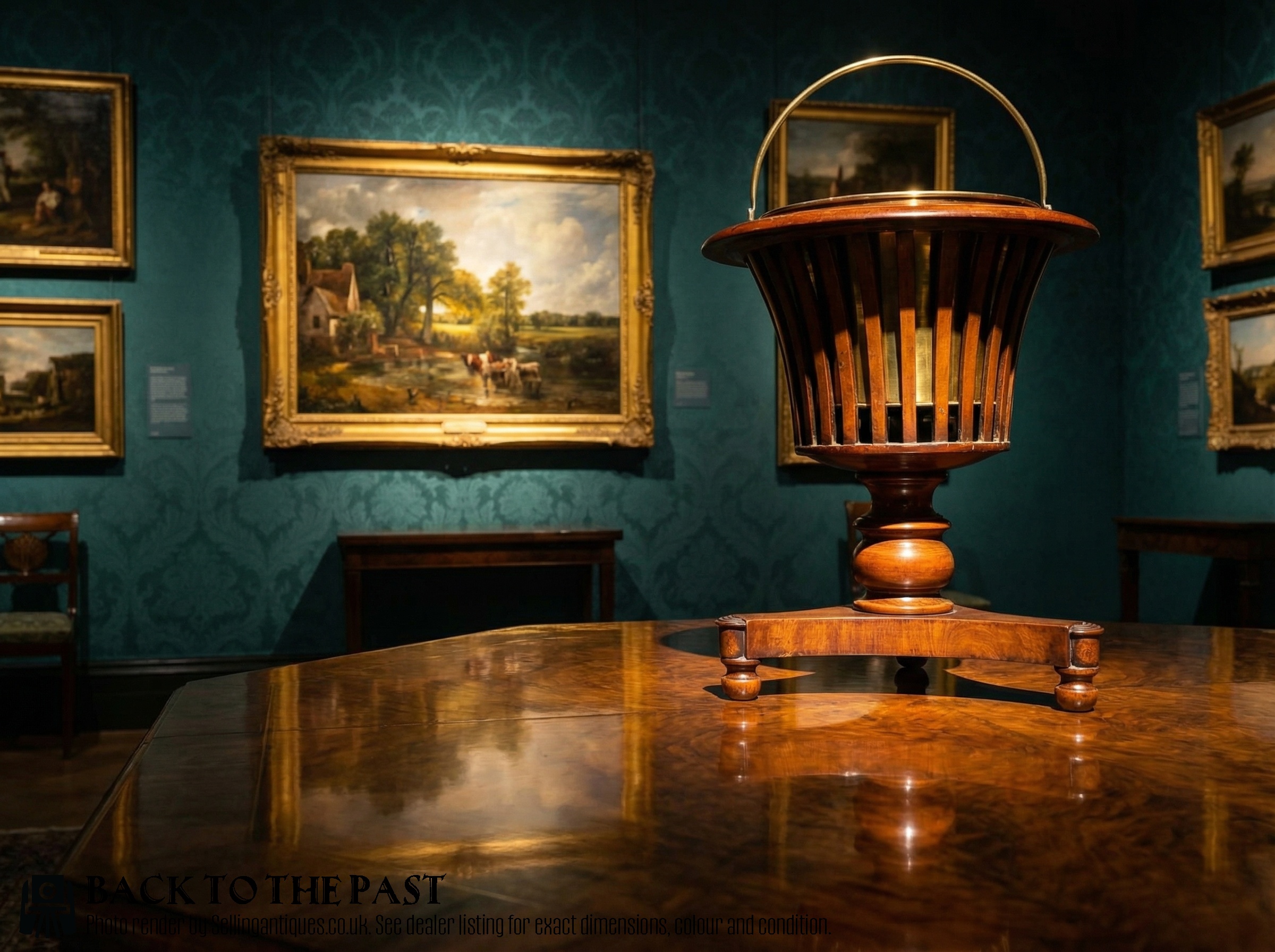
Gillow·George Bullock·George Smith·Thomas Hope
The Regency Pedestal Stand Glossary
- Tripod table
- A small occasional table supported by a central pillar resting on three legs. This construction prevents wobbling on uneven historical flooring.
- Teapoy
- A small box or chest mounted on a pedestal, originally used for storing and serving tea. Nineteenth-century versions often feature internal compartments.
- Torchere
- A tall, slender stand designed to support a candle, lamp, or plant. These pieces emphasise verticality and decorative carving.
- Tilt-top action
- A mechanical hinge beneath the table top allowing the surface to fold vertical when not in use. This feature enabled compact storage against walls.
- Brass stringing
- Inlay technique utilising thin strips of brass set into channels cut in the wood. It creates geometric or linear borders on table tops.
Regency Pedestal Stand: Frequently Asked Questions
What is a regency pedestal stand used for?
These versatile stands historically served as movable surfaces for holding candles, wine glasses, books, or decorative items near seating areas. Today, they function effectively as lamp tables, bedside supports, or display pedestals for plants and sculptures.
The compact footprint allows them to fit easily into corners or beside armchairs without cluttering a room, maintaining the original intent of flexible domestic arrangement.
How do I identify a true Regency piece?
Authentic Regency pieces typically date from the early nineteenth century and exhibit classical architectural influences, such as reeded columns, brass inlay, and sabre legs. Examining the timber types, construction joints, and secondary woods helps confirm age.
Later Victorian revivals and twentieth-century reproductions often mimic these stylistic cues, making it necessary to look closely at the wear patterns and tool marks beneath the tabletop.
Can I use a wine table for a lamp?
Wine tables with sturdy tripod bases provide stable support for modern table lamps, provided the diameter of the base matches the weight of the fixture. Many historical examples were built with heavy hardwoods that easily accommodate the load.
Care should be taken to protect finished wood surfaces from heat and potential moisture using coasters or small mats beneath electrical items.
What distinguishes a torchere from an occasional table?
A torchere is notably taller and has a smaller top surface specifically engineered to elevate a light source, urn, or plant rather than serve as a working surface. Occasional tables sit lower, prioritizing a wider surface area for books or tea service.
Both forms utilise central pedestals, but the proportions of a torchere emphasise vertical reach and decorative carving along the shaft.