
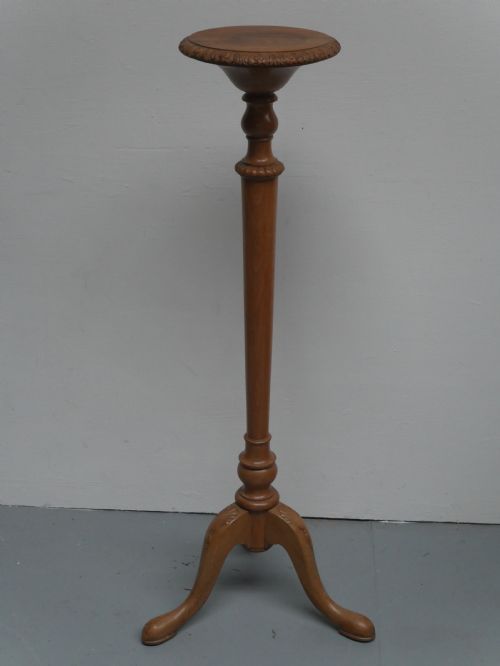


Antique Walnut Jardiniere
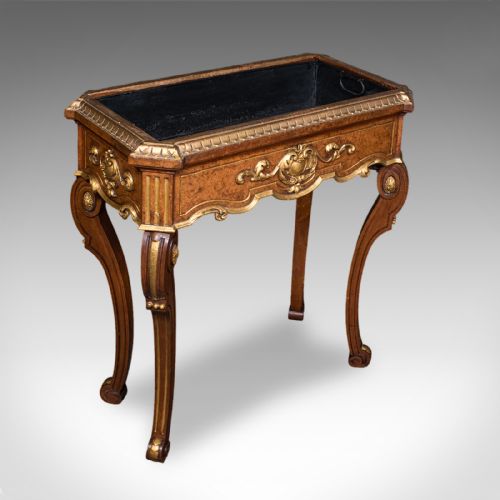
An antique walnut jardiniere brings living flora indoors with architectural presence, combining fine cabinet timbers with practical metal liners for interior display.
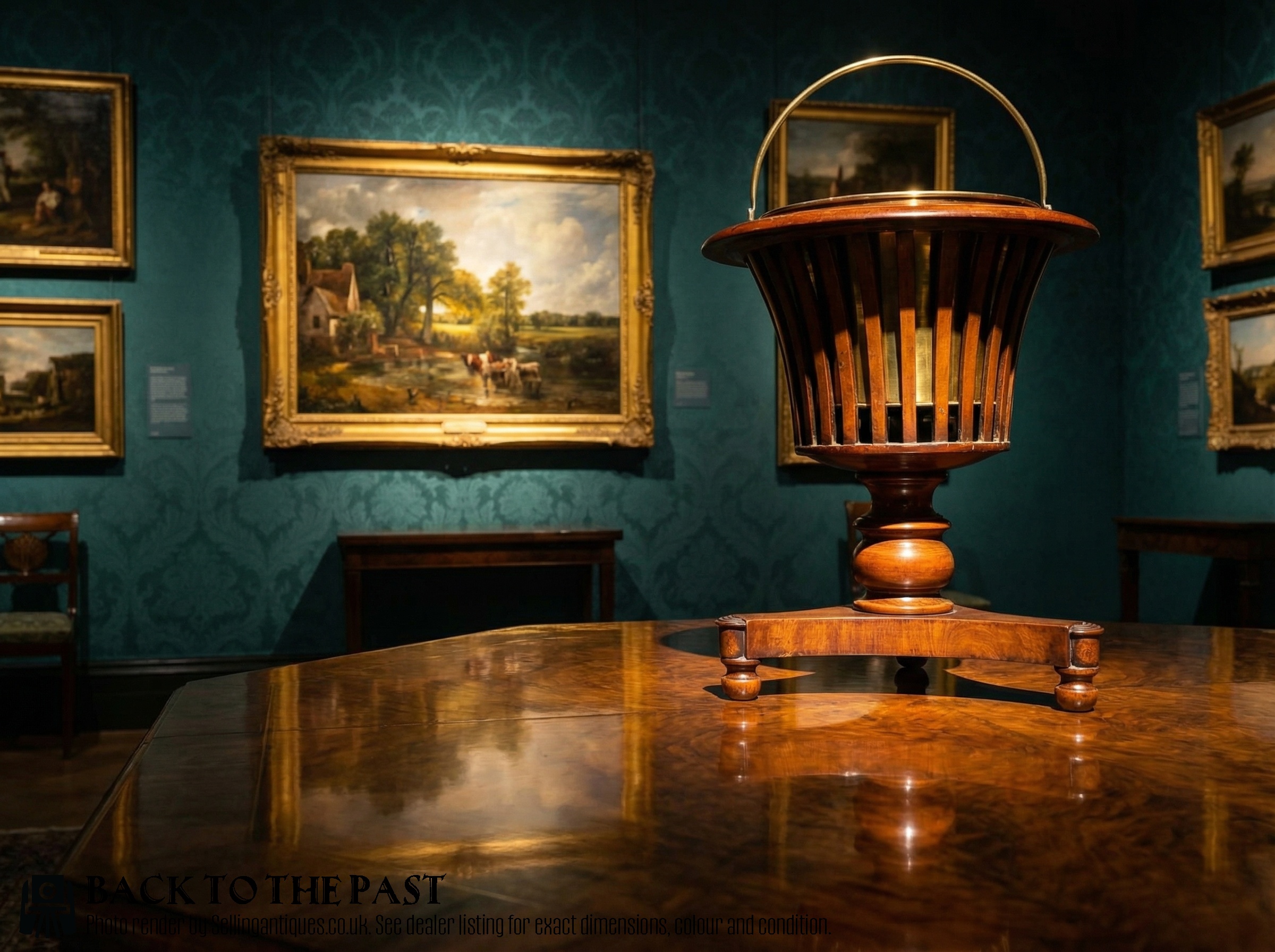
Antique Walnut Jardiniere
When searching for an antique walnut jardiniere, buyers encounter a mix of plant stands, pedestal tables, and table-top planters designed to house greenery within formal rooms. These pieces originate across the nineteenth and early twentieth centuries, spanning Victorian, Georgian, and Regency periods alongside continental European workshops.
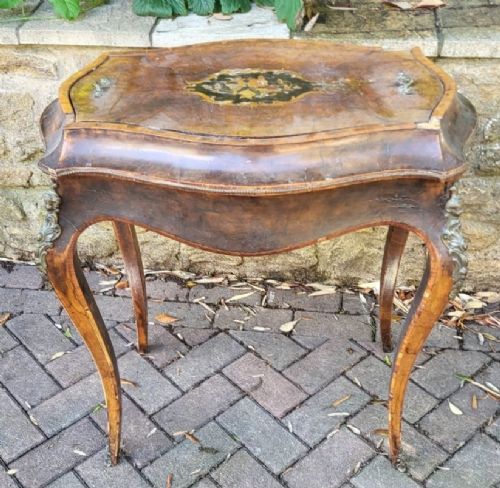
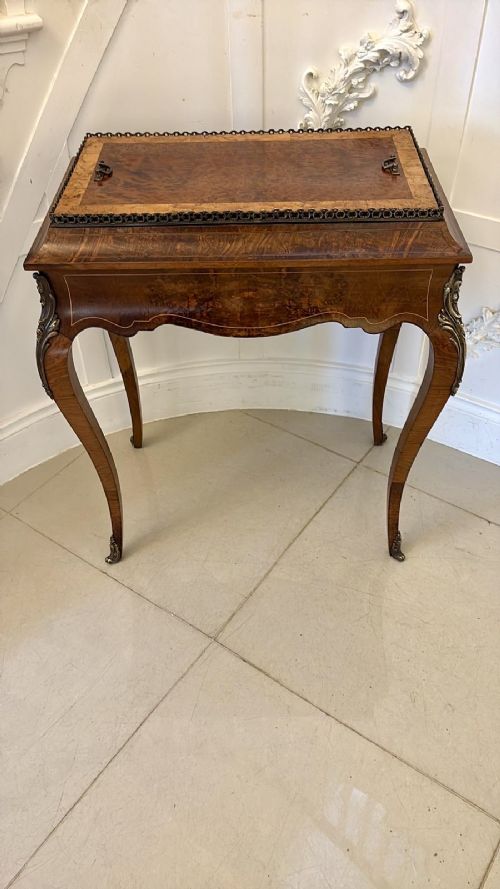
The most common formats on this page are French and English standing planters featuring walnut or burr walnut veneers, often accompanied by detachable liners. Makers adapted these vessels for domestic use as plant stands, occasional tables, or wine coolers.
Styles range from restrained Georgian lines to elaborate French Louis XV and Rococo Revival curves, incorporating marquetry, inlaid details, and carved woodwork.
Materials and Technique
Cabinetmakers utilised figured timbers such as burr walnut and satin walnut, frequently enhancing surfaces with marquetry inlays or contrasting stringing. Structural integrity relied on solid walnut carcasses shaped into coopered staves for bucket forms or framed table bases.
Metal liners in zinc, brass, or copper protected the wooden structures from moisture, while cast or gilt ormolu mounts added decorative accents to French examples. Marble inserts and porcelain plaques occasionally appeared on high-status stands.
Current listings feature walnut combined with brass, ormolu, porcelain, marble, and zinc across Georgian, Victorian, and Edwardian periods.
Judging Quality
Quality rests upon the selection of timber veneers and the crispness of marquetry inlay rather than scale alone. Burr walnut surfaces display deep, natural figuring that demands precise matching across curved panels and lids.
Joinery execution defines the better pieces, seen in tight coopered staves for bucket designs and secure framing on table stands. Original metal liners and finely chased ormolu mounts elevate the standing of a piece within its period.
The Antique Walnut Jardiniere Glossary
- Burr walnut
- A figured timber obtained from tree growths, highly prized for decorative veneer work on nineteenth-century furniture. The swirling grain patterns create distinct visual movement across table tops and planter bodies.
- Jardiniere
- A decorative pot, stand, or table designed specifically to hold indoor plants and flowers. These vessels often incorporate waterproof linings to protect surrounding woodwork.
- Ormolu
- Gilt bronze mounts cast and chased to ornament French furniture styles. These decorative elements appeared frequently on nineteenth-century revival pieces.
- Marquetry
- Inlaid wood patterns assembled from various tinted veneers to form pictorial or geometric designs. Craftsmen applied this technique to surface panels on tables and cabinets.
- Coopered
- Constructed from vertical wooden staves bound together with hoops, similar to barrel-making. This method formed the watertight bodies of bucket-style plant holders.
Antique Walnut Jardiniere: Frequently Asked Questions
How were antique jardinieres originally used?
These pieces housed potted plants and ferns inside nineteenth-century drawing rooms and parlours, protecting fine flooring and carpets from water damage.
Many designs also doubled as occasional tables, wine coolers, or decanter caddies by removing the interior liner or adding a fitted lid.
Are original liners usually included?
Many pieces retain their fitted metal, brass, or zinc liners, which formed the functional core of the planter.
Replacements do occur over time due to corrosion from soil and water, so checking for period metalware helps determine originality.
What styles are most common?
Victorian English examples and French Louis XV revival pieces dominate the selections, alongside occasional Georgian and Regency forms.
French pieces frequently feature curved cabriole legs and ormolu mounts, whereas English versions often emphasise burr walnut grain and marquetry.