


18th Century Wine Cistern
An 18th century wine cistern brings stately proportion and practical dining heritage directly into a modern interior.
18th Century Wine Cistern
An 18th century wine cistern comprises substantial vessels and stands designed for chilling bottles and serving guests during formal dining. The pieces seen on this page span the Georgian and George III periods, alongside examples from French Provincial, Italian, and Dutch Neoclassical origins.
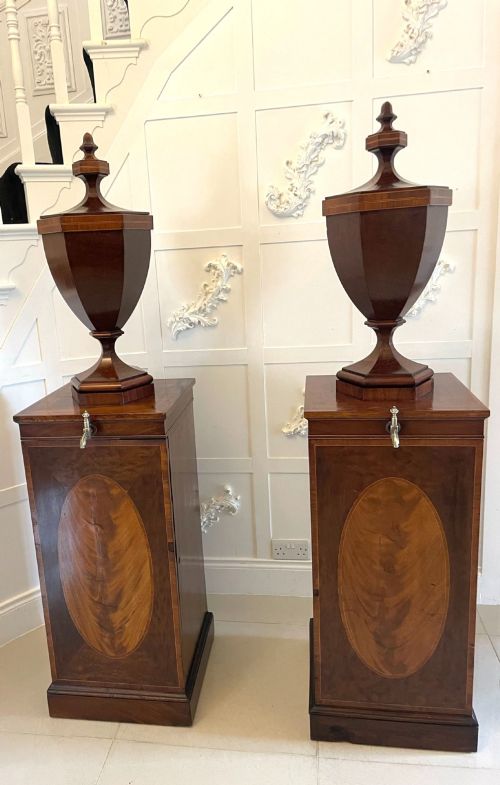
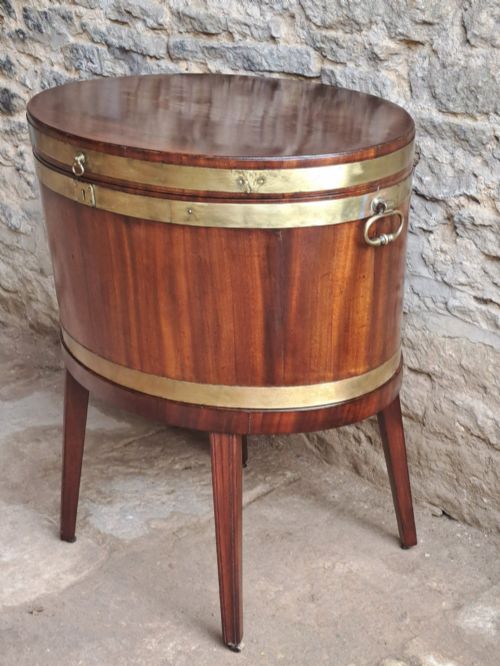
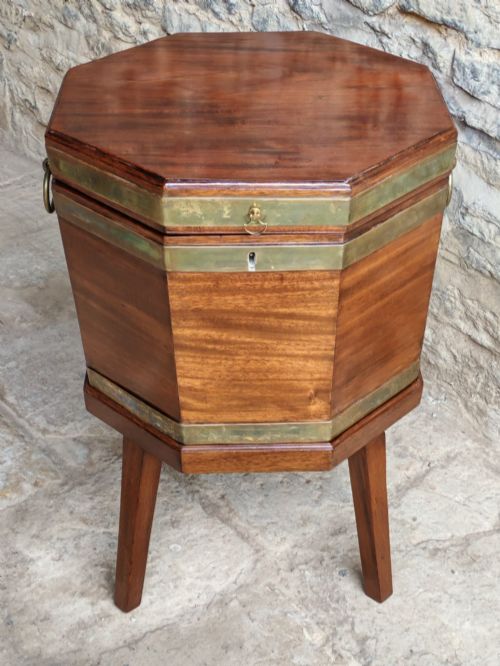
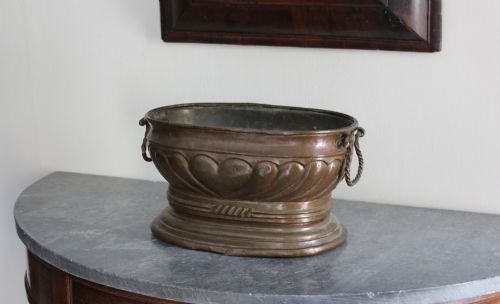
Mahogany forms the primary body material across most available examples, frequently augmented by brass bands, walnut, or boxwood inlay. Forms range from oval and octagonal coolers to pedestals and urns, cellar-style chests on stands, and open table bowls.
Buyers most commonly encounter mahogany wine coolers dating from around seventeen-eighty, often featuring brass fittings and integrated stands. Copper and walnut variants also appear, reflecting diverse domestic requirements across eighteenth-century households.
Distinctions in quality
The sophistication of the timber figure and the crispness of the cabinetwork determine the standing of each piece. Superior examples display carefully selected mahogany grain, balanced proportions, and integrated original stands rather than later adaptations.
Metalwork execution separates standard utility items from finer works. Original brass bandings, robust carrying handles, and well-fitted internal metal liners demonstrate superior workshop origin and material integrity.
The relationship between the cooler and its support structure influences overall character. Pieces retaining their original pedestals or matching stands command greater interest among collectors seeking complete, unaltered forms.
The selection includes open table bowls alongside lidded urns, pedestal cupboards, and octagonal coolers supported by original stands.
The 18th Century Wine Cistern Glossary
- Cellarette
- A lockable container used for storing and cooling bottles of wine near the dining table. These vessels typically sit on short legs or dedicated stands.
- Brass bound
- A descriptive term for wooden tubs or coolers secured with heavy brass hoops. This construction method mirrors traditional coopering techniques used for casks and buckets.
- Marquetry
- Decorative veneer work created by fitting together thin slices of various coloured woods to form geometric or floral patterns. This technique appears on continental European pieces.
- Neoclassical
- A style dominating the later eighteenth century, drawing inspiration from classical antiquity. It introduces symmetry, restraint, and classical motifs into furniture design.
- Jardiniere
- An ornamental receptacle designed to hold growing plants or flowers. Several eighteenth-century wine cisterns share this open bowl form and metal lining.
18th Century Wine Cistern: Frequently Asked Questions
What is an 18th century wine cistern?
An 18th century wine cistern is a large container used to hold ice and water for chilling wine bottles during formal meals. These vessels were kept in the dining room, often placed on the floor or on a dedicated stand.
They reflect the hospitality customs of the Georgian period, combining functional metal linings with decorative exterior woodwork such as mahogany and brass banding.
How were these vessels used?
Servants filled the cistern with ice and water before the meal, placing wine bottles inside to cool them prior to serving. After dining, the vessels doubled as containers for washing glasses or storing empties.
Today, owners utilise them similarly for entertaining or repurpose them as large planters and decorative stands in living spaces.
How do I identify a George III cooler?
George III pieces typically feature mahogany construction, often accented with brass handles and overlapping brass hoops. Look for classic geometric forms like ovals and octagons dating from the mid to late eighteenth century.
Stylistic cues include restrained classical details, neat bracket feet, or matching wooden stands that elevate the main body.
Where were wine cisterns placed?
In Georgian dining rooms, cisterns sat prominently near the sideboard or directly on the floor beneath serving tables. Their substantial scale allowed guests to see the quality of the host's hospitality.
In contemporary interiors, these pieces suit placement in hallways, large living rooms, or dining spaces as focal storage points.