
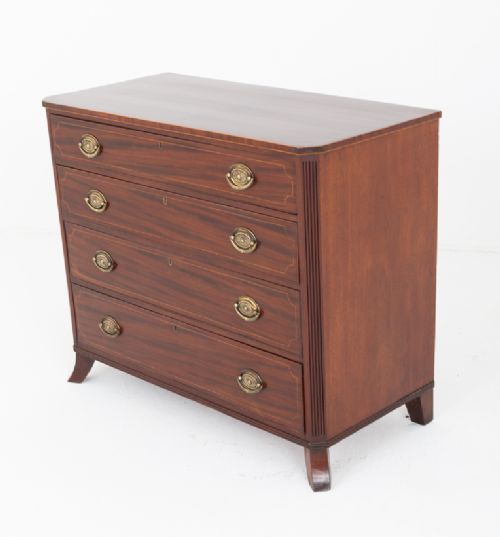
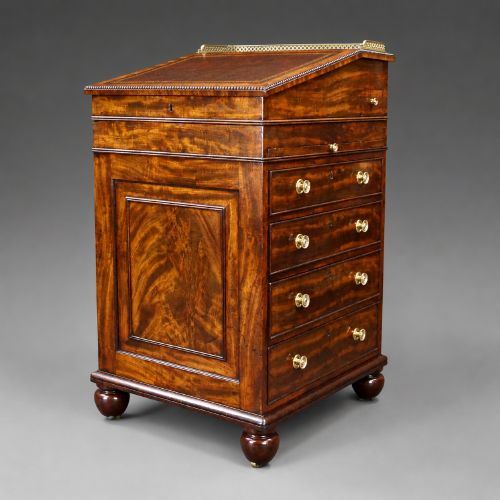

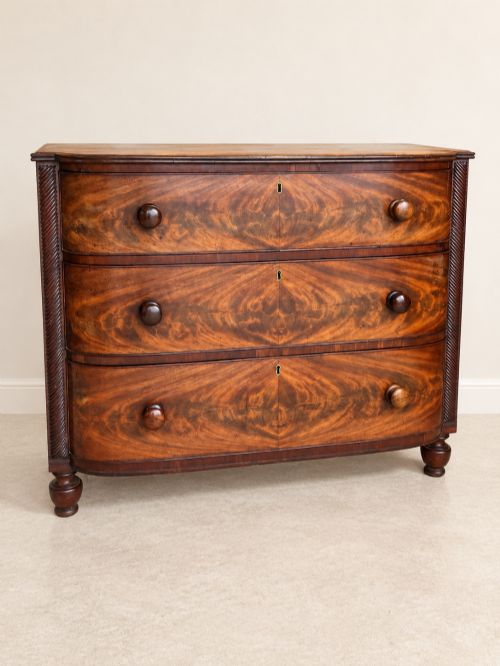
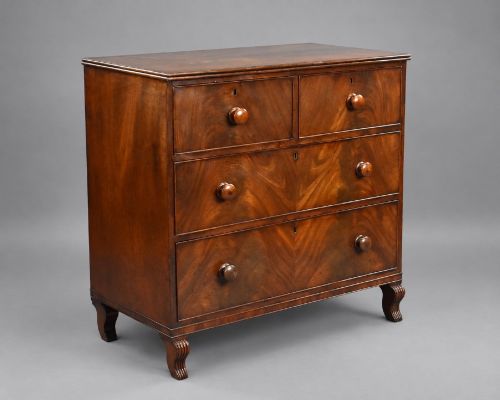
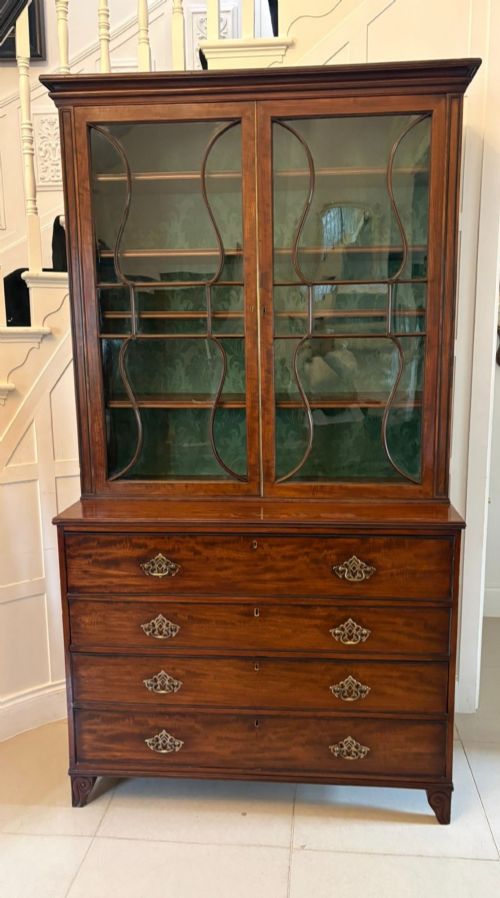
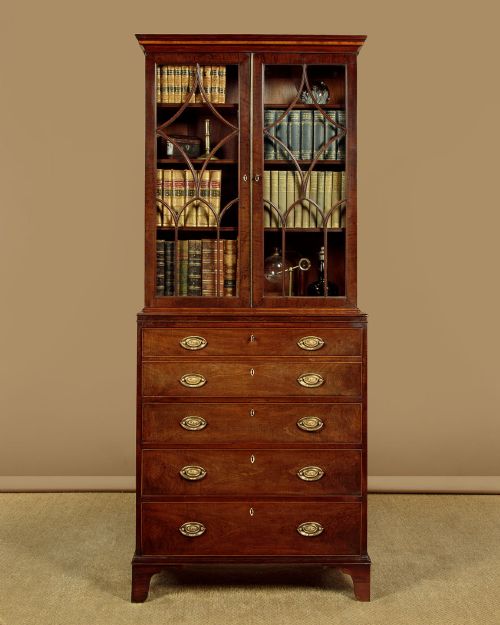
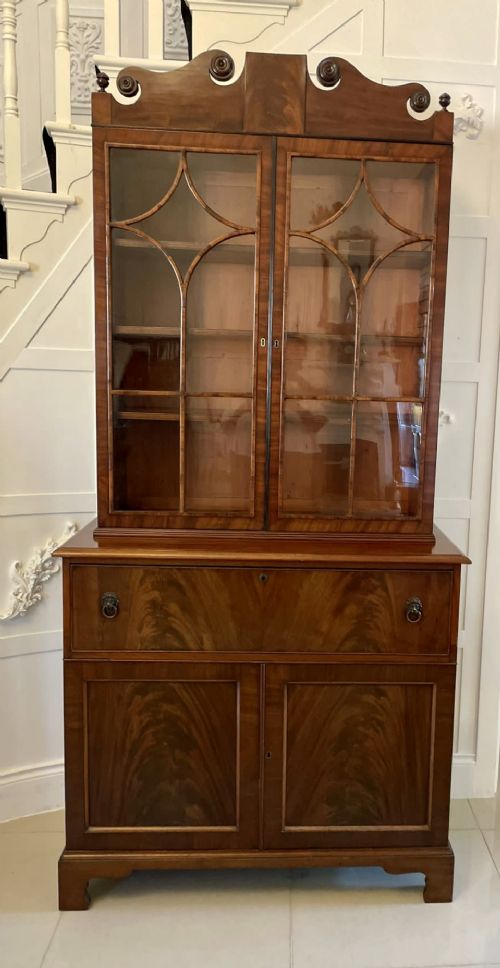
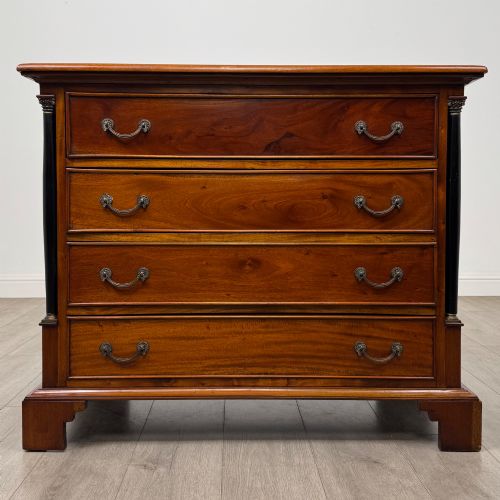
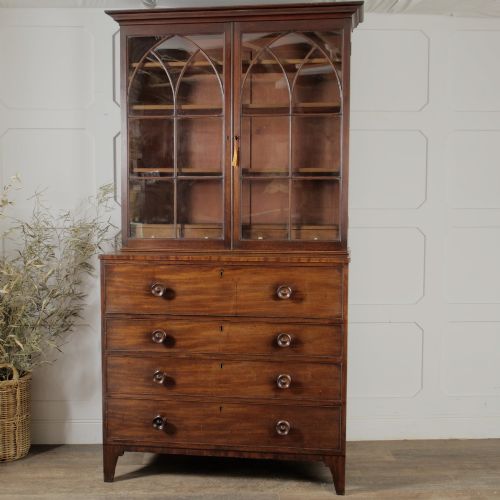
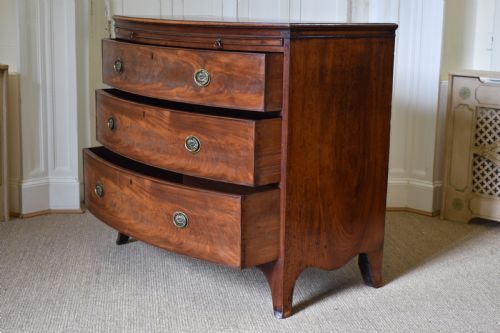
Regency Mahogany Bureau
A regency mahogany bureau brings architectural dignity and ingenious writing drawers into domestic rooms through rich timber and disciplined proportions.
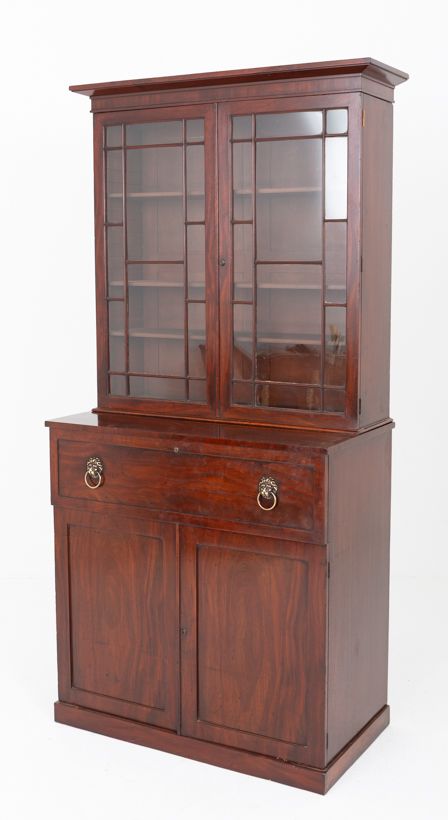
Regency Mahogany Bureau
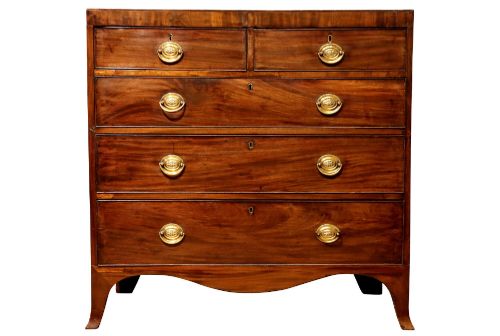
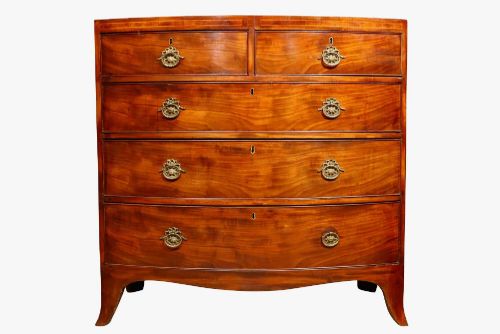
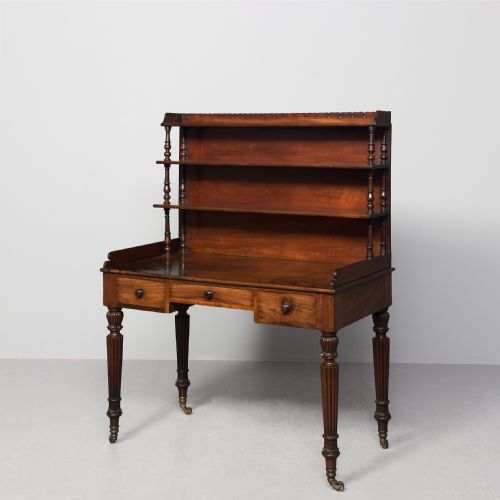
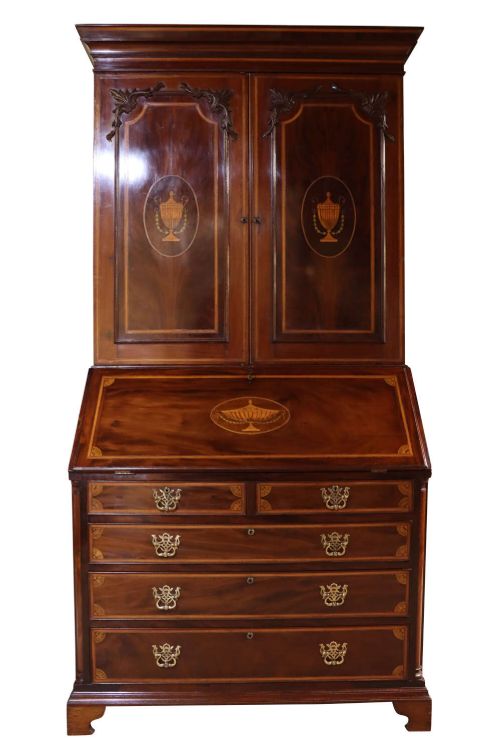
A regency mahogany bureau combines a sloping fall-front writing surface or cylinder top with concealed internal compartments above sets of graduated drawers. These writing pieces frequently appear alongside allied forms such as secretaire bookcases, writing tables, and Davenport desks.
The prevailing examples originate from the early nineteenth century under Georgian, Regency, and William IV periods, showcasing distinct architectural restraint alongside occasional inlay. Buyers encounter both compact cylinder models and taller cabinet configurations featuring glazed upper bookcase sections.
Regional variations include oak-lined Scottish construction alongside refined English workshops. The primary form prioritises practical storage combined with a dedicated writing surface designed for domestic correspondence.
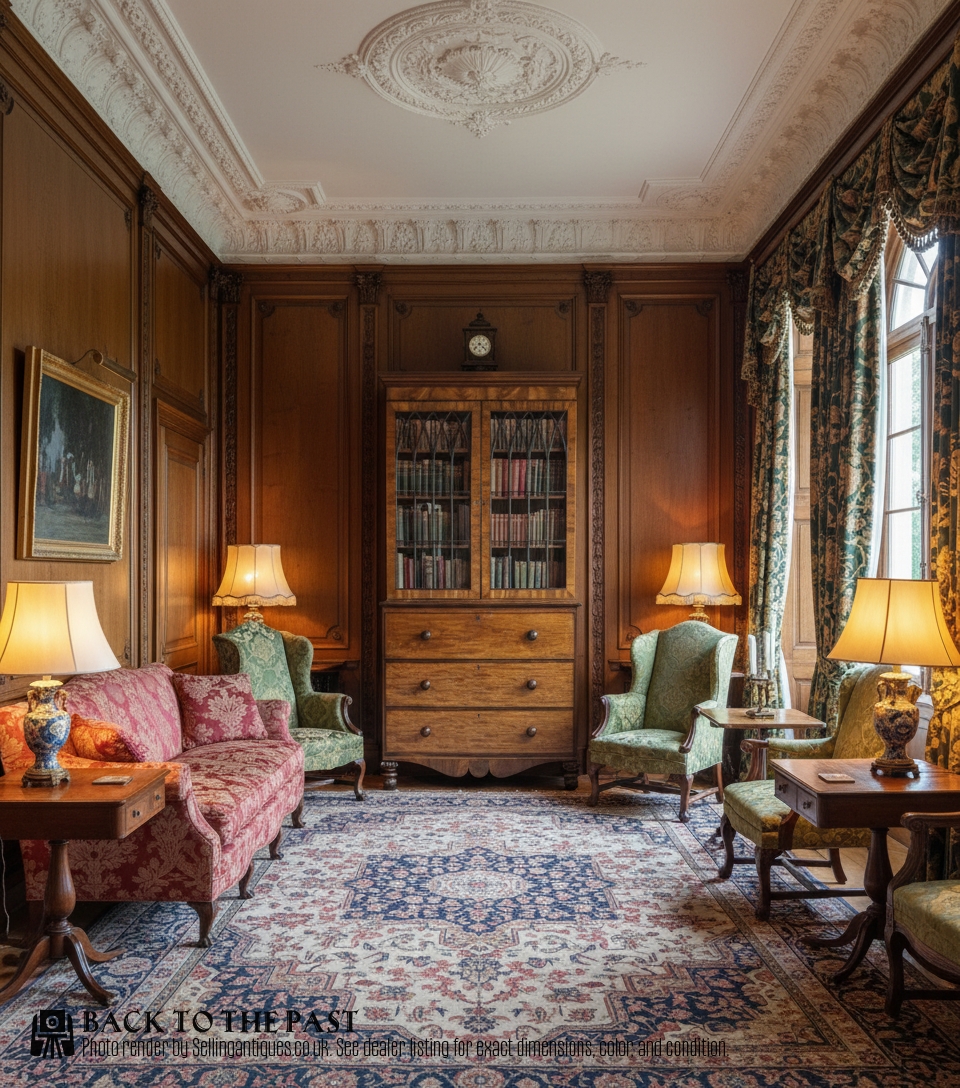
Materials and Construction
Cabinet makers utilised solid mahogany and applied flame mahogany veneers over secondary timbers such as oak, securing stability and striking grain patterns across large surfaces. Selected examples incorporate contrasting details in ebonised wood alongside brass hardware.
Internal fittings rely on precise pigeonholes, small drawers, and secret compartments housed behind fall fronts or cylinder lids. Drawer construction typically employs hand-cut dovetails and robust oak linings for durability.
Glazed upper bookcase doors feature delicate astragal timber bars framing panes of glass. Surface finishes highlight the natural warmth and depth of the figured mahogany grain.
Regency Mahogany Bureau Retail Price Guide 2026
Typical asking prices for regency mahogany bureau among the pieces listed under this phrase on Sellingantiques today, from the lower quarter to the upper quarter. They describe what is for sale here now, not the wider market.
Secret compartments hidden within fitted bureau interiors reveal where nineteenth-century correspondents stored clandestine notes and hidden ledgers.
Judging Quality
Quality rests upon the selection of timber figures, where symmetrical flame mahogany veneer matching distinguishes superior cabinet work from plain stock. The crispness of carved details, such as paw feet and reed mouldings, indicates workshop proficiency.
Internal complexity dictates the tier of execution, with fitted compartments, hidden spring catches, and leather-lined writing surfaces demonstrating high craftsmanship. Structural integrity relies on original drawer linings and unwarped fall-front panels that align flush when closed.
Attribution to documented makers elevates standing, though anonymous pieces displaying meticulous joinery and balanced proportions remain equally desirable for their architectural presence.
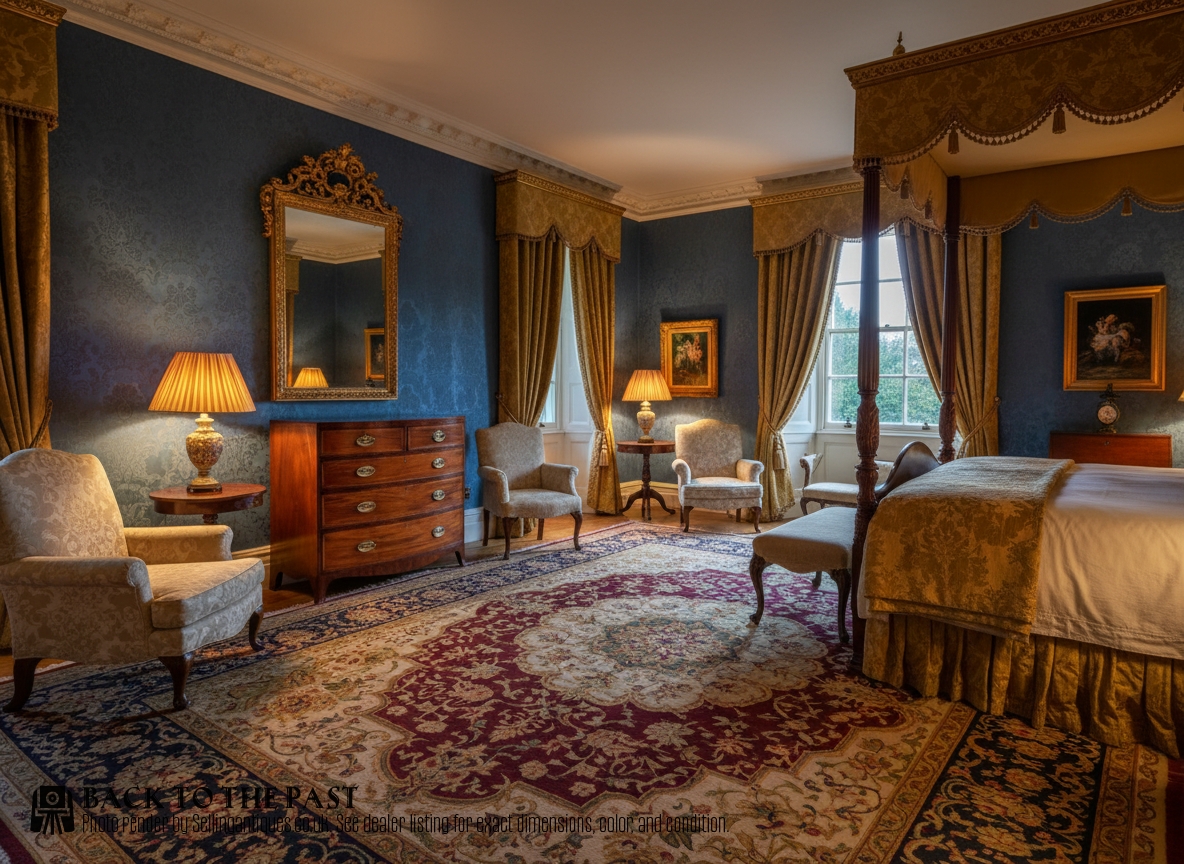
Gillows of Lancaster·James Mein of Kelso·George Oakley·Hobbs & Co
The Regency Mahogany Bureau Glossary
- Flame mahogany
- A veneer cut from the branch junction of the mahogany tree, producing a distinctive flickering flame pattern. This decorative grain was prized for drawer fronts and fall lids.
- Secretaire
- A piece of furniture containing a drawer or compartment that pulls down to form a writing desk. It frequently disguises itself as a standard chest of drawers.
- Cylinder bureau
- A desk featuring a quarter-circle rolling wooden cylinder that retracts to reveal a sliding writing slide and fitted interior. It offers a smooth mechanical alternative to the traditional sloping fall front.
- Astragal glazing
- Narrow wooden bars dividing glass panes within a bookcase door into geometric patterns. These bars provide structural support while maintaining visual lightness.
- Davenport
- A compact pedestal desk fitted with a sloping writing surface and side drawers. These portable pieces gained popularity during the Regency period for boudoir use.
Regency Mahogany Bureau: Frequently Asked Questions
What is a regency mahogany bureau?
A regency mahogany bureau is a writing cabinet featuring a hinged sloping flap or rolling cylinder that opens to reveal internal compartments and small drawers above larger storage drawers.
These pieces date primarily from the early nineteenth century and reflect the classical architectural taste of the Regency and late Georgian periods.
How do cylinder bureaus work?
Cylinder bureaus utilise a curved wooden shutter that slides backward into the body of the desk when pushed, simultaneously extending an internal writing slide.
This mechanism conceals the desk interior cleanly while offering a secure enclosed workspace for correspondence.
Where were these bureaus made?
These pieces originate from workshops across Britain, ranging from prominent cabinet makers in London and Lancaster to regional makers in Scotland.
Construction details such as oak drawer linings and regional timber choices often provide clues to their specific geographical origin.
How do I style a bureau at home?
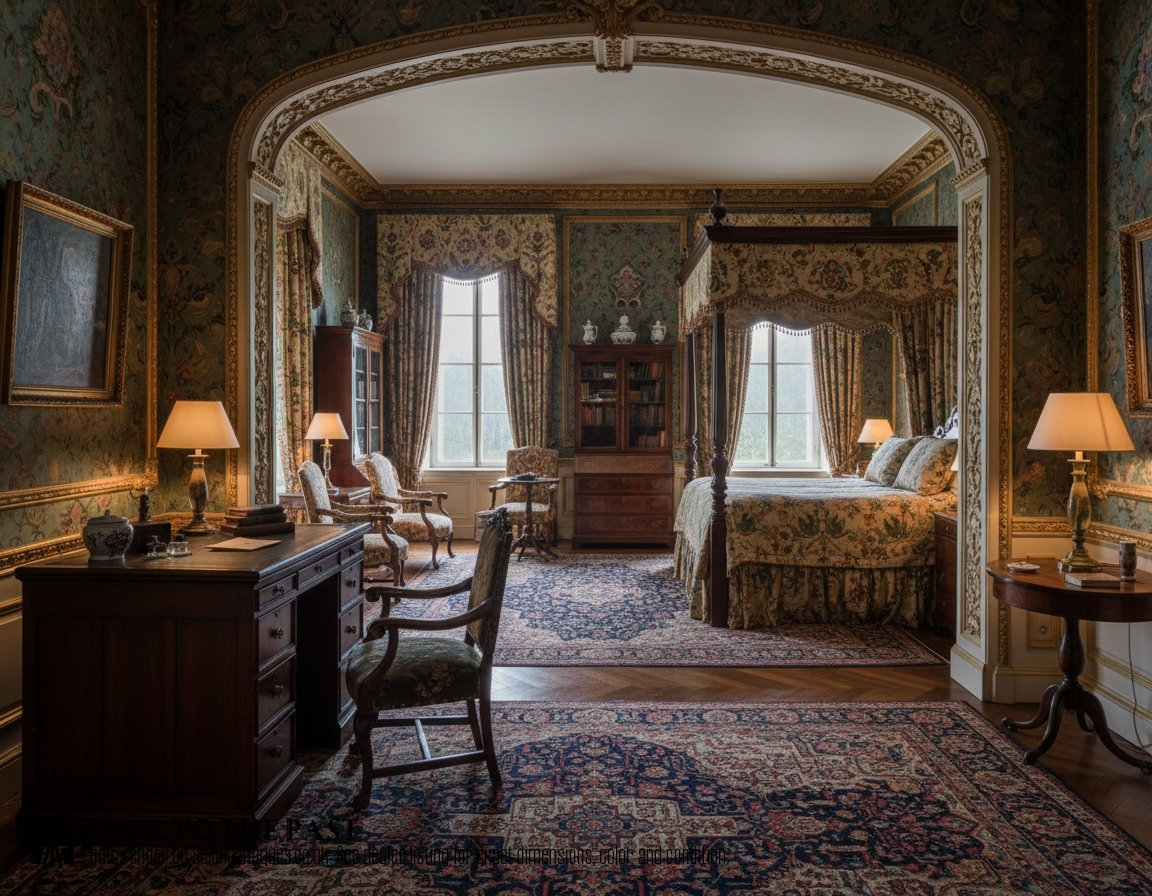
A bureau functions effectively in a study, drawing room, or hallway as both a display surface and a practical writing station.
Leaving the fall front or cylinder open reveals fitted pigeonholes that lend character and warmth to modern interiors.