
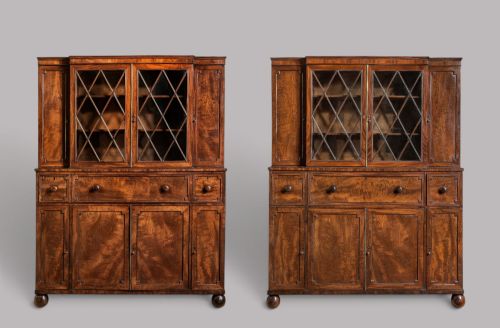
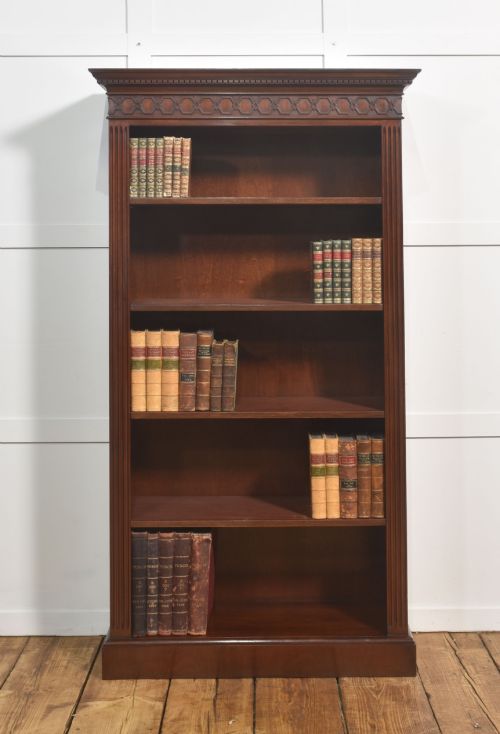
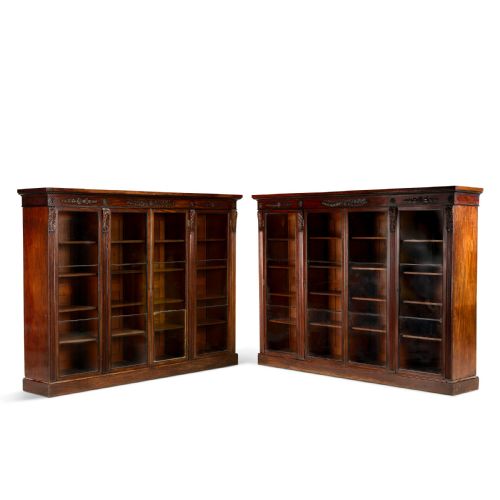
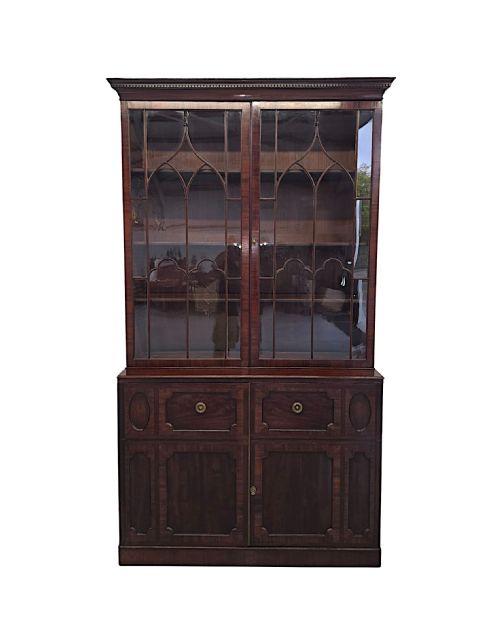
Regency Library Bookcase
A regency library bookcase brings architectural proportion and figured timber to a study, offering serious storage for substantial volumes.
Identifying a regency library bookcase
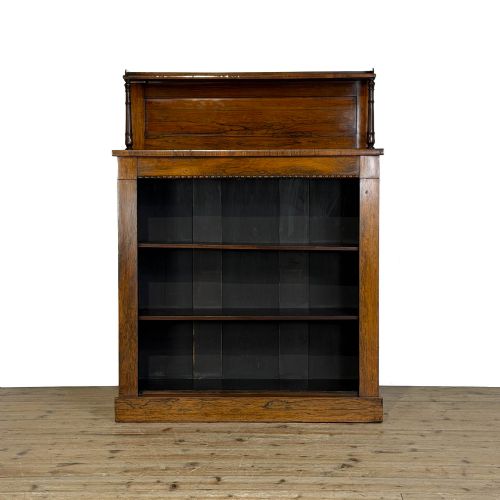
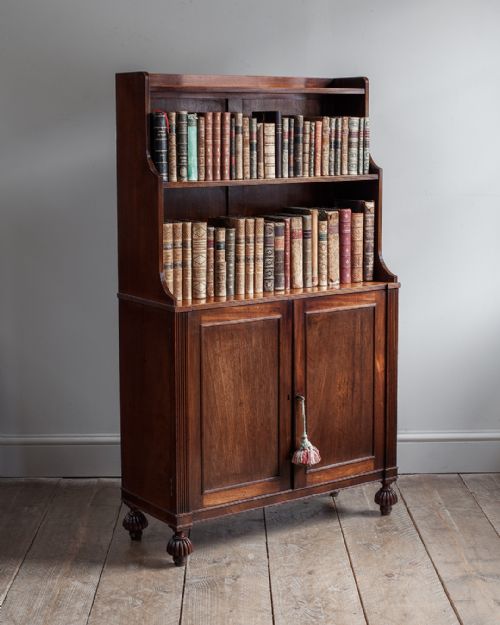
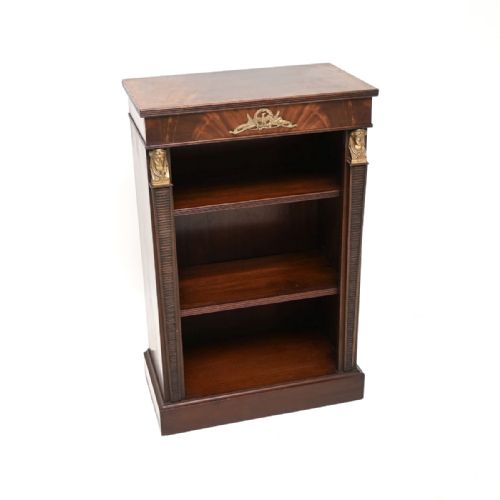
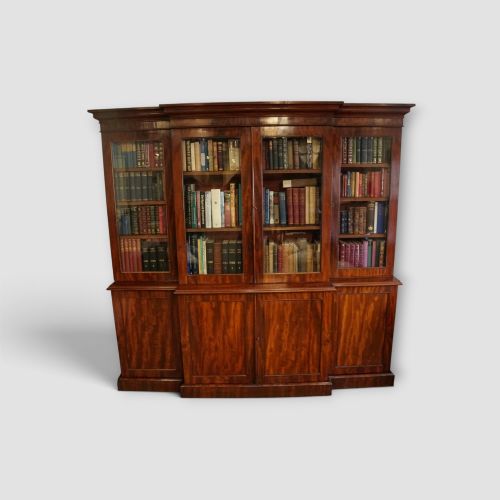
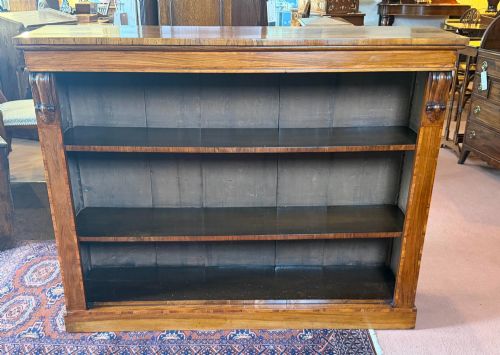
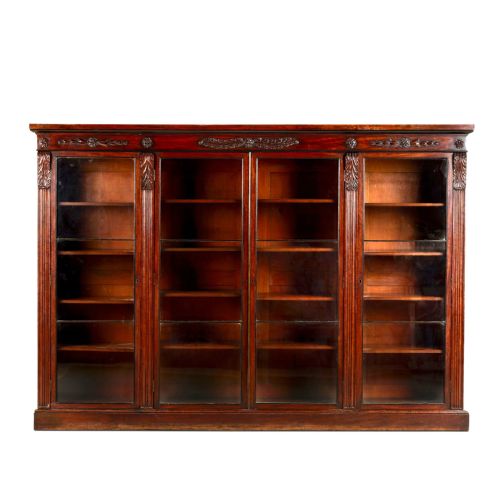
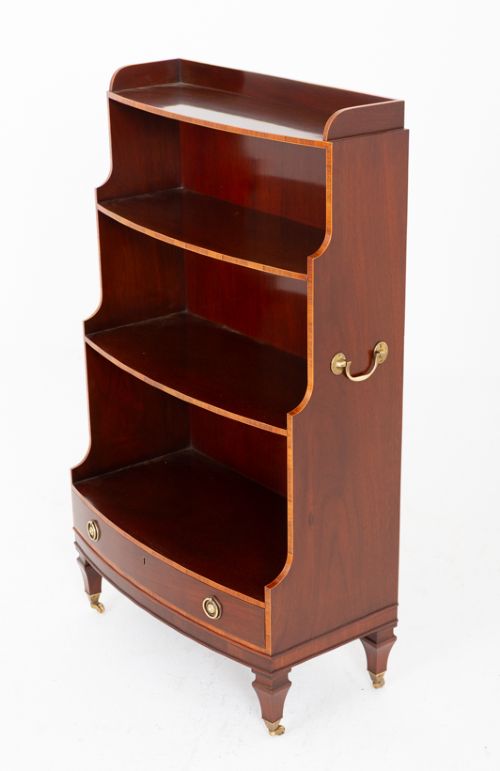
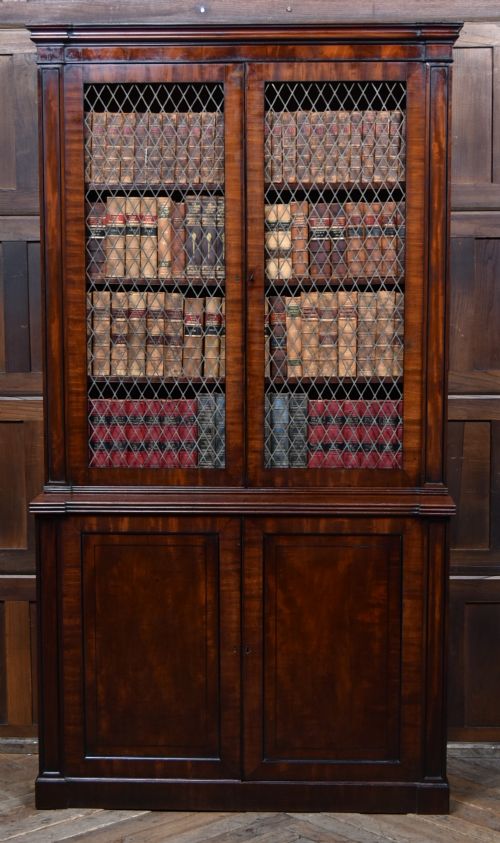
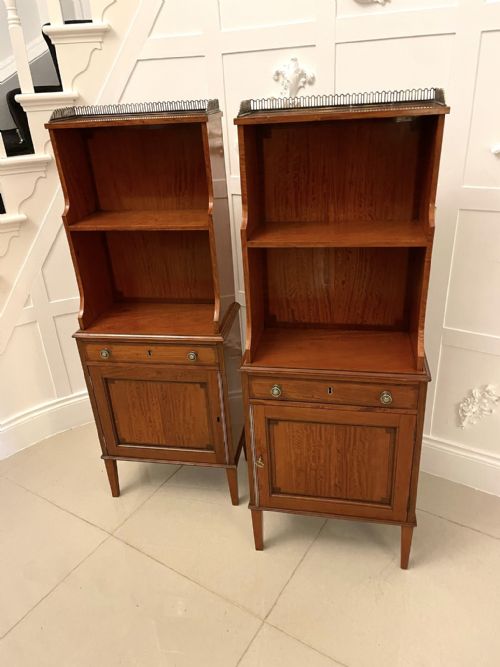
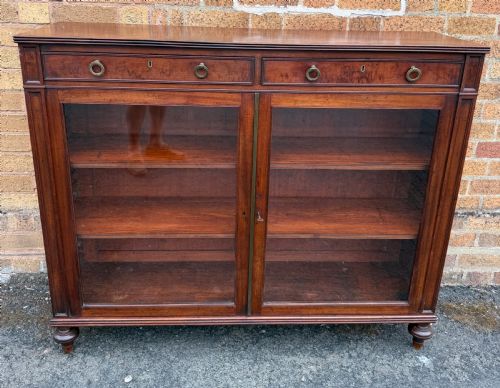
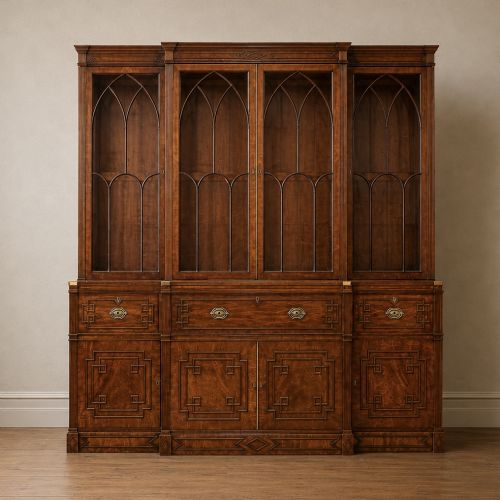
A regency library bookcase is a substantial piece of furniture designed to house collections of books, appearing primarily in genuine period examples from the early nineteenth century alongside later revivals from the twentieth century. These pieces range from grand breakfront architectural cabinets with glazed upper doors to smaller open shelf configurations and fitted desk combinations.
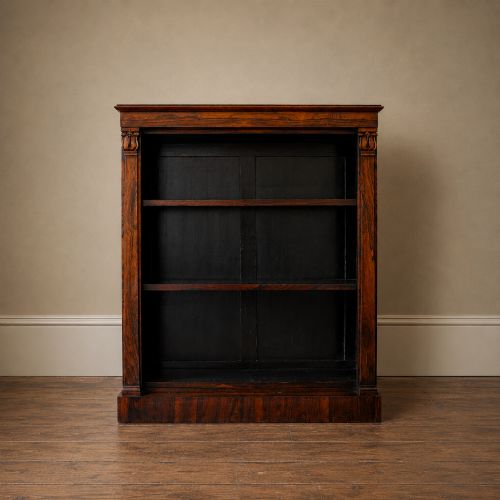
The dominant forms recorded across the archive include breakfront formats, open adjustable shelving units, and tall glazed cabinets. Many examples incorporate lower cupboard doors, drawers, or specialised compartments beneath the main display sections.
While original Regency pieces date from around eighteen hundred to eighteen thirty, the selection also includes later interpretations from nineteen ten and various revival periods. Buyers encounter both monumental multi-section library pieces and narrower, taller formats suited to domestic rooms.
Distinguishing quality
Quality rests upon the selection and figure of the timber veneers, such as flame mahogany or figured rosewood, matched across large surfaces like breakfront doors. Superior examples display refined proportions, precise cabinet joinery, and original brass fittings.
The complexity of the carcass architecture dictates the tier of the piece, moving from simple open shelves to large multi-section breakfront cabinets with specialised carvings or carved sphinx supports.
Carved sphinx supports occasionally guard the volumes.
Gillows
The Regency Library Bookcase Glossary
- Breakfront
- A cabinet design where the central section projects forward from the flanking wings. This configuration creates visual depth and breaks up the long horizontal line of large library furniture.
- Astragal
- A narrow wooden moulding used to divide glass panes within a glazed door frame. These bars form decorative geometric lattices across the bookcase front.
- Flame mahogany
- A veneer cut from timber where the grain creates a distinctive flickering flame pattern. Cabinetmakers prized this figure for prominent door panels and drawer fronts.
- Open bookcase
- A shelving unit without doors designed for immediate access to volumes. These variants often include adjustable shelves supported by wooden racks or brass pegs.
Frequently Asked Questions
How do I clean the glass?
Use a soft microfibre cloth slightly dampened with a mild glass cleaner sprayed onto the cloth rather than directly onto the antique wood or astragal bars.
Keep moisture away from the timber joints and old surface finishes to protect the structure over time.
Are the shelves adjustable?
Many examples feature movable shelves resting on traditional supports to accommodate books of varying heights.
Some earlier or simpler configurations may have fixed shelving integrated directly into the carcass walls.
Can these hold heavy books?
Period library furniture was constructed from dense hardwoods like mahogany and oak to support heavy leather-bound volumes.
Distributing weight evenly across the timber shelves prevents warping during long-term use.
How do I date a bookcase?
Dating relies on timber selection, construction methods, hardware styles, and specific design markers like astragal glazing patterns.
Original Regency examples typically date between eighteen hundred and eighteen thirty, while revival pieces appear from later decades.