





Regency Glass Drinking Goblet
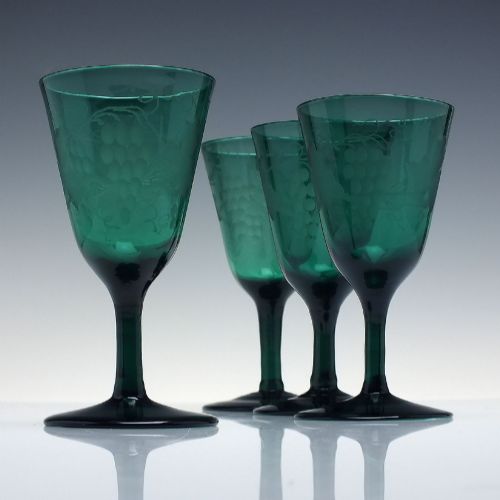
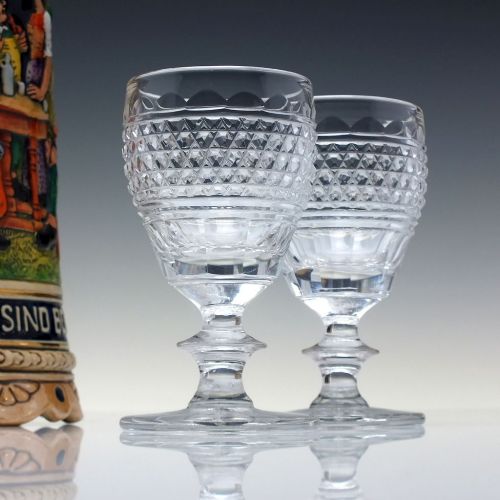
These regency glass drinking goblet pieces are substantial vessels designed for hearty toasts, offering a tangible connection to early nineteenth-century dining tables.
Regency Glass Drinking Goblet
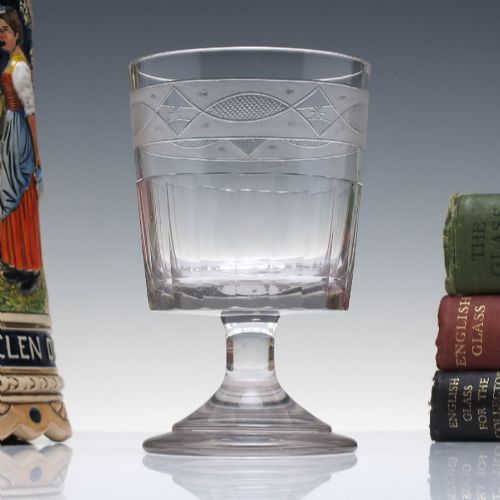
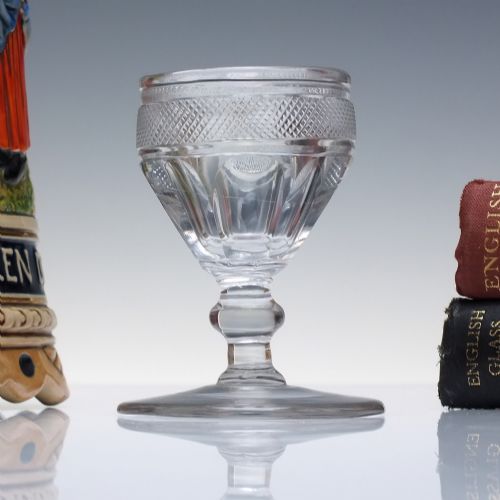
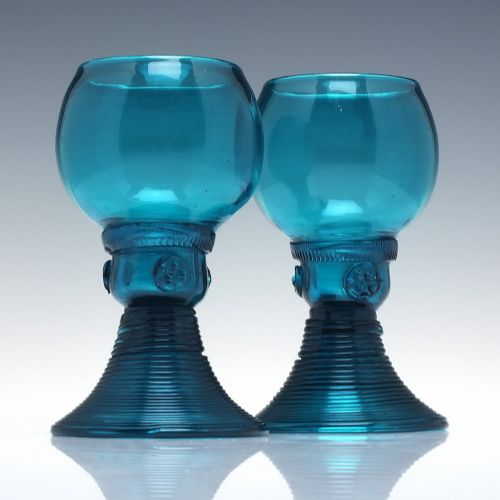
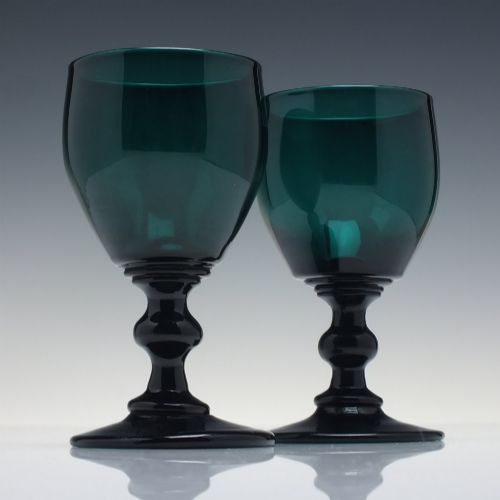
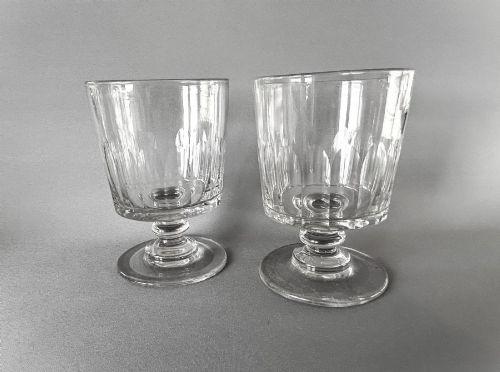
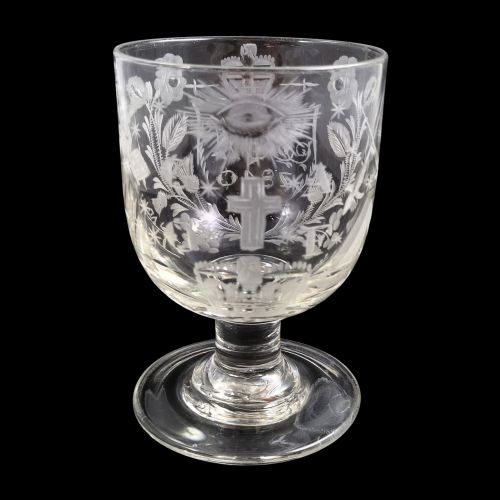
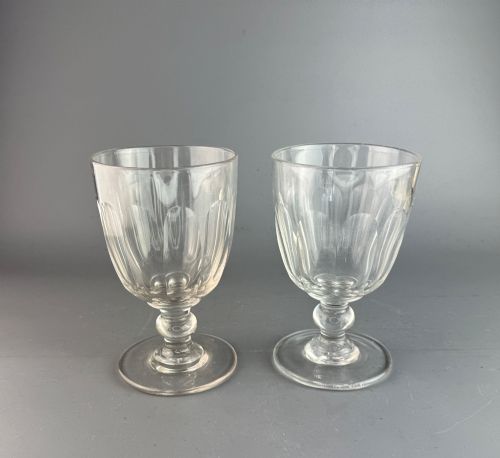
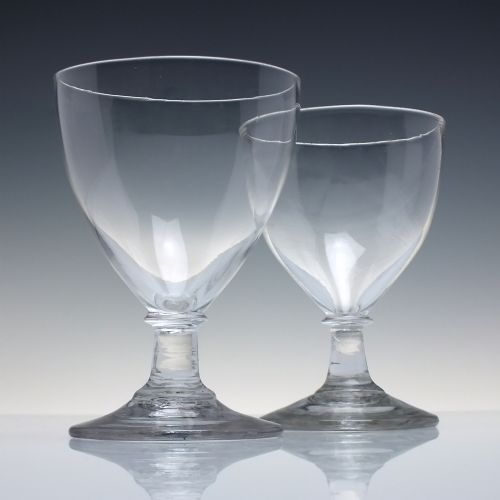
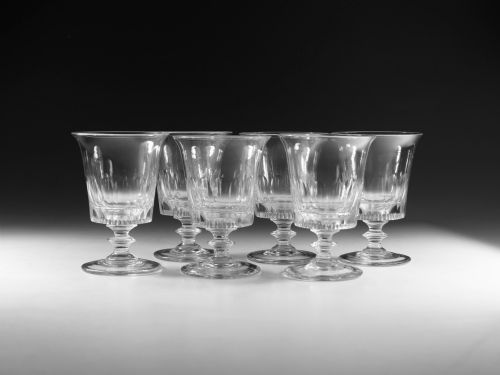
A regency glass drinking goblet typically takes the form of a rummer or a substantial wine glass, created to serve heavier portions at the table. The examples found here span the Georgian and Victorian eras, alongside specific Regency pieces.
Forms vary from curved bucket bowls and ovoid shapes to wide table rummers. Many sit upon sturdy bases, including square lemon squeezer feet, which provide necessary stability to these heavier drinking vessels.
Materials and construction
These items are shaped from lead glass, lead crystal, and hand-blown clear or coloured glass. The material is worked while molten to achieve the characteristic heavy walls and solid proportions seen across the period.
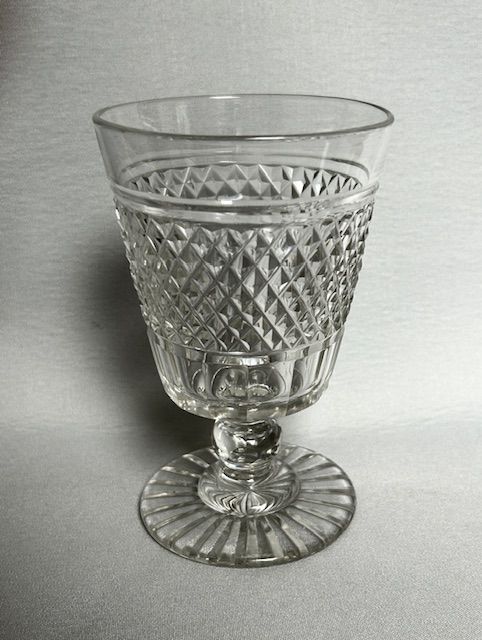
Decoration is achieved through wheel engraving and deep cutting, producing surface motifs such as hop and barley patterns, armorial crests, local bridges, and geometric hobnail patterns.
Regency Glass Drinking Goblet Retail Price Guide 2026
Typical asking prices for regency glass drinking goblet among the pieces listed under this phrase on Sellingantiques today, from the lower quarter to the upper quarter. They describe what is for sale here now, not the wider market.
One recorded rummer proudly depicts the Sunderland Bridge, immortalising civil engineering in toast-worthy crystal.
Distinguishing quality
Quality rests upon the clarity of the metal and the crispness of the cutting or engraving. Superior examples display deep, sharp wheel work and well-balanced proportions without cloudiness in the glass.
The weight and stability of the foot also dictate standard, where a precisely moulded square lemon squeezer base or a well-formed conical foot indicates careful execution by the glasshouse.
The Regency Glass Drinking Goblet Glossary
- Lemon squeezer foot
- A square, pressed glass base with sloping sides resembling a traditional lemon squeezer, common on heavy drinking vessels from the early nineteenth century.
- Lead glass
- Glass containing lead oxide, which increases the weight, refractive index, and clarity of the vessel. It provides the heavy substance characteristic of these items.
- Hobnail cut
- A raised, multi-faceted geometric surface decoration resembling the hobnails on heavy boots, achieved through deep wheel cutting.
- Anglo-Irish
- A style of heavy glass production bridging English manufacturing techniques and Irish glasshouses during the late eighteenth and early nineteenth centuries.
Regency Glass Drinking Goblet: Frequently Asked Questions
What were regency glass drinking goblet pieces used for?
These vessels were utilised for serving hearty portions of wine, ale, and punch during social gatherings and communal dining. Their generous capacity made them practical for everyday toasts.
Over time, their role shifted from utilitarian tavern and dining table items to decorative display pieces collected for their historical craftsmanship.
How do I care for antique glass rummers?
Wash these items gently by hand in lukewarm water using mild detergent. Avoid sudden temperature changes to protect the older metal from thermal shock.
Store them securely on a stable surface where their considerable weight is fully supported, keeping them away from direct edges.
How can I tell a Regency rummer from a Victorian one?
Regency examples often display characteristic traits such as hand-blown bucket or ovoid bowls paired with rough pontil marks underneath. The metal frequently exhibits a slightly darker tone and softer tool marks.
Victorian pieces tend toward heavier, more uniform mechanical press-moulding and sharper, deeper brilliant-cut detailing across the body.
Why do some rummers have square bases?
The square lemon squeezer base provided exceptional stability for heavy drinking vessels on busy dining tables. This shape prevented tipping when guests passed large portions of ale or wine.
Production of these bases required pressing the hot metal into moulds before hand-finishing the final shape.