



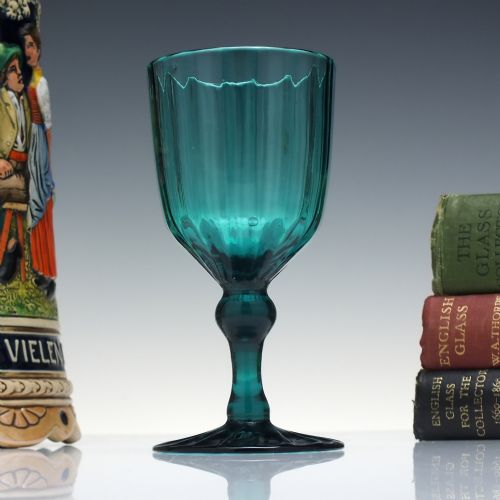


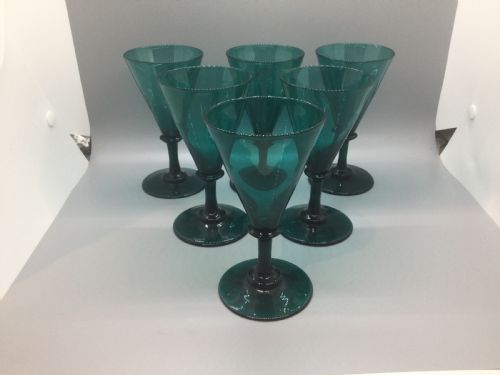

Georgian Green Wine Glass
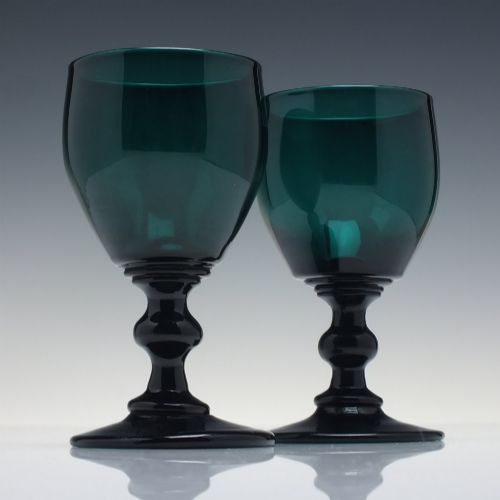
A georgian green wine glass brings rich depth of colour and eighteenth-century craftsmanship to the table.
Georgian Green Wine Glass
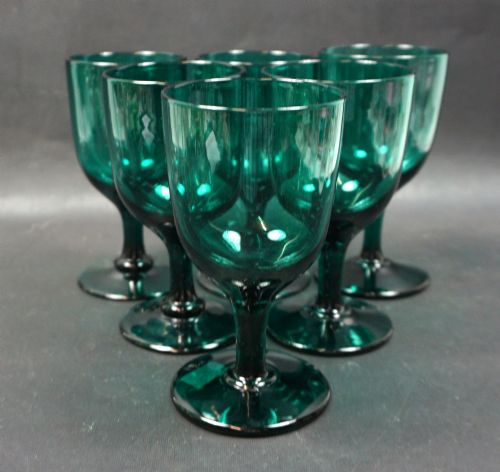
A georgian green wine glass is a drinking vessel dating from the eighteenth or early nineteenth century, typically fashioned in deep forest, emerald, or turquoise hues. These pieces appear as single examples, pairs, or complete matching sets of four and six.
The selection ranges from standard wine glasses and tall flutes to roemers with hollow stems and smaller dram glasses. English production dominates the evidence, particularly pieces associated with Bristol alongside occasional continental forms.
Most examples date between seventeen-eighty and eighteen-twenty, spanning the late Georgian and Regency periods. Collectors encounter both plain bowls and ribbed or moulded variations designed for dining and entertaining.
Materials and production methods
Makers utilised hand-blown lead glass and coloured glass formulas to achieve the characteristic deep green and turquoise tones. The molten metal was shaped using free-blowing techniques or worked into rib moulds to create textured surfaces.
Complex forms such as roemers required applied hollow stems and specialised foot formations attached by hand. Engraving and colour twist stems occasionally appear within the historical record, adding intricate detail to the vessel.
Georgian Green Wine Glass Retail Price Guide 2026
Typical asking prices for georgian green wine glass among the pieces listed under this phrase on Sellingantiques today, from the lower quarter to the upper quarter. They describe what is for sale here now, not the wider market.
Evidence shows lead glass, hand-blown glass, and coloured glass used across Georgian and eighteenth-century forms.
Assessing quality in period glassware
Quality rests upon the depth and consistency of the green colouration within the metal, alongside the symmetry of the bowl and stem. Hand-blown pieces with clean, crisp rib moulding and well-balanced proportions command greater attention.
The survival of matched sets of six or four elevates the standing of the glassware significantly compared to solitary survivors. Purity of the glass handle and the elegance of the drawn or applied foot complete the assessment.
The Georgian Green Wine Glass Glossary
- Roemer
- A traditional Germanic drinking vessel with a large rounded bowl sitting on a cylindrical, raspberry-prunt or hollow stem. This form was widely adopted by English glasshouses during the Georgian period.
- Rib Moulded
- A decorative technique where molten glass is inflated inside a ribbed pattern mould to create parallel raised ridges. These ridges are often subsequently twisted while hot.
- Lead Glass
- Heavy, brilliant glass containing lead oxide, developed in England to improve clarity and weight. It forms the structural body for many eighteenth-century drinking vessels.
- Dram Glass
- A small drinking vessel intended for consuming spirits rather than wine. These diminutive pieces appear frequently in eighteenth-century contexts.
Georgian Green Wine Glass: Frequently Asked Questions
How were these glasses used?
These vessels served for drinking wine, ale, and spirits at the formal dining table. The coloured glass helped mask the sediment present in early vintages.
Wealthy households utilised matching sets for communal toasts and dessert courses. The rich tones added visual drama to candlelit eighteenth-century dining rooms.
How do I care for a georgian green wine glass?
Wash each piece gently by hand in warm water using mild detergent. Avoid sudden temperature changes to protect the fragile antique metal.
Store them securely on stable shelving away from edge hazards. Hand drying with a soft linen cloth prevents water spotting.
How do I tell periods apart?
Eighteenth-century examples often feature different stem formations and deeper, darker forest green hues. Regency pieces from around eighteen-twenty tend towards bright emerald or turquoise tones.
Form changes also provide clues, as heavy roemers and exported roemer styles align closely with late seventeen-nineties production. Comparing pontil marks helps establish age.
Are these glasses safe for modern use?
While structurally sound, antique lead glass requires careful handling during use. Modern dishwashers and chemical detergents will damage the historic surface.
Many collectors prefer to display them as decorative objects rather than risking modern dining use. Occasional gentle use for wine remains acceptable with proper care.