
Regency Dressing Glass
Regency dressing glass pieces are substantial mahogany mirrors that bring period elegance and practical function to a bedroom.
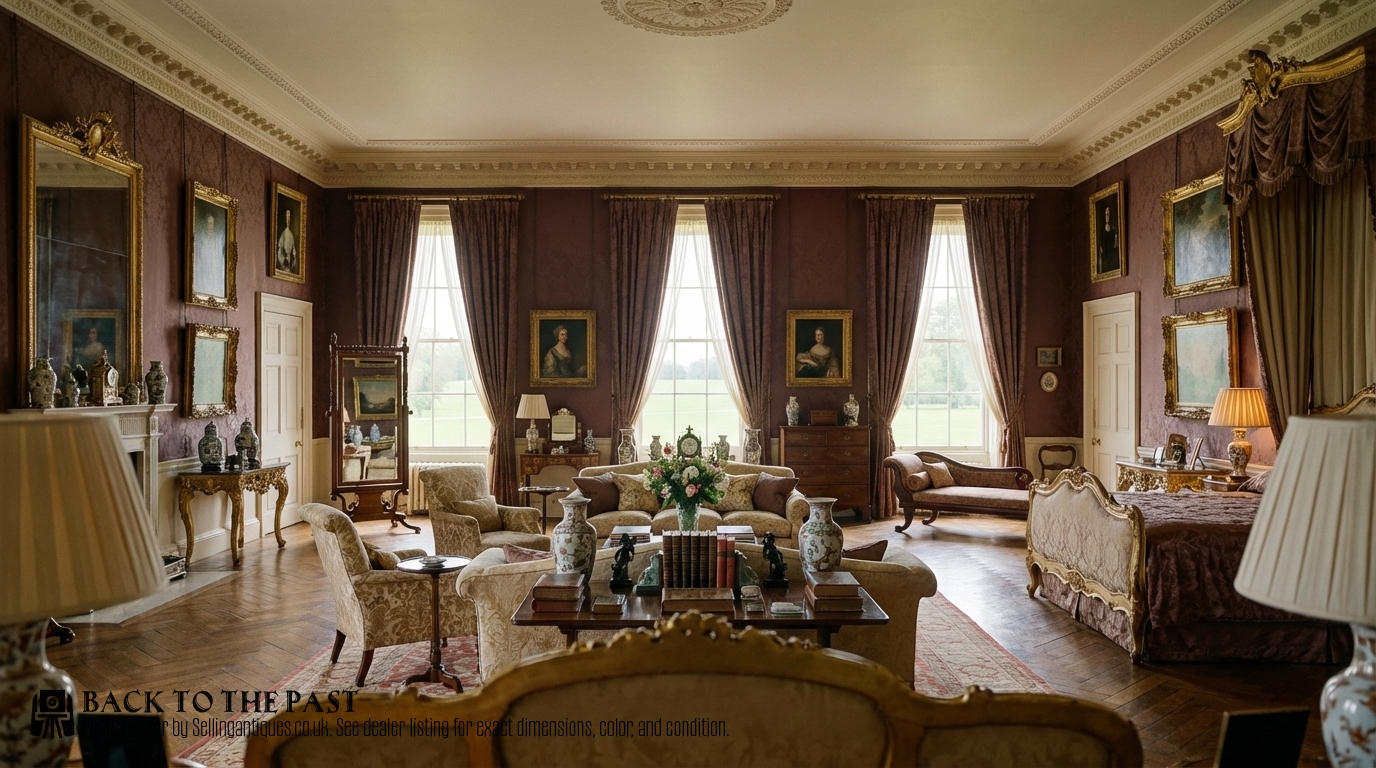
What Regency dressing glass pieces are
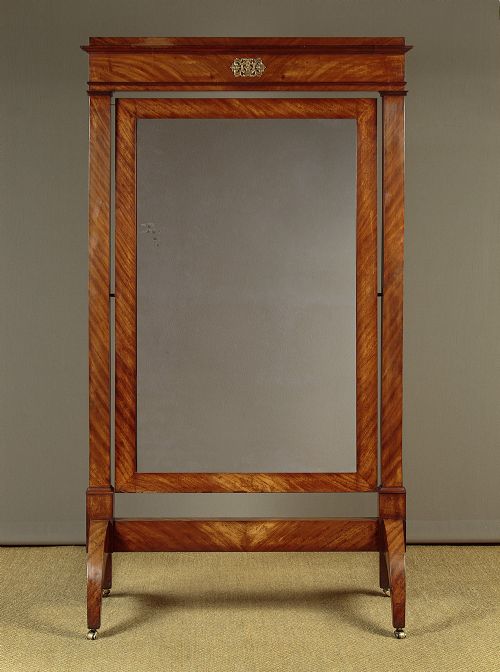
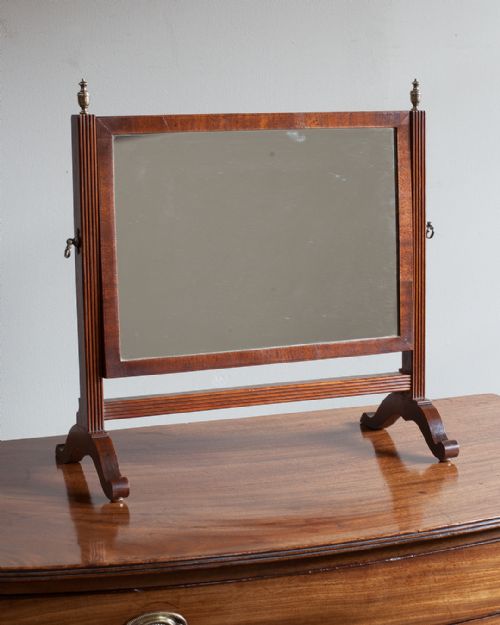
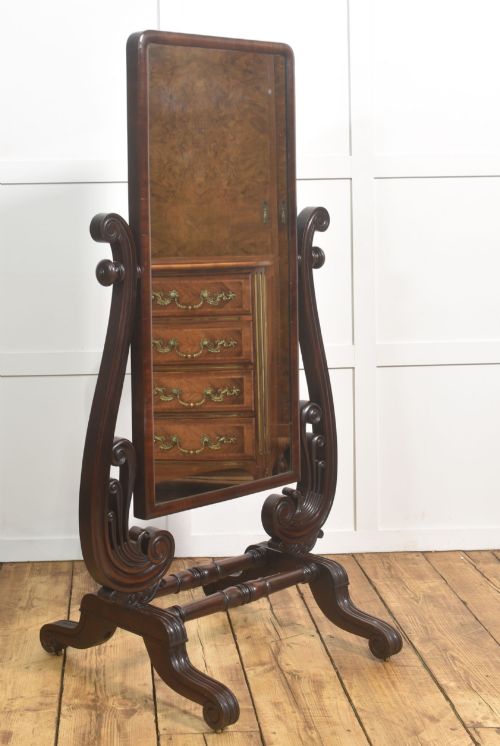
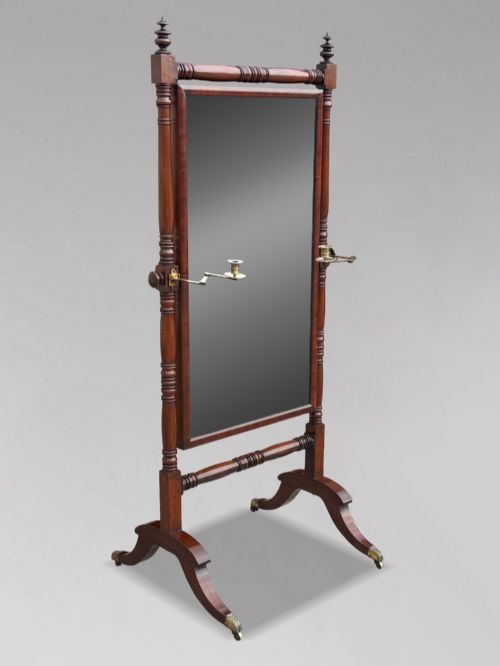
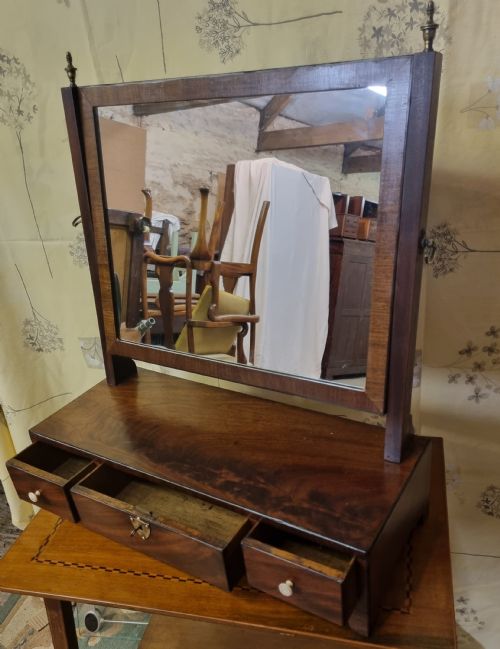
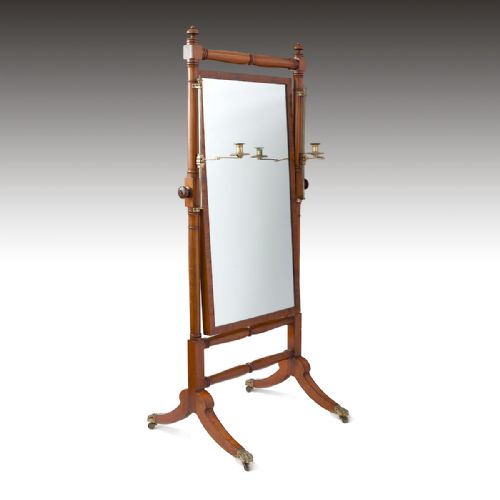
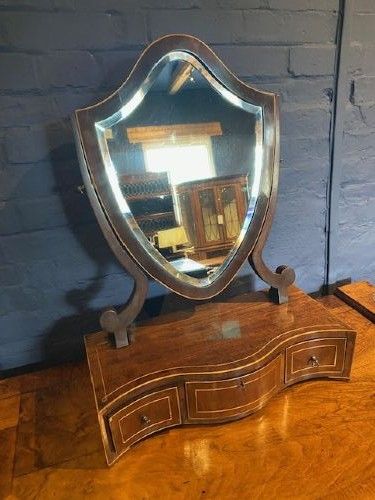
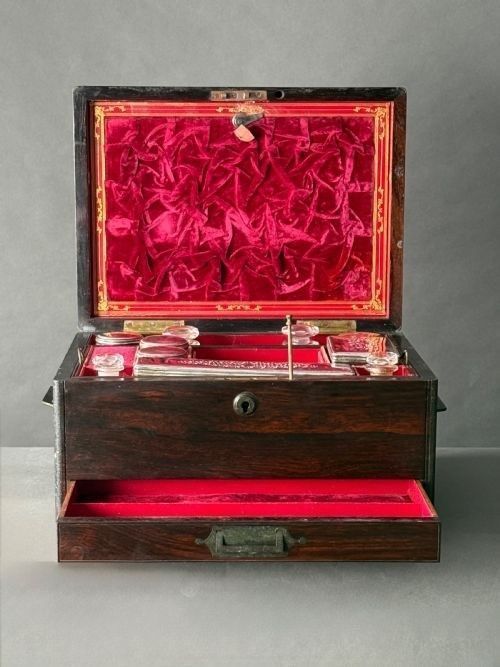
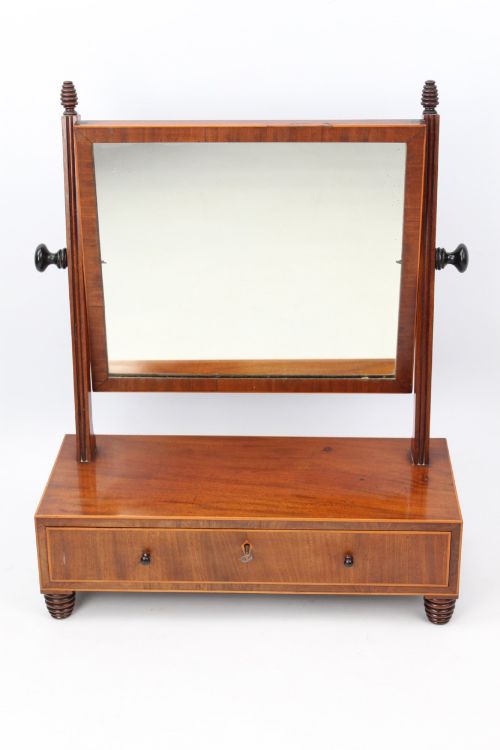
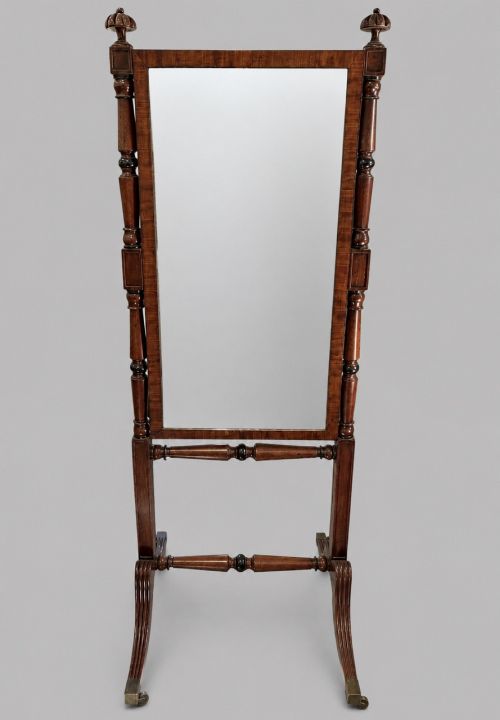
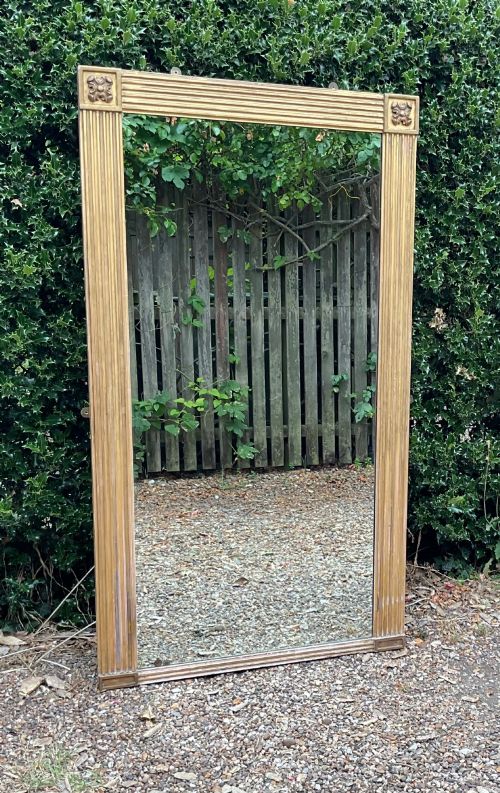
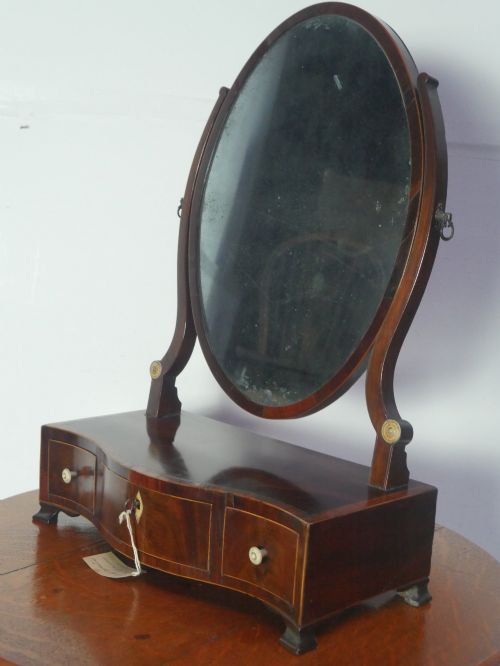
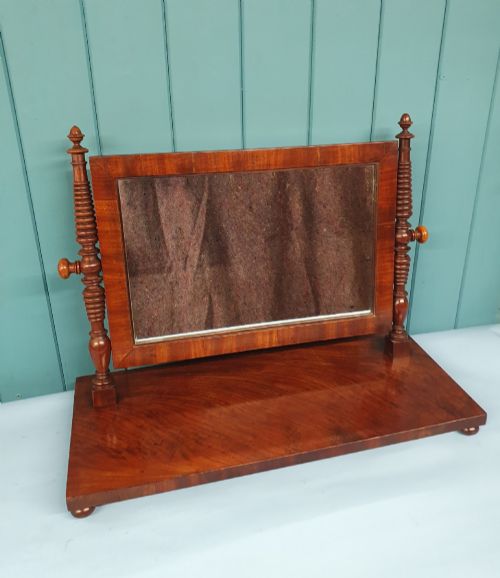
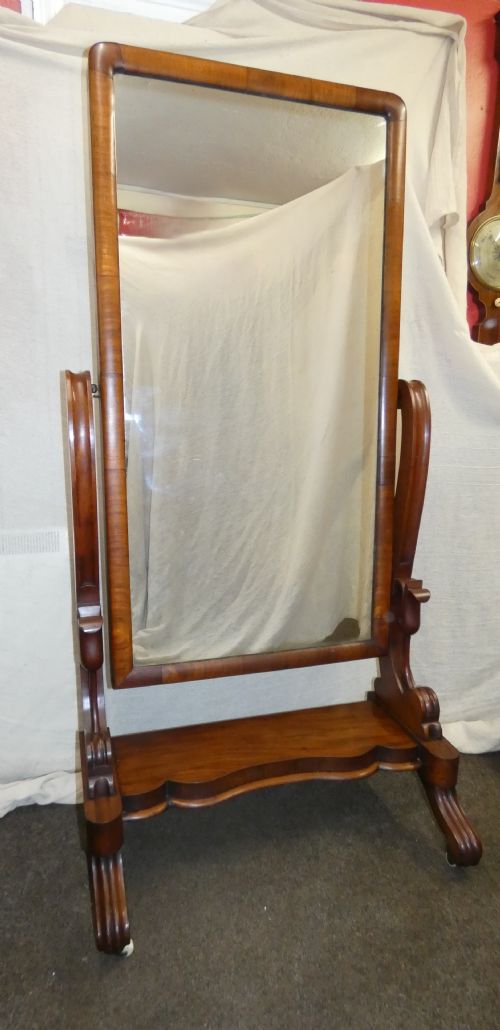
When you search for regency dressing glass, you encounter large scale cheval mirrors and bow fronted dressing table mirrors from the Regency period. These pieces originate entirely from the Regency era, constructed as freestanding or tabletop looking glasses designed for personal grooming.
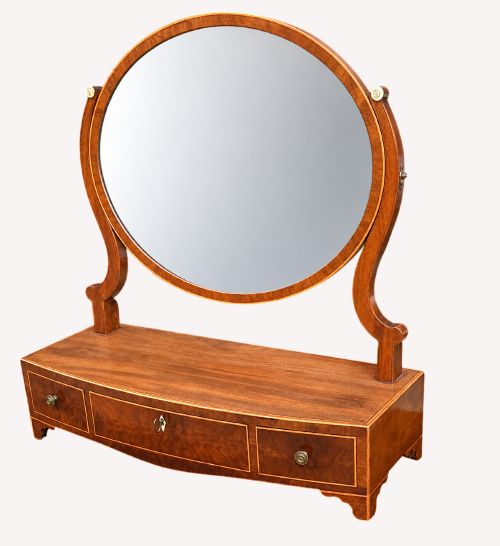
The most common formats on this page are mahogany cheval mirrors alongside bow fronted dressing table mirrors. Each form provides a clear reflection and anchors a room with distinctive period proportions.
How they were made
Maker workshops built these looking glasses primarily using solid and veneered mahogany timber. Brass fittings secure the adjustable mirror plates, while the glass itself provides the reflective surface.
Some examples incorporate intricate marquetry inlay into the timber frame. Construction techniques focus on secure framing to support heavy mirror glass plates within adjustable stands.
Retail Price Guide 2026
Typical UK retail prices for regency dressing glass, calculated from the Sellingantiques database of over a million retail prices indexed since 2003. This retail price guide relies exclusively on Sellingantiques data; no external sources or auction records are used, so the figures do not describe the wider market.
Adjustable cheval mirrors allowed Regency gentlemen to check their Hessians and tailcoats from multiple angles before morning rides.
What varies in quality
Quality differences lie in the scale of the timber and the refinement of the brass mounts. Larger scale examples demand superior joinery to maintain stability across the frame.
The presence of marquetry inlay separates standard production from exhibition quality work. Finer execution in the woodwork and brass hardware defines the upper tier of these looking glasses.
The Regency Dressing Glass Glossary
- Cheval mirror
- A freestanding mirror supported by a frame with four legs, allowing the glass to tilt. This form permits a full length view of the user.
- Dressing glass
- A tabletop looking glass mounted on a small set of drawers or a stand. It sits atop a dressing table for close grooming.
- Bow front
- A convex curved front contour found on the base of dressing table mirrors. This shape softens the geometric lines of the furniture.
- Marquetry
- Decorative patterns created by fitting thin pieces of wood veneer into a timber ground. It adds intricate visual detail to the frame.
- Looking glass
- The historical term for a mirror. It denotes the combination of a glass plate within a supportive wooden frame.
Frequently Asked Questions
Where should I place a dressing glass?
These mirrors suit bedrooms and dressing rooms where personal grooming takes place. Cheval mirrors function well freestanding on the floor, while bow fronted versions require a secure surface like a table or chest.
Position the glass near a light source to maximise the reflection in the room. Ensure the surrounding floor space supports the footprint of the frame.
How do I adjust the mirror?
Most cheval and dressing mirrors utilise side pivots or brass hardware to tilt the glass plate. You adjust the angle by gently moving the glass to the desired position.
Check that the supporting screws or brass fittings are stable before altering the angle. Regular use requires balanced tension on both sides of the frame.
What maintenance do these mirrors need?
Maintain the mahogany timber with appropriate wood care products to preserve the finish. Clean the glass with standard window solutions applied to a cloth rather than directly onto the surface.
Inspect the brass fittings periodically to ensure they remain secure. Avoid placing the mirror in direct sunlight to protect the wood and silvering.
How do I identify Regency style?
Regency pieces display specific classical proportions, clean lines, and dark mahogany timbers. The presence of brass mounts and bow front shapes reinforces this period aesthetic.
Compare the construction details and materials against recorded examples from the era. This helps distinguish Regency manufacture from later reproductions.