


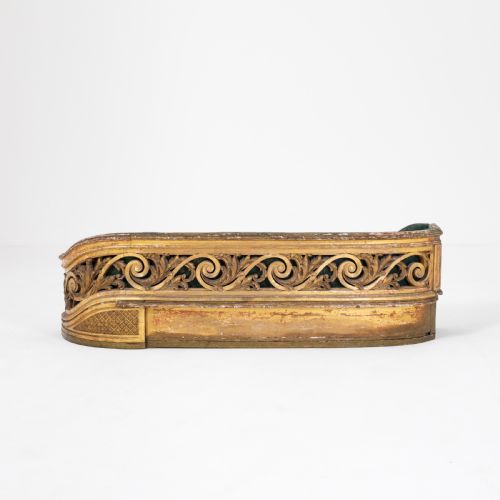


Regency Decorative Box
These pieces known as a regency decorative box bring period craftsmanship into modern rooms, offering a practical place to store keepsakes.
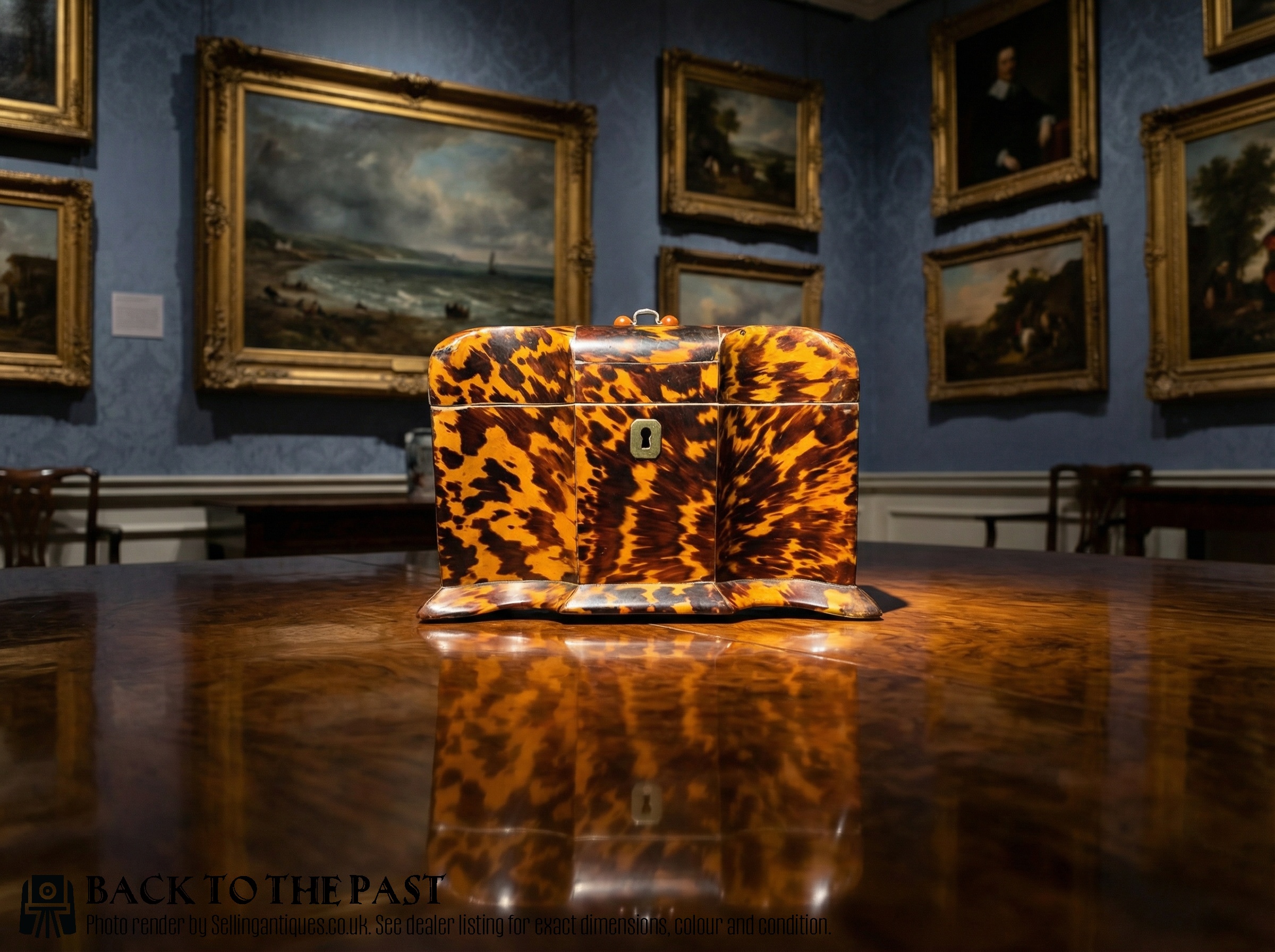
Regency Decorative Box
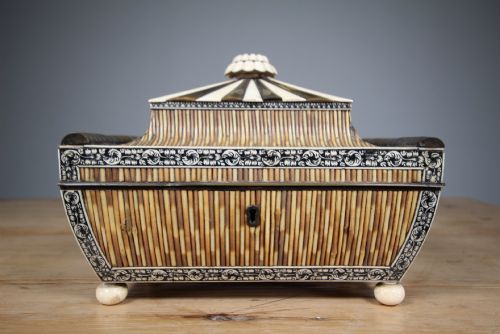
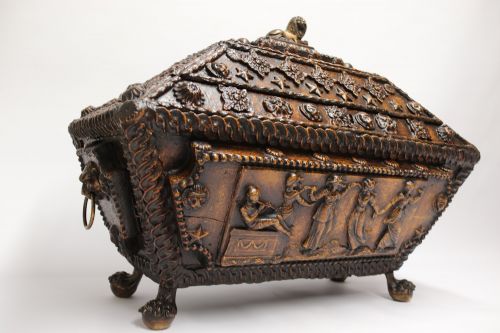
A regency decorative box encompasses a variety of forms including tea caddies, sewing boxes, games boxes, caskets, and trunks dating primarily from the Regency, Georgian, and 19th Century periods.
Tea caddies and workboxes dominate the selections found on this page, often taking sarcophagus, rectangular, or domed shapes designed to hold tea, writing materials, or sewing tools.
Origins span English workshops alongside French and Anglo-Indian variants, reflecting the diverse stylistic influences characteristic of the early nineteenth century.
Materials and construction
Cabinetmakers utilised dense exotic hardwoods such as rosewood, mahogany, coromandel, and satinwood, frequently applying veneers of burr yew, amboyna, or burr maple over secondary timbers.
Surface ornamentation involved intricate brass inlay, penwork, lacquer, gesso decoration, parquetry, and tortoiseshell applied with meticulous hand-finishing techniques.
Interior fittings often incorporated glass mixing bowls, removable canisters, velvet linings, and secret compartments constructed to precise tolerances.
Regency Decorative Box Retail Price Guide 2026
Typical asking prices for regency decorative box among the pieces listed under this phrase on Sellingantiques today, from the lower quarter to the upper quarter. They describe what is for sale here now, not the wider market.
Some miniature tortoiseshell tea caddies were built small enough to sit upon a dressing table rather than the dining sideboard.
Evaluating craftsmanship
The standard of execution depends heavily on the precision of the veneer work, the tightness of the mitred joints, and the fineness of any brass inlay or penwork detail.
Original interior fittings, functioning locks with matching keys, and intact feet or ring handles elevate an example above those altered or stripped of their internal components over time.
The Regency Decorative Box Glossary
- Sarcophagus shape
- A form tapering towards the base with a hinged lid, reminiscent of an ancient stone coffin, frequently seen on tea caddies and workboxes. This silhouette defines many high-status pieces from the Regency era.
- Penwork
- A decorative technique utilising fine ink drawings on a prepared wood or leather surface, often finished with a protective varnish. Brighton chain pier motifs are a notable variation.
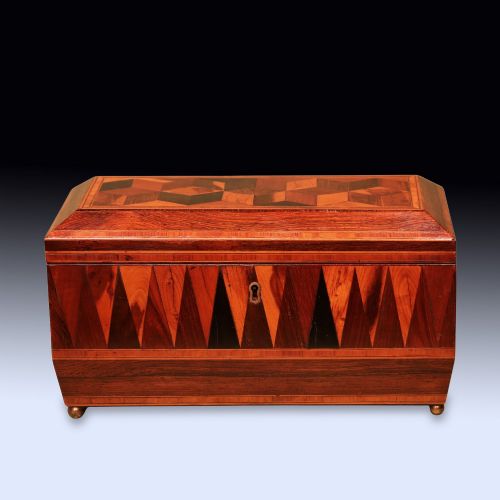
- Parquetry
- Geometric wood mosaic patterns assembled from small veneers of contrasting timbers to form decorative geometric designs on box lids.
- Japanned
- European work mimicking traditional Asian lacquer through the application of painted finishes and varnishes, common on workboxes and trays from the period.
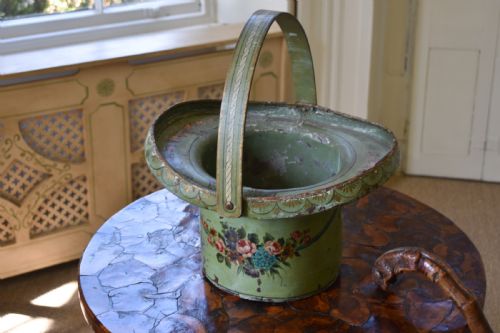
- Toleware
- Painted or lacquered sheet metal items produced in England and on the continent during the eighteenth and nineteenth centuries.
Regency Decorative Box: Frequently Asked Questions
What were tea caddies used for?
Tea caddies served to store expensive loose-leaf tea safely under lock and key in wealthy households.
Their compartmented interiors kept green and black teas separate from sugar.
How do I care for rosewood boxes?
Keep wooden boxes away from direct sunlight and sudden temperature changes to prevent the veneer from lifting.
Apply a microcrystalline wax occasionally to nourish the historic polish.
Are original keys common?
Original keys remain uncommon because locks were frequently misplaced over centuries of domestic use.
Many boxes retain their functional locks even when the original key is absent.
How do I spot penwork decoration?
Penwork appears as fine, dark ink illustrations directly upon a light wood or gesso ground.
Examining the surface closely reveals delicate hand-drawn lines rather than printed transfers.