




Brass Handle Tea Chest
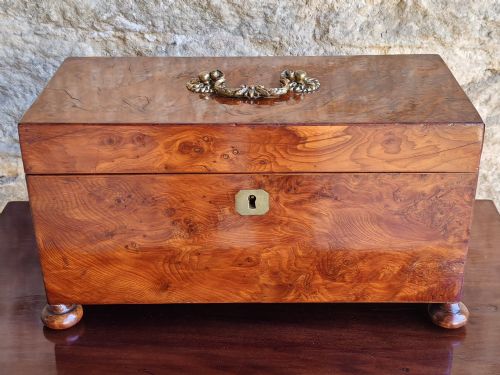
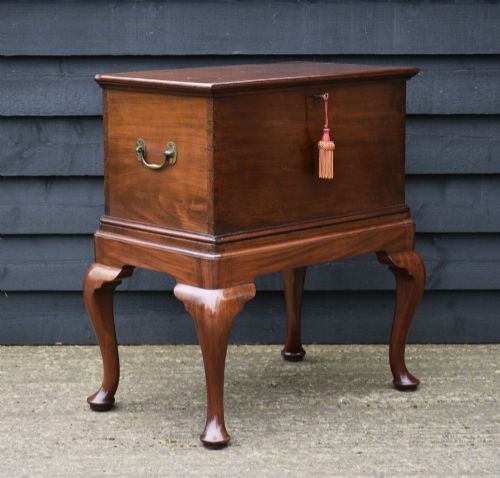
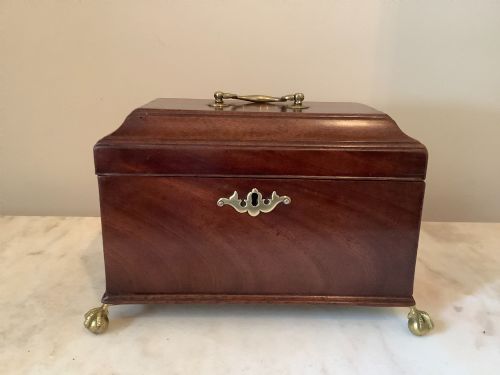
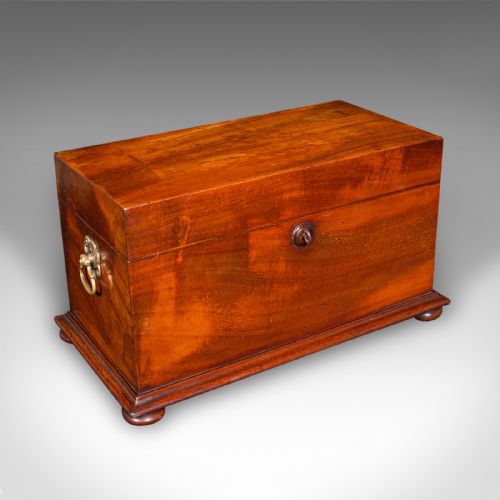
A brass handle tea chest is a fine storage box for dry leaves, built from rich timbers and metal mounts to keep expensive imports secure.
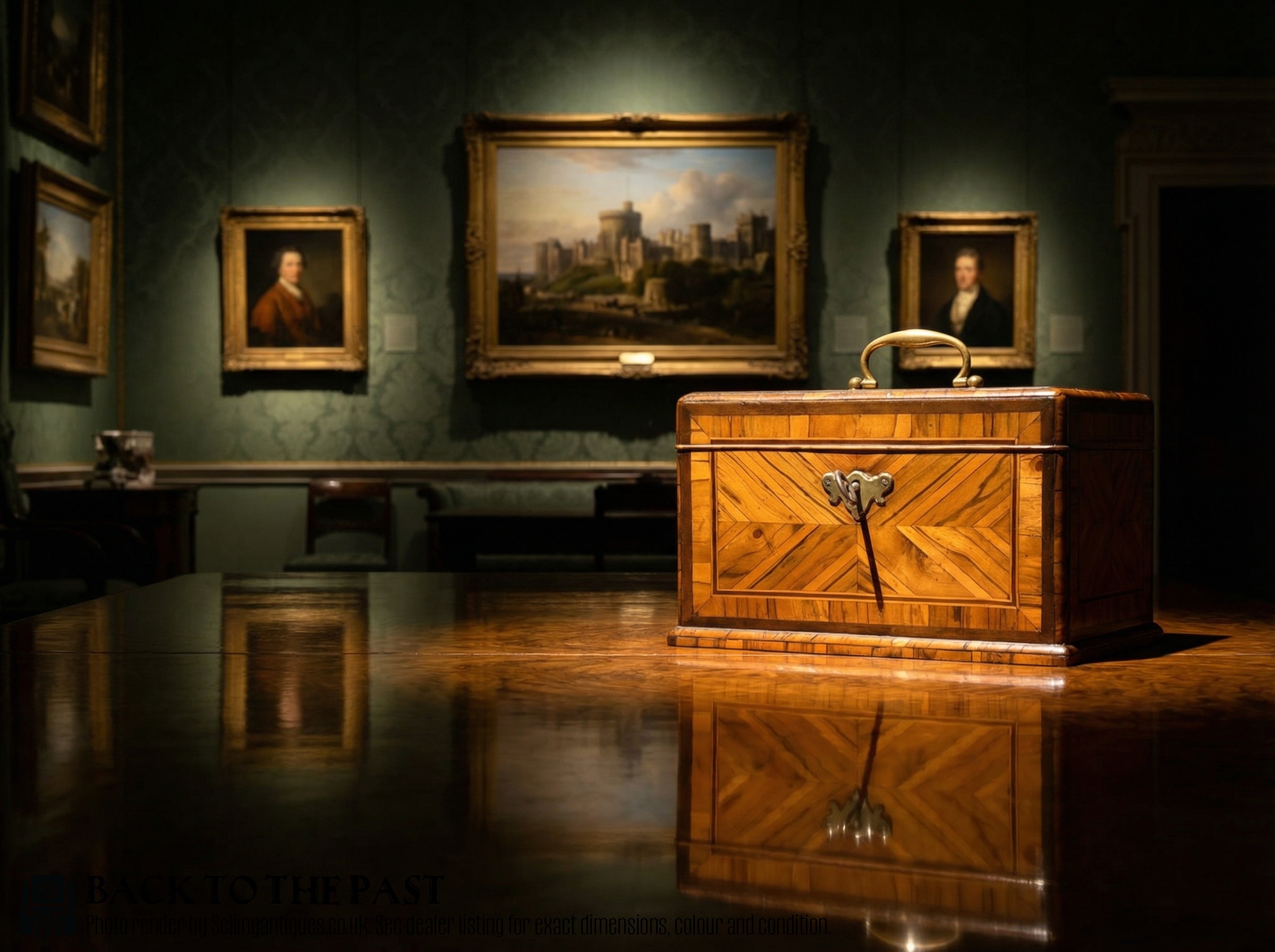
Brass Handle Tea Chest
When you search for a brass handle tea chest, you look at compact storage boxes designed to preserve the aroma of precious leaves during the Georgian and Regency eras. These containers vary from simple rectangular boxes to grand sarcophagus forms fitted with internal compartments.
Mahogany forms the foundation of most examples found on this page, often enriched with rosewood, yew wood, or burr walnut veneers. Many pieces date from the eighteenth and nineteenth centuries, spanning George II, George III, and Regency periods.
Interior arrangements commonly feature dual compartments or metal canisters alongside secret drawers for locking mechanisms. The brass handles allow these heavy timber containers to be moved safely between the dining table and the drawing room.
What varies in quality
The choice of timber creates a distinct separation in quality across these chests, with burr veneers and figured mahogany sitting at the higher end. The precision of inlaid boxwood and ebony stringing also indicates the skill of the original workshop.
Hardware weight and design set apart standard boxes from finer examples fitted with cast brass lion mask handles or penwork decoration. Internal completeness, such as retaining original metal canisters or working locks with keys, elevates the standing of a piece.
Brass Handle Tea Chest Retail Price Guide 2026
Typical asking prices for brass handle tea chest among the pieces listed under this phrase on Sellingantiques today, from the lower quarter to the upper quarter. They describe what is for sale here now, not the wider market.
Boxwood, ebony, bone, and steel appear across the pieces, alongside brass hardware and metal canisters.
The Brass Handle Tea Chest Glossary
- Tea caddy
- A small box or chest designed to store loose tea leaves securely. The word derives from catty, a Chinese unit of weight.
- Sarcophagus
- A monumental chest shape with a sloped lid, popular during the Regency period. This architectural form mimics ancient stone tombs.
- Penwork
- A decorative technique using fine ink drawings on wood, finished with protective varnish. Regency craftsmen utilised this method to create intricate surface patterns.
- Stringing
- Thin lines of contrasting timber inlaid into the surface of a box. This decorative border work frames the primary wood veneer.
Brass Handle Tea Chest: Frequently Asked Questions
What is a brass handle tea chest?
A brass handle tea chest is a timber box designed for storing valuable loose tea leaves in Georgian and Regency households. The metal handles allowed servants to lift and move the heavy containers between rooms.
Most examples feature fitted internal compartments to separate different varieties of tea. Many incorporate secret drawers and locks to protect the precious contents.
How were these tea chests used?
Households kept luxury tea locked away due to its high cost in the eighteenth and nineteenth centuries. The mistress of the house typically held the key and dispensed the leaves for each meal.
Dual compartments inside the box held green and black tea blends. Metal canisters or glass bowls within the chest kept the leaves fresh.
How do I date a tea chest?
Stylistic clues such as bracket feet, escutcheons, and veneer choices help determine the period of a piece. Georgian examples often feature straight mahogany sides, while Regency chests favour sarcophagus shapes and brass lion mask handles.
Secondary woods visible inside the box and construction methods of the secret drawers also offer clues to the decade of manufacture.
Where should I place it at home?
These decorative chests suit placement on sideboards, console tables, or desk tops where their timber grain and brass mounts remain visible. They function well as statement objects in a living room or study.
Keep wooden chests away from direct sunlight and strong heat sources to prevent timber shrinkage and veneer lifting. The internal compartments remain useful for storing small modern items.