

Antique Caddy Box
An antique caddy box is a vessel designed to store and preserve fine loose tea leaves, combining domestic utility with cabinet-making skill.
Antique Caddy Box
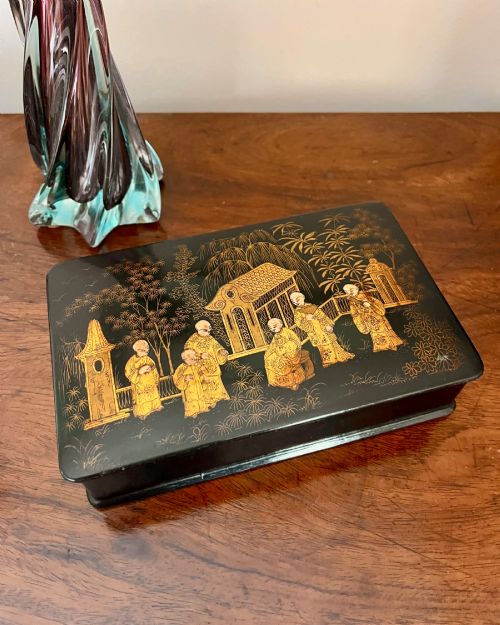
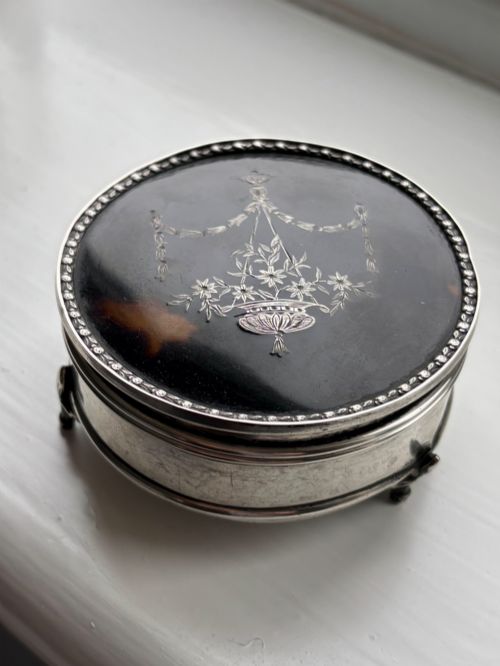
When searching for an antique caddy box, buyers encounter small wooden chests and metal canisters originating primarily from the Georgian, Victorian, and Edwardian eras. These containers were built to protect precious and expensive tea leaves under lock and key in period drawing rooms.
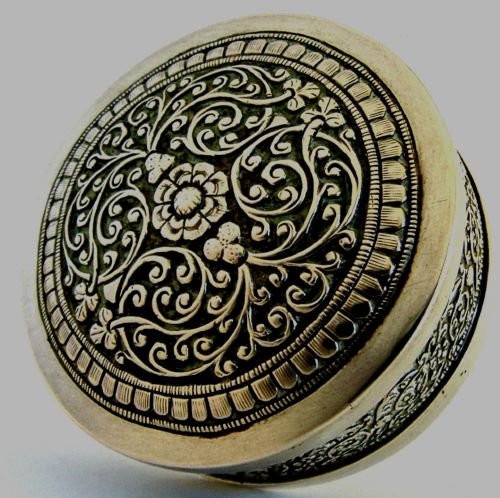
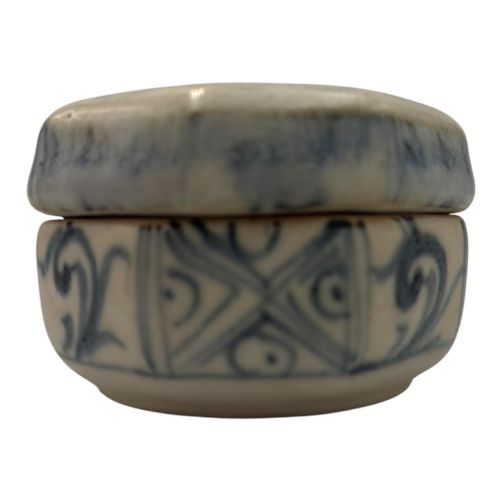
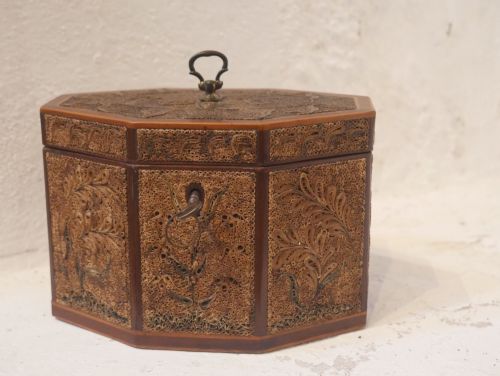
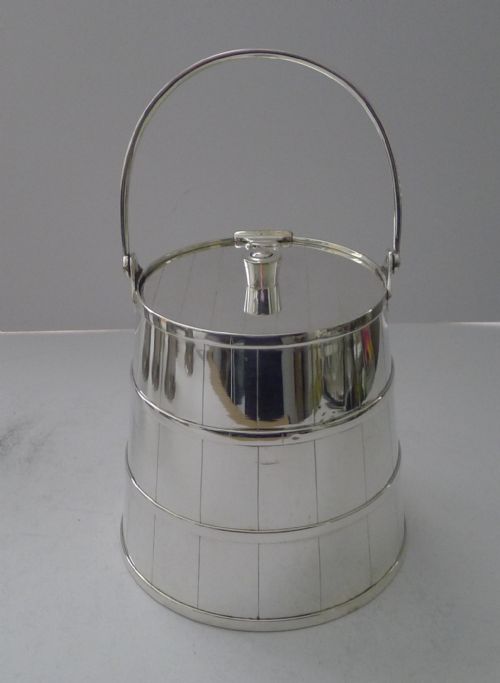
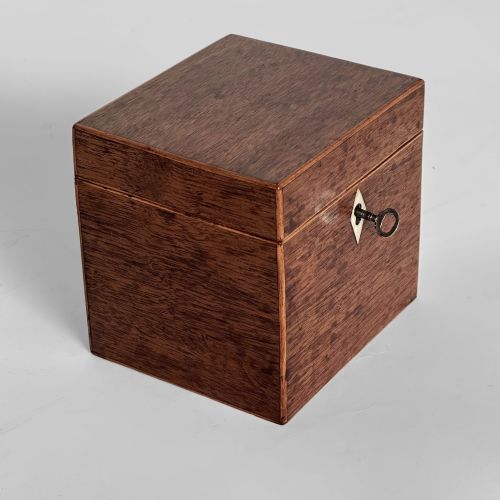
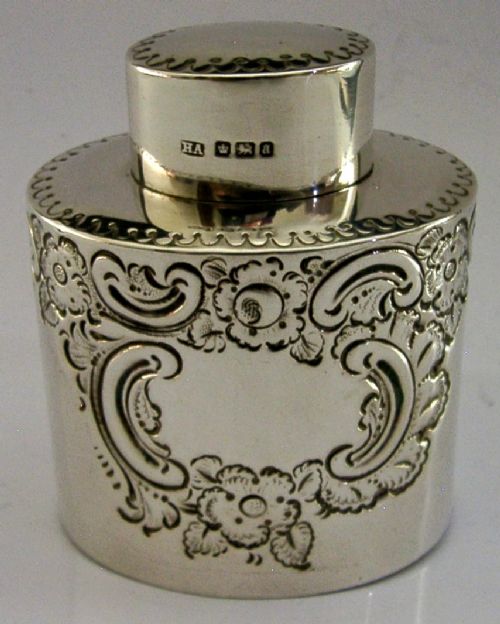
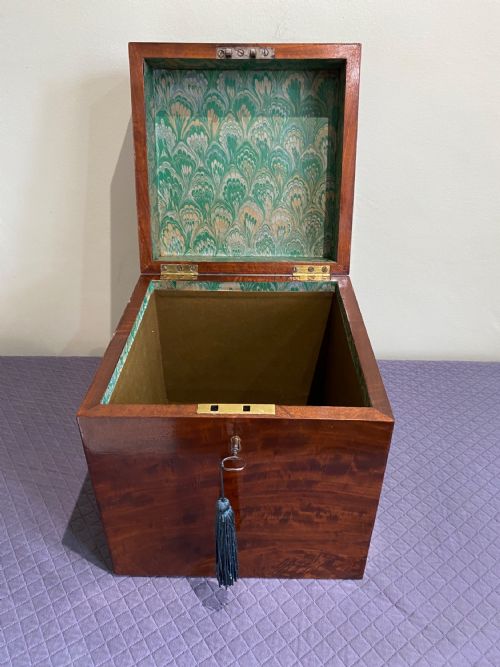
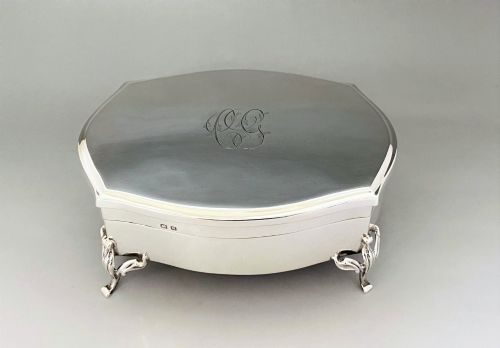
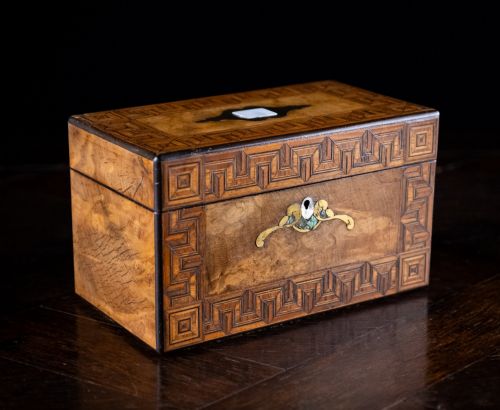
Wooden examples frequently take the form of mahogany, rosewood, walnut, or satinwood boxes, sometimes shaped like sarcophaguses or knife boxes. Alongside these timber receptacles, many listings feature solid sterling silver, silver-plated, and imported metal canisters from European and Asian workshops.
Materials and Construction
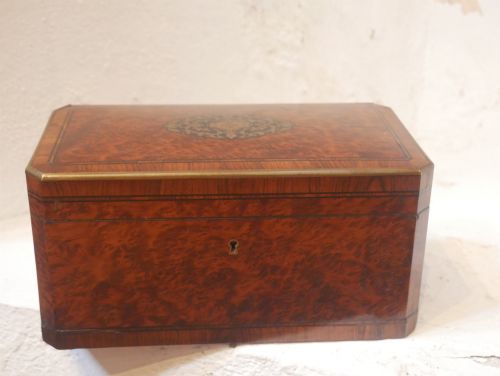
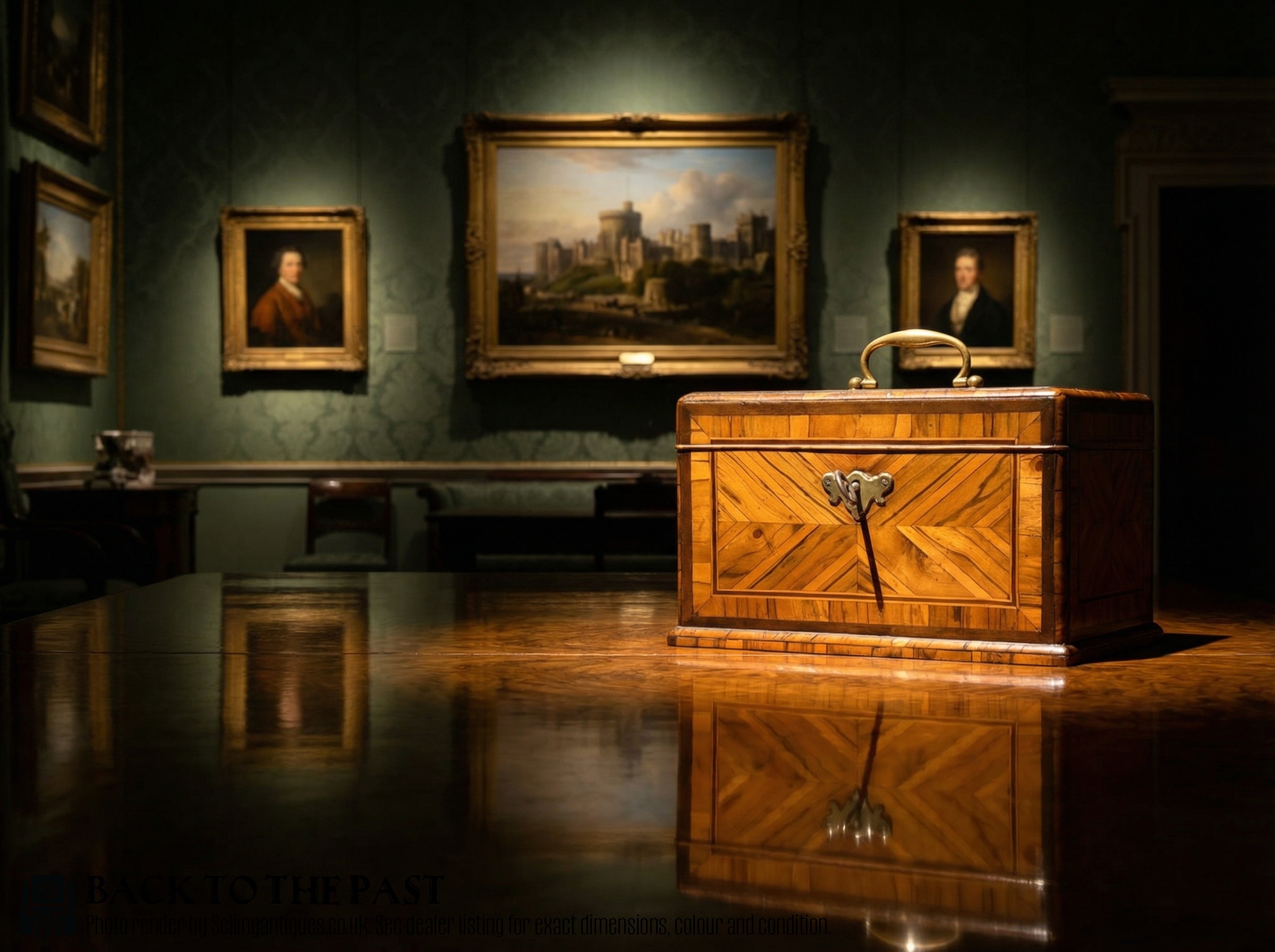
Cabinet makers utilised fine native and exotic timbers such as mahogany, satinwood, amboyna, and rosewood, often applying decorative veneers, parquetry, or brass and mother-of-pearl inlay. Interiors frequently retained remnants of foil lining or fitted wooden compartments designed to keep loose leaves dry.
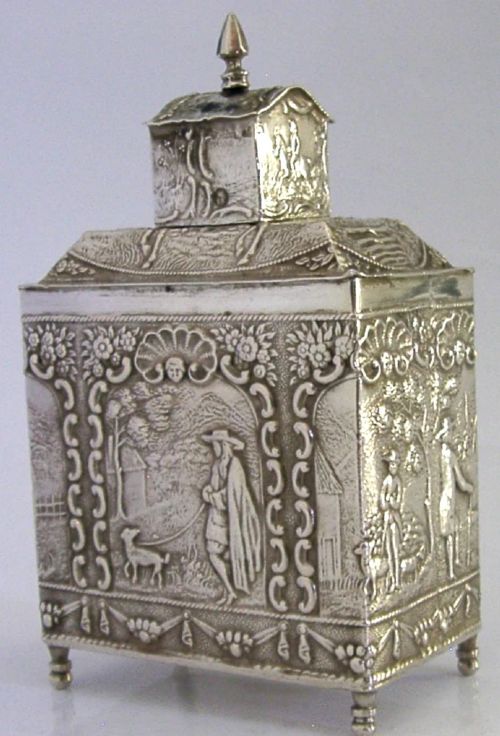
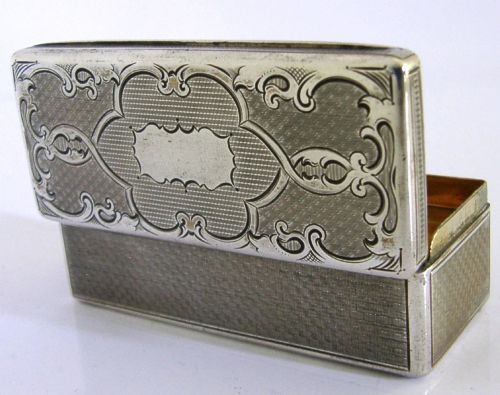
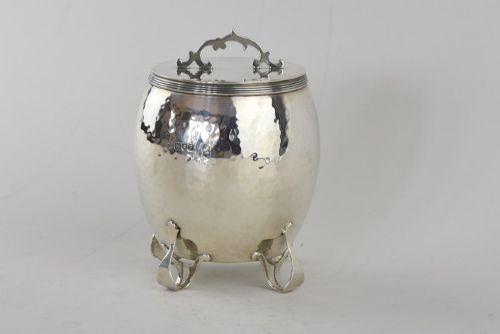
Metal caddies relied on sterling silver, silver plate, and hammered brass, shaped through casting, piercing, and embossing techniques. Silversmiths decorated these metal surfaces with motifs ranging from Dutch Rococo revival designs to delicate Art Nouveau ornamentation.
Listings feature wooden caddy boxes executed in mahogany, walnut, satinwood, and rosewood alongside solid silver and silver-plated metal canisters.
Quality Factors
Quality rests upon the precision of the joinery and the integrity of the materials used in the construction of the box. Superior wooden examples display carefully matched veneers, intact mother-of-pearl or tortoiseshell inlays, and original functioning locks with matching keys.
In silver and metal pieces, value follows the clarity of hallmarks, the weight of the metal, and the crispness of chased or hammered surface details. Well-preserved internal foil linings and original multi-compartment interior lids also elevate the standing of a piece.
Tahan Paris·Ollivant and Botsford·Charles Edwards London·Martin Hall and Co·Robert Hennell·Mappin and Webb·Thomas Hayes·Adolf Mayer
The Antique Caddy Box Glossary
- Caddy
- A small container or box originally used for storing tea leaves. The term derives from catty, a traditional Chinese unit of weight.
- Teapoy
- A small table fitted with a box top or canisters for holding tea, standing on a central pillar or legs. These pieces emerged during the Georgian and Regency periods.
- Parquetry
- Geometric mosaic woodwork formed by small pieces of veneer fitted together to create patterned surfaces on boxes and furniture. This technique highlighted the skill of the cabinet maker.
- Sarcophagus
- A box shape featuring a sloped lid and a raised, heavy plinth base, popular for tea caddies during the Regency era. The design mimics classical stone tombs.
- Hallmark
- An official stamp applied by an assay office to indicate the purity of precious metal, the maker, and the year of production. These marks provide definitive dating for silver caddies.
Antique Caddy Box: Frequently Asked Questions
How were tea caddies used?
Tea caddies were kept in the public rooms of a house where the mistress of the home would personally measure out the leaves using a small spoon. The containers often featured internal compartments to separate different varieties of tea.
Because tea was such a valuable commodity, these boxes were constructed with sturdy locks and keys so that servants could not pilfer the contents.
How do I date a wooden tea caddy?
Dating a wooden caddy involves examining the cabinet-making techniques, the choice of timbers, and the overall architectural style. Georgian pieces often display clean classical proportions in mahogany or satinwood, while Regency examples frequently utilise sarcophagus shapes with brass ring handles.
Victorian and Edwardian versions often incorporate heavier ornamentation, exotic veneers like amboyna or walnut, and detailed mother-of-pearl or tortoiseshell inlay work.
Are silver tea caddies hallmarked?
Most British silver tea caddies bear clear hallmarks stamped directly onto the metal surface, indicating the assay office, the maker's mark, and the exact year of production. These stamps allow collectors to trace the origins of the piece down to specific silversmiths.
Continental and imported silver boxes often feature alternative standard marks or foreign control stamps instead of traditional British assay office marks.