



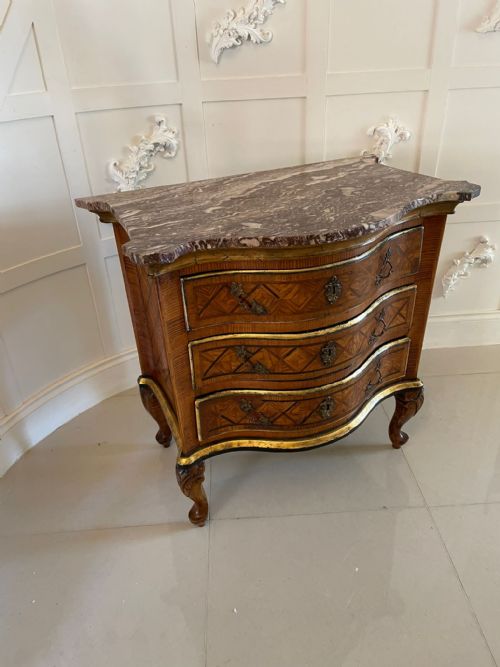


Parquetry Wooden Chest
A parquetry wooden chest brings geometric warmth into a room, joining precise timber work with practical storage across centuries of craft.
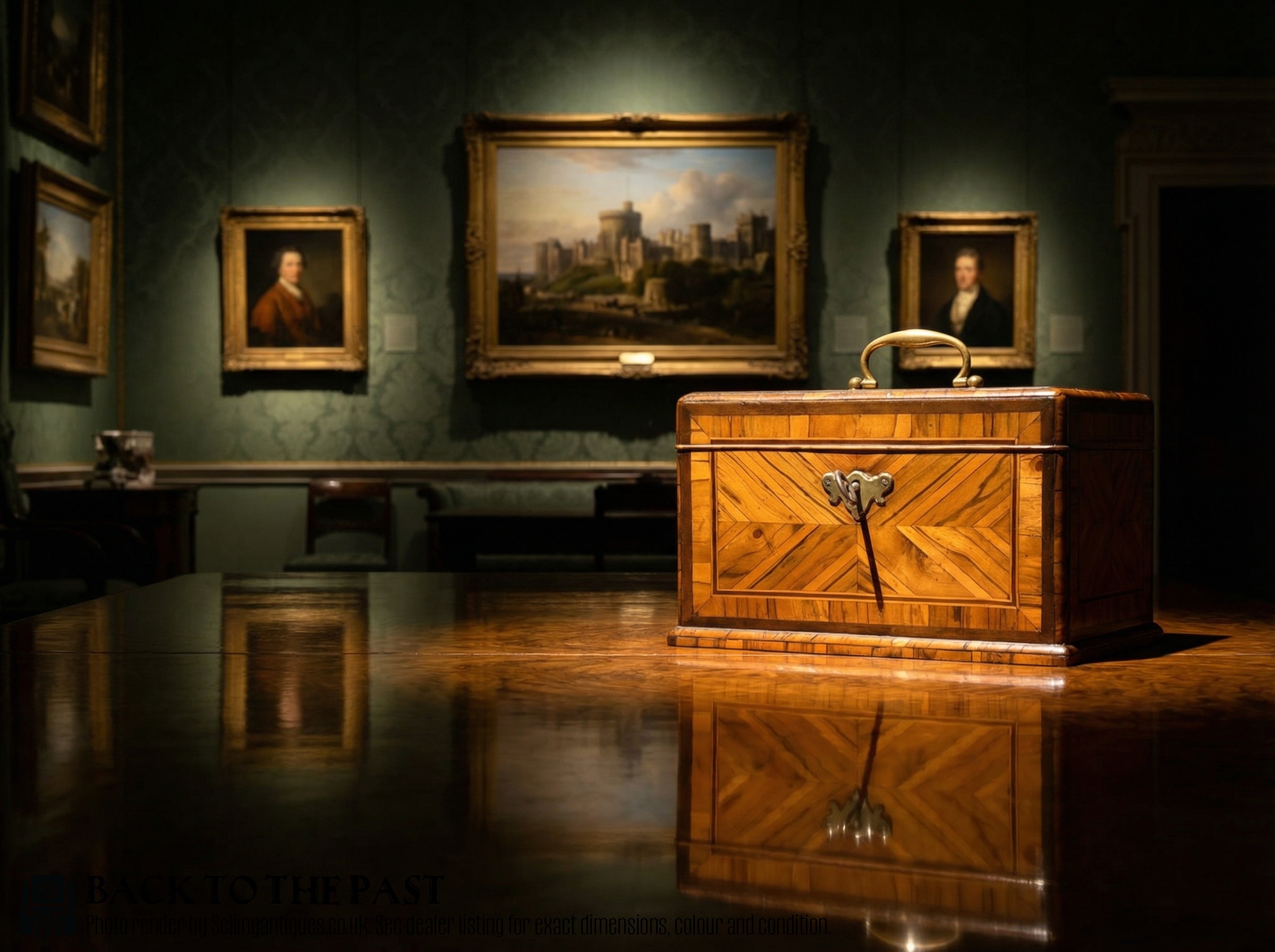
Parquetry Wooden Chest
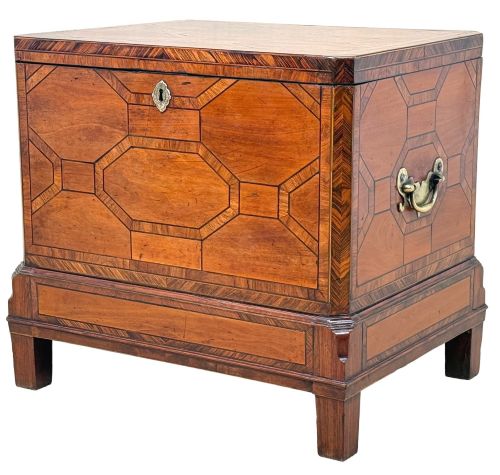
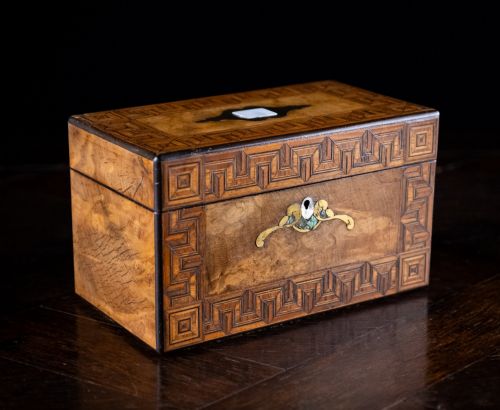
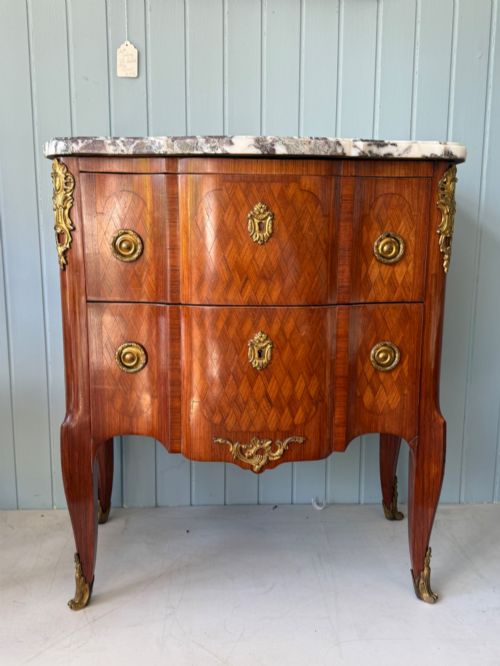
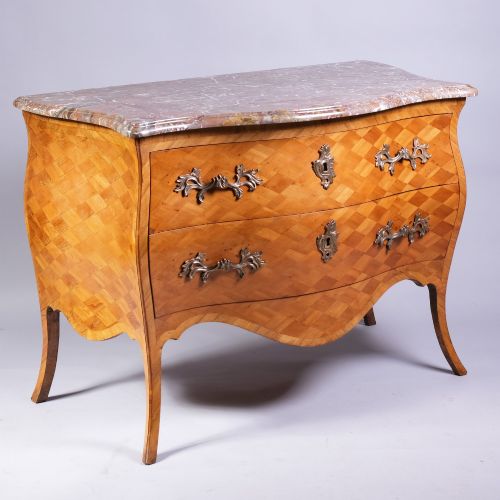
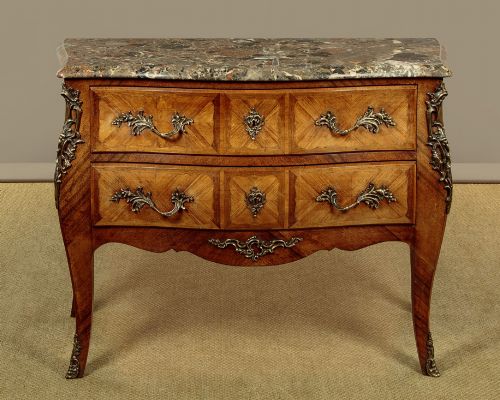
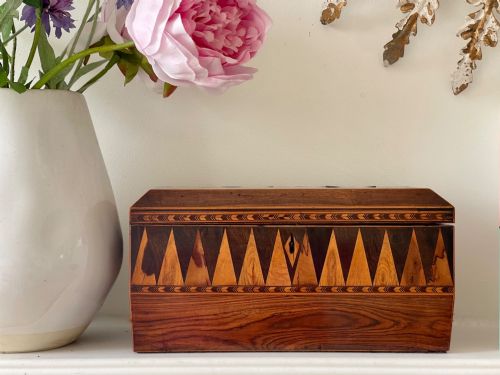
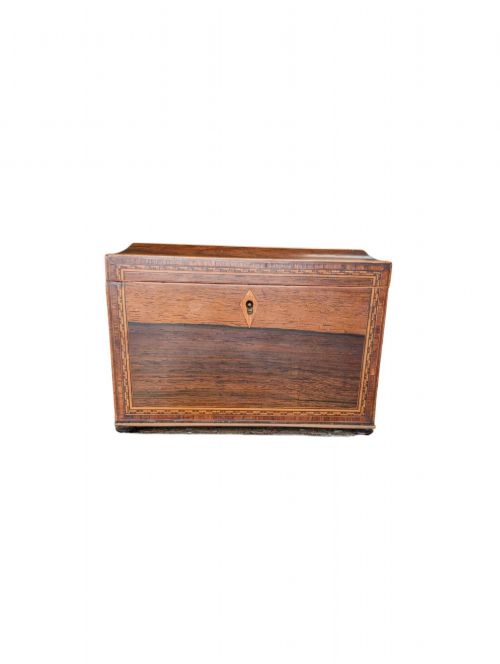
When you search for a parquetry wooden chest, you encounter a varied group of containers, ranging from compact tea caddies and decorative boxes to large commodes and cabinets spanning the seventeenth to the twentieth century.
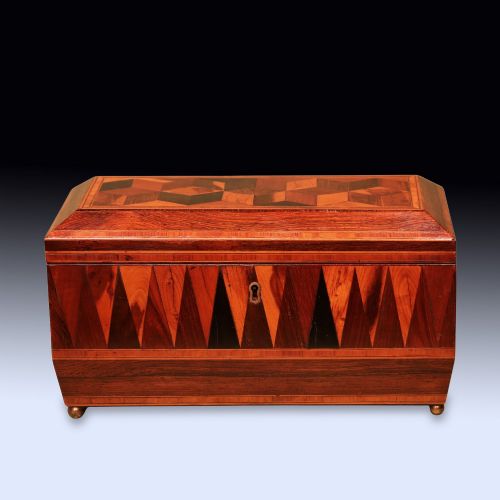
The pieces on this page are most commonly tea caddies and commodes, drawing on English, French, Flemish, and Italian origins from periods such as the Georgian, Regency, and Victorian eras.
Makers utilised diverse forms, including sarcophagus shapes, serpentine chests, and strongboxes, demonstrating the wide application of geometric veneer patterns on everyday and luxury items.
Materials and construction
Craftsmen built these pieces using foundational woods like walnut, kingwood, rosewood, and fruitwood, applying geometric veneers to create intricate surface patterns.
Many examples incorporate secondary materials such as brass, marble tops, mother-of-pearl, and ormolu mounts to accent the timber framework.
Tunbridge Ware items employ precise mosaic techniques, assembling tiny wood blocks to form detailed pictorial or geometric surface designs.
Several items include miniature apprentice chests and keepsake boxes designed to test a young woodworker's skill.
Judging quality in parquetry
Quality rests in the precision of the geometric veneer work and the tightness of the timber joints across the carcass.
Superior examples display harmonious timber selection and well-integrated secondary materials like original marble tops or brass fittings, rather than clumsy repairs or mismatched grain.
Henry Hollamby
The Parquetry Wooden Chest Glossary
- Parquetry
- Geometric mosaic woodwork formed by small pieces of veneer applied to a structure to create patterned surfaces. This technique defines the visual character of the pieces on this page.
- Commode
- A low chest of drawers or cabinet popular in eighteenth and nineteenth-century continental and English interiors. These often feature shaped fronts and marble tops.
- Tea caddy
- A small box designed to store loose tea leaves, frequently fitted with internal compartments and lockable lids. Regency and Victorian examples often incorporate intricate inlay.
- Tunbridge Ware
- Woodworking characterised by mosaic tile construction depicting natural motifs or geometric bands. It originates from the town of Tunbridge Wells in Kent.
- Carcass
- The underlying structural frame or body of a chest upon which veneers and decorative elements are applied. Its stability dictates the longevity of the piece.
Parquetry Wooden Chest: Frequently Asked Questions
How do I date a parquetry wooden chest?
Dating relies on examining the underlying construction methods, timber choices, and overall form, such as the proportions of a Georgian commode or a Victorian tea caddy.
Stylistic markers like Regency sarcophagus shapes or seventeenth-century cabinet stands also point directly to specific historical periods.
Were tea caddies used for daily storage?
Tea caddies served to store expensive tea leaves securely under lock and key in period drawing rooms.
Their compartmentalised interiors kept different varieties separated and protected from moisture.
What is the difference between marquetry and parquetry?
Parquetry utilises geometric blocks of wood to create repeating symmetrical patterns like cubes or herringbone.
Marquetry instead forms pictorial or floral scenes using varied organic veneer shapes.
How should I care for antique veneered furniture?
Protect antique surfaces by maintaining stable room humidity and avoiding direct placement near heat sources or strong sunlight.
Gentle dusting with a dry cloth preserves the polished timber without stripping historical finishes.