

Antique Storage Caddy
An antique storage caddy offers a handsome vessel for dry goods, keeping domestic clutter tidy with period character.
Antique Storage Caddy
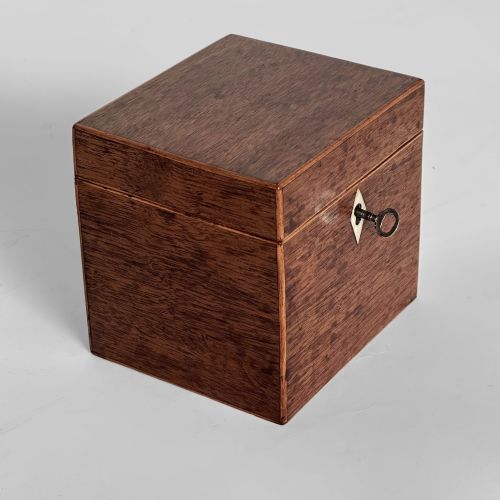
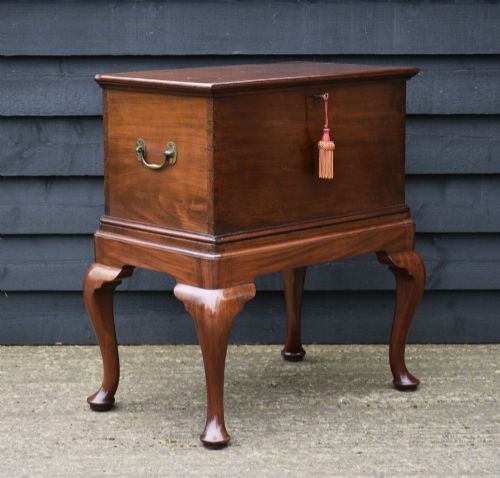
An antique storage caddy is a small, lidded container originally designed to hold tea leaves safely away from moisture and light. These pieces range from compact wooden boxes to elaborate metal vessels intended for display on a sideboard or table.
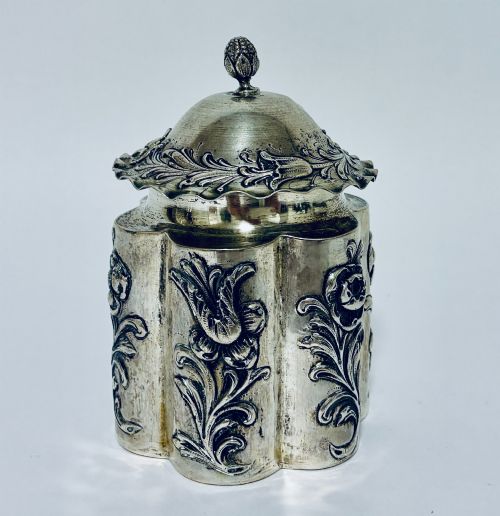
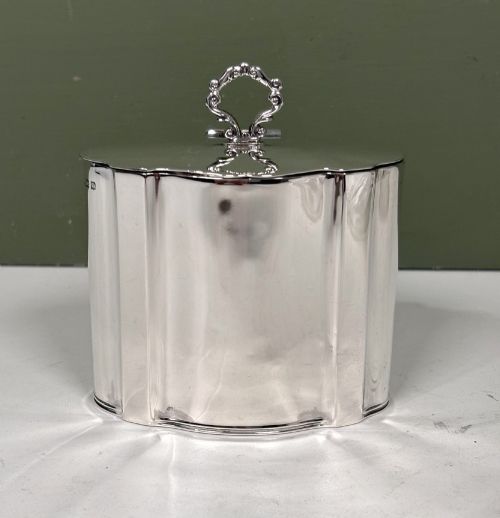
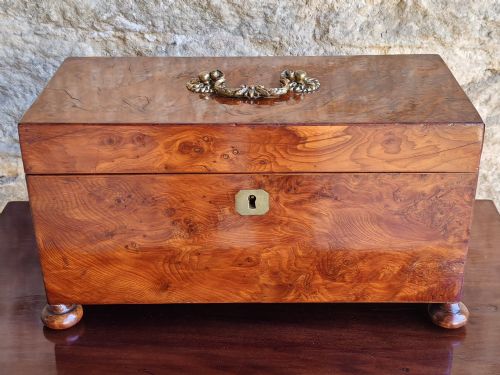
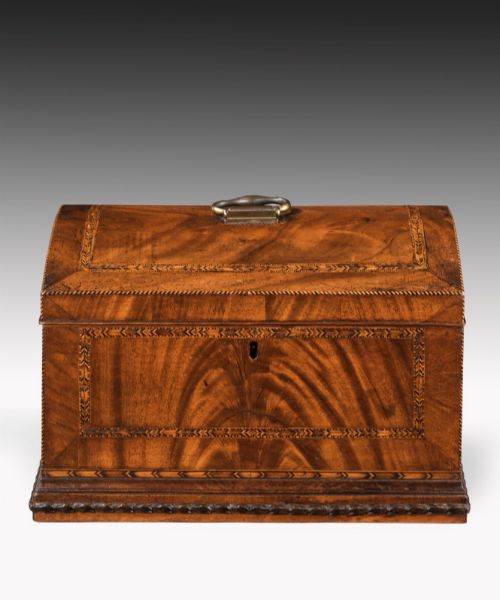
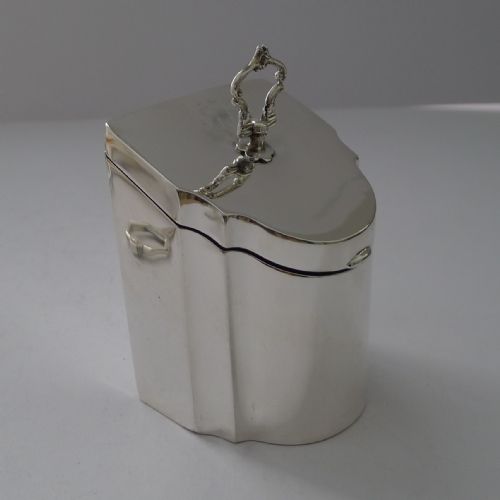
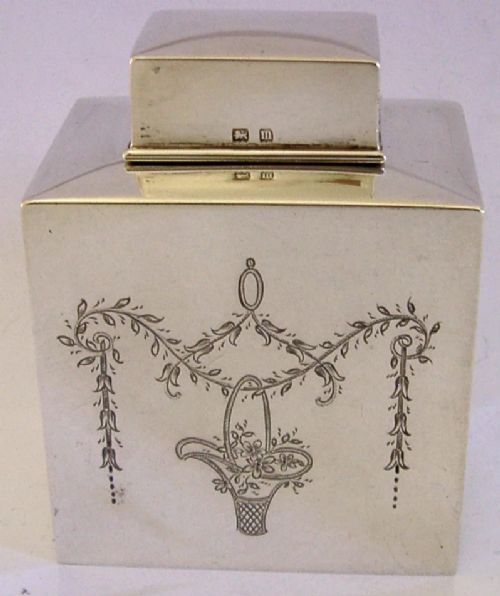
The selections available here lean heavily towards tea caddies and decorative boxes shaped in mahogany, rosewood, and sterling silver. Buyers frequently encounter sarcophagus forms, domed lids, and rectangular receptacles dating from the eighteenth century through to the Edwardian period.
Materials and construction
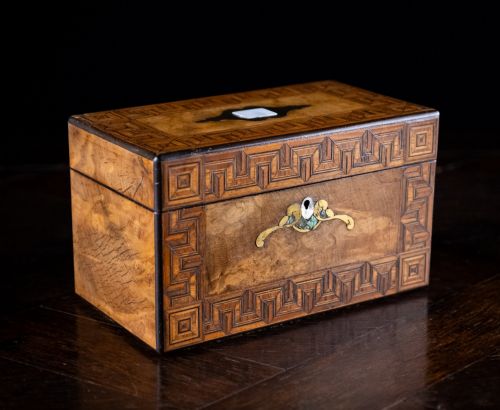
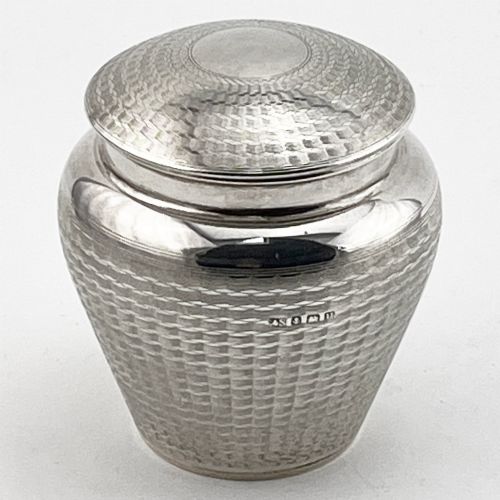
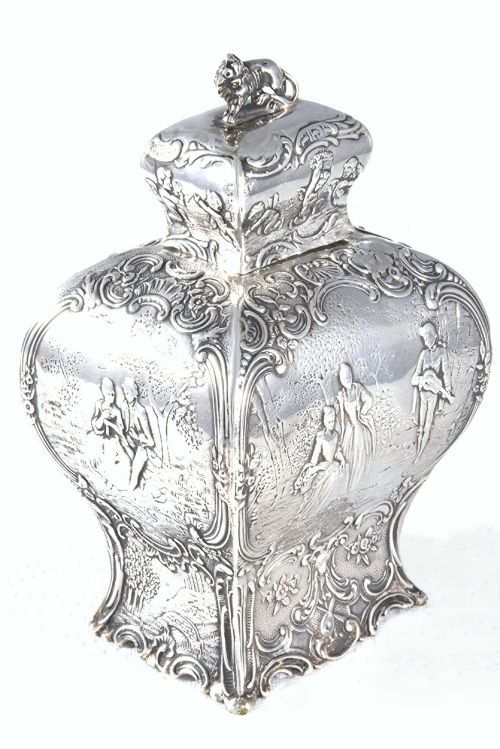
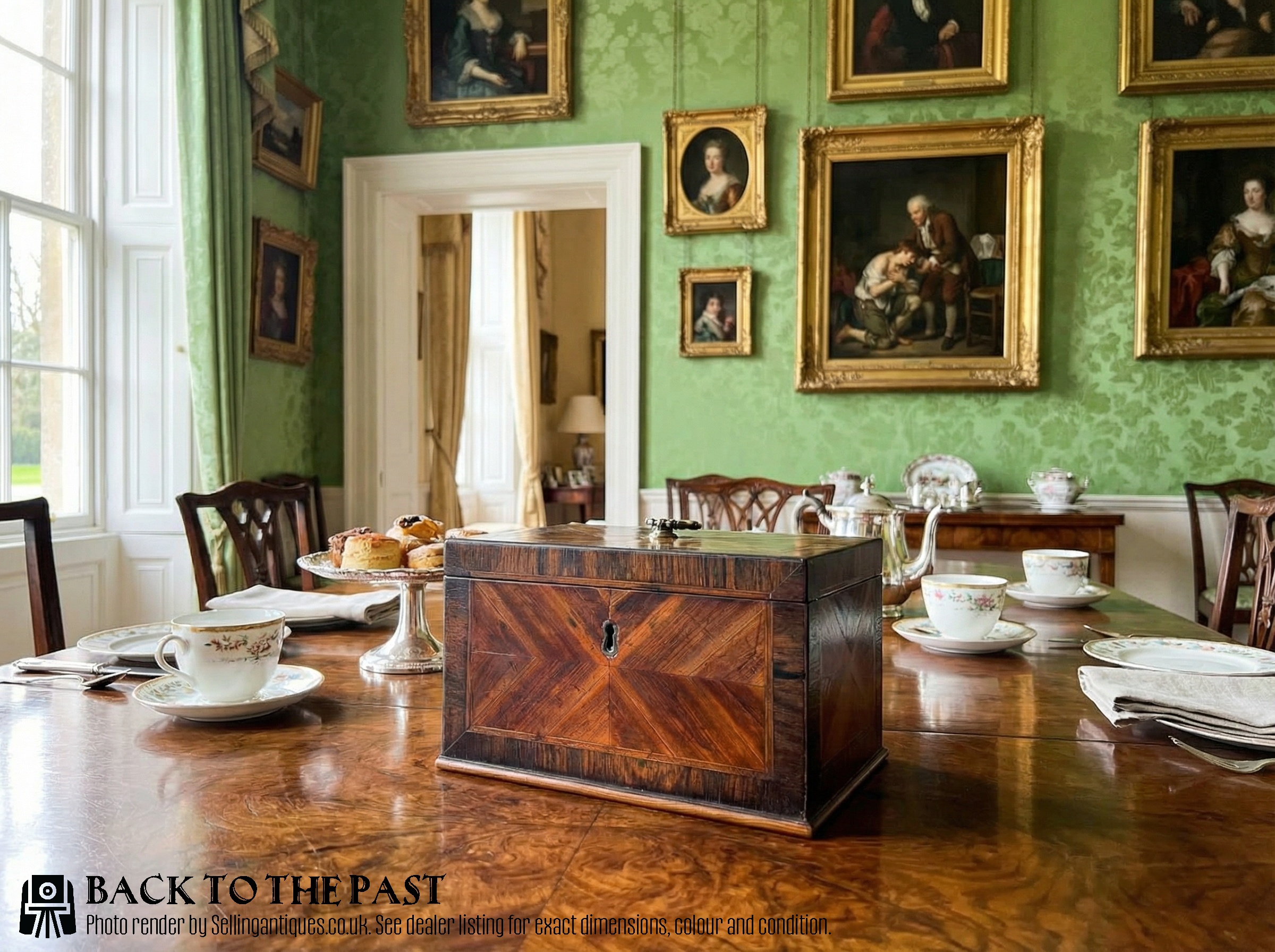
Cabinetmakers utilised dense timbers such as mahogany, satinwood, and rosewood, often enhancing plain surfaces with boxwood stringing, brass mounts, or mother-of-pearl inlay. Metal examples rely on solid sterling silver or silver plating, hammered and shaped into intricate bombe or canister profiles.
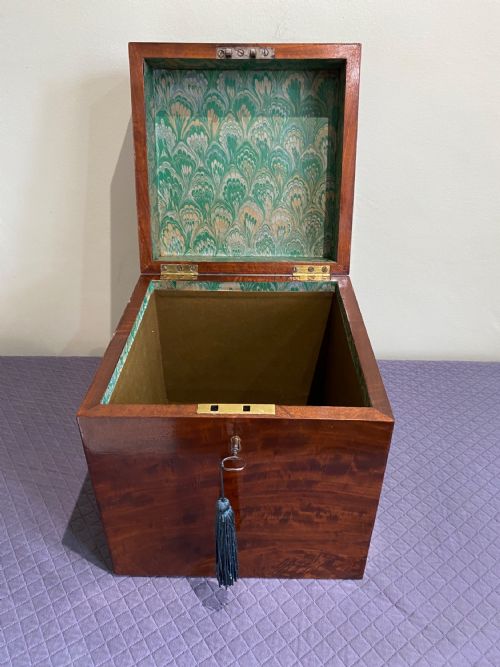
Joinery on wooden variants involves tight dovetailing and fine veneer work, while metal caddies show careful soldering and chased surface detailing. Interior compartments frequently retain traces of foil lining or fitted wooden lids designed to preserve aromatic contents.
A surprising number of nineteenth-century boxes still conceal their tiny original keys, proving that someone somewhere was exceptionally careful.
Judging quality and merit
Superior examples display crispness in their inlay, unwarped timber lids that sit flush against the box rim, and heavy-gauge metal that resists bending. The integration of original working locks, keys, and interior mixing bowls separates standard utility items from high-status salon pieces.
Material selection and decorative restraint dictate the standing of a piece within the broader market. Finely figured wood grains and balanced proportions command attention, whereas poorly aligned hinges and crude replacement feet lower the overall integrity.
Zimmermann·Thomas Hayes·Mappin & Webb·William Hutton & Sons Ltd.
The Antique Storage Caddy Glossary
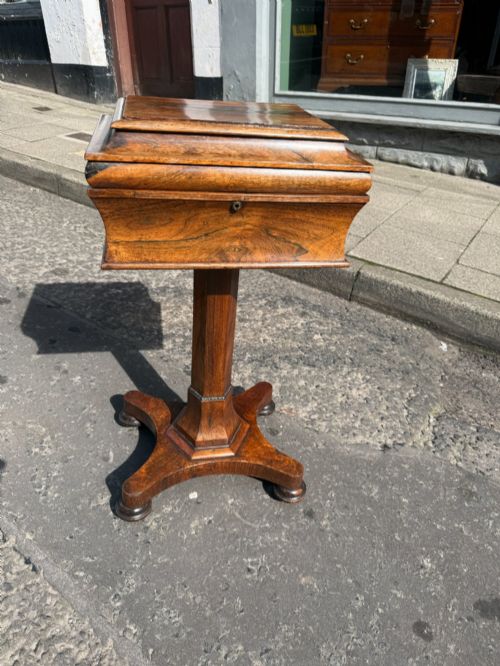
- Teapoy
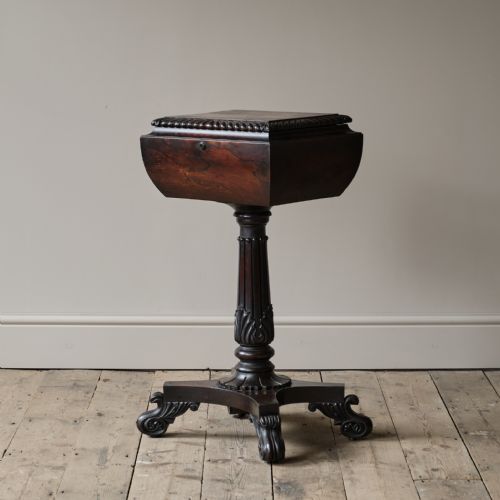
- A freestanding table fitted with a lidded storage box on top, designed to hold tea leaves in the parlour. These pieces often stand on a central pillar with tripod or platform feet.
- Sarcophagus
- A distinct coffin-like box shape with a domed or sloping lid, popular during the Georgian and Regency periods. This form provides generous internal capacity for multiple storage compartments.
- Inlay
- A decorative technique where contrasting materials such as satinwood, mother-of-pearl, or boxwood are inserted into shallow recesses carved into the primary timber. This adds geometric or pictorial pattern to the exterior.
- Parquetry
- Geometric mosaic woodwork formed by small pieces of timber arranged in repeating patterns across a surface. It frequently appears on nineteenth-century walnut and mahogany boxes.
- Bombe
- A swollen, convex curving contour applied to the sides of silver or wooden boxes. The profile swells outwards before curving back towards the base.
Antique Storage Caddy: Frequently Asked Questions
What were antique storage caddies used for?
These receptacles served primarily to store dry tea leaves securely under lock and key when tea was an expensive, heavily taxed commodity. Servants kept the key to prevent pilfering from the household supply.
Over time, many of these containers transitioned into general trinket boxes, sewing repositories, or desk accessories once tea became widely affordable and sold in paper packets.
How do I tell a Georgian caddy from a Victorian one?
Georgian examples generally rely on clean architectural lines, mahogany veneers, stringing, and understated brass ring handles. The proportions are typically restrained and geometric.
Victorian pieces often embrace heavier ornamentation, incorporating mother-of-pearl inlay, papier-mâché, coromandel wood, or elaborate bombe silver shapes that reflect revivals of earlier historic styles.
Are wooden caddies usually lined inside?
Many wooden tea caddies feature internal foil linings or divided wooden compartments designed to keep different varieties of tea separate and fresh. Traces of old paper or lead foil frequently survive in the interior sections.
Lined compartments sometimes accommodated small glass mixing bowls used to blend green and black teas before serving.
How do I care for an antique wooden caddy?
Keep wooden storage containers away from direct sunlight and steady heat sources to prevent the dry timbers from cracking or veneers from lifting. Maintaining stable room humidity protects both the wood and any delicate inlay.
Apply a light application of appropriate furniture wax sparingly when the surface appears dry, buffing gently with a soft cloth to maintain the natural sheen.